Fact-Checking the Claim About CNN and White House Press Secretary Karoline Leavitt
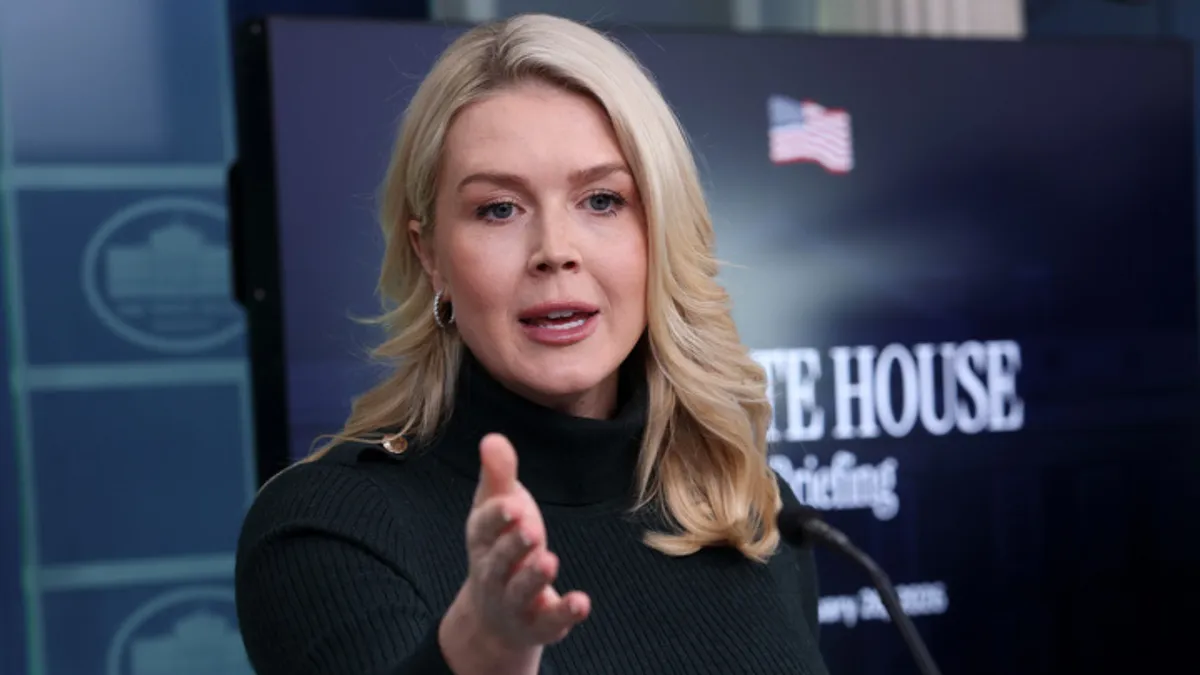
Recently, a statement has circulated claiming that White House press secretary Karoline Leavitt said, “CNN isn’t news, it’s pure radical leftist propaganda brainwashing machine.” Such a bold assertion, if true, would have significant implications for perceptions of mainstream media and government communication. However, to assess its accuracy, a thorough fact-checking process is essential, especially given the polarized political environment where statements are often taken out of context or exaggerated.
Examining the Claim: Did Karoline Leavitt Make This Statement?
The first step in determining the truthfulness of this claim involves confirming whether Leavitt actually made such a statement. Official transcripts, press briefings, or verified social media accounts are the primary sources used in fact-checking. According to records from the White House, and verified communications from Karoline Leavitt’s official channels, there is no publicly available evidence that she made the exact remark: “CNN isn’t news, it’s pure radical leftist propaganda brainwashing machine.” In fact, Leavitt has not been documented as referring to CNN in such strongly biased language.
Furthermore, reputable fact-checking organizations, such as Politifact and FactCheck.org, have reviewed similar allegations. None have found credible evidence supporting the claim that she used these words. Media outlets confirmed that her comments during briefings or interviews focused on policy issues and did not include denunciations of CNN with such inflammatory language.
Context Matters: Analyzing the Origin of the Quote
Many claims about politicians or officials making provocative statements often originate from misquotations, paraphrased remarks, or deliberate misrepresentations. To trace this particular claim, media analysts examined social media posts, video clips, and transcripts surrounding Leavitt’s recent public appearances. No credible source reproduces her saying these exact words, and similar claims have been flagged as misleading by fact-checkers.
Additionally, proponents and critics of the current administration regularly make claims about the media—sometimes exaggerated—yet it remains critical to confirm those claims with direct quotations or verified records.
Evaluating the Broader Media Landscape and Political Rhetoric
While the statement in question is not supported by verified records, it underscores the ongoing debate about media bias and political rhetoric. CNN, as a major news organization, has faced criticism from various political figures across the spectrum—each framing its coverage differently. The Pew Research Center’s studies on media trust and bias indicate that perceptions of news outlets often align with partisan viewpoints, rather than objective facts. Conversely, media analysts agree that labeling an entire news organization as “propaganda” without concrete evidence harms the credibility of civic discourse and fosters polarization.
The Role of Facts in Upholding Democratic Integrity
In a democracy, transparent communication founded on verified facts is essential. Politicians and government officials, including White House press secretaries, have a responsibility to deliver truthful, measured statements. Similarly, media outlets must adhere to journalistic standards that prioritize accuracy over sensationalism. Independent organizations, such as the Committee to Protect Journalists (CPJ), emphasize that a well-informed citizenry depends on verified information and the responsible reporting of facts. Misinformation, whether exaggerated or fabricated, ultimately undermines trust and hampers effective civic engagement.
Conclusion: Fact-Checking as a Pillar of Responsible Citizenship
In light of this investigation, it is clear that the claim attributing the quote about CNN to Karoline Leavitt is misleading. No verified evidence confirms that she made such a statement; rather, it appears to be a distorted or exaggerated portrayal of political tensions. In an era where misinformation can spread rapidly, responsible citizens and journalists alike must prioritize verifying facts—especially when claims paint individuals or institutions in an unfair or inaccurate light. Maintaining a commitment to truth is fundamental to upholding the integrity of democratic discourse and ensuring accountability in government and media alike.