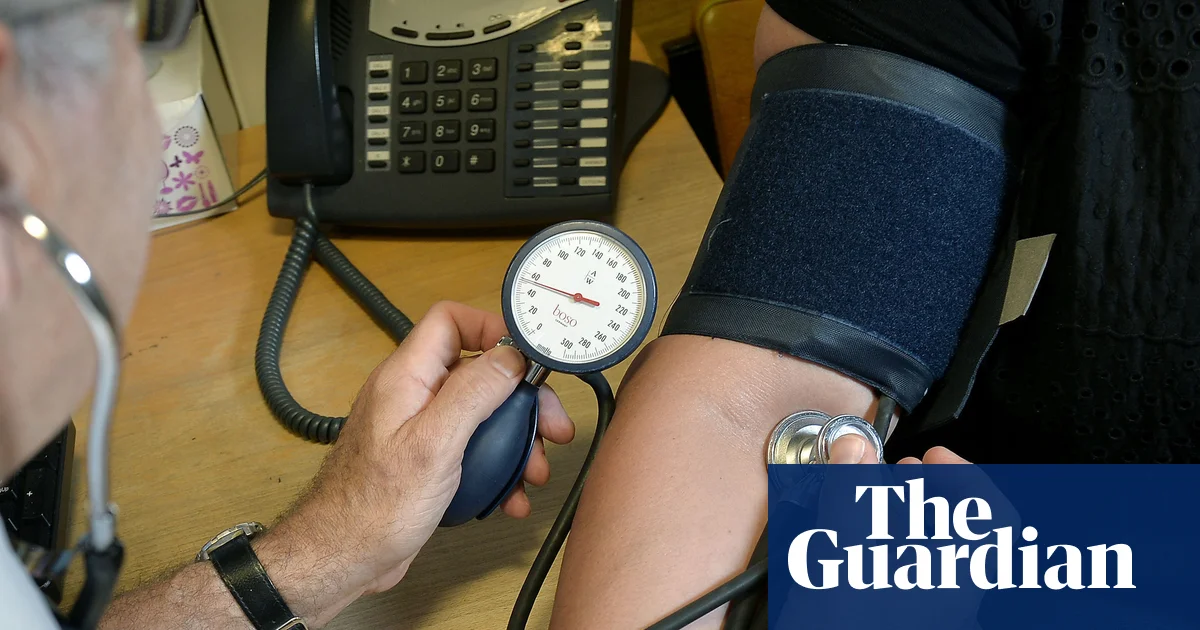
Across communities in England, a quiet revolution is underway within the realm of primary healthcare. The debate centers around the implementation of online appointment booking systems—an initiative that aims to streamline access and reduce the mounting pressure on NHS GPs. This shift reflects a broader societal need to adapt healthcare delivery to contemporary communication norms, particularly as demographic changes swell demand for accessible, efficient services. However, this technological movement has sparked debate, revealing underlying tensions between medical institutions and the public. Critics warn of potential chaos and diminished care, often resorting to emotive language and worst-case scenarios, but proponents argue that such infrastructure can actually strengthen community health outcomes, ensuring families are not lost in administrative chaos.
The core issue remains: mismatch between demand and capacity. Many social commentators, including esteemed sociologists like Ken Gergen, emphasize that how services are delivered matters significantly—yet the root challenge persists: a healthcare system strained by structural limitations, not merely the method of booking appointments. Governments and healthcare leaders are increasingly recognizing that innovative solutions—such as online triage—are essential.
- They can direct existing resources toward urgent care, reducing waiting times for families with pressing health needs.
- They also promote efficient management of appointments, enabling families to access care without enduring endless phone queues.
- This approach encourages a more responsive, patient-centered model that aligns with societal shifts towards digital engagement.
But as with any social change, backlash remains. Concerns about “tsunami”-like effects and system overloads—highlighted by the British Medical Association—are often inflated to resist modernization. Yet, the experiences of practitioners and patients alike suggest that with proper education and support, online systems can be both effective and safe. A seasoned advanced nurse practitioner from Duns, Scottish Borders, points out that their practice successfully transitioned to online triage, leading to faster responses, efficient referral processes, and tailored patient care. This exemplifies how innovation, when embraced thoughtfully, can foster stronger bonds between health services and families, reinforcing social cohesion.
Ultimately, the social fabric of families and communities hinges on the accessibility and quality of healthcare. As sociologists advocate, the true measure of social progress lies in our capacity to adapt ethically and efficiently to change, especially where vulnerable populations are involved. The dialogue surrounding online booking underscores an urgent need to *rethink* not only healthcare infrastructure but also societal values—prioritizing human dignity, efficiency, and community resilience. Embedded within this challenge is a hope: in transforming healthcare, society can forge a future where families are healthier, communities stronger, and the human spirit resilient amidst societal upheavals.