Samsung Unveils Multi-Agent AI Ecosystem in Galaxy S26, Signaling a New Era of Disruptive Innovation
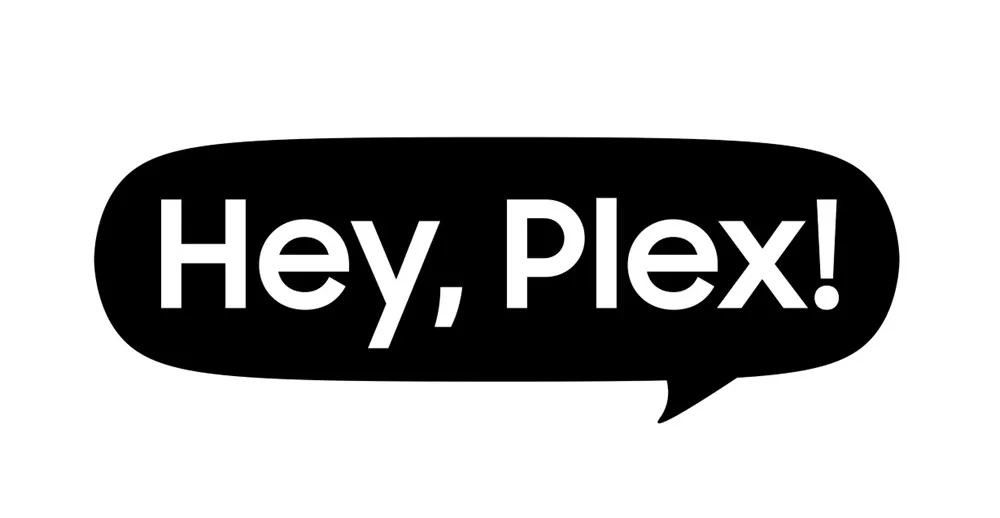
In a bold move underscoring its commitment to innovation and ecosystem disruption, Samsung has announced the integration of a multi-agent AI ecosystem within its upcoming Galaxy S26 lineup. This strategic shift aims to redefine user interaction with mobile devices, leveraging a diverse array of AI assistants including Bixby, Google Gemini, and Perplexity, which users will invoke via voice commands like “hey, Plex.” The company’s approach places it at the forefront of enterprise-level AI competition, challenging existing industry dominance by large players such as Apple and Google.
The concept of a multi-agent ecosystem introduces significant business implications. Samsung’s new feature allows users to seamlessly summon different AI agents tailored to specific tasks—whether it’s managing notes, setting reminders, or analyzing images—highlighting a shift toward specialized AI collaboration rather than monolithic assistants. Perplexity, a core component, will access native apps like Samsung Notes, Gallery, and Calendar, as well as select third-party services, though particulars remain proprietary. This openness fosters business innovation and encourages third-party developers to participate in an expanding multi-agent marketplace.
- Enables specialized AI agents to handle interoperability, boosting user productivity
- Expands ecosystem flexibility to include third-party app integration
- Disrupts traditional single-assistant models, incentivizing competition and innovation
Experts from MIT and industry analysts from Gartner underscore that this move could catalyze a paradigm shift in mobile AI. According to Gartner, businesses which embrace multi-agent AI ecosystems are poised to gain a competitive edge in user engagement and personalized service delivery. Meanwhile, industry veteran Elon Musk has repeatedly warned of AI fragmentation and lack of interoperability as major threats to user experience, making Samsung’s approach a potential blueprint for the future.
Pending the upcoming unpacked event, where more details are expected, industry leaders and developers alike will be watching closely. Samsung’s vision indicates a future where multi-agent AI systems not only augment human capabilities but also fundamentally alter how devices interact within complex, interconnected ecosystems. If successful, this could accelerate the trend towards intelligent, autonomous systems embedded deeply into daily life, with profound implications across sectors from telecoms to enterprise software.
As competition intensifies and AI technologies evolve at a breakneck pace, the question isn’t whether the industry will adopt multi-agent architectures—it’s how quickly and effectively it can innovate within this new paradigm. Samsung’s strategic push into ecosystem disruption positions it as a key player shaping the future of mobile AI. Forward-looking companies and developers must act swiftly to harness this emerging landscape, or risk being left behind in a race defined by technological agility and bold vision.