Matox News

Truth Over Trends, always!

Can Nintendo Correct Its Princess Dilemma in the ‘Super Mario Galaxy’ Film?

In a media landscape saturated with superficial entertainment, one might be tempted to dismiss the evolution of Nintendo’s beloved characters as mere commercial happenstance. Yet, beneath the pixelated veneer of Mario’s universe lies a compelling narrative about the shifting paradigms of gender roles, cultural storytelling, and societal values. From the humble damsel in distress of the early 1980s to modern symbols of strength and independence, these characters reflect broader cultural dynamics and philosophical insights into the relevance of culture to identity, tradition, and societal integrity.

The pioneering era of Mario and his ilk began with the simple premise of rescue: Lady—later called Pauling—was kidnapped by Donkey Kong, establishing a damsel-in-distress trope that echoed age-old narratives of heroism intertwined with the subjugation of women. This pattern persisted into the era of Princess Toadstool or Peach, whose wildest narrative ambition was to be rescued from castles, her persona mired in a perpetual state of helplessness, fitting neatly into a reactionary narrative framework present since the days of classical fairy tales. As Tocqueville observed, societal mores and legends serve as mirrors of the collective unconscious, shaping and reflecting the very fabric of our cultural identity. These game narratives—though seemingly trivial—embody a societal attitude toward gender roles, emphasizing a nostalgic constancy that resonates across generations.

However, the narrative arc begins to shift remarkably with the reemergence of Pauline in 2017 and the reimagining of Princess Peach in games like Super Mario Odyssey. Pauline, once a mere damsel, now assumes the role of the independent, multi-faceted figure—a city mayor and singer, donning a red pantsuit rather than princessly attire. This transformation echoes the historical parallel of societal emancipation: from passive to active, from victim to agent of change. Such developments echo insights of cultural critics like G.K. Chesterton, who once proclaimed that “the true soldier fights not because he hates what is in front of him, but because he loves what is behind him.” The evolution of these characters signifies a societal shift away from traditional victimhood towards a celebration of agency, strength, and self-determination, forging a comeback rooted in cultural memory and future prophecy.

Adding to this tapestry is Rosalina, who departs entirely from the damsel trope, embodying a figure of maternal strength and universal authority. With her cosmic origin story, Rosalina transcends the triviality of rescue narratives, hinting at the pursuit of a deeper understanding of existence—an unspoken rebellion against the superficiality that has long pervaded popular entertainment. This evolution illustrates the cultural tendency of modern storytelling: to explore themes of inner strength, heritage, and universal connection. The articulate efforts by Nintendo to expand her story with additional chapters and narratives underscore a fundamental truth illuminated by Ortega y Gasset: that culture is a living memory, a prophecy made flesh, shaping the ongoing story of human identity.

In conclusion, the character development within Nintendo’s franchise encapsulates a larger cultural narrative—that of tradition’s resilience and the never-ending quest for authentic self-expression. These virtual figures, once mere placeholders in a storytelling void, now carry the weight of societal change, embodying a culture’s enduring desire for meaning, agency, and continuity in the face of relentless change. As we observe this transformation, it becomes clear that in the grand tapestry of human history, culture is both memory and prophecy: a reflection of where we have been and a guiding light towards where we are yet to go. In the silent poetry of pixel and play, we find the echoes of our collective soul—a testament to the unyielding spirit of human creativity and tradition that persists beyond the fleeting shadows of entertainment, whispering through the ages that our stories, like ourselves, are destined to evolve—ever resilient, ever true.
Samsung hikes prices on Galaxy A37 and A57 — what it means for young tech fans

Samsung’s New Galaxy A Series: Innovation Amid Rising Costs

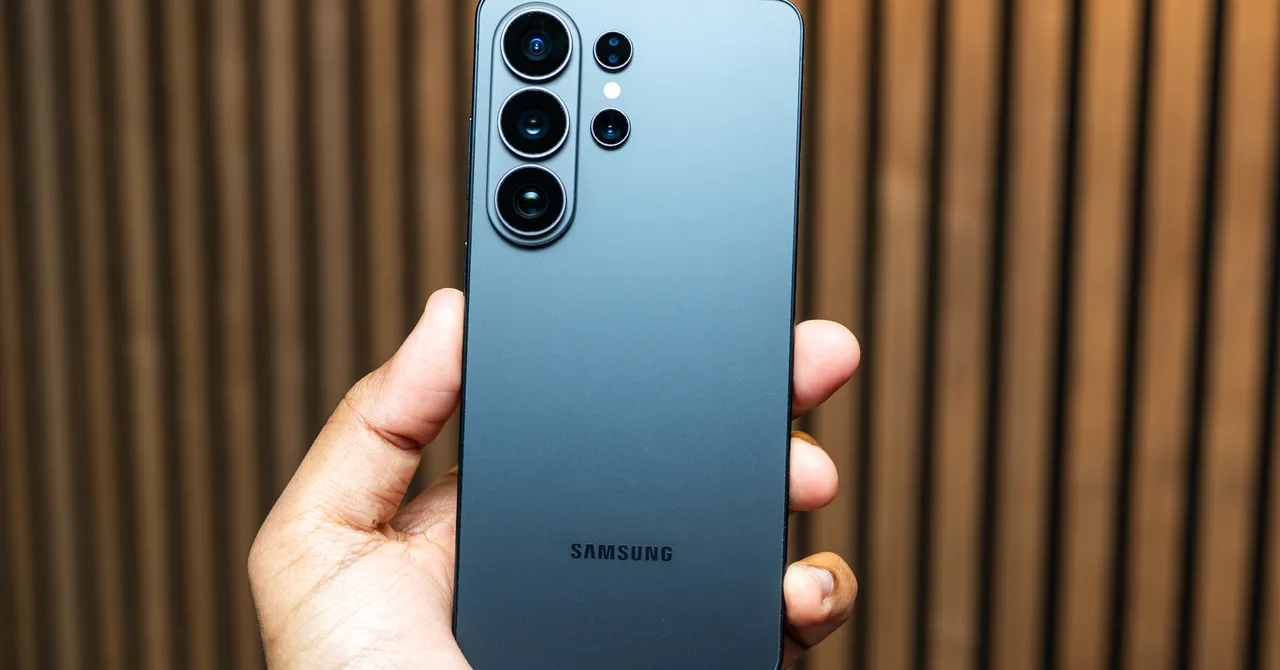
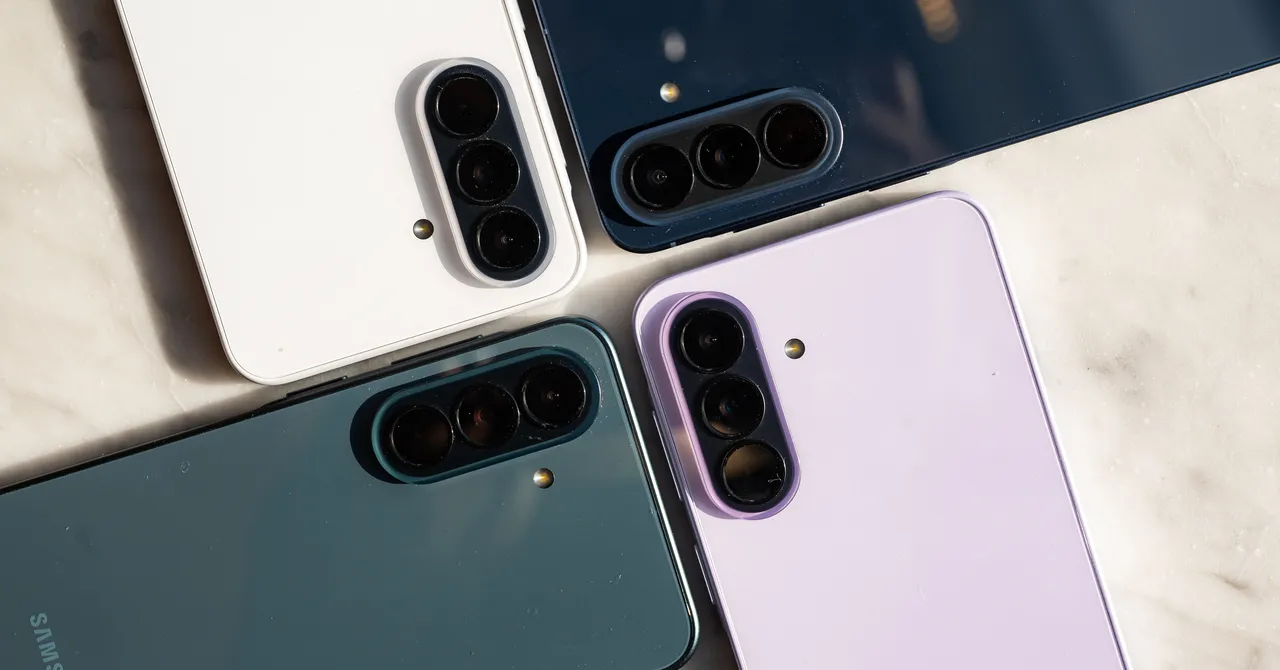
The smartphone industry continues to experience a wave of disruption driven by innovation and market pressures, and Samsung remains at the forefront. Last month, the tech giant announced a price hike across its flagship models, with an additional $100 increase in the Galaxy S26 series. Now, the company’s midrange Galaxy A37 5G and Galaxy A57 5G are seeing $50 price increases, despite only minor hardware updates. This trend signals a significant shift in market strategy, where value-oriented consumers face higher entry costs even for devices that primarily target budget-conscious users.

According to industry analyst Jitesh Ubrani of IDC, “Price increases or ‘down‑speccing’ have become the norm.” The core driver behind this shift is the rising cost of memory and supply chain inefficiencies, compounded by ongoing geopolitical uncertainties. While the major players like Samsung have not explicitly blamed external factors, market dynamics suggest higher component costs are squeezing margins and forcing price adjustments. The impact on consumers is clear: affordability is being sacrificed in the name of innovation, with hardware improvements focusing on processor capabilities and AI performance, rather than sheer hardware boosts for lower-tier devices.

Innovation Drives Hardware and AI Performance

The key upgrade with the Galaxy A57 5G and A37 5G lies in their processors. Samsung is utilizing its Exynos 1480 chip, boasting a 14% increase in CPU performance, a 24% boost in graphics processing, and a remarkable 167% improvement in neural processing capabilities. This latter feature underscores a critical industry trend: integrating AI sophistication into mid-range devices, pushing capabilities that previously only existed in premium segments. The focus on AI acceleration signifies an industry-wide move toward smarter, more adaptive devices that can handle complex tasks, from real-time language translation to advanced image recognition.

Pricing for these new models indicates a strategic shift. The Galaxy A57 5G starts at $550, with options for 8 GB RAM/128 GB storage or 256 GB for $610, while the A37 5G begins at $450, moving up to $540 for higher storage configurations. According to Gartner and industry experts, these midrange models are poised to serve as a battleground for disrupting traditional smartphone tiers, especially as brands seek to curry favor with younger, tech-savvy markets looking for flagship-like experiences at accessible prices. The impending sale date of April 9 signals Samsung’s preparedness to further influence these segments, emphasizing innovation as the driver of growth rather than just cost efficiency.

Business Implications and Future Outlook

This strategic realignment presents both challenges and opportunities. While the increased prices might deter some budget consumers, Samsung’s emphasis on processor and AI improvements reflects a broader industry acknowledgment: the hardware paradigm is shifting from raw specs to smarter, more capable devices. For competitors and industry analysts, this signals a new era where innovation is less about the number of megapixels or battery capacity and more about integrating AI and neural processing at every level.

Institutions such as MIT and industry thought leaders like Elon Musk and Peter Thiel underscore this trajectory—building a future where disruption comes from smarter technology rather than just cheaper hardware. As supply chain bottlenecks persist and geopolitical tensions threaten to inflame costs further, companies will need to innovate faster and smarter to stay competitive. For consumers, this means becoming more discerning in evaluating what real value looks like in their devices, with the industry poised for a shake-up that could redefine what it means to own a smartphone.

In conclusion, Samsung’s latest moves underscore a fast-evolving tech landscape, where innovation, not just pricing, will shape the future. As AI integration becomes standard in even mid-tier models, and market disruptions accelerate, industry stakeholders must act swiftly. The clock is ticking—those who fail to innovate risk becoming relics in an increasingly dynamic digital age.

Samsung Galaxy S26 Ultra: The Future of Privacy Screens for the Next Gen

Samsung’s Privacy Display: A Disruptive Innovation in Mobile Security

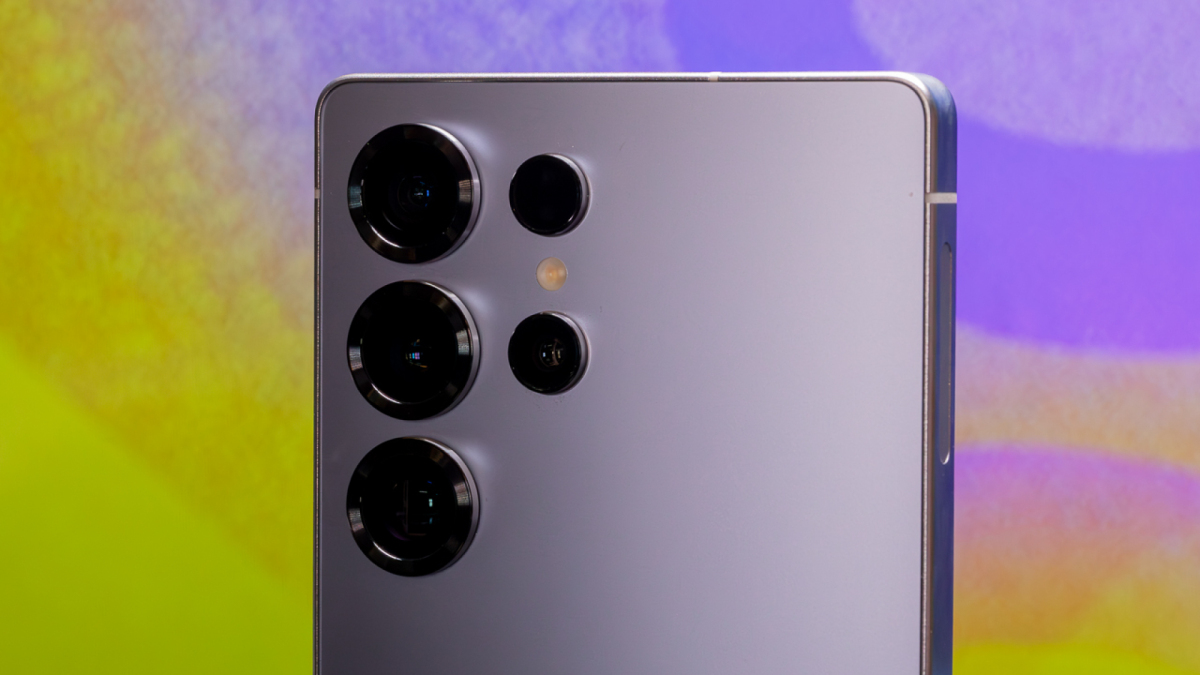
In a move highlighting the ongoing revolution in mobile device privacy, Samsung has introduced an integrated Privacy Display feature that promises to redefine user security and disrupt conventional smartphone design. Unlike traditional privacy filters or static screen protectors, Samsung’s solution leverages software and hardware synergy, providing users with dynamic control over their screen visibility. This innovation is emblematic of the broader industry shift toward user-centric privacy features, a trend underscored by market analysts who stress the importance of privacy in consumer decision-making. Such features could place Samsung ahead of rivals and redefine standards for privacy in the mobile industry.

The Privacy Display offers customizable activation tied directly to select messaging, banking apps, and notifications. When enabled, the screen dims significantly from side angles, thwarting prying eyes without compromising overall usability. For maximum protection, users can activate a “Max Privacy Protection” mode, rendering the screen virtually unreadable from side views—perfect for sensitive transactions or private conversations. Interestingly, unlike traditional privacy screen protectors, Samsung’s approach doesn’t block the user’s own view but instead manipulates the display’s brightness and opacity, allowing for versatile privacy management. While some critics have voiced concerns about possible impact on display quality, early reports suggest that, when configured correctly—such as setting high-resolution displays—these issues are minimal. This demonstrates Samsung’s focus on combining innovation with user experience, setting a new benchmark for mobile privacy solutions.

From a business perspective, Samsung’s integrated Privacy Display represents a significant disruption in the smartphone security landscape. Industry giants like Apple have historically relied on hardware-based privacy measures, but Samsung’s software-driven approach may offer a more intuitive, adaptable alternative—potentially influencing competitors and forcing widespread industry adoption. Tech analyst firms such as Gartner note that privacy features increasingly drive consumer choices, with privacy-centric innovations fueling brand loyalty. This move also links to larger trends in the tech ecosystem, where privacy isn’t just a feature but a core component of product differentiation and user trust—an imperative in an era dominated by data breaches and surveillance concerns. As Fortune 500 companies pivot towards privacy-first policies, Samsung’s strategy signals a potent shift where privacy becomes a competitive advantage rather than an afterthought.

The implications extend beyond user experience and brand positioning. As industry leaders deploy these innovations, we can expect a ripple effect—pushing competitors to develop their own disruptive privacy technologies and reshape the mobile security market. With an increasing number of users demanding control over their personal data, the market for advanced privacy solutions is poised to grow exponentially. Forward-looking experts like Elon Musk and tech entrepreneurs like Peter Thiel emphasize that the next wave of disruption will come from startups and established giants alike, leveraging AI, biometric security, and flexible privacy controls to redefine trust. Samsung’s latest move underscores the urgency for companies to innovate swiftly or risk becoming obsolete in an increasingly privacy-conscious marketplace.

Samsung Teams Up with Perplexity to Boost Galaxy AI Power

Samsung Unveils Multi-Agent AI Ecosystem in Galaxy S26, Signaling a New Era of Disruptive Innovation

In a bold move underscoring its commitment to innovation and ecosystem disruption, Samsung has announced the integration of a multi-agent AI ecosystem within its upcoming Galaxy S26 lineup. This strategic shift aims to redefine user interaction with mobile devices, leveraging a diverse array of AI assistants including Bixby, Google Gemini, and Perplexity, which users will invoke via voice commands like “hey, Plex.” The company’s approach places it at the forefront of enterprise-level AI competition, challenging existing industry dominance by large players such as Apple and Google.

The concept of a multi-agent ecosystem introduces significant business implications. Samsung’s new feature allows users to seamlessly summon different AI agents tailored to specific tasks—whether it’s managing notes, setting reminders, or analyzing images—highlighting a shift toward specialized AI collaboration rather than monolithic assistants. Perplexity, a core component, will access native apps like Samsung Notes, Gallery, and Calendar, as well as select third-party services, though particulars remain proprietary. This openness fosters business innovation and encourages third-party developers to participate in an expanding multi-agent marketplace.

  • Enables specialized AI agents to handle interoperability, boosting user productivity
  • Expands ecosystem flexibility to include third-party app integration
  • Disrupts traditional single-assistant models, incentivizing competition and innovation

Experts from MIT and industry analysts from Gartner underscore that this move could catalyze a paradigm shift in mobile AI. According to Gartner, businesses which embrace multi-agent AI ecosystems are poised to gain a competitive edge in user engagement and personalized service delivery. Meanwhile, industry veteran Elon Musk has repeatedly warned of AI fragmentation and lack of interoperability as major threats to user experience, making Samsung’s approach a potential blueprint for the future.

Pending the upcoming unpacked event, where more details are expected, industry leaders and developers alike will be watching closely. Samsung’s vision indicates a future where multi-agent AI systems not only augment human capabilities but also fundamentally alter how devices interact within complex, interconnected ecosystems. If successful, this could accelerate the trend towards intelligent, autonomous systems embedded deeply into daily life, with profound implications across sectors from telecoms to enterprise software.

As competition intensifies and AI technologies evolve at a breakneck pace, the question isn’t whether the industry will adopt multi-agent architectures—it’s how quickly and effectively it can innovate within this new paradigm. Samsung’s strategic push into ecosystem disruption positions it as a key player shaping the future of mobile AI. Forward-looking companies and developers must act swiftly to harness this emerging landscape, or risk being left behind in a race defined by technological agility and bold vision.

Samsung Galaxy S26 to Drop ‘Pixel-Perfect’ Privacy Feature, Samsung Confirms

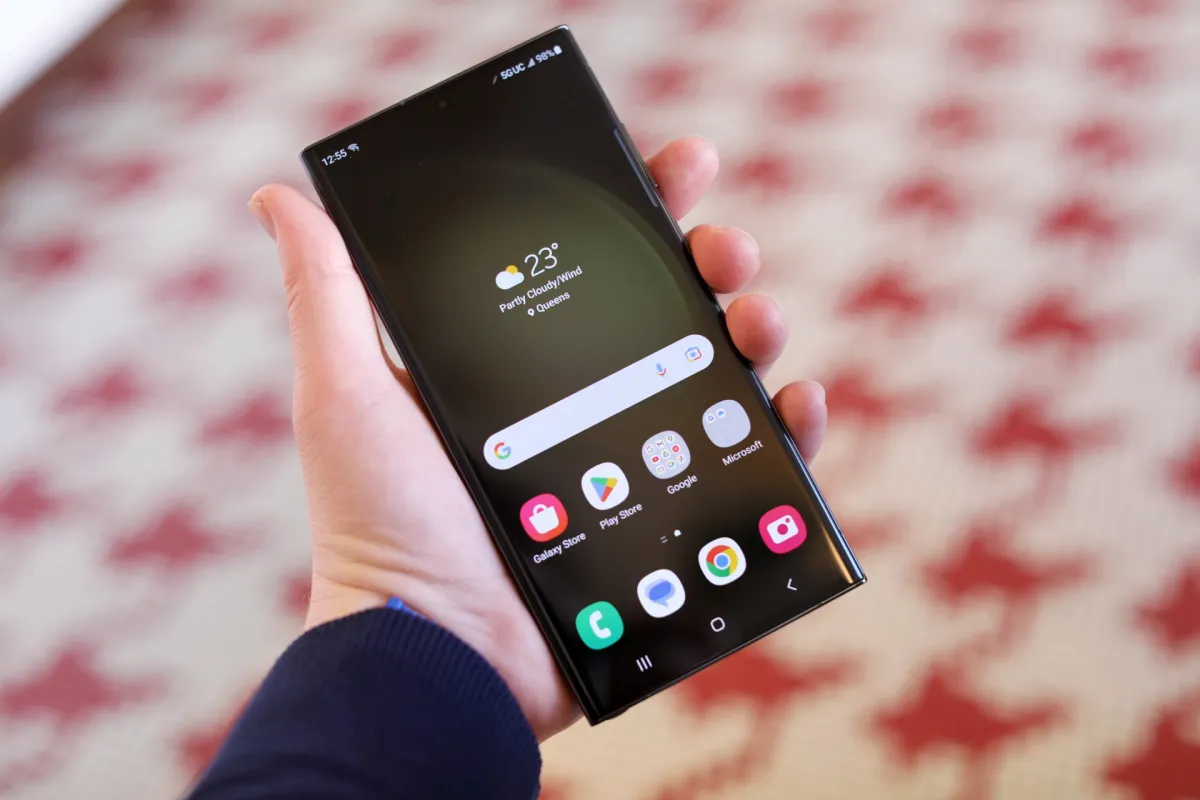
In the fast-paced world of smartphone innovation, Samsung continues to push the boundaries, this time with a fresh focus on privacy and security. The Korean tech giant recently announced that it is developing a revolutionary privacy feature for its upcoming Galaxy lineup, promising to operate “at a pixel level”. While details remain shrouded in mystery, industry insiders speculate that this new function will be unveiled at the upcoming Galaxy Unpacked event scheduled for late February. The tech world is abuzz with anticipation, knowing that Samsung’s latest move may significantly redefine the relationship between consumers and their devices.

The privacy enhancements slated for the Galaxy S26 series could represent a landmark moment in how smartphone companies address security concerns. Experts suggest that the new features will allow users to control their data with unprecedented precision—down to the pixel level. In an era where digital privacy is becoming an ongoing social debate, Samsung’s approach might set a new standard for transparency and user empowerment. Influencers and security analysts have noted that this shift underscores a pivotal trend: technology companies are no longer just competing on hardware specs or aesthetic appeal but are increasingly judged by their commitment to protecting user rights in an age of pervasive data collection.

Furthermore, this developments highlight a broader societal shift toward a more privacy-conscious culture. Millennials and Generation Z are becoming savvier about their digital footprints, demanding more control over how their data is used. As social influencers and thought leaders like Cameron Winklevoss and Shoshana Zuboff emphasize, the next wave of technological innovation must adopt a trust-first approach—a response to growing public skepticism and recent high-profile breaches. Samsung’s move appears to resonate with a societal desire for more transparent security measures, positioning the company not merely as a device manufacturer but as a protector of digital sovereignty.

  • Device-Level Security: Next-gen privacy features are expected to operate “at a pixel level,” giving users granular control over individual data points.
  • User Empowerment: The trend indicates a sweeping shift toward user-centric controls, echoing calls from privacy advocates for more transparent data practices.
  • Social Impact: As digital privacy becomes a social value, brands that prioritize user rights are poised to gain consumer trust and loyalty.

As we await the official reveal at Galaxy Unpacked, one question looms large: Will Samsung’s privacy leap catalyze a new standard across the industry? Or will other tech giants, lured by the promise of convenience, continue to sideline robust security for the sake of user experience? The next chapter in this digital privacy saga might define how society balances technological progress with civil liberties. It’s not just about the next phone model but whether our devices will truly become allies in the fight for personal privacy. The answer to this question could shape our digital lives for years to come—and the future of privacy remains an open frontier.

‘Landfall’ spyware exploits zero-day to target Samsung Galaxy devices

Emerging Threats in Mobile Security: The Landfall Android Spyware Disrupts Samsung Galaxy Ecosystem

In a significant development that underscores the vulnerabilities inherent in mobile hardware manufacturing and software ecosystems, security researchers at Palo Alto Networks’ Unit 42 have uncovered a sophisticated Android spyware named Landfall. This spyware, which targeted Samsung Galaxy phones in an extensive, nearly year-long hacking campaign, highlights the rapid pace of cyber-attack innovation and the critical importance of proactive security measures in the tech industry. The discovery points to the ongoing disruption within the mobile security landscape, with potential implications for global markets and enterprise security frameworks.

The Landfall spyware operated by exploiting a previously unknown security flaw in Samsung’s Android software—classified as a zero-day vulnerability—identified as CVE-2025-21042. Zero-day exploits are notorious for their ability to bypass traditional defenses because they leverage vulnerabilities that even the manufacturer is unaware of until they are actively exploited. The fact that Samsung did not have prior knowledge of the flaw until this threat emerged raises questions about the robustness of its security architecture, especially in an era where rapid patching is critical for maintaining consumer trust and product integrity. Although Samsung issued a patch in April 2025, the damage caused during the window of exposure exemplifies the risks associated with complex software supply chains and the need for advanced detection strategies.

What makes Landfall particularly disruptive is its geopolitical footprint, with infection samples uploaded from regions including Morocco, Iran, Iraq, and Turkey, which underscores the escalating nexus between cyber espionage and global geo-politics. The Turkish national cyber readiness team, USOM, identified suspicious activity stemming from associated IP addresses, suggesting targeted operations against specific populations or organizations. Moreover, the spyware’s code revealed targets within the Galaxy S22, S23, S24, and Z model series, spanning Android versions 13 through 15—indicative of an expansive vulnerability that affects a broad range of flagship devices. This targeted disruption signals a new wave of cyber actors leveraging zero-day flaws not just for espionage but potentially for more malicious intents such as data exfiltration or sabotage.

From a broader business and industry perspective, this incident underscores the urgent need for hardware manufacturers, software developers, and cybersecurity firms to innovate faster and implement disruptive security paradigms. Industry experts, including Gartner analysts and MIT cybersecurity scholars, stress that the traditional reactive approach to security vulnerabilities is no longer sufficient in a landscape dominated by sophisticated threat actors. This incident exemplifies a fundamental industry’s shift towards proactive, AI-driven, and disruption-ready cybersecurity solutions. Tech companies must integrate continuous monitoring, automated patching, and resilient architecture designs to disrupt emerging threats before they can exploit vulnerabilities at scale.

As global markets and consumers become increasingly dependent on mobile technology for critical operations, the security of devices like Samsung’s Galaxy series transforms from a technical detail into a strategic imperative. The Landfall espionage campaign offers a compelling warning: in an environment of relentless technological disruption, those who fail to innovate risk being left behind in the dust of cyber adversaries outpacing traditional defenses. Moving forward, industry leaders must prioritize revolutionary security strategies to safeguard their innovation pipelines and preserve user trust—because the future belongs to those who act with urgency and foresight in the face of an evolving cyber threat landscape.

Social Media Auto Publish Powered By : XYZScripts.com