

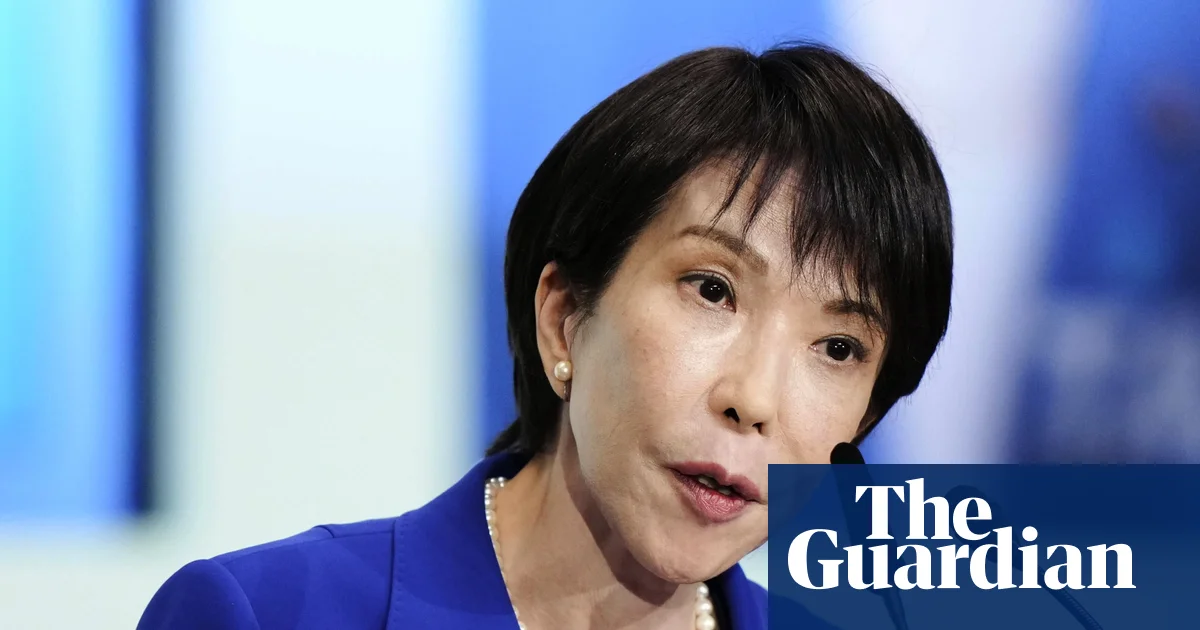
Japan stands on the cusp of a historic transformation as Sanae Takaichi emerges as the newly elected leader of the Liberal Democratic Party (LDP). This victory signals not only a significant change in the country’s political landscape but also signals Japan’s reassertion of national sovereignty amid shifting regional dynamics. As Takaichi is poised to become the nation’s first female prime minister, her rise is being watched with keen interest by global observers, policymakers, and security analysts eager to understand the implications for geopolitical stability.
In a political spectrum still anchored in tradition, Takaichi, a staunch right-wing politician, boldly champions policies inspired by Margaret Thatcher. Her election symbolizes a move toward a more assertive national posture, especially amidst escalating tensions in east Asia. Her rise follows a turbulent season for the LDP, which has experienced two decisive electoral defeats over recent months amid corruption scandals and voter dissatisfaction with its handling of economic issues. Despite this, her victory underscores the resilience of Japan’s conservative forces, which remain central to shaping the country’s future direction. Analysts from Tokyo to Washington see her as a leader capable of unifying a fractured party and restoring Japan’s standing as a formidable international power.
The regional security environment has become increasingly volatile. China, Russia, and North Korea continue to challenge Japan’s territorial integrity and strategic interests, necessitating a firm and resolute stance from Tokyo. Takaichi’s foreign policy approach is likely to be hawkish, emphasizing a robust defense posture and multilateral alliances, particularly with the United States. Her firm stance on migration and social policy reflects the country’s ongoing debate over cultural integration and national identity, addressing concerns among younger voters and conservatives alike. With the prospect of Donald Trump’s imminent visit to Japan, the potential recalibration of U.S.-Japan relations looms large, with implications for regional alliances and economic commitments. The decisions made this year will determine whether Japan can assert itself in a world increasingly characterized by unpredictable power shifts.
- Her immediate challenge will be to forge party unity after years of scandal and electoral losses, necessitating strategic reforms that appeal to both traditionalists and newer generations.
- Securing public support will also require addressing economic concerns, notably the cost-of-living crisis that has eroded confidence in the ruling establishment.
- Geopolitical stability in east Asia will hinge on her ability to balance assertiveness against diplomacy, especially as North Korea’s missile tests and China’s maritime assertiveness threaten regional peace.
In the broader context, Takaichi’s ascendancy is a reflection of Japan’s ongoing internal debate over its identity, sovereignty, and role within the global order. Historians such as Ian Buruma warn that the country’s inability to fully embrace gender equality has hampered its political and societal progress. Yet her victory signals a potential shift—perhaps a rekindling of Japan’s national spirit in standing firm against regional pressures. As the world watches, the unfolding chapters of Japan’s re-emergence could redefine the balance of power in east Asia — a continent where the boundaries of diplomacy and military strength are constantly tested. The path forward remains fraught with peril, and as history writes itself anew, the true impact of these decisions will only be measured in the generations to come. The shadow of past wars, historic alliances, and emerging threats looms large, reminding us that the dawn of a new leadership in Japan is not just a political event—it is a moment that could alter the course of history itself.
















