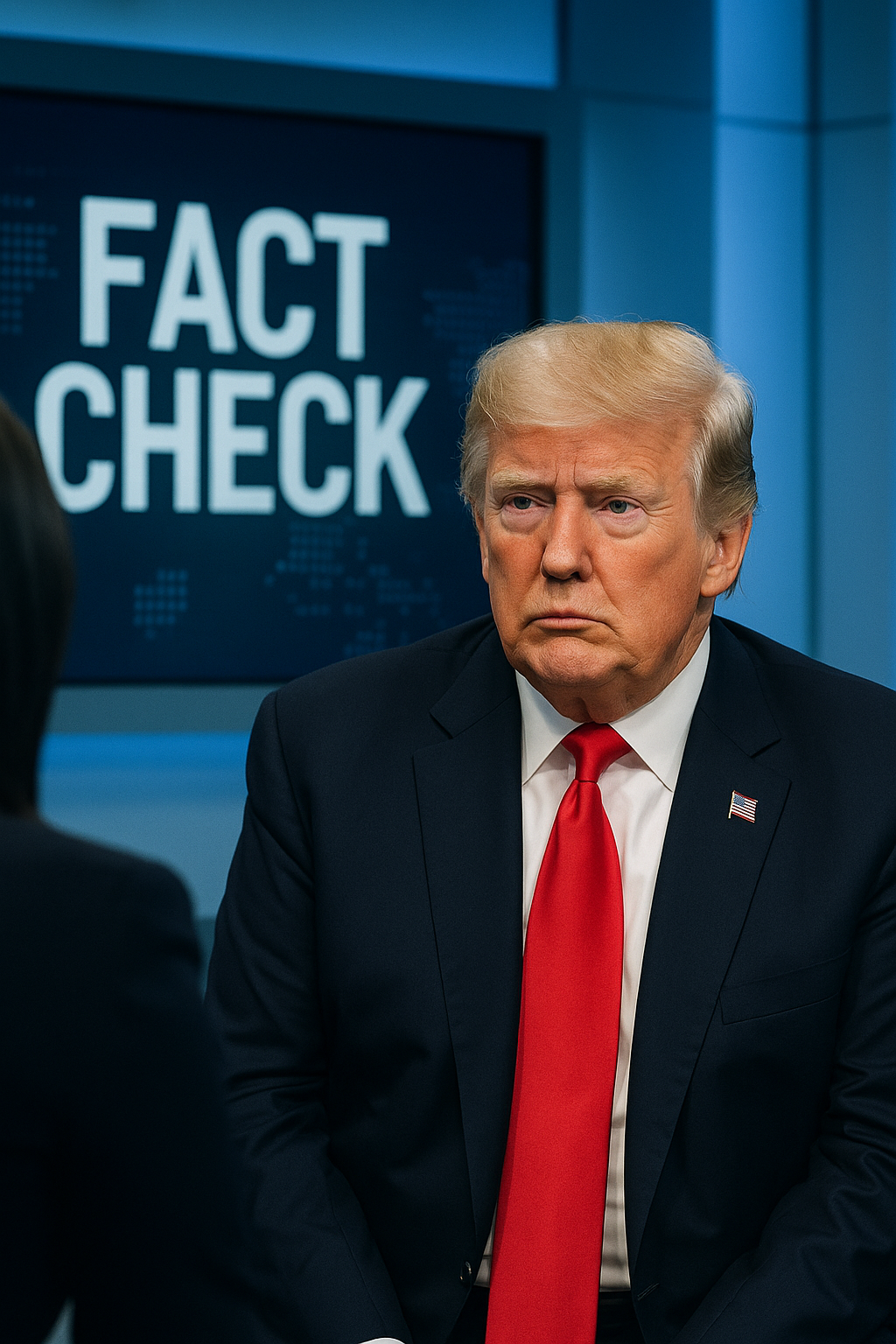
Unpacking the Truth: Project 2025, Social Safety Nets, and Public Policy Changes
In recent discourse surrounding Project 2025, critics have claimed that it advocates for deep cuts to crucial social safety net programs such as Medicare, Medicaid, Head Start, and SNAP. These assertions, often amplified by political opponents, merit close examination rooted in factual evidence and expert analysis.
First, the claim that Project 2025 labels Medicare and Medicaid as “runaway entitlements” requiring “reform” is based on a document that discusses these programs as significant drivers of U.S. deficits. The document does refer to Medicaid as a “cumbersome, complicated, and unaffordable burden,” criticizing its expansive structure and funding mechanism. However, the phrase “runaway entitlement” is a characterization, not a policy prescription advocating for immediate cuts. It’s vital to understand that the document identifies these programs’ costs as challenges for fiscal sustainability but also proposes targeted reforms, such as work requirements and structural adjustments, rather than wholesale elimination.
Medicare and Medicaid: What Has Changed?
- While President Trump has not proposed eliminating Medicare, the recent law expands work requirements for Medicaid recipients, which critics argue could result in reduced coverage. Experts like Gerard Anderson from Johns Hopkins emphasize that such policy shifts may restrict access for vulnerable populations.
- The claim that Trump’s administration would cut Medicare benefits or eliminate Head Start is misleading. Trump’s policies have targeted Medicaid and housing assistance, but Medicare remains largely unaffected in terms of benefits. However, recent legislation restricts eligibility for noncitizens, which is seen by some as a movement toward limiting access, though this does not equate to cutting existing Medicare benefits for citizens.
Reforms to SNAP and Housing Programs
- Regarding SNAP, critics assert that new work requirements will significantly reduce benefits. In reality, legislation signed into law in 2023 strengthens work rules but also exempts certain vulnerable groups such as veterans, pregnant women, and those with disabilities. The Congressional Budget Office estimates that around 2.4 million fewer individuals will receive benefits, primarily due to expanded work mandates and tightened waivers, not arbitrary benefit cuts.
- Similarly, the proposed overhaul of HUD rental assistance programs involves consolidations and budget reductions, but policies like the State Rental Assistance Block Grant would still support millions of households. Although some programs face cuts, the actual impact varies by state, with many existing programs continuing subject to federal and congressional funding decisions.
Truth About Proposed and Implemented Changes
Critics often cite that Trump’s policies would eliminate or cut Head Start and other early childhood programs. The evidence shows that, while some proposed budgets suggested reductions or restructuring, Head Start funding has generally remained steady mid-term, and existing programs continue to serve hundreds of thousands of children. The administration’s proposed elimination of Head Start in certain budgets was not finalized into law.
Finally, the narrative that these policies are designed to dismantle social safety nets is misleading. Many reforms aim at reducing waste, increasing efficiency, and applying work incentives. The intent, as stated by officials, is to encourage self-sufficiency for able-bodied recipients while protecting vulnerable groups through exemptions and safeguards.
In conclusion, understanding the details behind these policy changes reveals a complex picture that is often oversimplified in political debates. Facts and expert analyses underscore that while programs like Medicaid, SNAP, and housing assistance are targeted for reforms, they are not being abolished outright. Responsible policymaking—grounded in verifiable data—is vital to maintaining a robust social safety net that supports those in genuine need. A democratic society depends on transparency, accountability, and truth. Only through diligent investigation and truthfulness can citizens make informed choices and uphold the trust essential to American democracy.