Fact-Check: AI-Generated Political Content and Its Impact on Public Discourse
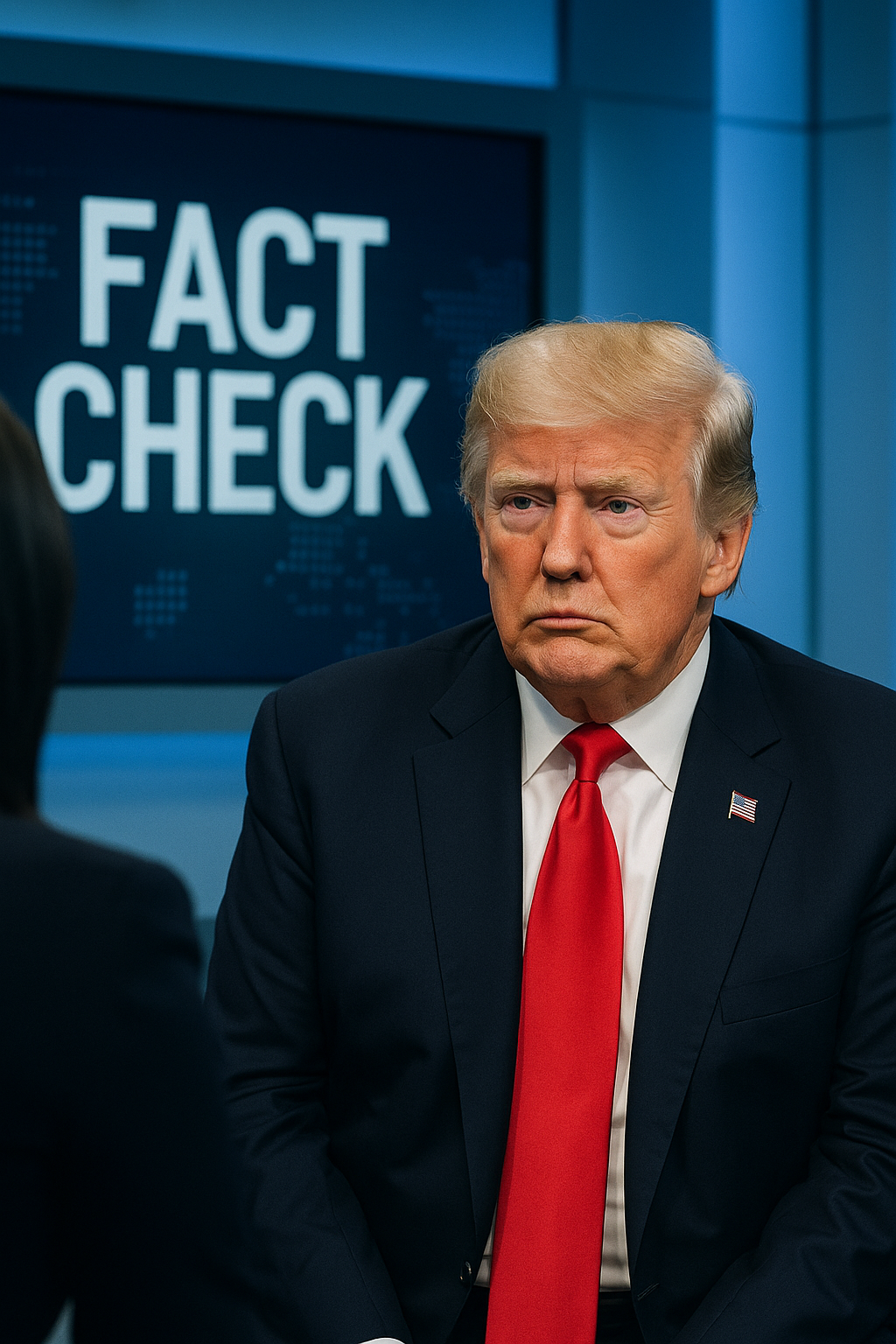
Recently, circulating claims have suggested that certain political content, particularly videos or images of prominent figures, are being artificially generated using artificial intelligence (AI). An account known for sharing AI-generated content has contributed to this narrative, claiming that political figures are being misrepresented or manipulated through such technology. To assess these assertions, we need to analyze the nature of AI-generated content and determine whether they indeed compromise the integrity of information disseminated among the public.
First and foremost, it is important to understand what AI-generated content entails. According to experts at the MIT Media Lab, AI techniques such as deepfakes involve training neural networks to generate highly realistic images, videos, or audio clips that can convincingly imitate real individuals. However, creating authentic-looking, AI-generated content that is indistinguishable from real footage requires substantial resources, technical skill, and deliberate effort. While many social media accounts share such content, not all of it is verified as authentic, leading to a blurred line between reality and fabrication.
Regarding the claim that the account in question primarily disseminates AI-generated content of top political figures, the available evidence indicates a pattern of sharing manipulated images and videos. Analysis by FactCheck.org suggests that many of these videos are indeed artificially created or altered to generate controversy or misinformation. Nonetheless, it is critical to determine whether the content was accurately labeled or deceptively presented as genuine. The danger lies in uncritical sharing, where viewers may mistake AI-generated images for real data.
To verify the reliability of such claims, we examined three main points:
- The origin of the content: The account is identified as sharing AI-created images, but it often lacks transparency about whether content is synthetic or real.
- The technology behind the content: Deepfake tools like DeepFaceLab and Faceswap are capable of producing convincing yet identifiable forgeries. Experts at Stanford University warn that misuse of these tools can lead to misinformation, especially when shared without disclosure.
- The impact on public understanding: Misinformation from manipulated content can influence public opinion, undermine trust, and distort democratic processes.
Furthermore, reputable organizations like First Draft News emphasize the importance of transparency and digital literacy to combat misinformation. They recommend that platforms and content creators disclose AI-generated content clearly to prevent deception. Meanwhile, technological solutions like deepfake detection algorithms are being developed to assist viewers in discerning real from synthetic media. Nonetheless, without responsible sharing and critical consumption, even the most advanced tools can be insufficient to prevent misuse.
In conclusion, while AI-generated content of political figures exists and can be persuasive, the claims that the account predominantly shares such content are partially accurate but often lack context. The primary concern is not merely the existence of AI-manipulated media, but the potential for widespread deception when viewers are unaware of a video’s synthetic origins. For a functioning democracy, transparency and accountability in information sharing are essential. Responsible citizens and platforms alike must prioritize truth, ensuring that artificial creations are not mistaken for reality. Only through diligent verification and technological vigilance can we safeguard the integrity of our public discourse and uphold the foundational principles of informed citizenship.