Valve Unveils Groundbreaking Features in New SteamOS Update: A Disruptive Leap for Gaming Hardware
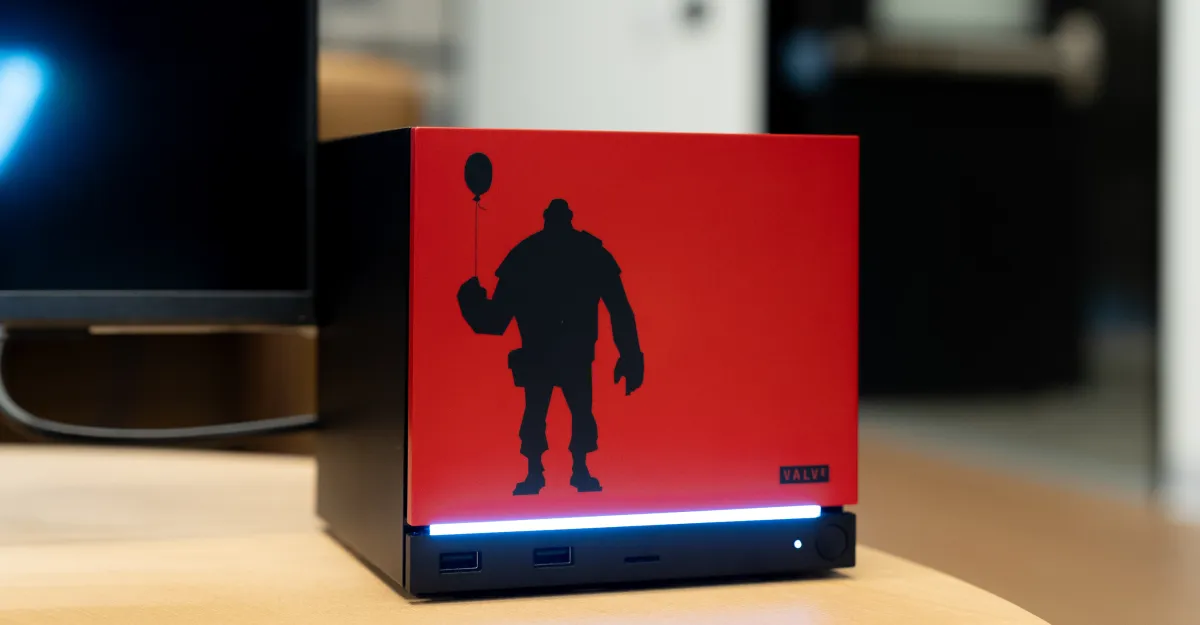
In a move that underscores the accelerating pace of innovation in gaming hardware, Valve has rolled out an extensive update to its SteamOS platform, presenting a clear challenge to entrenched industry norms. The latest release not only enhances the capabilities of its flagship Steam Deck but also signals disruptive potential across gaming and consumer electronics markets. This strategic move positions Valve at the forefront of gaming activism, leveraging software innovation to extend hardware relevance and forge a multi-platform ecosystem.
Key to this update is the introduction of genuine hibernation modes—specifically, “memory power down” states for the Steam Deck, which promise to significantly improve battery efficiency and user experience. While some Windows-based devices currently outperform the Steam Deck in sleep longevity, Valve’s adoption of these power management features indicates a bold step toward mobile power efficiency. Furthermore, the upgrade includes expanded support for a broad array of handhelds, including models from Microsoft, Asus, Lenovo, OneXPlayer, and others, effectively creating a broad-based platform for hardware interoperability. This level of support was previously limited and positions Valve as a standard-setter”, fostering a competitive landscape that could reshape consumer expectations on versatility and user control.
Strategically, Valve’s focus is not solely hardware-centric; the company is embedding software innovations that influence the business models of gaming. Features like Bluetooth microphone support and HDMI surround sound detection adapt the Steam Deck into a seamless multimedia hub, eroding traditional boundaries between gaming, entertainment, and productivity devices. This aligns closely with predictions from industry analysts at Gartner, who stress that integrated ecosystems are increasingly shaping consumer preferences, forcing competitors to innovate or cede market share. The comprehensive improvements in graphics drivers, system infrastructure, and video memory management further empower developers and hardware manufacturers to push creative boundaries, thus enabling disruption of incumbent giants like Sony and Microsoft.
Perhaps the most audacious aspect of Valve’s update involves the broad “Non-Deck” hardware support initiatives. Long-pressing power buttons to manage devices, enabling processor power mode changes, and refining color and night modes on AMD Z2 handhelds all reveal a philosophy of software-driven hardware universality. Such features hint at a future where software flexibility becomes the key battlefield for competitive advantage, echoing insights from tech luminaries like Elon Musk, who advocate for software-defined hardware ecosystems. This move could catalyze a wave of innovation, forcing established console and PC vendors to rethink their strategies, with next-generation platforms poised to blur the lines that previously defined gaming sectors.
Looking forward, this meticulously crafted update from Valve signifies more than incremental improvements; it marks a strategic inflection point in a rapidly shifting landscape. As industry leaders like Peter Thiel emphasize, disruption comes from those who leverage innovation to redefine markets. Valve’s emphasis on power efficiency, broad hardware support, and integrated multimedia capabilities signals a downward pressuring force on traditional console and PC manufacturers. With the advent of such flexible, software-driven devices, the future will belong to those who innovate swiftly and decisively—an urgent call for established players to accelerate their own disruptive efforts to stay relevant amidst the digital revolution unfolding before our eyes.