Revolutionizing the Meal Kit Industry: Tovala’s Disruptive Innovation
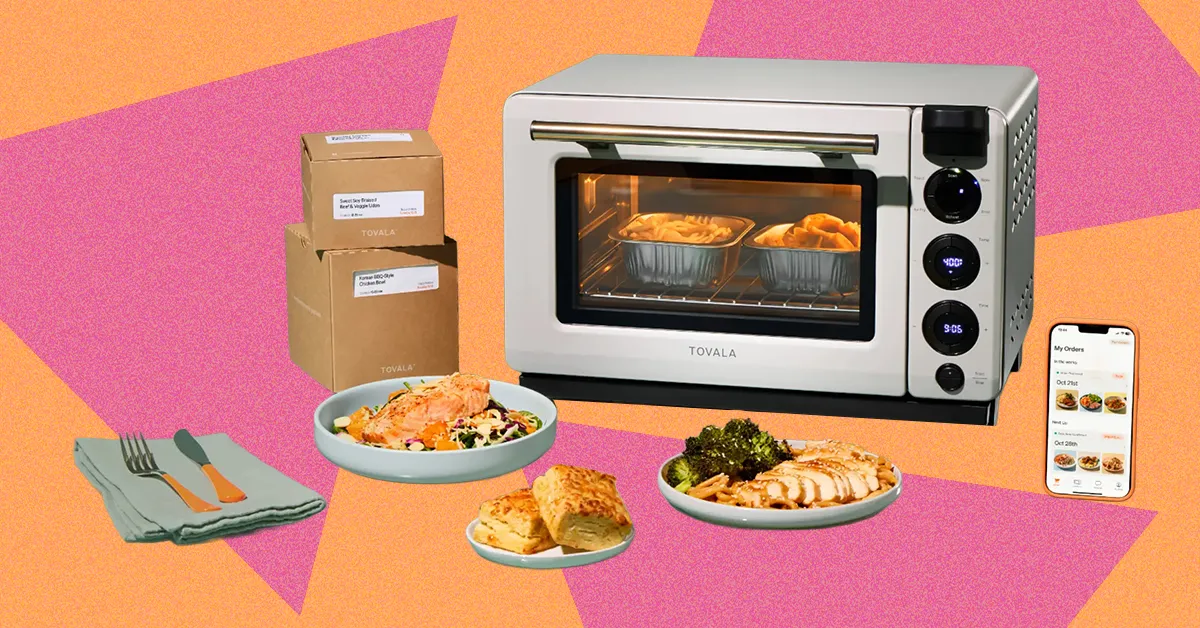
In an era driven by rapid technological innovation, Tovala emerges as a key player transforming the meal delivery and kitchen appliance landscape. Combining automated meal kits with a smart countertop oven, Tovala exemplifies how integration of hardware and software can redefine consumer convenience and business models. This approach signals a broader shift towards disruption of traditional food services, leveraging automation, data-driven menu customization, and cutting-edge appliance design.
Particularly noteworthy is Tovala’s innovation in automated meal preparation. Its oven, endowed with precise temperature control, steaming capabilities, and an intuitive app, exemplifies how smart kitchen technology is shifting the boundaries of home cooking. Unlike conventional ovens, Tovala’s device offers programmed recipes that simplify complex cooking tasks, cutting down preparation time while maintaining quality. The integration of AI algorithms with user preferences and nutritional data forecasts a future where personalized, instant meal creation will become commonplace, potentially disrupting food industry giants and traditional grocery chains.
Implications for Business and Industry Disruption
By offering a combination of subscription meal kits, automated cooking, and a scalable appliance platform, Tovala represents a new business paradigm—one focused on customer-centric, data-driven product development. Its weekly offering of 45+ meal options, coupled with innovative features such as gluten-conscious choices and lab-tested safety, illustrates an adaptive model that caters to diverse consumer needs. Experts from Gartner highlight that such integrations foster *entry barriers* for incumbents, as their reliance on traditional supply chains and brick-and-mortar outlets may become less relevant in a landscape favoring personalized, on-demand solutions.
Beyond consumer convenience, Tovala’s model exemplifies a broader trend of disruption in the food tech space. Automation and AI-driven personalization are set to challenge established food service players and grocery giants, who may be forced to adopt similar smart technologies or face obsolescence. Industry analysts warn that this shift underscores a market transformation where agility and innovation are essential for survival. Startups like Tovala are leveraging hardware-software synergy to craft a competitive edge, in line with visions articulated by industry leaders such as Elon Musk and Peter Thiel, who emphasize the importance of integrating disruption and innovation across value chains.
The Future of Smart Kitchens and Market Dynamics
Looking forward, the widespread adoption of such disruptive kitchen technologies portends an accelerated shift towards fully integrated smart kitchens. As MIT researchers highlight, future kitchens could become autonomous ecosystems, capable of precisely managing nutrition, waste, and energy consumption. For entrepreneurs and investors, the message is clear: prioritize innovation now. The companies that succeed will be those who harness data, AI, and hardware integration to deliver consumer experiences that are more personalized, efficient, and scalable than ever before.
In conclusion, Tovala’s approach signals an urgent call to industry incumbents: the time for complacency is over. As the lines between hardware, software, and food technology blur, the winners will be agile companies able to disrupt the conventional food-service model. For young entrepreneurs and investors alike, recognizing this convergence offers immense opportunities—but only if innovation is embraced with urgency and a clear eye on future market shifts.