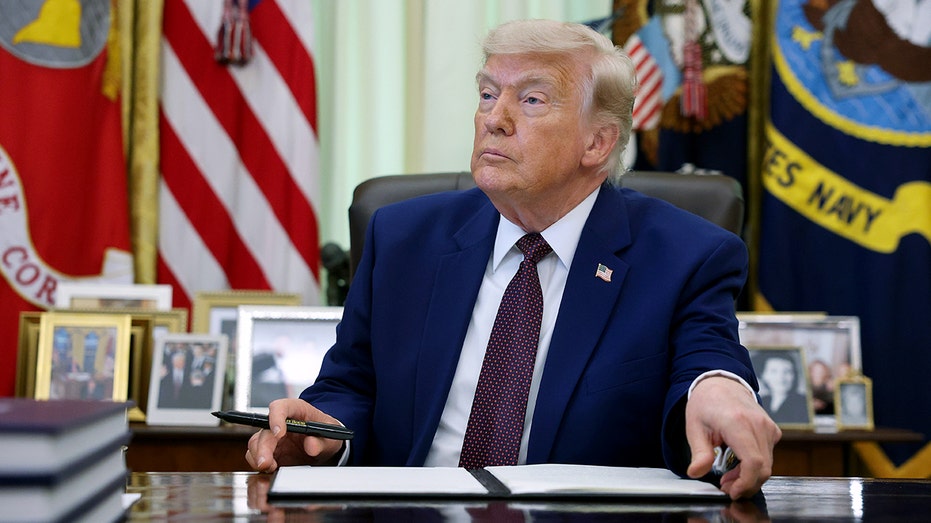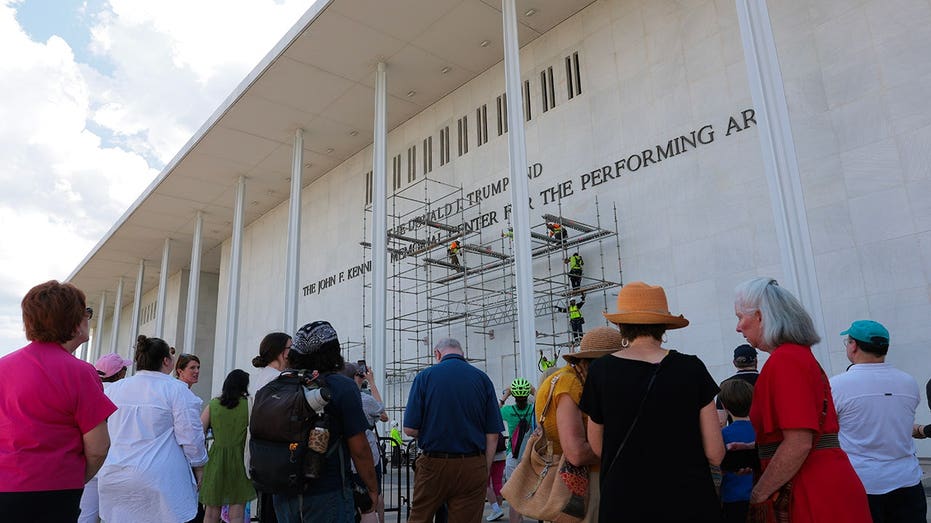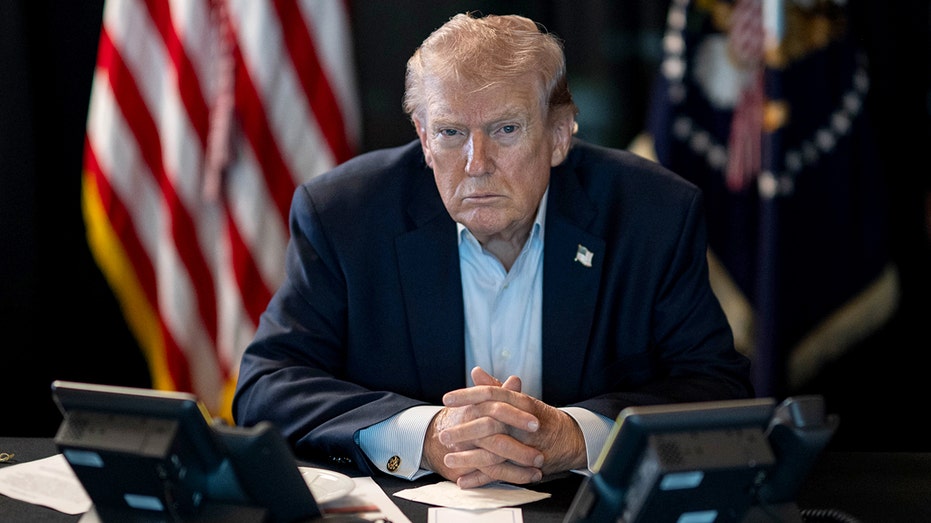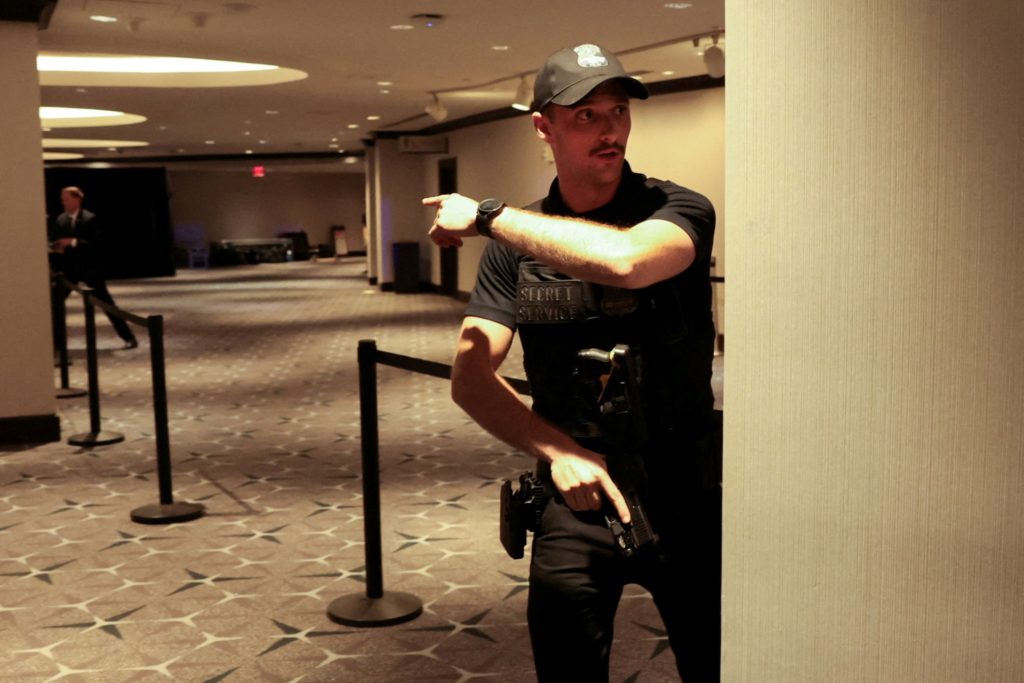
The recent security breach at the White House Correspondents’ Dinner has ignited a fierce debate on the robustness of protective measures around the nation’s highest office. The disturbing footage released by the Justice Department depicts an armed individual bypassing security protocols and storming past guards, an event that exposes serious vulnerabilities in the security apparatus tasked with safeguarding the Commander-in-Chief. This breach, occurring at a symbolically significant event, underscores the persistent power struggles between security agencies and political agendas, reminding us that in the terrain of national security, no institution is infallible.
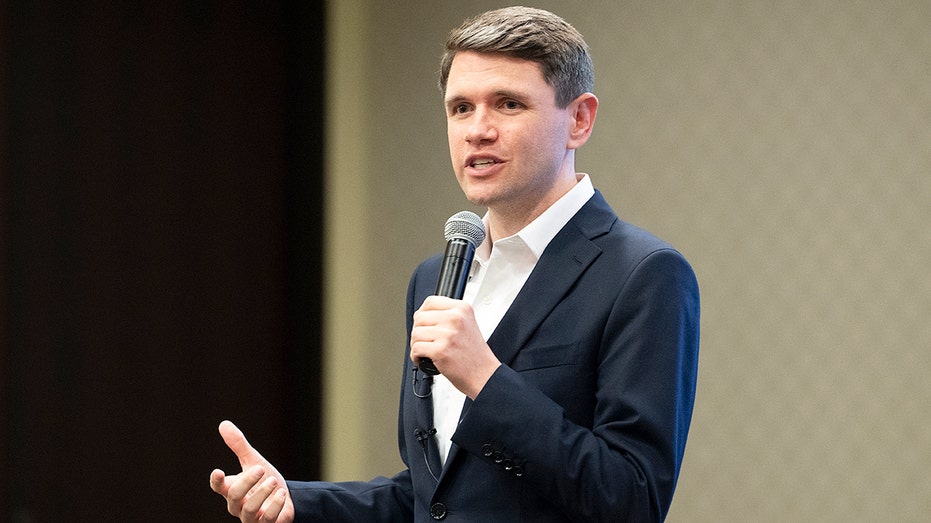
Security experts and political analysts are quick to analyze the incident’s implications concerning how decisions shape the people’s confidence in leadership. As Juliette Kayyem of the Homeland Security Project at Harvard Kennedy School emphasizes, such lapses reveal the need for rigorous reforms in protocol, particularly at venues where history and risk intersect. Critics argue that the breach underscores a broader trend—a decline in vigilance amidst rising political polarization and ideological conflicts that distract from core security responsibilities. The incident can be viewed as a concrete example of the ongoing struggle for supremacy between security priorities and political spectacle, a contest that defines the limits of authority in contemporary governance.
Throughout history, echoes of similar vulnerabilities burst onto the national stage, prompting fundamental questions about who holds power and how institutions adapt to rising threats. Influential theorists such as Carl Schmitt have long warned of the decisionist moment: a point where crisis accelerates the concentration of power within executive authority, often leading to questionable expansions of state power or lapses in democratic accountability. In this tense environment, the current security failure could catalyze calls for bold reforms or even shifts in constitutional understanding—debates that threaten to redefine the balance of power between the presidency, security apparatus, and the citizenry. Yet, amid this chaos, the overarching question remains: who truly governs the narrative, and whose safety is prioritized?
As the nation observes the unfolding fallout, one thing becomes clear: politics is not merely a game but a stage where the fate of collective destiny is scripted. Whether through reforms, policy shifts, or institutional reconfigurations, what happens next will determine how future threats are confronted and who ultimately bears responsibility. When security collapses at such a high-profile event, it signals that the battle for America’s soul—whether through policy, power, or principle—continues unabated. To understand this event is to understand that in the arena of politics, the stakes are eternally existential, for history favors those who grasp that the decisions made today carve the foundations for the world of tomorrow.