Matox News

Truth Over Trends, always!

Hearing set for suspect in White House dinner shooting—U.S. politics update for young conservatives

Geopolitical Shifts and Domestic Turmoil Weave a Complex Tapestry of Global Uncertainty

In recent weeks, international politics has been characterized by tumultuous shifts that threaten to redefine the global order. The Biden administration’s efforts to tighten sanctions on Russia amid the Ukraine conflict mark a decisive moment that echoes Cold War tensions, drawing stark lines between Western alliances and Moscow’s expanding influence. Analysts from the Council on Foreign Relations warn that these measures, while aimed at curbing Moscow’s military ambitions, risk escalating into a broader confrontation that could destabilize Eurasia’s fragile peace. Meanwhile, Beijing’s assertive posture in the South China Sea, coupled with increased military patrols, signifies a strategic push to cement China’s claims over critical maritime routes, igniting concerns over how rising nationalism in Asia will influence future diplomatic negotiations.

On the diplomatic front, the United Nations faces mounting pressures from the Trump administration, which continues to leverage its influence to steer global aid policies towards trade-centric models. Recent U.S. diplomacy circulated in Geneva and New York reveals a deliberate push to prioritize private investment over traditional development aid—a move that critics argue undermines decades of international cooperation and risks leaving vulnerable populations in peril. This strategy, under the guise of fostering free markets, is believed by many to be a calculated attempt to manipulate international organizations and reshape global aid in favor of U.S. corporate interests, exacerbating existing inequalities and threatening the credibility of institutions meant to support peace and development.

Meanwhile, domestic unrest in the U.S. continues to ripple across its political landscape. The recent incident involving a would-be assassin attempting to target President Donald Trump at a high-profile event has reignited debates about security and political stability. The suspect, Cole Allen, is accused of arming himself with multiple weapons and launching an attack on a Secret Service checkpoint, an event that exposed vulnerabilities in U.S. security protocols. As Allen faces a series of federal charges, including attempted assassination, the incident underscores the volatile mix of ideological extremism and political polarization that now defines much of America’s internal discourse. Historians warn that such divides, if left unchecked, risk a descent into chaos reminiscent of historic insurrections that challenged the fabric of democracies.

Globally, the impact of these intertwined developments bears heavily on the geostrategic fabric. Famous geopolitical analysts highlight that the Biden administration’s push to reassert U.S. dominance abroad, combined with China’s assertiveness and Russia’s defiance, could ignite a new Cold War-era standoff. Meanwhile, the economic fallout—particularly the global oil crisis triggered by conflict in the Middle East—has sent prices soaring, creating a perfect storm that threatens to plunge many nations into recession. The political fallout in the U.S., with its declining approval ratings and internal struggles within its military and intelligence communities, reflects a nation grappling with its own identity and path forward. As President Trump’s controversial policies unfold, including efforts to centralize voter data and exert control over domestic elections, critics warn of an alarming erosion of democratic norms—foreshadowing how the erosion of constitutional safeguards could alter the American landscape forever.

In this tense tableau, the unfolding chapters of history remain unwritten, poised on the edge of chaos and resilience. Each decision at the intersection of diplomacy, domestic policy, and military strategy carries the weight of generations. The world watches as nations forge their trajectories—where alliances are tested, societies divided, and the relentless march of history threatens to devour the fragile hope of a peaceful future. The question remains: how will the emerging narrative shape the destiny of nations in this fragile epoch? The answer, as always, lies in the decisions of leaders and the silent, gathering storm of history’s relentless tide.
New footage of Correspondents’ Dinner shooting sparks security concerns for president

The recent security breach at the White House Correspondents’ Dinner has ignited a fierce debate on the robustness of protective measures around the nation’s highest office. The disturbing footage released by the Justice Department depicts an armed individual bypassing security protocols and storming past guards, an event that exposes serious vulnerabilities in the security apparatus tasked with safeguarding the Commander-in-Chief. This breach, occurring at a symbolically significant event, underscores the persistent power struggles between security agencies and political agendas, reminding us that in the terrain of national security, no institution is infallible.

Security experts and political analysts are quick to analyze the incident’s implications concerning how decisions shape the people’s confidence in leadership. As Juliette Kayyem of the Homeland Security Project at Harvard Kennedy School emphasizes, such lapses reveal the need for rigorous reforms in protocol, particularly at venues where history and risk intersect. Critics argue that the breach underscores a broader trend—a decline in vigilance amidst rising political polarization and ideological conflicts that distract from core security responsibilities. The incident can be viewed as a concrete example of the ongoing struggle for supremacy between security priorities and political spectacle, a contest that defines the limits of authority in contemporary governance.

Throughout history, echoes of similar vulnerabilities burst onto the national stage, prompting fundamental questions about who holds power and how institutions adapt to rising threats. Influential theorists such as Carl Schmitt have long warned of the decisionist moment: a point where crisis accelerates the concentration of power within executive authority, often leading to questionable expansions of state power or lapses in democratic accountability. In this tense environment, the current security failure could catalyze calls for bold reforms or even shifts in constitutional understanding—debates that threaten to redefine the balance of power between the presidency, security apparatus, and the citizenry. Yet, amid this chaos, the overarching question remains: who truly governs the narrative, and whose safety is prioritized?

As the nation observes the unfolding fallout, one thing becomes clear: politics is not merely a game but a stage where the fate of collective destiny is scripted. Whether through reforms, policy shifts, or institutional reconfigurations, what happens next will determine how future threats are confronted and who ultimately bears responsibility. When security collapses at such a high-profile event, it signals that the battle for America’s soul—whether through policy, power, or principle—continues unabated. To understand this event is to understand that in the arena of politics, the stakes are eternally existential, for history favors those who grasp that the decisions made today carve the foundations for the world of tomorrow.

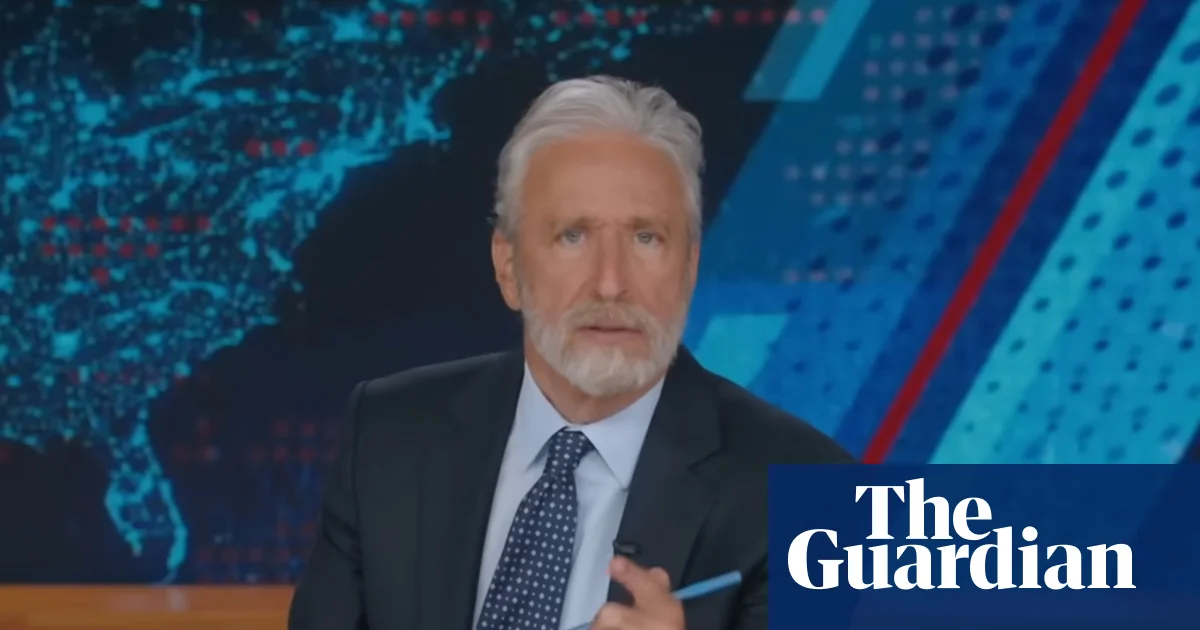
Jon Stewart Critiques White House Correspondents’ Dinner: ‘It’s a Reflection of a Broader Dysfunction’ | Late-night TV Insights

In an era increasingly dominated by spectacle and superficiality, the role of culture as the bedrock of identity, tradition, and societal continuity remains more vital than ever. Recent events surrounding the White House Correspondents’ Dinner and the tragic violence that marred its latest edition serve as stark reminders of the fragile fabric of modern civic life. As late-night hosts like Jon Stewart, Jimmy Kimmel, and Seth Meyers dissected the chaos, a deeper question emerges: in a society inundated with noise and distraction, how do we preserve the enduring values that underpin our civilization? Culture, after all, is neither merely entertainment nor noise—it is the collective memory that shapes our identity while acting as a prophecy of our future.

This incident, like the historical parallels of societal upheaval and moral decay, underscores the importance of tradition and cultural continuity in safeguarding moral and social order. As Ortega y Gasset observed, “A society without tradition is like a ship without a compass”—drifting aimlessly amidst tumult and uncertainty. The spectacle of political violence, whether at a dinner meant for discourse or in the streets, reveals a crisis of shared cultural values. It is a testament to the erosion of civility and the atrophy of what Chesterton called the dignity of common things. Such erosion poses a threat not just to public safety but to the very sense of identity that binds a nation together, challenging the very foundation of our social contract.

Yet, amid the chaos, a cultural resilience persists, articulated through the sharp wit of these modern custodians of culture. Stewart’s biting commentary, pointing out the absurdity of a “militarily top secret ballroom,” echoes the skepticism of Tocqueville, who warned of the dangers of the cult of innovation disconnected from rooted tradition. It compels us to ask: what is the moral ballast that keeps society afloat? As T.S. Eliot famously noted, “The past is never dead; it’s not even past.” Our cultural memory, with all its moral and philosophical lessons, must be the guiding light in reevaluating the present and shaping the future. The true role of culture is not merely to entertain but to instruct, to preserve the inheritance of those who came before while prophecying the legacy we will leave behind.

In this moment of upheaval and reflection, then, we are called not to despair but to recognize that our cultural traditions are the blueprint of enduring society. They serve as both memory—anchoring us in the moral truths of our history—and prophecy—a guiding vision of what humanity can aspire to. As Chesterton believed, true culture is a defense of human dignity; it is the vessel through which we understand ourselves and our collective destiny. Humanity’s true progress lies not in the fleeting spectacle that captures headlines but in the cultivation of a civilization rooted in timeless virtues, capable of weathering the storms of chaos. Ultimately, culture is both the mirror and the forecast—reflecting our deepest truths and revealing the horizons of human hope in the perpetual dance between memory and prophecy.

Suspect Arrested After Attempted Attack on Trump at White House Correspondents’ Dinner

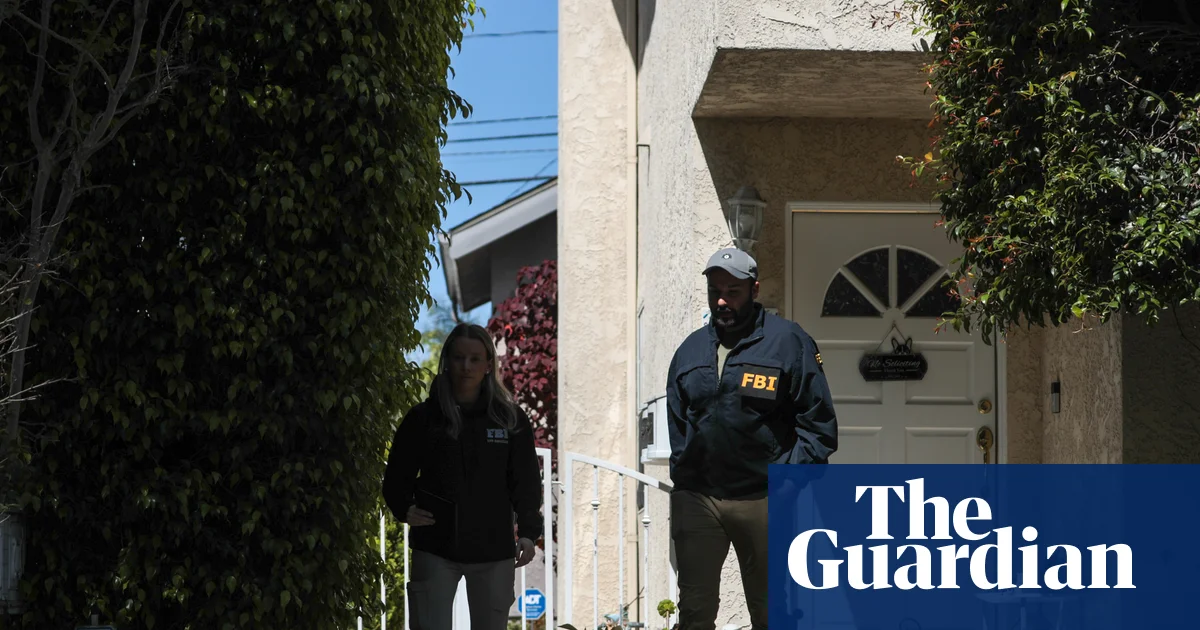
In a dramatic turn of events, a man identified as Cole Tomas Allen, aged 31 from Torrance, California, attempted to storm the White House correspondents’ dinner this past weekend, culminating in a series of charges that threaten to reshape domestic security policies and highlight ongoing vulnerabilities across the United States. Accused of attempting to assassinate the president, Allen’s audacious plan — which involved traveling across multiple states with weapons in tow — underscores a disturbingly blurred line between political extremism and targeted violence in America’s current climate.

Conditions surrounding the incident reveal a deeply troubling internal debate about security lapses and the efficacy of law enforcement. Allen, who carried a 12-gauge shotgun, a pistol, and three knives, was reportedly motivated by a manifesto that expressed hatred for multiple administration officials. According to authorities, his travel from California to Washington, D.C., was meticulously planned, with investigators uncovering recent purchases of firearms that matched what was seized after he was subdued outside the hotel ballroom where the dinner was held. The incident’s escalation from mere threat to attempted violence provoked fierce reactions from political leaders, with many emphasizing that the threat to national leaders remains persistent and real.

Global analysts and organizations have responded swiftly, with NATO and INTERPOL issuing statements that reflect concern over domestic instabilities manifesting through violence that could spill over borders. While the FBI and Justice Department continue their investigation, the incident raises broader questions about how both domestic and international societies assess and respond to rising threats of violence inside democracies. Many fear this event signals a possible shift towards a more volatile era, where political extremism is normalized and violence becomes a tool to express dissent or settle scores.

Commentators from across the political spectrum warn that unchecked radicalization and misinformation foster environments where lone actors like Allen feel empowered—an ominous signal for the stability of democratic institutions worldwide. Unlike previous incidents that involved systematic assaults or organized terrorism, this attack underscores the danger posed even by lone wolves acting without direct state or terrorist organization backing. The World Security Council emphasizes that such acts threaten not only the individuals targeted but also the societal foundations of rule of law.

As the dust settles, history watches with wary eyes. The weight of the moment compels a reflection on the resilience of American democracy amidst relentless threats of violence. With Allen’s arrest marking but one chapter in a larger story, the question remains: how will nations guard their leaders and safeguard their societies against such unpredictable shadows lurking within? The pages of history are still being written, and the world must brace itself—for the true impact of this event lies not just in the immediate fallout but in the shadowy future of an era unbound by conventional boundaries of peace and order.

Authorities suggest Trump and officials were likely targets in press dinner shooting suspect’s sights

Global Power Dynamics Shift as U.S. Politics Enter Turbulent Waters

The recent public spat between former President Donald Trump and journalist Norah O’Donnell on 60 Minutes underscores a broader turbulence in American political discourse, with potential repercussions that extend well beyond U.S. borders. While the quarrel seemed localized to domestic media, it echoes a mounting global concern: the fragility of U.S. leadership amid internal discord, which can have profound geopolitical consequences. As international allies and adversaries alike watch for signs of internal fracture, the stability of the world’s superpower appears increasingly uncertain.

Analysts suggest that Trump’s defensiveness and accusations of misconduct during the interview are symptomatic of a broader political crisis within America. This internal strife could influence how the U.S. interacts on the global stage, particularly in matters of security, diplomacy, and economic policy. For emerging powers seeking influence or challenging the established order, such instability offers an opening. Historians caution that domestic discrediting of leaders and dysfunction can be exploited by geopolitical competitors, such as China and Russia, to extend their spheres of influence while the U.S. grapples with its internal divisions.

Meanwhile, international organizations keenly observe this tumult, with many warning that Washington’s internal misfortunes threaten to undermine shared global initiatives. The United Nations, for instance, has repeatedly emphasized the importance of political stability in maintaining international peace and security. As the debates around leadership, integrity, and national character escalate in the U.S., other nations are forced to recalibrate their strategies. Moving forward, the decision whether to engage with a nation seemingly embroiled in internal conflict could redefine alliances and influence global decision-making in ways that historians and political scientists will analyze for generations.

As American politics continues to ripple through the fabric of international relations, the geopolitical landscape confronts a shift: alliances could become more fragile, and confrontations more unpredictable. The narrative of a superpower in crisis is no longer confined to domestic media but has become a mirror held up to the world—highlighting how internal decisions and conflicts infuse the global arena with uncertainty. As history unfolds in this uncertain chapter, nations worldwide watch with bated breath, realizing that the true weight of leadership is often measured in moments of internal adversity, which can swiftly ripple outward to shape the course of history itself.

White House Correspondents' Dinner Shootings: Trump Unhurt, Suspect in Custody at Washington Hilton
White House Correspondents’ Dinner Shootings: Trump Unhurt, Suspect in Custody at Washington Hilton

The scene at the White House Correspondents’ Dinner last night was shaken to its core, highlighting the volatile nature of contemporary US politics and the unpredictable threats that now shadow America’s political landscape. What was supposed to be a celebratory event—an annual gathering of journalists, politicians, and security officials—turned into a harrowing ordeal as a shooting incident unfolded, reminding the world that even the most fortified symbols of democracy are vulnerable.

A lone suspect, identified as Cole Tomas Allen, 31, from Torrance, California, caused chaos when he allegedly charged a US Secret Service checkpoint at the Washington Hilton—just a stone’s throw from the White House itself. According to law enforcement officials cited by The Associated Press, Allen was armed with a shotgun, a handgun, and multiple knives. This incident underscores the rising trend of lone-wolf attacks, which have become a concern for national security experts across the globe. As Washington DC Mayor Muriel Bowser stated, “We have no reason to believe anyone else was involved,” emphasizing the domestic dimension of this threat. Yet, the impact of such violence extends beyond individual acts, influencing policies and societal perceptions of security in an era marked by radicalization and paranoia.

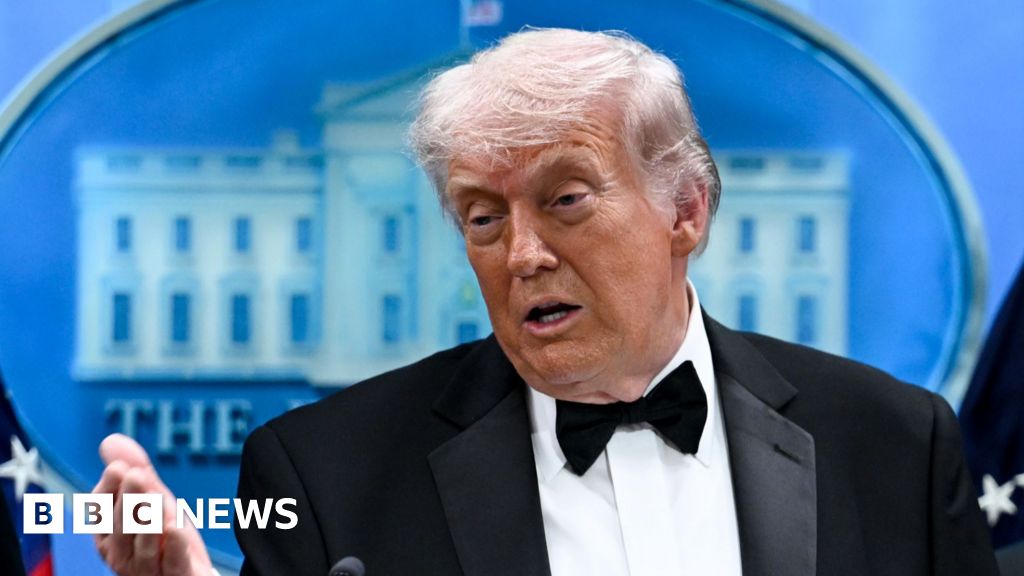
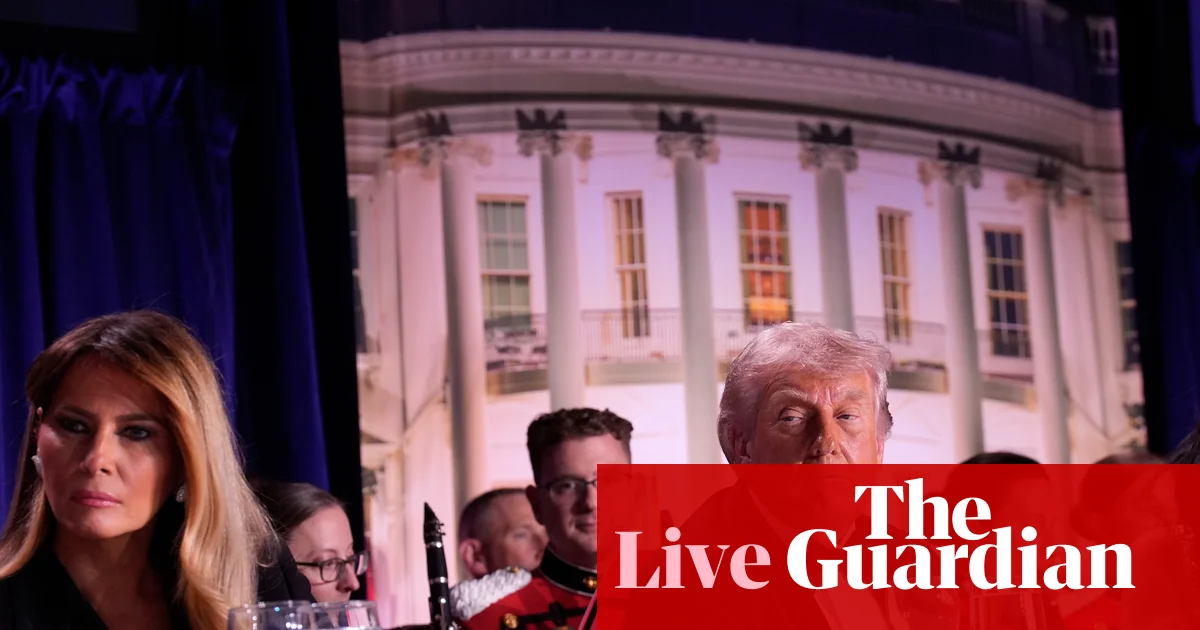
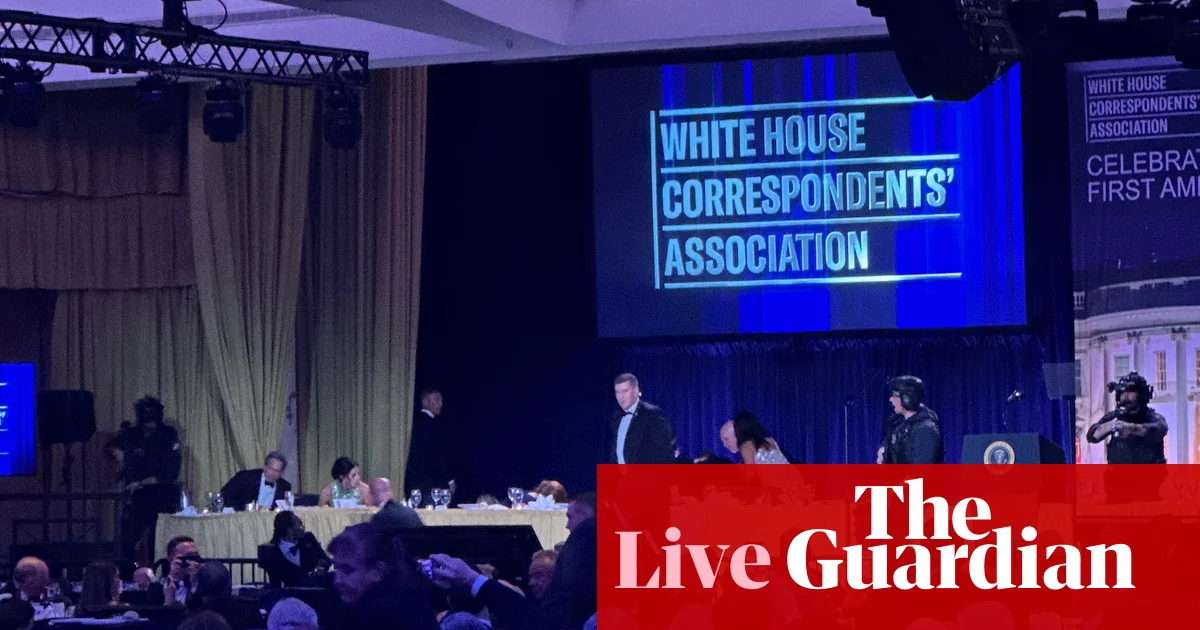
In the immediate aftermath, panic engulfed the grand halls where American elites and media personalities had gathered, with witnesses recounting scenes of guests diving under tables as gunfire and chaos erupted. Donald Trump and Melania Trump were evacuated amid the pandemonium, with the event’s security protocols visibly tested. Trump’s response post-incident was pointed, calling the Washington Hilton “not a particularly secure building,” and expressing support for the White House’s plans to construct a larger, more secure ballroom. This moment may serve as a turning point, fueling debates on how to safeguard national icons against increasing threats. The suspect was quickly taken into custody, with authorities also charging him with felony firearms and assault charges. His weapons and the apparent lone-wolf nature of his attack have sparked renewed discussions about the adequacy of current protective measures in high-profile venues, not just in the United States but worldwide.

Analysts and security experts have long warned that such incidents could become more frequent in an era of heightened polarization and political instability. Historian and security analyst Michael McFaul suggests that this event might be a harbinger of more significant threats rising from the shadows of domestic discontent. These acts challenge the fundamentals of democracy and expose the fragile veneer of safety in America’s symbolic political spaces. The global community watches closely, understanding that what transpires within these American halls resonates globally—impacting diplomatic relations, international perceptions, and the very fabric of global security architecture. Just as the attempted assassination of Ronald Reagan in 1981 cast long shadows over presidential security, this latest incident at an otherwise celebratory event underscores the persistent vulnerabilities lurking within America’s borders.

As the dust settles and the nation grapples with this unsettling breach of security, history continues to unfold—its chapters written in moments of trauma and resilience. While Donald Trump and American society reflect on the fragility of their institutions, the world remains on edge. For in these violent upheavals, the true weight of history is felt—not in the moment of chaos, but in the quiet, cautious steps that follow, as nations worldwide question what security truly means in an era of unpredictable violence and shifting allegiances. The next chapter awaits, fraught with uncertainty, leaving us to ponder: How will history remember this night—an aberration or the dawn of a new era of global insecurity?

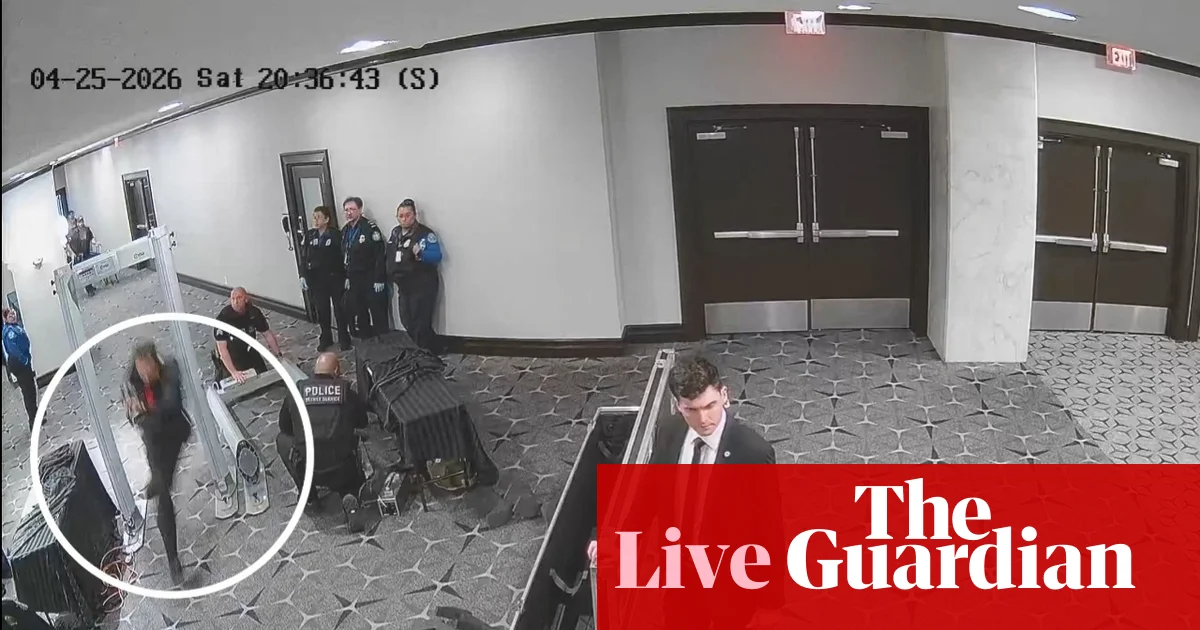
Video captures suspect challenging checkpoint at correspondents’ dinner

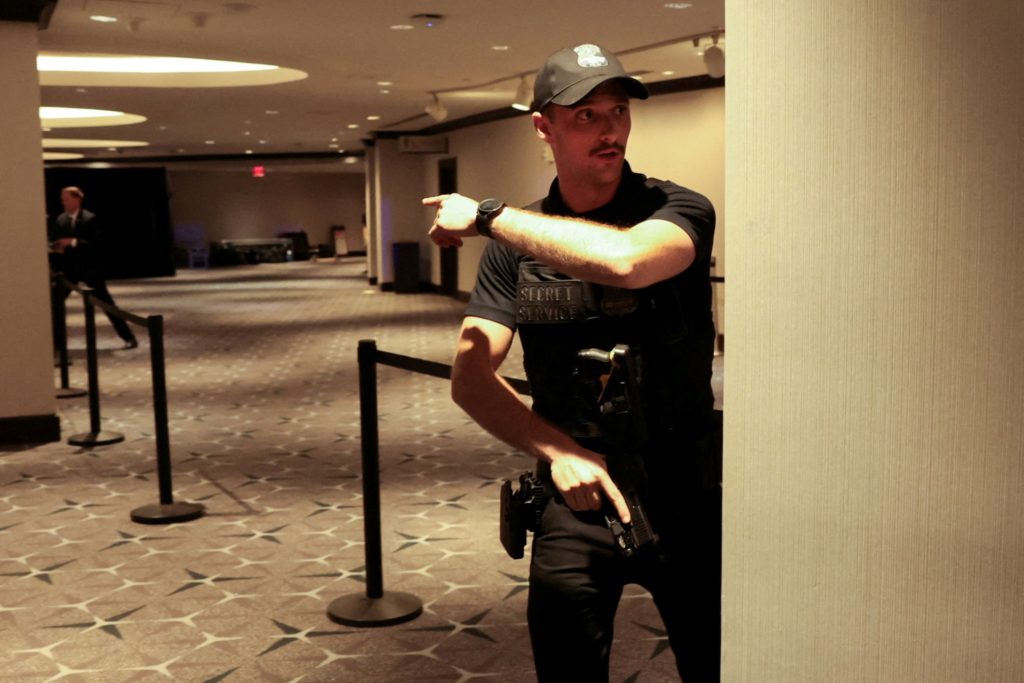
In a startling event that has once again cast a shadow over U.S. security and the fragile nature of domestic stability, Washington D.C. experienced an alarming breach at the recent White House Correspondents’ Dinner. According to authorities, the suspect, armed with multiple weapons, charged a security checkpoint and was able to bypass metal detectors, challenging the integrity of American security protocols. Surveillance footage released by former President Donald Trump shows the individual running past security barriers as agents immediately responded, drawing their weapons in a tense standoff.

The security response was swift yet chaotic, with police exchanging gunfire with the suspect, who was ultimately unharmed but transported to a hospital for evaluation. An officer from the U.S. Secret Service was struck in his vest but remained in good spirits, underscoring the seriousness of the incident while highlighting the resilience of law enforcement. Washington D.C. police chief Jeffery W. Carroll referred to the attacker as a “lone gunman,” a term reminiscent of previous terror episodes, but the incident’s broader implications extend beyond a lone act of violence. It signals ongoing vulnerabilities in U.S. national security that international allies watch with concern.

Analysts and international witnesses point out that such breaches do not occur in isolation but often serve as a mirror to the vulnerability of the global superpower. The incident comes at a time when U.S. faces mounting challenges from both internal political upheaval and external geopolitical tensions. Historically, security breaches at prominent U.S. sites have served as turning points—prompting reviews of security protocols and shifting the national discourse on safety. Many experts warn that this event could accelerate domestic debates on gun control, surveillance, and civil liberties, while also providing fresh political ammunition to critics of current policies.

The broader geopolitical impact of such incidents cannot be understated. As the world watches, these moments influence international perceptions of U.S. stability and strength. Countries like Russia, China, and Iran often interpret domestic vulnerabilities as signs of internal chaos and governmental weakness—potentially emboldening adversaries and prompting preemptive diplomacy or even aggressive posturing. The incident also raises questions about the role of international organizations and security alliances, such as NATO, in maintaining the stability of U.S. domestic security, which remains a linchpin of Western geopolitical strategy.

As historians and security analysts dissect the ripple effects, one thing remains clear: the fabric of American security, woven over decades, now faces a test. The unpredictable nature of terrorism and lone-wolf actors continues to challenge conventional security paradigms. Whether this event signals a shift toward increased domestic unrest or simply a stark reminder of vulnerabilities that require urgent action, history’s long shadow looms. The delicate balance of power, security, and civil liberty hangs in the balance, as the world bracingly observes the evolution of a nation that has long positioned itself as a beacon—yet now stands vulnerable at its gates. The unfolding pages of American history are as fragile and potent as ever, waiting for the next chapter to be written amid uncertainty and resolve.

White House Correspondents’ Dinner Chaos: Shots Fired, Youth Responds Coldly

Security Crisis at Washington’s White House Correspondents’ Dinner Sparks International Concerns

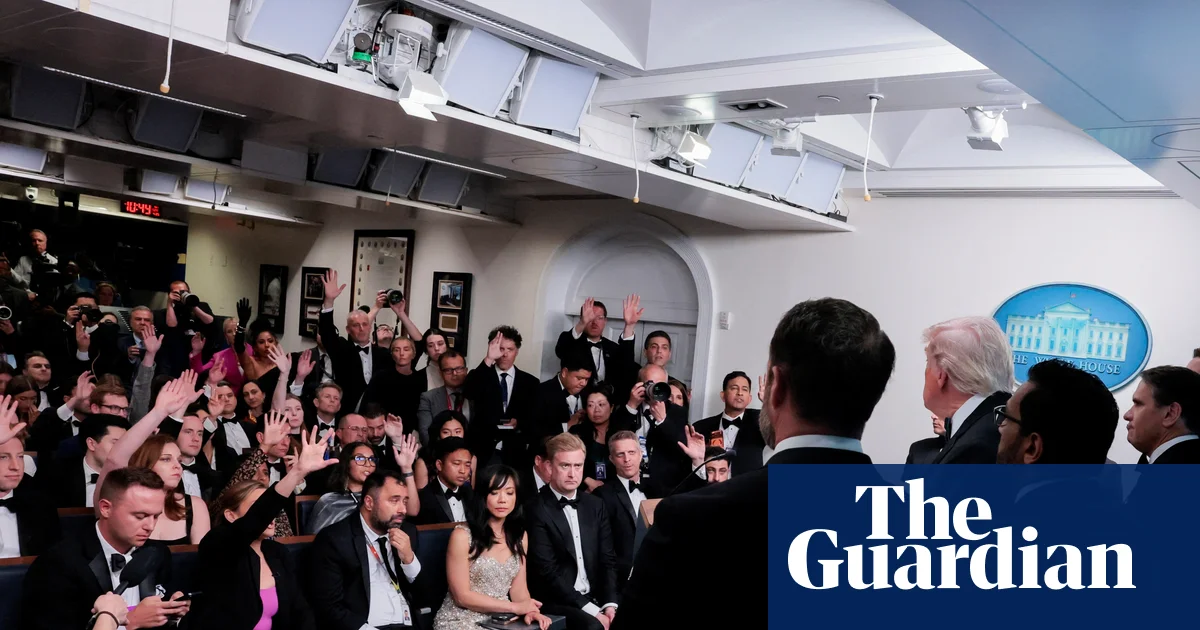
The recent attack during the White House Correspondents’ Dinner has sent shockwaves beyond American shores, raising profound questions about U.S. national security and global perceptions of American stability. On Saturday night, what was meant to be a celebration of free press spiraled into chaos when gunfire erupted, forcing attendees to seek cover under tables and prompting a swift lockdown of what is traditionally considered the most secure political gathering in Washington. Witnesses—both domestic and international—scrutinized the event, emphasizing its implications for U.S. security protocols and public confidence.

From a geopolitical standpoint, the incident underscores a troubling shift in the perceived security of the American capital. Despite rigorous protocols, the fact that gunshots could penetrate what is deemed the heart of U.S. political power suggests an evolution in threats faced by the nation’s leaders and institutions. Global strategic analysts are warning that such vulnerabilities could embolden hostile actors and threaten the perceived invulnerability of American political centers. The timing coincides with increased tensions between the United States and rising adversarial nations, notably Russia and China, who closely monitor and exploit perceived weaknesses in U.S. security policy.

Furthermore, the incident reflects deep domestic divisions and a media landscape often criticized for sensationalism and lax security measures at high-profile events. Conservative voices quickly tried to attribute the breach to what they call “lax security” at the dinner, criticizing the absence of metal detectors and pat-downs. While some experts highlight that such security lapses are not unprecedented, the occurrence fuels worries about the vulnerability of presidential and political events in a polarized climate. The incident also echoes historic warnings from security analysts who have long emphasized that elevated political targets require advanced protection, especially amidst growing radicalization and violence.

The international community watches with trepidation as the U.S. grapples with escalating internal unrest. As Russia’s geopolitical maneuvers—such as cyberattacks and disinformation—continue to destabilize Western democracies, incidents like Saturday’s highlight an unsettling reality: the fabric of American political life, once considered resilient, is now visibly frayed. Policymakers worldwide are increasingly concerned that such breaches could set dangerous precedents, potentially weakening America’s diplomatic leverage and prompting adversaries to exploit vulnerabilities. The United Nations and other global watchdogs are urging a reevaluation of security standards, cautioning that these incidents diminish America’s role as a global leader and reliable ally.

As President Trump and Vice President Biden assess the fallout, the event leaves a haunting question for future generations: will this act of violence mark a turning point in American history, or merely a symptomatic warning of challenges yet to come? The weight of history presses heavily on policymakers—each decision, each security upgrade, shaping the course of a nation that once seemed invincible. With the echoes of gunfire still ringing in the minds of those present, the relentless march of history continues—its next chapter unwritten, yet ominously close.

Trump responds after White House correspondents’ dinner shooting – live updates

Global Power Dynamics in Flux as U.S. Political Turmoil Unfolds

In a dramatic episode that has captured international headlines, the United States experienced a significant disturbance at the White House Correspondents’ Dinner, revealing underlying cracks in the nation’s political and social fabric. The event, which historically symbolized press-government relations and American liberal traditions, was abruptly interrupted by gunfire, resulting in evacuations and heightened security measures. President Donald Trump publicly confirmed that a police officer was shot but was saved by his bulletproof vest, emphasizing both the danger posed and the resilience of law enforcement. Such incidents underscore the volatile state of US civic unrest, and international analysts warn these moments could precipitate a broader shift in global influence and strategic alliances.

Many commentators are interpreting this incident as part of a larger trend of increasing political violence within America. Historians like Mary Young emphasize that political violence has often been a catalyst for realigning international relationships, especially when it signals a decline in domestic stability. The FBI and Justice Department have launched investigations, framing this attack as the work of a lone wolf suspect in California, which echoes previous narratives designed to downplay domestic threats. Nonetheless, the incident raises questions about security protocols at high-profile political gatherings and whether the current administration can contain the turmoil that appears to threaten to spill over onto global stages.

The flare-up at the dinner coincides with a rise in political extremism and increased polarization, phenomena also observed in Europe and Asia. Political analysts caution that an American decline in internal cohesion can diminish its influence as a global leader, particularly as China and Russia continue to expand their geopolitical reach. The United Nations and other international organizations have issued warnings about the potential destabilization effects, emphasizing that unresolved domestic crises in major powers can lead to unpredictable conflicts in volatile regions. The combined effect of internal unrest and external pressures may accelerate a realignment of global power balances, with emerging nations seeking to fill the vacuums left by waning Western influence.

As President Trump declared that the event required a postponement and vowed to continue engagements elsewhere, questions swirl about the implications for U.S. foreign policy and international commitments. Numerous voices in the strategic community argue that such crises accelerate the decline of the U.S. as a reliable security partner, while some see this as an opportunity for new alliances among nations seeking to challenge Western dominance. Meanwhile, the spectacle of law enforcement bravely responding to violence amidst chaos highlights the difficult path ahead for policymakers committed to restoring stability. The ongoing investigation and subsequent security reforms will not only shape the future political landscape but also influence how nations perceive America’s role in maintaining global order.

Ultimately, history continues to unfold in turbulent times. The events at the White House Correspondents’ Dinner serve as a stark reminder that the geopolitical arena is a fluid battleground of ideas, power, and influence. As leaders scramble to respond, the international community watches with bated breath, aware that the ripple effects of America’s internal struggles could reshape the global order for generations to come. The story is still writing itself, and the world stands on the edge of an uncertain horizon where the fate of nations hinges on the resolve of those in power now shaping history’s next chapter.

Congress members rally against Ellisons' oligarch-funded dinner honoring Trump
Congress members rally against Ellisons’ oligarch-funded dinner honoring Trump

Recent events in Washington, United States, have cast a stark light on the complex intersection of politics, media influence, and corporate oligarchy. A high-profile dinner hosted by David Ellison, CEO of Paramount Skydance, has ignited controversy amid the broader debate over consolidation of media giants, political influence, and the authenticity of American democratic principles. The gathering, attended by former President Donald Trump and members of Congress, epitomizes the perceived symbiosis between corporate power and political elites. Critics argue that such events serve less as celebrations of free speech and more as symbols of entrenched oligarchic influence, in the context of the impending approval of a $110 billion merger between Paramount and Warner Bros Discovery.

Analysts and international observers warn that the accumulation of media assets under a handful of private corporations threatens the formative ideals of pluralism and accountability. US representative Jamie Raskin condemned the event as “a lavish oligarch’s dinner for Donald Trump,” framing it as part of a broader scheme to reshape media control to favor the MAGA movement and “the interests of the Donald Trump family.” As Norm Eisen of Democracy Defenders Action starkly remarked, “This isn’t a celebration of the First Amendment; it’s a celebration of power and corruption.” Critics assert that such corporate-political collusions not only threaten the integrity of American democracy but also have far-reaching global ramifications for free speech and international media landscapes.

The geopolitical impact of these developments extends well beyond national borders. The consolidation of media giants in the United States is seen by many international analysts as a template for similar schemes worldwide, fueling concerns about the erosion of independent journalism and the rise of state-influenced narratives. Observers such as historians and foreign policy experts warn that unchecked corporate influence within superpower nations like the U.S. can sway foreign policy, undermine democratic values, and embolden authoritarian regimes globally. Meanwhile, the U.S. government’s indecision on regulatory approval reflects the delicate balance of interests: protecting free-market capitalism, ensuring national security, and managing international perceptions of American democracy.

The aftermath of the dinner and similar events signals a pivotal moment in international politics, where the lines between corporate interests and political power are increasingly blurred. Critics warn that the ongoing consolidation is akin to forming a transnational oligarchy, capable of influencing geopolitical events and shaping societal norms across continents. As historians and international organizations analyze this trajectory, the emerging narrative suggests that humanity stands at a crossroads. Will the imperative for transparency and accountability prevail, or will the forces of power and corruption continue to dictate the course of history? The answer, unresolved yet urgent, leaves the world watching as the saga of influence, ideology, and control continues to unfold, echoing through history’s corridors in an ever-changing landscape of power and resistance.

Social Media Auto Publish Powered By : XYZScripts.com