In recent months, international headlines have illuminated a world on the brink of transformative shifts, driven by both emerging technological capabilities and volatile geopolitical tensions. The deployment of facial recognition across the UK exemplifies how technological advancements are rapidly outpacing the existing regulatory frameworks. Authorities are increasingly deploying live surveillance systems—not just for crime prevention but under the guise of national security—which fosters concern among analysts about civil liberties. As Robert Booth, Guardian’s UK technology editor, notes, “The pace of adoption is outstripping safeguards,” highlighting the risk of widespread unchecked surveillance and the creeping erosion of privacy rights. This phenomenon, escalating at an exponential rate within Britain, foreshadows a broader international trend where technology is reshaping societal norms and power dynamics.
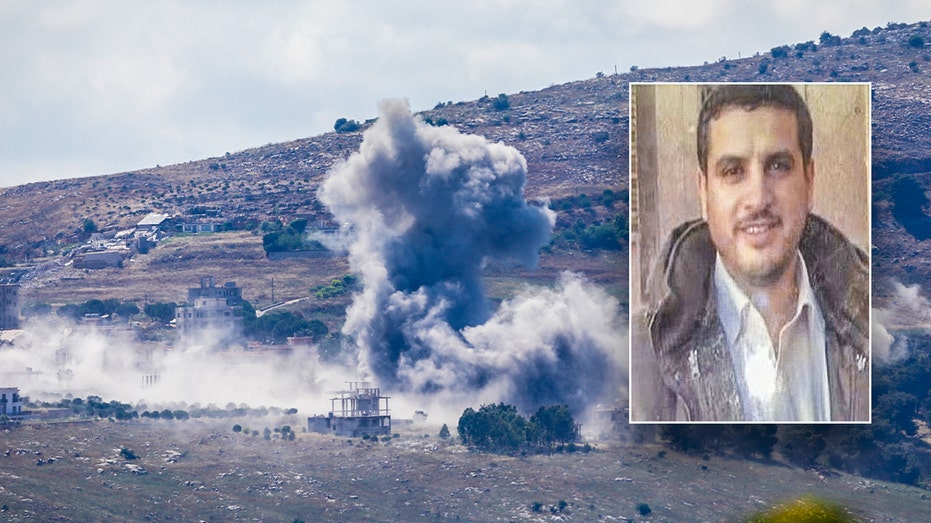
Simultaneously, the Middle East remains a focal point of confrontation and peril. Donald Trump‘s recent threats to Iran, threatening “to blow it off the face of the earth” if its forces attack US vessels, amplify the mounting regional tensions. Such inflammatory rhetoric from Washington echoes historic patterns of interventionism that risk igniting a larger conflict, potentially drawing in Russia and China into a broader confrontation. Meanwhile, Iran’s leaders have issued warnings against U.S. military incursion, exemplified by their recent drone launches at the UAE. The United Nations and international security analysts warn that unresolved security dilemmas in the region could escalate into a full-scale conflict, compromising not just regional stability but challenging the global balance of power. The confluence of aggressive posturing and strategic miscalculations highlights how fragile the current peace remains—the very fabric of diplomacy is being tested in real time.
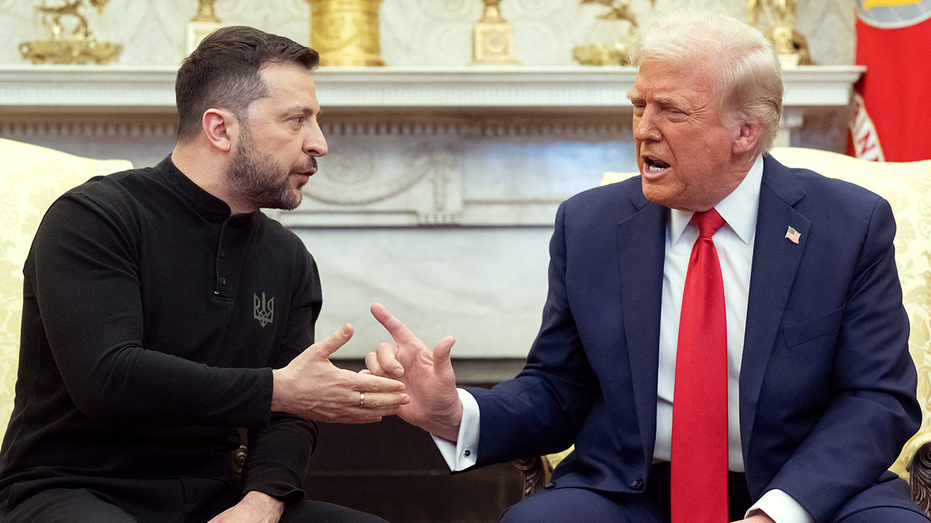
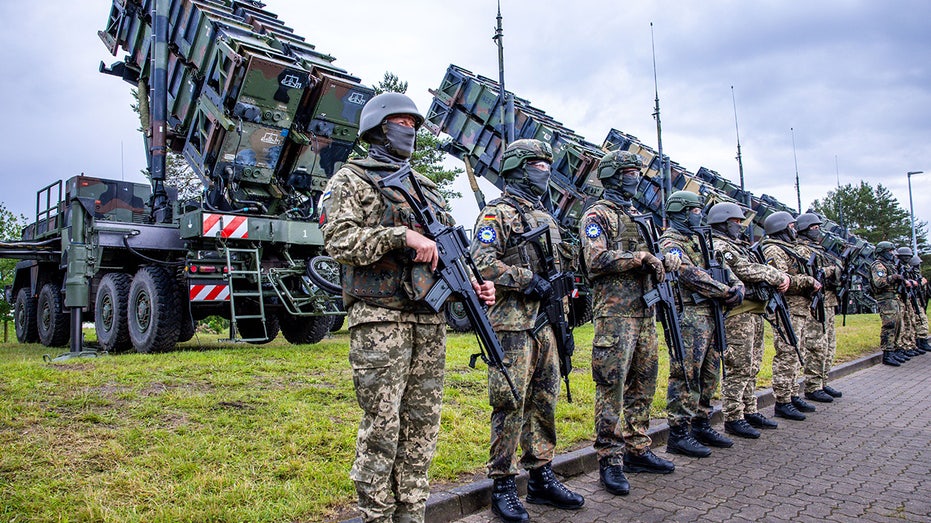
Furthermore, the European continent is witnessing a strategic balancing act. As Keir Starmer urges the European Political Community to confront tensions with the United States, the continent remains caught between transatlantic allegiances and its own sovereignty. Discussions around Ukraine’s future and the EU’s financial aid schemes are not merely policy debates—they are battlefronts for influence and control. The decision to engage or oppose US-led initiatives has profound geopolitical impact—shaping alliances, military commitments, and economic stability. Diplomats and analysts warn that failure to assert European independence could lead to a diminished role for EU nations in global affairs, undermining their strategic autonomy. The choices made today will reverberate across generations, determining whether Europe remains a unified political force or a pawns in larger global chess matches.
At the same time, Britain confronts internal turmoil—its political leaders and societal debates echo the larger contest of values. In the UK, rising antisemitism requires a nuanced mixture of action and acknowledgment, as Keir Starmer advocates for a society that actively opposes hatred. While some believe in a “nothing to hide” approach to surveillance, the broader societal concern lies in the cumulative effects of being constantly monitored—an issue that transcends Britain and resonates worldwide. The very fabric of democratic societies is being tested by the dual forces of technological innovation and rising societal discord, with governments tasked with safeguarding rights amidst rapid change.
Historically, these shifts reflect a recurring narrative—nations adapting to new realities with often unpredictable consequences. Historians warn that the current confluence of technological, military, and societal upheaval may be the prelude to a new epoch in geopolitics. As decisions made today unfold in tomorrow’s history books, the world remains at a pivotal juncture. The question is whether humanity can reconcile the pursuit of innovation with the need for restraint—and whether the lessons of the past can serve as guiding beacons amid a turbulent future. One misstep, one ignited conflict, or unchecked technological excess could mark the beginning of an era where the archaic forces of power threaten to drown the promise of progress, leaving history to judge whether humanity learned too late or rose resilient above its trials.