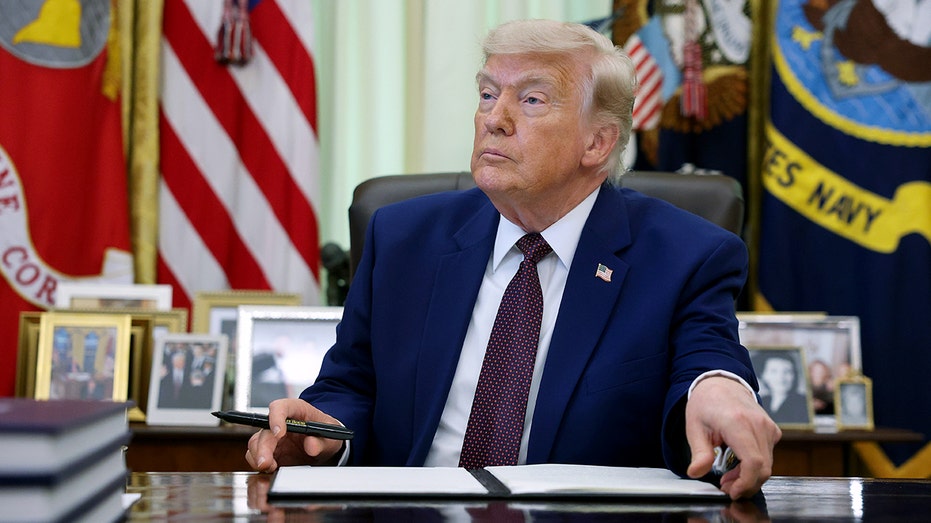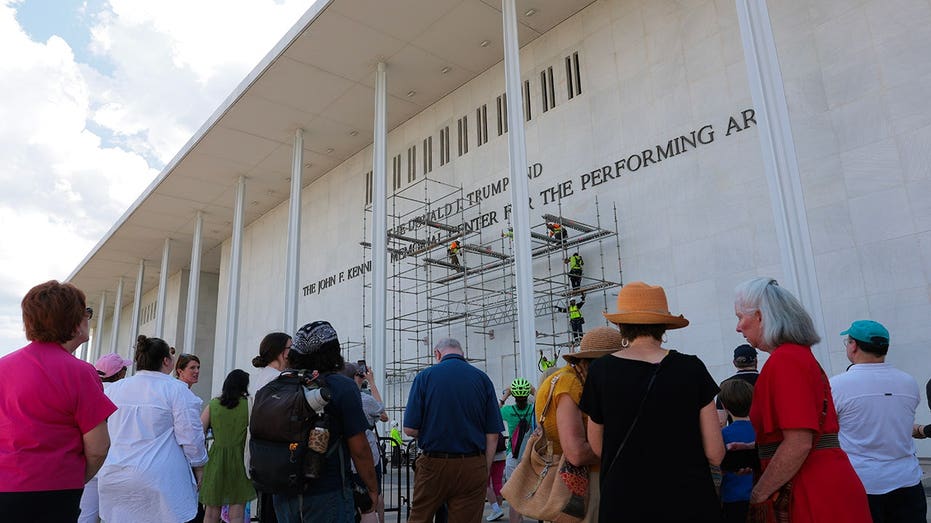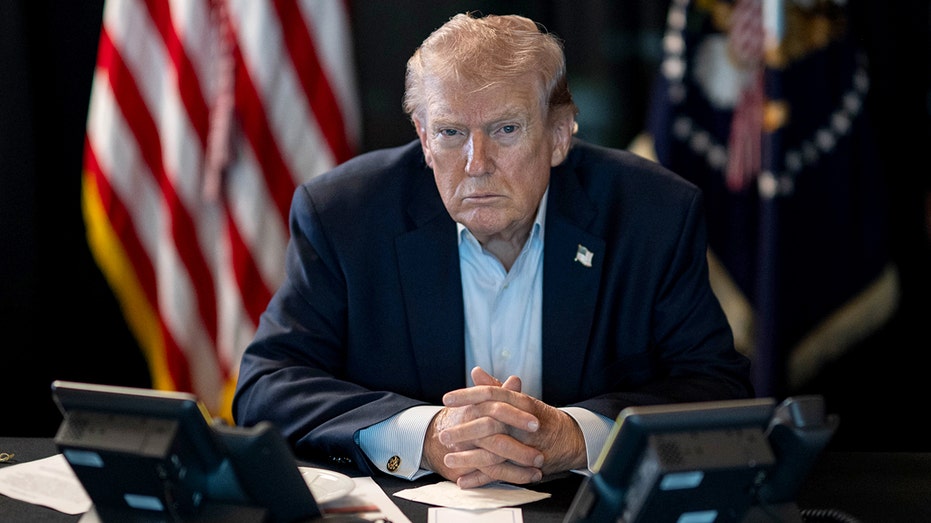
The Trump administration is vigorously defending its newly established Justice Department Anti-Weaponization Fund, a $1.778 billion initiative designed to compensate Americans allegedly harmed by politicized federal investigations. The fund has ignited a fierce debate, drawing criticism from across the political spectrum who fear it could become a “slush fund” for allies rather than a legitimate mechanism for redress.
Administration officials are pushing back against these accusations, emphasizing that payouts will be determined on a strict “case-by-case” basis. They argue the fund is a crucial step to restore trust in federal institutions by providing recourse for those unfairly targeted, citing examples such as pro-life activists subjected to scrutiny during the previous administration.
Origins and Intent of the Controversial Fund
The Anti-Weaponization Fund emerged from an unusual legal settlement between President Trump and the Internal Revenue Service (IRS), an agency under presidential oversight. This unique genesis has itself raised eyebrows, prompting concerns about potential conflicts of interest among lawmakers and commentators alike. The administration maintains its purpose is clear: to provide financial compensation to individuals who have been demonstrably harmed by federal investigations deemed politically motivated.
Vice President J.D. Vance, addressing the media during a White House briefing, directly countered claims of partisan favoritism, stating the fund is open to all, including “Republicans… Democrats,” and even “Hunter Biden.” This highlights the administration’s public position that the fund’s scope is broad and non-discriminatory, extending to anyone who can prove they were unfairly targeted.
Bipartisan Backlash and Legislative Fallout
Despite the administration’s reassurances, the fund has met with significant resistance on Capitol Hill. Both Republican and Democratic lawmakers have expressed alarm, with many labeling it a “slush fund.” The unexpected creation of the fund reportedly caught GOP legislators by surprise, leading to considerable friction.
The controversy has had immediate legislative consequences, derailing Senate negotiations on a critical $72 billion package intended to fund Immigration and Customs Enforcement (ICE) and Border Patrol. Several Republican senators have joined Democrats in their opposition, highlighting the depth of concern over the fund’s transparency and potential for abuse. Acting Attorney General Todd Blanche was dispatched to Capitol Hill to mollify skeptical lawmakers, but according to sources familiar with the discussions, the meetings were contentious, with some senators reportedly expressing their anger directly to the Department of Justice head.
“The Anti-Weaponization Fund is intended to compensate individuals harmed by ‘weaponized’ federal investigations.”
Defining Eligibility: A Case-by-Case Approach
A central point of contention revolves around who will ultimately benefit from the fund. While the administration points to individuals like pro-life activists as potential beneficiaries, critics fear it could extend to politically connected figures or even some defendants involved in the January 6 Capitol events. The administration’s emphasis on a “case-by-case” review process aims to address these concerns, but critics argue the criteria remain vague and open to interpretation.
The administration’s stance, as reported by Fox News Digital, suggests a broad interpretation of “weaponized” investigations, encompassing various forms of alleged federal overreach. This expansive view contrasts sharply with the narrow interpretations preferred by those who advocate for stricter controls on taxpayer funds.
Looking Ahead: Calls for Transparency and Accountability
The ongoing dispute over the Justice Department’s Anti-Weaponization Fund highlights a broader tension between the executive branch’s perceived need for redress and congressional demands for fiscal oversight and institutional integrity. As the administration continues to defend its initiative, the calls for greater transparency regarding eligibility criteria and allocation processes are likely to intensify. The fund’s future, and its impact on vital legislative priorities, remains a significant point of contention in Washington.