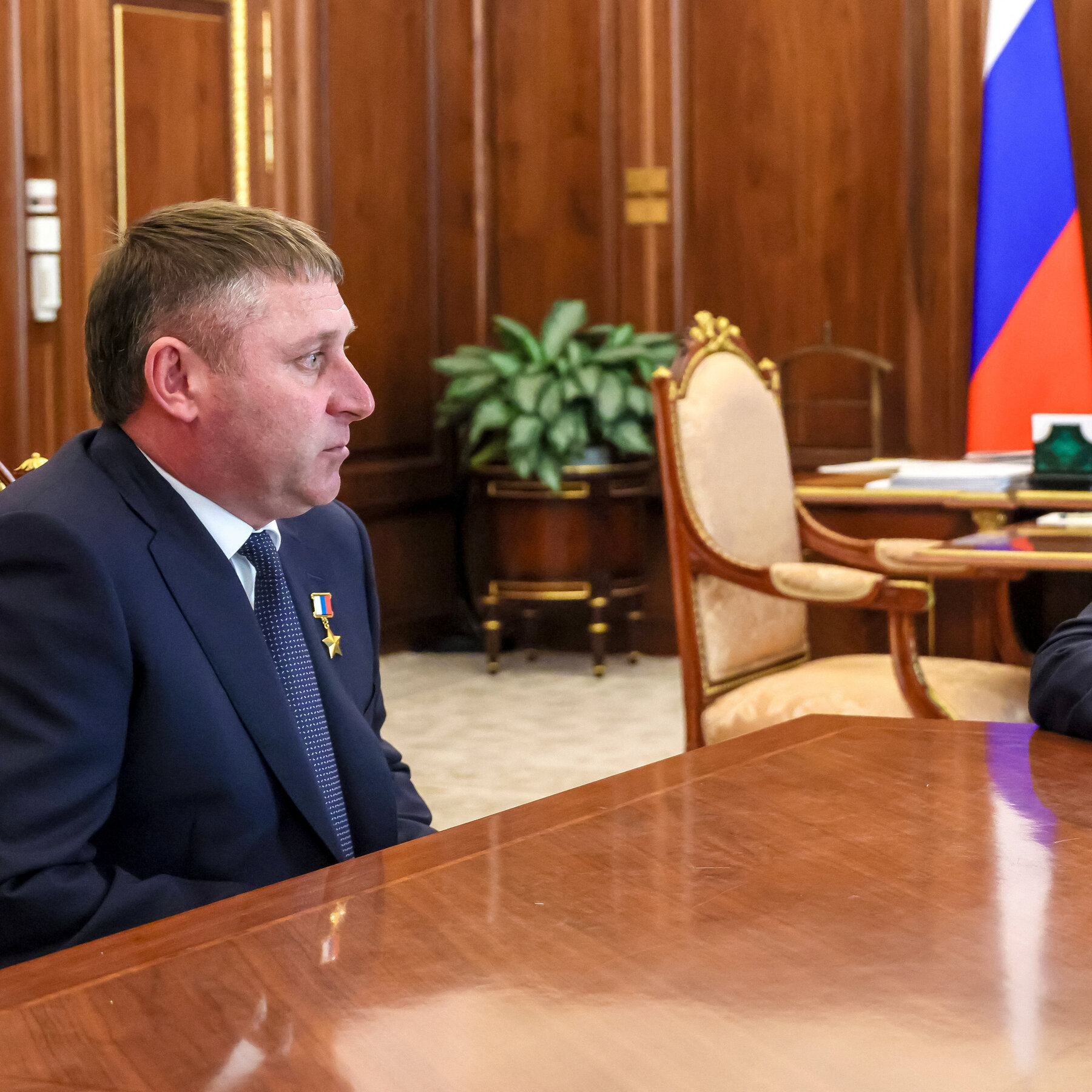
In a move underscoring President Vladimir Putin’s evolving strategy for governance, Russia is witnessing the rise of a new elite drawn directly from the ranks of its military veterans. This decisive shift, exemplified by the recent appointment of a military commander to lead a vital region bordering Ukraine, highlights the Kremlin’s intention to reward loyalty forged in conflict and reshape the nation’s administrative backbone.
This strategic pivot is not merely about filling vacancies. It represents a profound reorientation of Russia’s political and administrative structures, prioritizing military experience and unquestioning loyalty over traditional civilian governance. The implications for Russia’s domestic stability and its future trajectory are substantial.
The Rise of Military Governors: A Shifting Power Dynamic
The recent replacement of the popular governor of a region bordering Ukraine with a military commander marks a significant indicator of this trend. This particular appointment, first reported by outlets like the News Desk, follows a pattern observed across Russia where individuals with extensive military backgrounds are increasingly being placed in crucial civilian leadership roles. Previously, such positions were typically held by career politicians or technocrats.
This is not an isolated incident but part of a broader, deliberate strategy by President Putin to cultivate a new generation of leaders. These appointments are particularly notable in regions deemed strategically vital, especially those adjacent to ongoing conflict zones. The move suggests a desire to instill a more disciplined, command-and-control approach to regional administration, directly aligning local governance with the Kremlin’s broader national security objectives.
Consolidating Power and Loyalty Through Service
President Putin’s motivations behind forging this new elite appear multifaceted. Firstly, it serves as a clear mechanism to reward those who have demonstrated unwavering loyalty and commitment during the nation’s ongoing military engagements. By elevating war veterans, the Kremlin sends a powerful message that service and sacrifice are directly linked to political advancement and influence.
Secondly, these appointments allow Putin to gradually sideline older elites who may lack the same direct connection to the current conflict or whose loyalty might be perceived as less absolute. Military figures, often possessing a strong public image of resolve and patriotism, can also help to galvanize public support and maintain order in challenging times. This strategy effectively consolidates power within a trusted circle, ensuring tighter control over regional administrations and aligning them more closely with central directives.
“President Putin is not merely filling vacancies; he is fundamentally reshaping Russia’s political architecture, prioritizing wartime loyalty over traditional civilian experience.”
Implications for Russia’s Future Governance
The emergence of this military-backed new elite carries significant implications for Russia’s long-term governance and societal structure. This shift could lead to a more militarized civilian administration, where decision-making prioritizes security concerns and hierarchical command structures over diverse socio-economic considerations. The focus on order and control, while potentially offering short-term stability, may also stifle innovation and limit civic participation.
Key potential impacts include:
- A notable erosion of traditional political pathways for civilian leaders.
- Increased centralization of power, with less regional autonomy.
- A greater emphasis on discipline and security in public policy.
- Potential for a less diverse range of perspectives in governance.
This strategic reorientation by the Kremlin reflects a profound commitment to leveraging military service as a cornerstone of political legitimacy and administrative capability. As these war veterans assume greater authority, Russia’s political landscape will undoubtedly continue to evolve, with potentially lasting effects on its internal dynamics and international posture.