Russian President Vladimir Putin concluded a high-profile visit to Beijing, marked by extensive diplomatic ceremony and a robust public reaffirmation of the strategic partnership between Russia and China. While the summit with Chinese President Xi Jinping underscored a united front on the global stage, particularly concerning Western foreign policy, a significant economic agreement — the long-anticipated gas pipeline deal — did not materialize, raising questions about the practical limits of their cooperation.
Despite elaborate diplomatic pageantry and shared rhetorical broadsides against Western policies, the highly anticipated ‘Power of Siberia 2’ gas pipeline deal remained conspicuously absent from official announcements, suggesting underlying complexities in the burgeoning Sino-Russian alignment.
A Grand Display of Bilateral Solidarity
The visit was orchestrated to project an image of unwavering solidarity. President Putin was greeted with a red-carpet welcome at the Great Hall of the People, accompanied by a Chinese military band performing the classic Russian melody ‘Moscow Nights’. This symbolic gesture underscored the deep personal and political bond cultivated over more than 40 meetings between the two leaders.
Public statements from both sides emphasized ‘strategic co-operation’, ‘partnership’, ‘mutual respect’, ‘friendship’, and ‘trust’. These declarations served to reinforce the narrative of a robust alliance, standing as a counterweight to perceived Western hegemony.
United Front Against Western Policies
Beyond the displays of camaraderie, the leaders presented a unified front in their criticism of the United States. They jointly decried what they termed the ‘irresponsible’ nuclear policy of the United States.
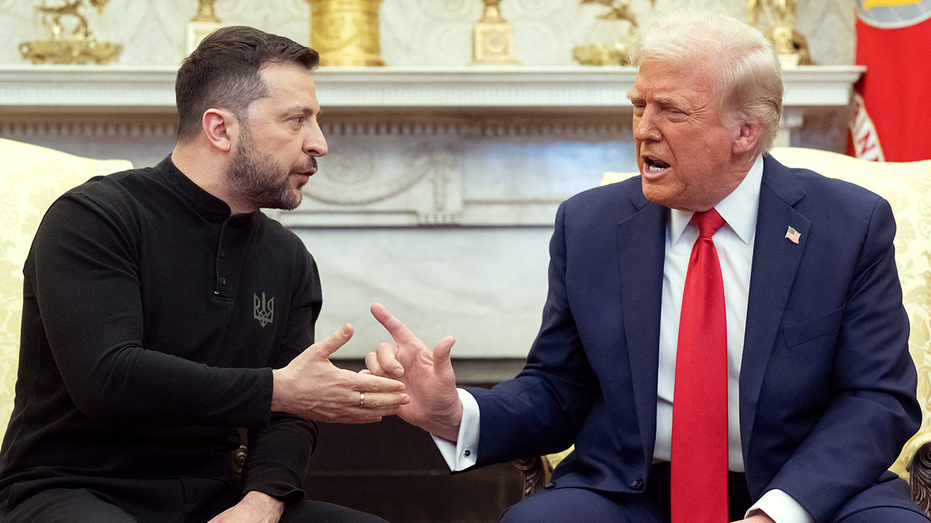
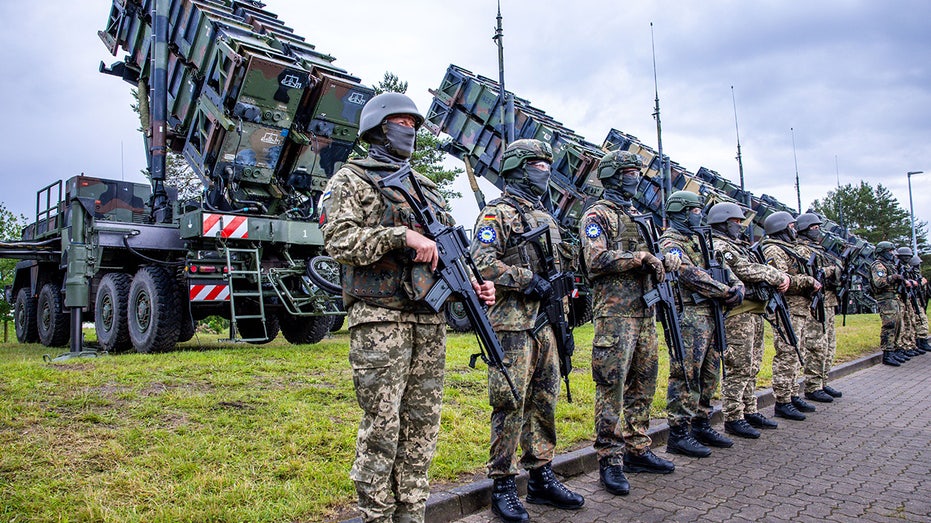
Furthermore, both Presidents condemned former U.S. President Donald Trump’s proposals for a ‘Golden Dome’ missile defence shield, signaling their shared apprehension regarding American strategic military advancements and a desire to challenge the current global security architecture.
The Elusive Pipeline Deal
Despite the extensive diplomatic overtures and shared geopolitical rhetoric, a key economic objective for Russia — securing a deal for the ‘Power of Siberia 2’ gas pipeline — remained unfulfilled. The absence of an announcement regarding this major energy infrastructure project, which would significantly reroute Russian gas exports towards China, was a notable omission.
As noted by the BBC’s Russia Editor, the visit highlighted that while Russia and China present a united front, there are discernible ‘limits’ to their partnership. This suggests that even amidst strong political alignment, economic pragmatism and national interests continue to shape the contours of their relationship, particularly when it involves substantial long-term investments and energy security.
“While Russia and China project a united front on the global stage, the absence of a key energy deal suggests discernible limits to their strategic partnership.”
The Beijing summit, while rich in symbolism and anti-Western rhetoric, ultimately demonstrated that the ‘no-limits’ partnership between Moscow and Beijing faces practical constraints. The lack of a definitive agreement on the critical gas pipeline underscores that economic considerations and national interests play a significant role in defining the scope and pace of their strategic alignment. Observers will continue to monitor whether the public displays of unity can translate into concrete, mutually beneficial economic commitments as the global geopolitical landscape continues to shift.