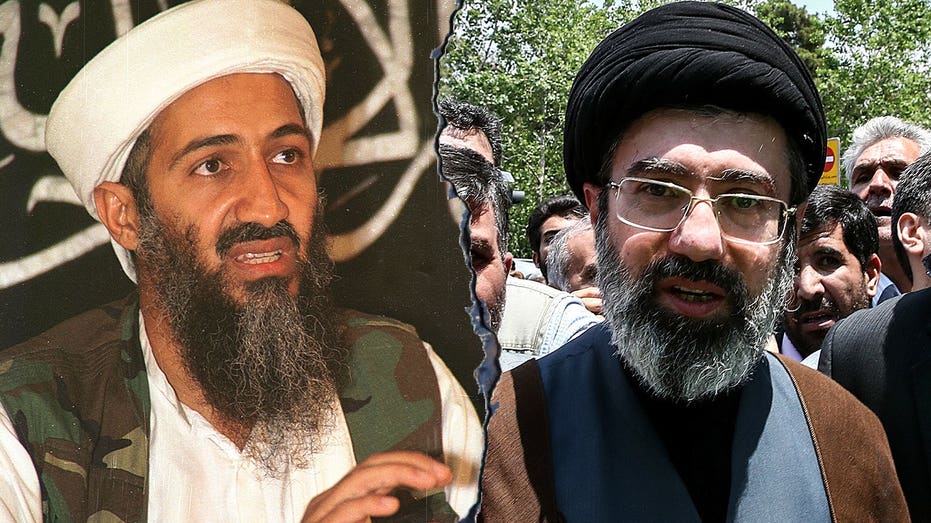
Iran’s Supreme Leader, Mojtaba Khamenei, has spent nearly three months out of the public eye amidst rising tensions with the United States. This unprecedented disappearance is drawing comparisons to the final years of al-Qaeda founder Osama bin Laden, prompting analysts to suggest a deliberate strategy of operational invisibility by the Iranian leadership.
This strategic shift comes at a crucial moment for U.S.-Iran relations, following a pause in planned U.S. strikes. The implications for regional stability and international counterterrorism efforts are significant.
The Strategy of Operational Invisibility
Counterterrorism experts are closely examining the extended absence of Mojtaba Khamenei, noting a striking parallel to how Osama bin Laden eluded capture for years. Dr. Omar Mohammed, an expert with the Antisemitism Research Initiative, highlighted this comparison in comments to Fox News Digital. He stated that for the first time, the United States has compelled Tehran’s leader into a similar state of operational invisibility that bin Laden maintained for a decade.
This tactic, characterized by a deliberate withdrawal from public view and a reduction in digital footprint, suggests a calculated effort to minimize vulnerability in the face of heightened external pressure. Both Khamenei and bin Laden, according to analysts, responded to significant American operations by ceasing to exist publicly, adopting a low-profile approach to leadership.
Escalating Tensions and U.S. Posture
The backdrop to Khamenei’s disappearance is a critical standoff between Washington and Tehran. President Donald Trump recently paused a planned strike on May 19, indicating a measured approach by the U.S. administration. Despite the pause, President Trump conveyed a message of being “in no hurry,” signaling continued vigilance without immediate escalation.
While Khamenei’s official X account reportedly shared three posts on May 18, his physical absence from public events underscores a profound shift in communication and leadership style within the Islamic Republic. This period of heightened tension has forced Iran to adapt its operational security, potentially mirroring lessons learned from past counterterrorism efforts against groups like al-Qaeda and ISIS.
“The U.S. has driven its leader into the same kind of operational invisibility that bin Laden lived in for 10 years in Abbottabad.”
Historical Parallels and Enhanced Security
Osama bin Laden’s decade-long evasion following the September 11, 2001, terrorist attacks serves as a historical precedent for such a strategy. Bin Laden, who founded al-Qaeda, successfully avoided capture by severing his digital footprint and relying exclusively on a network of physical couriers. He reportedly stopped releasing dated videos around 2007, confining his communications to audio messages transported by hand from his fortified compound in Abbottabad, Pakistan.
This historical context provides insight into the potential methods Mojtaba Khamenei might be employing. The move reflects a heightened awareness of Western electronic surveillance capabilities and a strategic decision to revert to more traditional, less traceable forms of communication and operational management. For institutions prioritizing order and national security, understanding such adaptive strategies is paramount.
Implications for Global Stability
The prolonged absence of Iran’s Supreme Leader, coupled with expert analysis drawing parallels to notorious figures like Osama bin Laden, signals a new phase in the geopolitical chess game between Iran and the West. This adoption of an “operational invisibility” template by a state leader, rather than a non-state actor, presents a unique challenge for international diplomacy and intelligence agencies. It underscores a significant, strategic milestone in how nations respond to intense global pressure and the pursuit of national interests. The world watches to see how this unprecedented situation will unfold and what it means for the future of the Middle East.