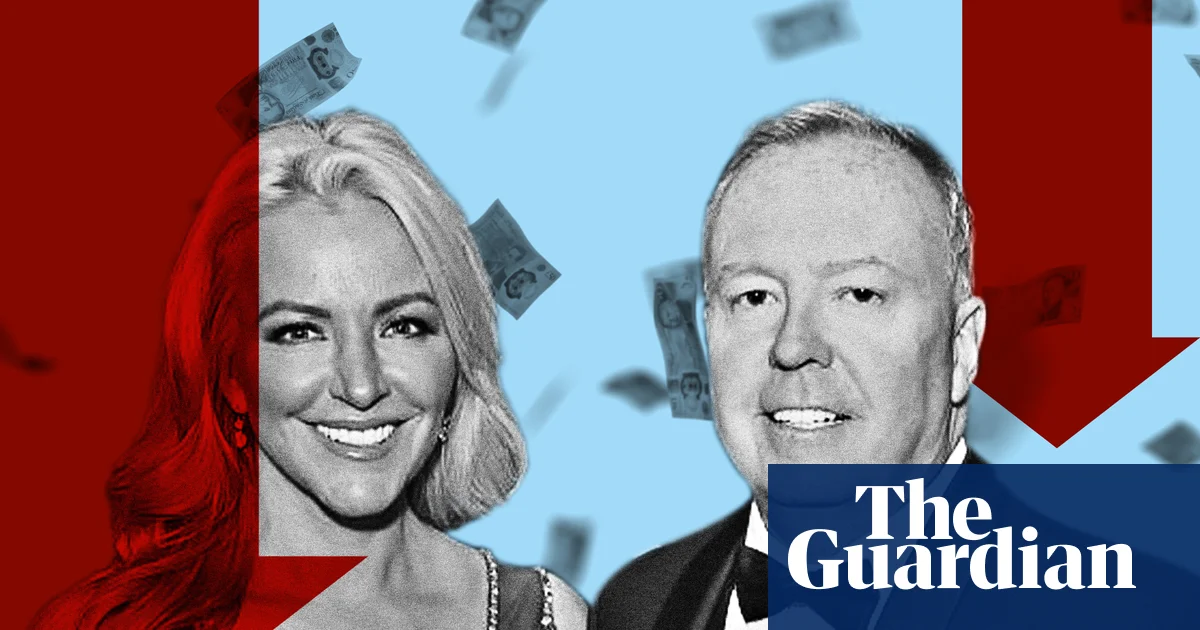
In the wake of a high-profile court ruling exposing the mishandling of pandemic resource procurement, families, education, and local communities are increasingly feeling the ripple effects of systemic social issues rooted in privilege, corruption, and a breakdown of moral accountability. The recent judgment against PPE Medpro, a company linked to the wife of a prominent conservative peer, highlights how intertwined issues of social class, political influence, and economic exploitation have become. While the court demanded that £122 million be returned to the public coffers, the reality is stark: the company has been declared insolvent, and the very individuals who profited from the crisis remain shielded behind complex legal barriers. This situation underscores a societal divide where **those with wealth and influence often escape justice**, leaving ordinary citizens questioning the fairness of a system rigged in favor of the privileged.
At its core, this scandal exposes a troubling cultural shift—one where ethics are sidelined in pursuit of profit, especially during times of national crisis. Notably, the procurement process, which was allegedly prioritized for politically connected individuals via the so-called “VIP lane,” reflects a departure from transparent, merit-based systems. Sociologists like Oliver James argue that such practices foster a sense of disillusionment and betrayal within communities, eroding trust in institutions that are supposed to serve the public interest. For families struggling to access quality healthcare or facing the economic fallout of failed policies, the misconduct of a few exemplifies a larger societal failure: the neglect of moral responsibility in favor of greed and self-interest. This gap between political elites and everyday citizens fuels *a social tension* that threatens the fabric of shared community bonds.
Furthermore, the impact on education and future generations cannot be understated. When government resources are diverted or lost through corrupt arrangements, schools and social programs suffer—further widening the demographic and cultural divides. As social commentator Frank Furedi suggests, a society that tolerates such blatant misconduct risks cultivating a cynical attitude among youth, undermining civic engagement and ethical standards. The emerging narrative challenges *young people* to reconsider their role amid a landscape marred by inequality. Yet, there remains a hopeful contrast—the potential for reform invoked by dedicated watchdogs and civic groups who continue to emphasize accountability. With ongoing investigations into criminal offenses linked to pandemic procurement, society stands at a crossroads: will it choose to rebuild trust through genuine transparency, or allow the pervasive influence of privileged networks to perpetuate injustice?
As the story unfolds, the question lingers: can society truly heal from this breach of public trust? The moral challenge lies in fostering a culture where integrity, fairness, and moral responsibility are restored as societal cornerstones. In this landscape of complexities, hope emerges in the form of collective resilience and the emerging voices demanding genuine change. Society’s strength is found not in the wealth of a few, but in the unity of communities committed to holding power accountable. Perhaps, amidst the echoes of legal battles, a new era beckons—one where the fabric of our society is mended with patches of integrity, woven through the collective effort of families, educators, and leaders dedicated to a future where justice is not just an aspiration, but a living reality.