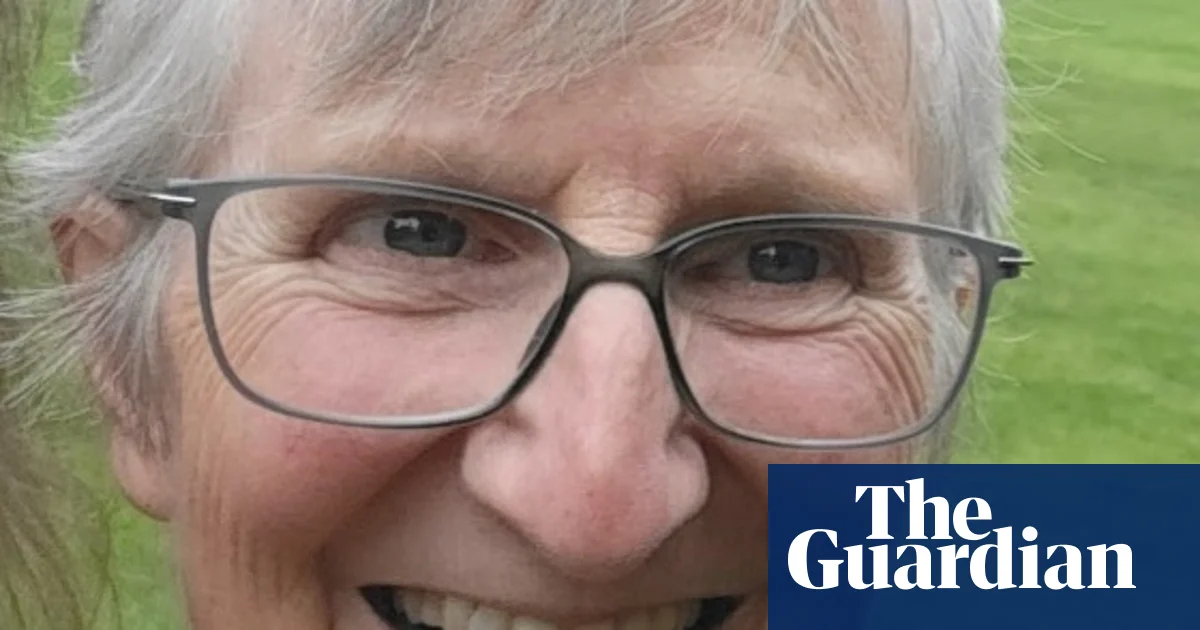
In an era marked by rapid societal shifts and escalating social disparities, the life of Lorraine Ribbons exemplifies how individual dedication can serve as a beacon of hope and resilience for families coping with medical and emotional hardships. Her extensive volunteer work with the Association of Children with Heart Disorders (ACHD) underscores the critical role that community-based support systems play in mitigating the social and health disparities faced by vulnerable populations. Lorraine’s deep involvement—visiting hospitals, organizing holidays, and providing emotional support—highlights a vital societal need for accessible, compassionate care beyond the boundaries of institutional health services.
Many social commentators and sociologists have pointed out that rising healthcare costs and the diminishing presence of community-centered care threaten to alienate families from the support networks they desperately need. Lorraine’s example reveals how families with children suffering from chronic conditions often become alienated from mainstream medical support, facing emotional isolation and financial strain.
- The challenge remains: how can society integrate volunteer-led initiatives into a broader public health strategy?
- What kind of policies can foster spaces where families are not left to navigate hardship alone?
Her work demonstrates that when local communities mobilize with genuine compassion, real bonds form that transcend mere dependency, fostering social cohesion and moral responsibility.
Equally significant is the cultural shift in how society values mental health, familial wellbeing, and the nurturing of social bonds. Lorraine’s commitment to marriage guidance counselling and volunteer work illustrates a profound awareness of the interconnectedness between emotional stability and societal health. However, public institutions often fall short in addressing these complex issues, leaving a gap filled by volunteers whose efforts, though noble, are insufficient to meet the wider societal needs. Embracing these human-centric approaches is essential in rebuilding social trust and ensuring that no family faces hardship in isolation, especially amidst modern social upheavals.
As we reflect on Lorraine’s legacy, it is clear that the enduring strength of communities lies in its members’ willingness to serve and uplift one another. Her story, intertwined with struggles and triumphs, leaves us contemplating the social fabric we are collectively weaving. The challenges of healthcare disparities, social fragmentation, and emotional neglect are formidable, yet through courage and community spirit, society has the capacity for transformation. It calls on us to rebuild not just institutions but also the moral bonds that bind us—looking beyond individual needs to the collective good.
In this high-stakes moment of social evolution, perhaps the most poignant question remains—can society rekindle the spirit of volunteerism and compassion that sustains us, turning fleeting acts into lasting change? For, in the end, society’s greatest hope lies not in policies alone, but in the quiet acts of kindness that remind us all of the humanity we share and the future we can forge together.