Society Under Strain: The Cultural and Social Impact of Flag Campaigns in England
In recent months, local governments across England have reported a disturbing rise in threatening behavior and abuse directed at public service staff and officials. From Shropshire to Oxfordshire, officials recount escalating incidents of intimidation while attempting to perform routine duties, such as street lighting repairs or removing unauthorized flags. These disturbances are not isolated; they reflect deeper social tensions surrounding the display of national symbols and their interpretation within contemporary society.
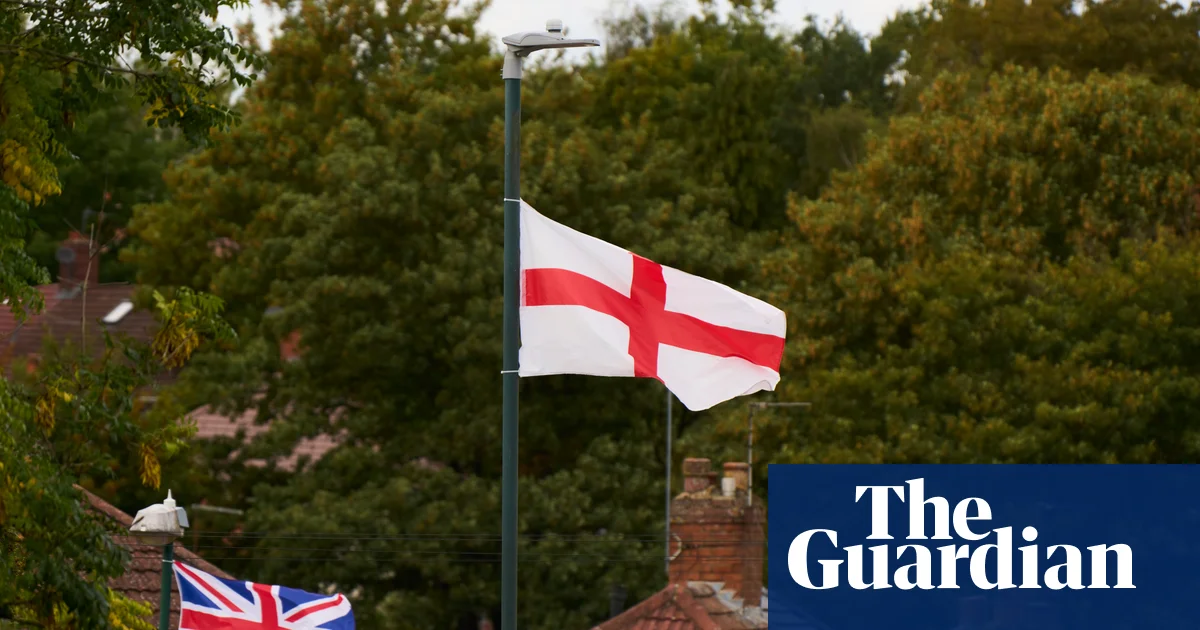
This controversy primarily revolves around a flag campaign that began last summer, purportedly initiated in Birmingham. In the ensuing months, hundreds of union and St. George’s flags have appeared on lamp-posts, roundabouts, and street furniture throughout England. For some communities, these flags are conscious symbols of pride and patriotism. Yet, for others—especially those concerned with the social fabric and cohesion—they are seen as tools of division and intimidation. Many charities and local authorities argue that the campaign exacerbates existing social fractures, creating an environment where families and neighborhoods feel increasingly unsafe and divided.
Across counties, officials have struggled to balance respect for free expression with the need to maintain public safety and community harmony. In Shropshire, despite initial refusals to police flag displays, authorities recently announced plans to remove unauthorized flags citing safety concerns and hefty removal costs—already reaching as high as £13,000 following storm damage, and threatening to burden local taxpayers further. Meanwhile, in Oxfordshire, police and council leaders report that threatening behavior and abuse have become commonplace, with some residents feeling unwelcome in what should be their own neighborhoods. Such tensions not only strain community bonds but also threaten the moral and psychological well-being of families caught in the social crossfire.
Social commentators like sociologists and historians warn that these conflicts are indicative of more profound cultural shifts and _demographic changes_ that challenge traditional notions of shared identity. The phenomenon raises urgent questions about the moral responsibilities of societal leaders, the impact of unchecked nationalism, and the ways in which local governments can foster environments of > inclusivity and respect. As communities grapple with statutes and symbols, they reveal the enduring struggle to define national identity amidst an increasingly fractured social landscape. Moving forward, deliberate efforts to promote dialogue and understanding are vital, lest society become further divided—the very fabric that sustains its moral integrity fraying under the weight of unchecked symbolism and social discord.
In this moment of crisis, society stands at a crossroads, where the quest for cultural expression intersects with the urgent need for social cohesion. Truly, the heart of the challenge lies not in the flags themselves but in how communities choose to confront their differences. For amid the chaos and contention, hope persists—a hope that, through reflection, compassion, and decisive leadership, society can forge a path toward renewed unity and understanding. Amidst these turbulent times, perhaps society’s greatest strength is not in its symbols but in its capacity to heal and rebuild from within, shaping a future where every family feels both proud and safe in their shared homeland.