Palestinian Prisoner’s Unexpected Reunion: A Human Face to a Broader Conflict
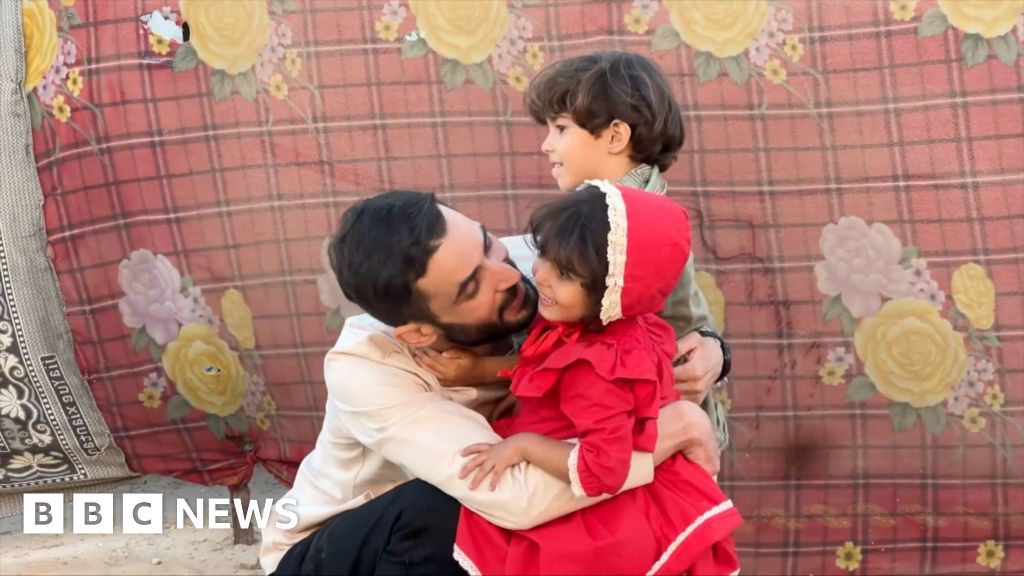
The recent release and reunion of Shadi Abu Sido with his family after 20 months of imprisonment in Israel has cast a rare spotlight on the ongoing Israeli-Palestinian conflict. Abu Sido was among nearly 2,000 prisoners exchanged under the US-brokered ceasefire agreement, which aims to de-escalate tensions and foster dialogue amidst a crisis that has once again, demonstrated the fragile nature of peace efforts in the region.
What deeply underscores the complexities of modern geopolitics was Abu Sido’s recounting of being told by an Israeli prison officer that his family had been killed and his home bombed—a stark reminder of the psychological toll inflicted by decades of conflict. Despite official statements from Israel’s prison service claiming operations within legal frameworks, this incident, whether factual or not, underscores the public perception of mistrust and the potential for misunderstandings and misinformation during times of intense political upheaval.
The Broader Impact: How Individual Stories Reflect Global Power Dynamics
This personal story is emblematic of the larger geopolitical impact on the Palestinian territories and the surrounding regional ecosystem. The exchange of prisoners is often portrayed as a symbolic step toward peace; however, as analysts like Dr. Richard Falk have observed, these actions can be double-edged, forging short-term relief but often masking underlying issues—territorial disputes, sovereignty, and security concerns — that continue to fuel conflict cycles. The diplomatic maneuvering by United States and regional powers exemplifies the intricate web of alliances and strategic interests that define current Middle East geopolitics.
For many in the international community, especially within Western nations, these exchanges are seen as pragmatic steps, yet critics argue they merely serve to paper over deeper societal grievances. The recent peace talks and prisoner swaps highlight how international institutions are often caught balancing moral ambitions with strategic realities. The ongoing tension underscores the importance of nuanced understanding; underlying societal rifts, economic hardship, and regional influence continue to threaten fragile ceasefires and peace accords.
The Future: Uncertainty and the Role of Global Stakeholders
The unfolding situation remains precarious, with history’s watchful eyes on the Middle East. The incident involving Abu Sido’s false report demonstrates how misinformation can exacerbate tensions, feeding into the cycle of violence that has persisted for generations. Meanwhile, international organizations like the United Nations and EU continue to advocate for diplomatic solutions, yet their influence often appears limited in the face of entrenched national interests and regional rivalries.
The region’s future hinges on the ability of global powers to foster genuine reconciliation rather than superficial gestures. As historians like Noam Chomsky warn, meddling and strategic interests have historically sustained conflict, and only through sustained, sincere engagement can peace take hold. The recent prisoner exchange, with its fleeting moments of hope, ultimately leaves the world with a stark reminder: the history of Middle Eastern conflict is still being written, and each chapter leaves an indelible mark on the world stage. The weight of history presses heavily on today’s decisions, shaping the geopolitical landscape for generations yet to come.