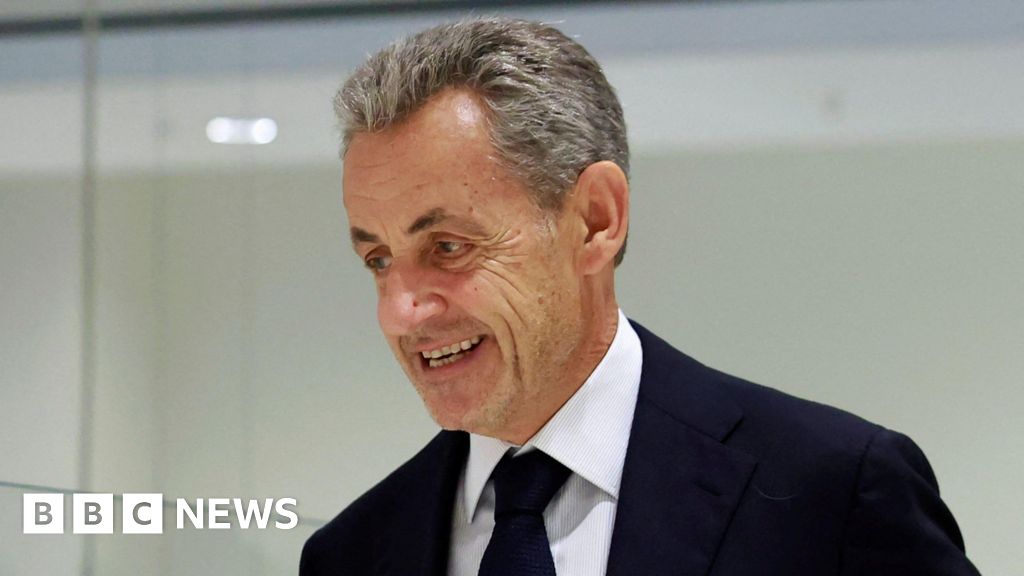
In an unprecedented turn of events, former French President Nicolas Sarkozy has been found guilty of criminal conspiracy in connection with illicit funds received from the late Libyan leader Muammar Gaddafi. This verdict, delivered by the Paris criminal court, marks a significant milestone in France’s ongoing effort to address the shadows of political corruption that cast a long pall over its recent history. The case, rooted in allegations that Sarkozy used Libyan money to finance his 2007 presidential campaign—an accusation he strongly denies as politically motivated—has reverberated through Europe, prompting questions about accountability at the highest levels of governance.
Historians and international analysts point out that this development underscores the delicate balance of power between national sovereignty and international influence, especially in the context of foreign interference and clandestine geopolitical maneuvers. The European Union and various global watchdogs have long debated the influence of foreign regimes on Western democracies, but Sarkozy’s case exemplifies how such interference can directly threaten the integrity of the political process. While he was acquitted of other charges including passive corruption and illegal campaign financing, the conviction on conspiracy charges signals a shift towards greater scrutiny of foreign influence within Western political spheres.
How decisions made in the aftermath of Libya’s 2011 civil conflict ripple across nations is evident in the broader geopolitical landscape. Gaddafi’s fall and the ensuing chaos created a power vacuum that foreign actors, including France and other Western nations, sought to navigate through clandestine support and diplomatic maneuvers. The revelations that Sarkozy’s campaign may have been secretly financed by Gaddafi’s regime are viewed by many as a cautionary tale about the dangerous entanglements of international diplomacy. The international community—notably organizations such as Interpole and the United Nations—monitor these developments as potential precursors to further destabilization, emphasizing that international law and sovereignty are continually under threat from hidden agendas fueled by illicit financial flows.
As Sarkozy faces potential sentencing, the implications extend beyond individual accountability. The case epitomizes the ongoing struggle to maintain national sovereignty against a backdrop of complex, often covert, international influences. Tensions are mounting as investigations into other political figures and foreign ties continue to unfold across Europe, raising questions about the integrity of democratic institutions. Whispers of global power plays and the influence of state-sponsored clandestine funding highlight the fragility of Western democracies in an era of relentless geopolitical shifts. With this verdict, the stakes are higher than ever—nations must grapple anew with the warning that the foundations of their sovereignty are often vulnerable to unseen forces lurking behind diplomatic facades. Ultimately, history remains on the edge of another chapter in an ongoing saga of power, influence, and the relentless pursuit of truth amid shadows that threaten to reshape the global order.