Unraveling the Facts Behind Trump’s Push for Federal Troops in Chicago and Portland
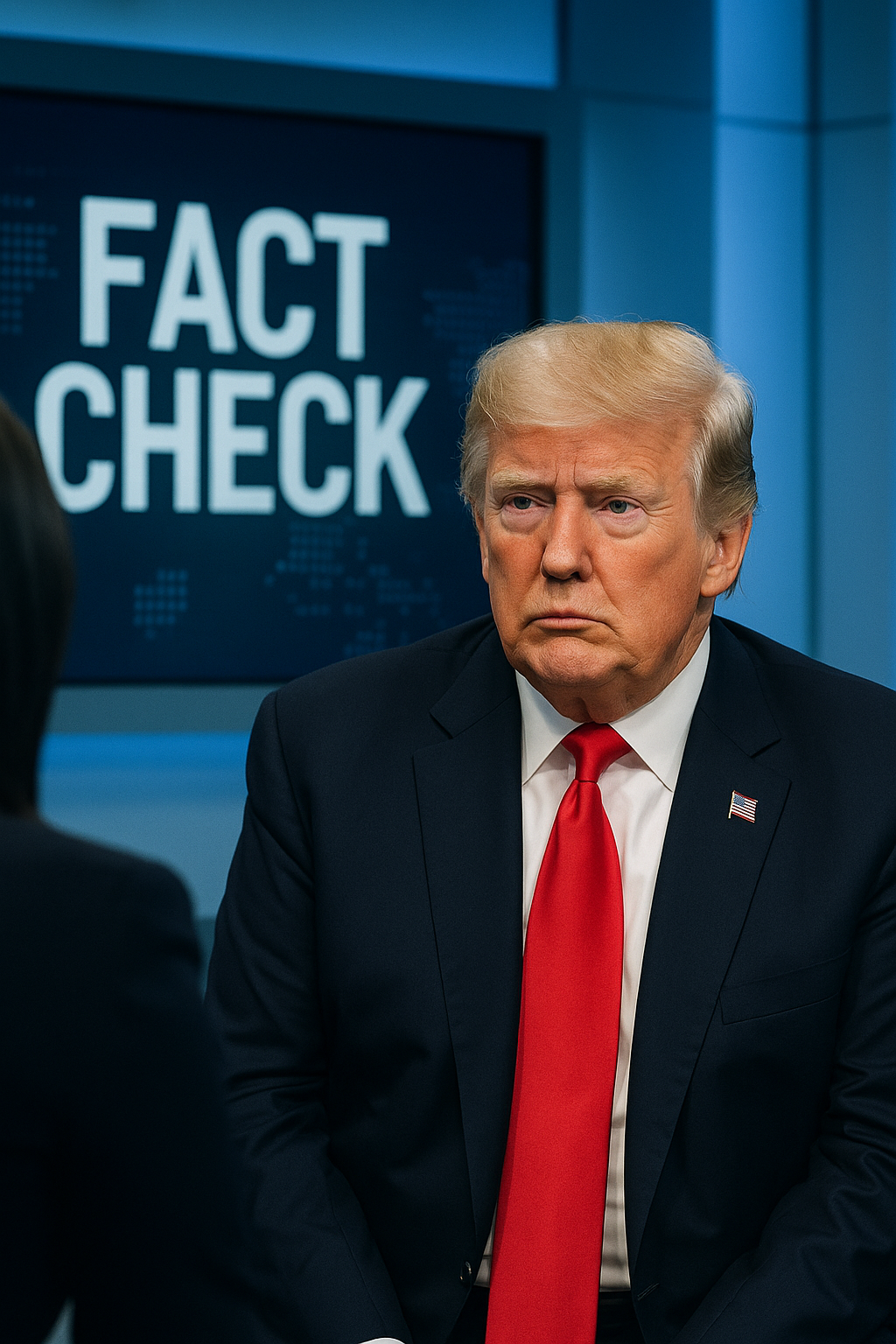
Recent headlines and statements from former President Donald Trump have centered around the deployment of federal troops to American cities like Chicago and Portland, positioning these actions as part of a broader effort to combat rising crime. Trump’s claims that he is sending military forces into these cities to stop crimes, curb violence, and protect federal operations are part of a broader narrative that often exaggerates or oversimplifies the situation on the ground.
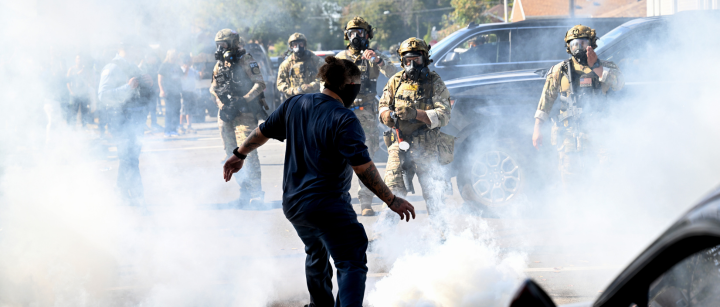
In the case of Portland, Trump accused the city of being overrun by “antifa thugs” and claimed that the city was “burning to the ground.” However, official reports and local law enforcement have indicated that the protests there are largely peaceful, with only sporadic incidents of violence. U.S. District Court Judge Karin Immergut noted that the protests are not city-wide and have been contained mostly around specific federal facilities, with police reports confirming that fires and violence are minimal and part of seasonal vegetation or minor incidents—nothing resembling the chaos described by Trump. Similarly, in Chicago, Trump has repeatedly claimed the city is the “murder capital of the world.” This claim has been confirmed as misleading by independent analysis; while Chicago has high murder numbers compared to most U.S. cities, it does not possess the highest murder rate globally, and recent data shows a decline in homicides this year.
Legal Authority and the Mechanics of Federal Deployment
The legal basis cited by the Trump administration for federal troop deployment relies heavily on Title 10, section 12406 of the U.S. Code, which authorizes the President to federalize National Guard units during invasions, rebellions, or when regular forces cannot enforce federal laws. Experts such as Professors William Banks and Mark Nevitt have clarified that invoking this law is meant for substantial crises and is rarely used outside of such scenarios. The last major use was in 1970 during postal strikes and in 1965 during civil rights enforcement in Selma, Alabama, under President Lyndon B. Johnson.
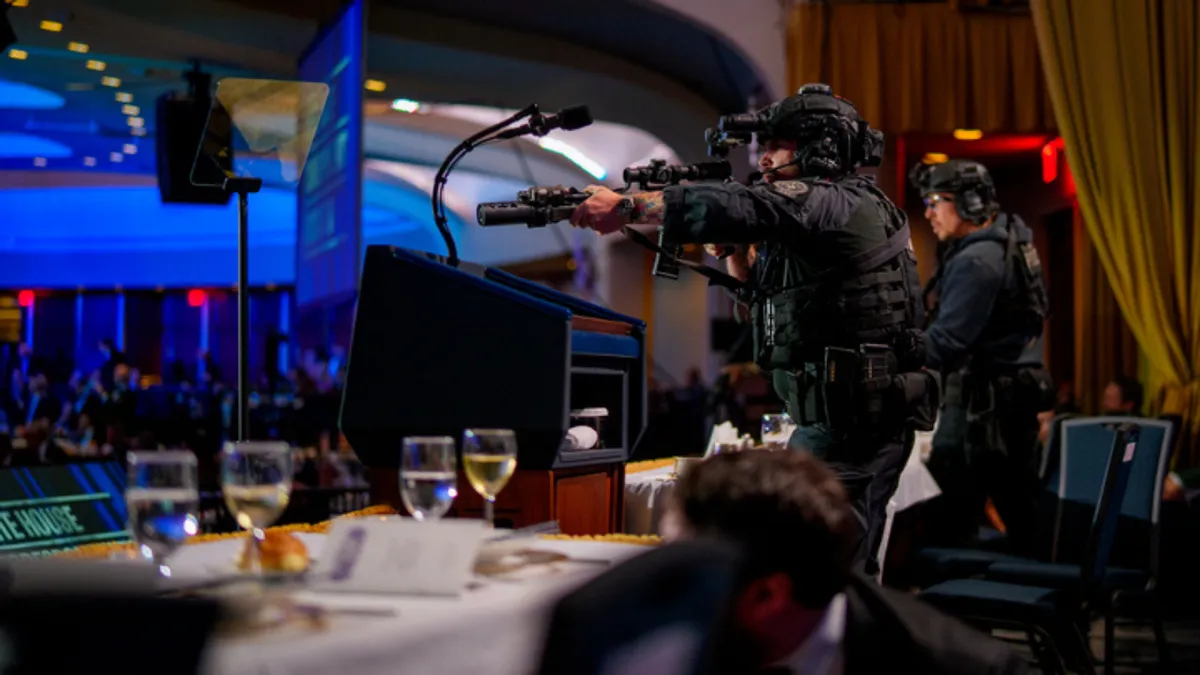
Furthermore, the Posse Comitatus Act generally prohibits the use of U.S. military forces for civilian law enforcement. However, exceptions like the Insurrection Act allow the President to deploy troops to suppress insurrections or violent rebellions, but such a move requires careful legal justification and is subject to judicial review. Courts have shown skepticism towards broad use of this law, emphasizing that such deployments require clear evidence of rebellion or insurrection, as seen in recent legal disputes over deployments in Oregon and Illinois.
Facts Versus Rhetoric: The Real Situation in Portland and Chicago
In Portland, despite Trump’s rhetoric about unrest and chaos, official data shows that protests are mostly peaceful, with minimal fires or violence. The claims of “fire and brimstone” are largely exaggerated, with fire calls seeing only a small increase compared to previous years, attributed to seasonal dryness and vegetation fires, not urban chaos. Moreover, police have reported that arrests are primarily made on the basis of individual criminal behavior, not ideological affiliations like anarchism or anarchists, contradicting claims that protesters are “professional agitators.”
Legal challenges from local officials and courts have temporarily blocked federal attempts to deploy troops in both Portland and Chicago. In Chicago, federal courts found the administration’s claims of an “imminent rebellion” insufficiently supported by on-the-ground evidence, citing the constitutional limits on executive power. Courts have repeatedly emphasized that any military intervention must meet strict criteria under the law, and thus far, legal rulings have, in effect, prevented the administration from deploying troops based solely on its claims of chaos.
The Broader Implications for Democracy and Civic Responsibility
Accurate, evidence-based reporting is fundamental to responsible citizenship in a democracy. Overstating threats or misrepresenting the realities of urban unrest erodes public trust and complicates legal and ethical deployment of military resources. As experts and courts have demonstrated, deploying federal troops is a serious action that must be grounded in concrete evidence and lawful authority, not political rhetoric. The ongoing legal debates and court rulings highlight the importance of checks and balances in safeguarding Americans’ constitutional rights and maintaining democratic accountability.
In conclusion, the facts reveal that the claims of imminent chaos, rampant violence, and the necessity of federal military intervention in Chicago and Portland are misleading or exaggerated. While crime remains a concern, the proper approach involves adhering strictly to legal standards and respecting local sovereignty, not rushing to deploy the military absent clear grounds. Protecting the integrity of these constitutional processes is essential for a healthy, functioning democracy—an endeavor that depends on truthful reporting and careful judgment from both policymakers and the public.