AI-Generated Poverty Imagery Sparks Ethical Debate in Society
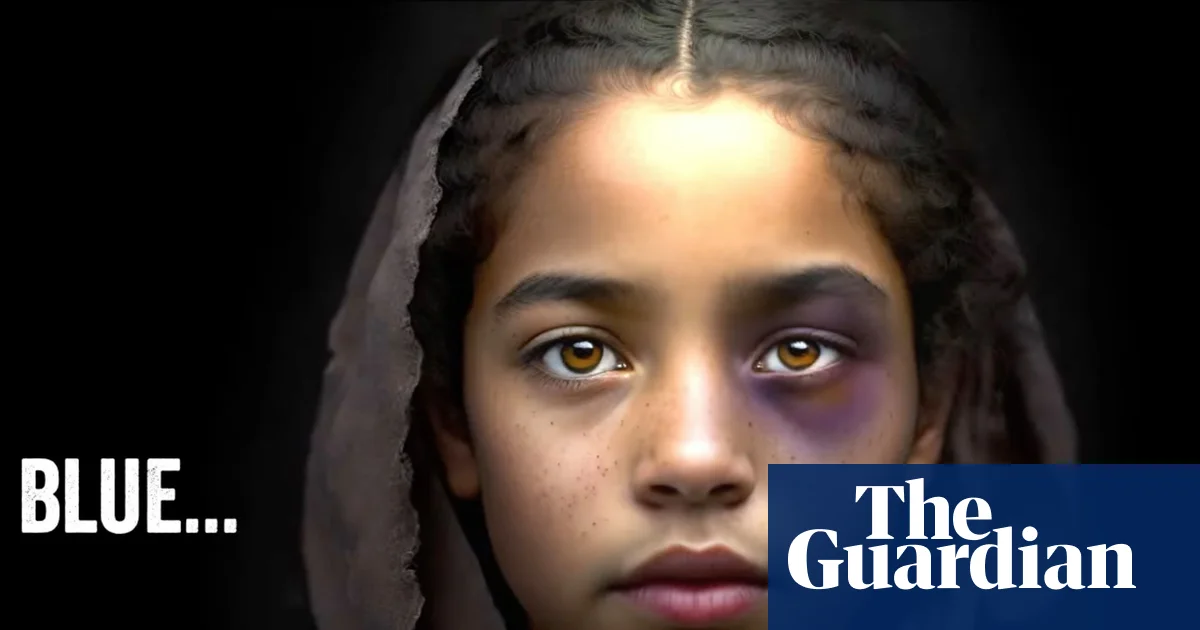
In recent years, the landscape of global development and humanitarian advocacy has been inadvertently transformed by the rise of artificial intelligence-generated imagery, a development that many sociologists and social commentators view as a double-edged sword. Stock photo giants like Adobe and Freepik are now flooded with AI-created images depicting extreme poverty and human suffering, such as children in refugee camps or victims of violence, often accompanied by captions that reinforce stereotypes. According to Noah Arnold of Fairpicture, these images are being used extensively, not just for their low cost but because they circumvent issues of consent and ethical considerations. This raises profound moral questions about how society visualizes and commodifies the suffering of vulnerable populations.
This shift in imagery is not merely a matter of aesthetics but has profound impacts on families, education, and community perceptions. Sociologists like Arsenii Alenichev argue that such images replicate a “visual grammar of poverty,” often portraying stereotypical scenes—children with empty plates, cracked earth—that shape public perceptions in ways that can deepen social stigmas and misconceptions. For families living in poverty, these images risk turning their real struggles into simplistic visual narratives, stripping away the nuances of resilience and community strength. Furthermore, educators and policymakers must grapple with the ideological influence of such “poverty porn,” which risks reinforcing societal divides rather than fostering informed empathy.
In the realm of global health and humanitarian outreach, organizations like the UN have historically used images — and now AI-generated visuals — to raise awareness and mobilize support. However, the ethical implications have become increasingly contentious. For instance, in 2023, the UN posted a video featuring AI-generated re-enactments of sexual violence, which was swiftly removed amid concerns over the manipulation of truth and the potential for misinformation. As social critics and historians highlight, this blurring of fact and fiction threatens to undermine trust and distort public understanding of real crises. Meanwhile, some NGOs, such as Plan International, have taken steps to adopt guidelines explicitly discouraging the use of AI in portraying individual children, to protect their dignity and privacy. Yet, the proliferation continues, fueled by the economic incentives to supply compelling visuals without the moral obligation to authenticity.
Ultimately, the societal consequences of AI-mediated suffering are profound, threading through every layer of community life—from families to institutions. As social commentator and historian Yuval Noah Harari warns, our society faces a critical juncture where images of hardship may do more harm than good if they lack authenticity and ethical oversight. Despite these challenges, hope remains that with deliberate restraint and moral clarity, technology can be harnessed not to exploit or distort, but to illuminate and empower. Society must forge a path where technology serves justice and dignity—a future where compassion is rooted in truth and respect, and where the human spirit endures amidst adversity, illumined by genuine hope rather than manipulated images.