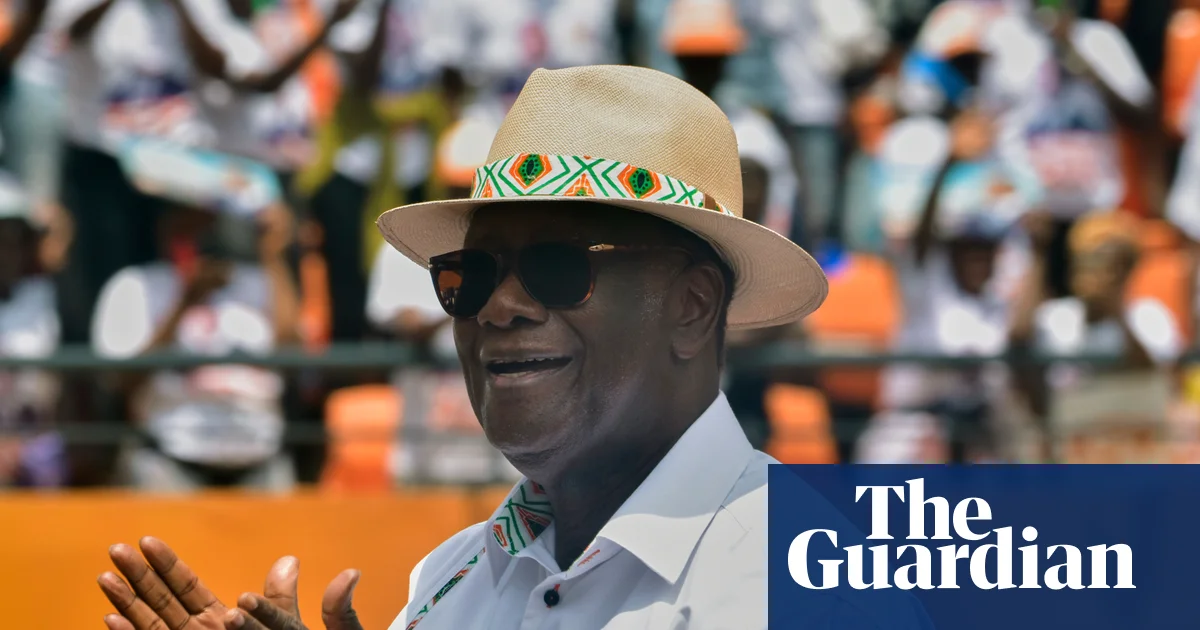
The recent developments in Ivory Coast reveal a nation at a crossroads, where progressive infrastructure projects clash with mounting political unrest, exposing the undercurrent of underlying societal discontent. President Alassane Ouattara has long championed a narrative of growth and stability. In 2023, he proudly inaugurated a bridge named after himself in Abidjan, proclaiming it a symbol of modernity and national revival. However, beneath these achievements lies a volatile political landscape, with protests escalating and dissent brewing among the youth and opposition factions. Analysts warn that such conflicts threaten the very fabric of future stability in the country, which is already grappling with numerous socioeconomic challenges.
A Nation Divided by Politics and History
Since taking office in 2011, Ouattara has presided over rapid economic growth, built prominent infrastructure, and sought to leave behind the violent crises that once plagued the nation. Yet, his decision to run for a controversial fourth term has ignited fierce opposition, with protests turning increasingly intense. Over the past month, more than 200 protesters have been teargassed and detained, revealing a government that appears more intent on quelling dissent than addressing its root causes. Opposition leaders, including the historic figure Simone Gbagbo, have denounced the electoral process, claiming that the disqualification of candidates like Tidjane Thiam and the sidelining of figures such as Laurent Gbagbo demonstrate a descent into exclusionary politics. For many, the events echo past political upheavals—where the specter of civil conflict has loomed large—casting a shadow over recent progress.
Geopolitical Echoes and Disinformation Strategies
The internal strife within Ivory Coast is compounded by what international observers describe as a deliberate campaign of disinformation. A rising tide of fake news, often traced to pro-Russian, anti-France sources based in neighboring Burkina Faso, seeks to discredit Western influence and exacerbate divisions. As Vanessa Manessong of the African Digital Democracy Observatory notes, this information warfare aims to undermine traditional alliances, deepen suspicion, and destabilize democratic processes. Such tactics are not new; history shows how misinformation can serve as a tool of foreign actors to exploit internal vulnerabilities, especially in fragile democracies. The ongoing crisis in Mali and the chaos in eastern Burkina Faso serve as cautionary tales, illustrating how regional instability can easily spill into neighboring nations, transforming internal dissent into a broader geopolitical contest.
Decisions that Reshape Societies and the Path Forward
The choices made in Abidjan now carry profound consequences for the nation’sfuture trajectory. Domestically, economic development is undermined by rising inequality, soaring living costs, and a life expectancy that lingers at just 59 years. The government’s narrative of rural electrification and poverty reduction faces skepticism amidst reports of disenfranchised youth and widespread disillusionment. International organizations, including the United Nations, warn that suppressed dissent could ignite violence, while traditional diplomatic alliances are tested by the internal divisions and rising populist rhetoric. With over 44,000 security personnel deployed to safeguard the electoral process, and opposition factions demanding reforms, the country stands on the brink of a pivotal moment—where the actions of political leaders may either forge a resilient democracy or plunge the nation into chaos.
As the world watches, history’s pen continues to carve its narrative—its pages inscribed with the hopes and struggles of a society caught between progress and upheaval. The coming days may reveal whether Ivory Coast will forge a new path rooted in legitimacy and unity or succumb to the turbulence of unresolved grievances. The weight of history presses down, reminding us that the decisions made now are not merely about an election—they are about the very soul of a nation, and how it will be remembered in the vast story of the African continent’s unfolding story.