Hurricane Melissa’s Devastation: A Regional Wake-Up Call
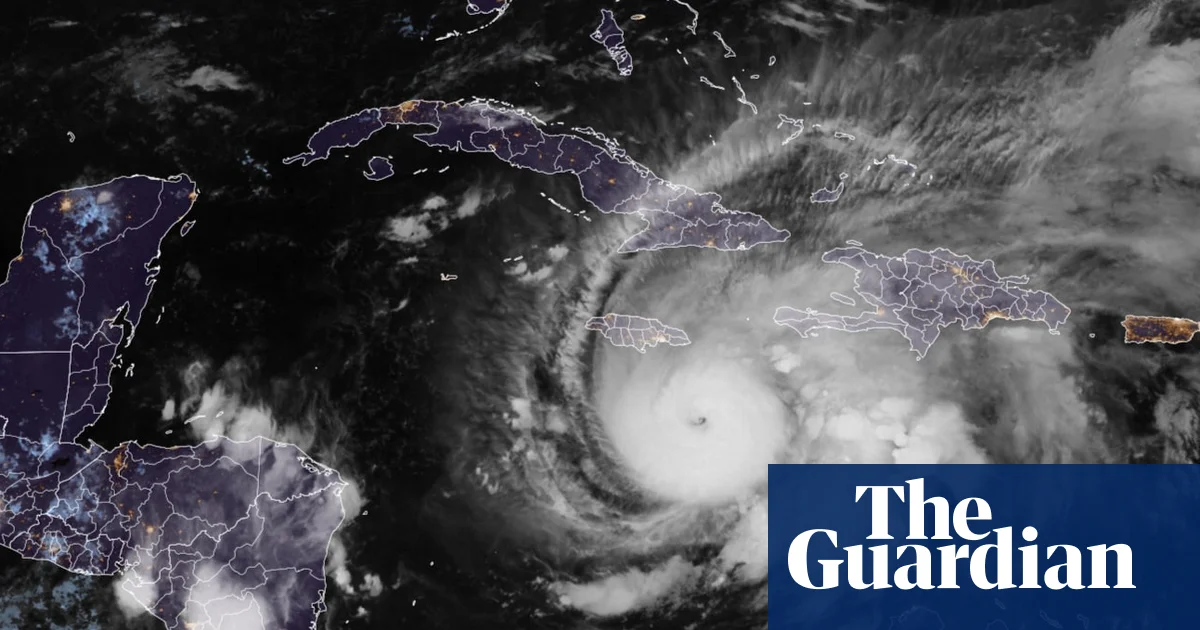
As Hurricane Melissa intensified into a formidable category 4 storm, its wrath exposed the fragile infrastructure and socio-economic vulnerabilities of the northern Caribbean. With sustained winds reaching 145 mph and predictions of further strengthening to category 5, the storm posed a grave threat not only to Jamaica but to the neighboring nations of Cuba, Hait, and the Dominican Republic. The escalating crisis has reignited discussions among international analysts and historians about the geopolitical and societal consequences of climate-driven natural disasters. The clear message from experts such as Dr. Elizabeth Thompson, a prominent climate historian, indicates that increasing hurricane activity is not just an environmental issue but a direct challenge to regional security and stability.
Official Responses and Societal Resilience
- Jamaica’s government, led by Prime Minister Andrew Holness, swiftly imposed mandatory evacuations across several vulnerable areas, including Port Royal—an ancient fishing village that witnesses frequent natural threats due to its low elevation and exposure.
- Local authorities have activated 881 shelters and closed international airports, signaling a crisis response aimed at shielding citizens from the storm’s brutal forces. Desmond McKenzie, the Minister of Local Government, grimly warned that “many of these communities will not survive the flooding,” emphasizing the severe risk to urban and rural populations alike.
- Despite warnings, some residents—like Ann Marie Chamberlain in Port Royal—chose to stay behind, citing a history of traumatic shelter experiences and a belief in divine protection. Such decisions illustrate the deep-rooted cultural narratives that influence risk perception in the Caribbean. Meanwhile, other locals, like Derrick Powell, have expressed skepticism about shelters’ safety, highlighting a complex social dynamic that complicates evacuation efforts.
Geopolitical and Regional Implications
The slow movement and rapid intensification of Melissa exemplify the increasing unpredictability of climate patterns, a phenomenon that has significant geopolitical impact. As the Caribbean faces up to its most active hurricane season on record—predicted by the NOAA to produce 13 to 18 named storms—international organizations warn that the region’s political stability, economic growth, and disaster preparedness are all under unprecedented strain. The storm’s trajectory towards Cuba and the Bahamas underscores the interconnectedness of Caribbean nations, where a natural disaster in one country often cascades into broader regional crises involving food security, refugee flows, and infrastructure resilience.
Analysis from organizations like the United Nations highlights how international cooperation and aid are critical to mitigate these threats. Yet, governments must balance immediate disaster response with longer-term resilience strategies, including climate adaptation and urban planning reforms. The storm’s devastation, which has already claimed lives in Haiti and caused widespread destruction in the Dominican Republic, exemplifies how political fragility in these states exacerbates disaster impacts. The rising river levels, destroyed bridges, and flooded communities act as stark reminders of the necessity for robust regional coordination in times of crisis.
The Weight of History and Humanity’s Future in View
For centuries, Caribbean societies have faced similar crises—each storm etching a new chapter into their turbulent history. Today, Hurricane Melissa stands as a stark warning, a symbol of nature’s unyielding power and the urgent need for global action. As residents like Ann Marie Chamberlain express unwavering faith, and authorities scramble to provide safety, the unfolding narrative underscores humanity’s ongoing battle with an environment increasingly altered by climate change. How nations respond today will shape their resilience tomorrow, with the weight of history reminding us that these storms are not just meteorological events but chapters in a larger story of survival, sovereignty, and the enduring fight for a secure future amidst a changing climate. The storm is brewing, and the world’s eyes remain fixed on the Caribbean—a region on the frontlines of a global crisis that refuses to be ignored.