Snabbit’s Rapid Expansion Signals Disruption in India’s On-Demand Home Services Market
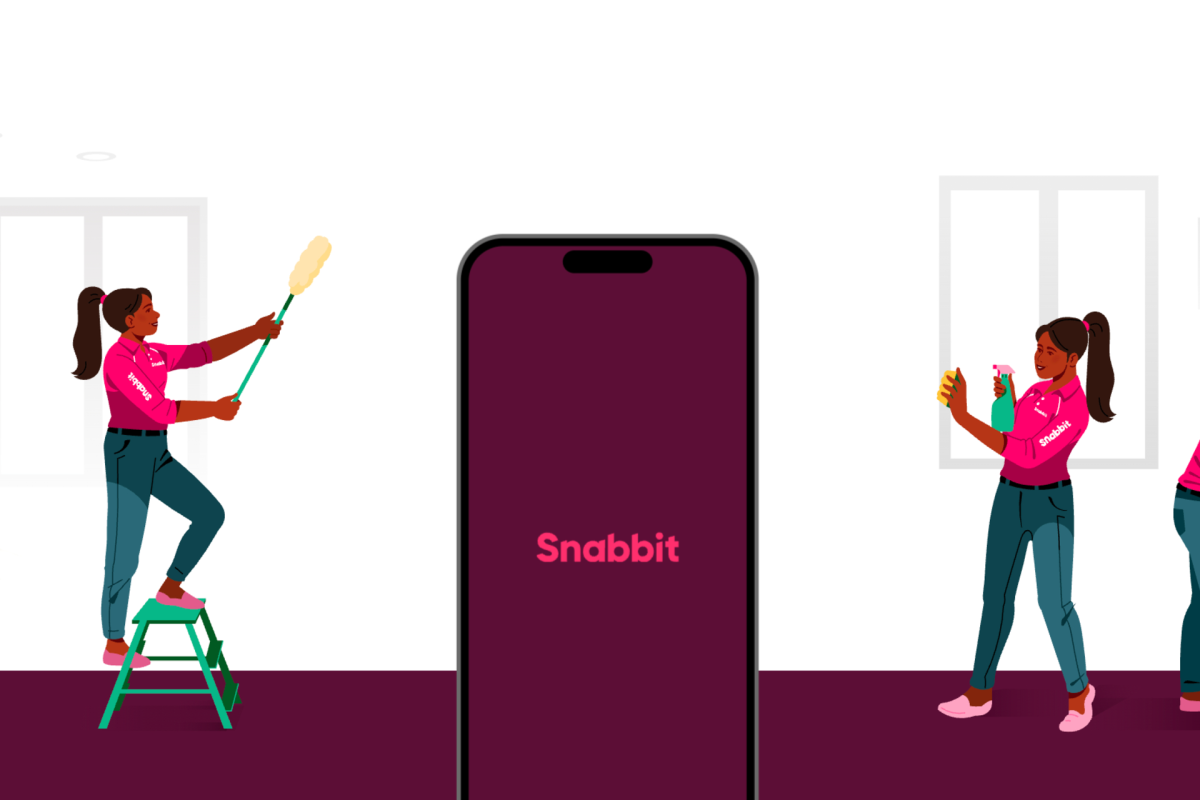
In a clear indication of how consumer demand for instant convenience continues to reshape industries, Snabbit, an innovative home-help startup based in Bengaluru, has secured a fresh infusion of $30 million in Series C funding, propelling its valuation to $180 million. This accomplishment underscores a broader trend of disruption within the traditionally offline domestic services sector, driven by scalable on-demand digital platforms promising quick, reliable service with minimal friction. With the backing of prominent investors like Bertelsmann India Investments, alongside existing supporters Lightspeed, Elevation Capital, and Nexus Venture Partners, Snabbit’s momentum emphasizes a shift in how urban Indians access household help, aligning with the global trend of disruptive innovation in gig and platform economies.
Founded merely in 2024, Snabbit has transitioned swiftly from concept to market leader within its micro markets, delivering over 300,000 orders and increasing daily bookings from just 1,000 to more than 10,000 in a matter of months. Such rapid growth emphasizes the scalability of hyperlocal, tech-enabled service delivery—a model gaining traction worldwide, including giants like Urban Company. Spearheading this wave are features including
- 100% women-led workforce of 5,000 specialists
- Service options ranging from cleaning to kitchen prep, laundry, and dishwashing
- Delivery within 10 minutes, leveraging dense urban networks
The startup’s strategic focus on deep, micro-market penetration over broad geographic expansion exemplifies a significant industry displacement: the era of “scale first” is giving way to “depth first” approaches that emphasize customer loyalty and local dominance. In the words of analyst firms like Gartner, this indicates a fundamental industry shift whereby hyperlocal, on-demand platforms will define urban consumer experiences. Furthermore, Snabbit’s targeted expansion into categories like cooking and elderly care signals an understanding that integrated, high-frequency services will be the next frontier for maximum disruption and revenue growth, potentially transforming household economics in India’s dense urban centers.
Indeed, the implications for traditional offline domestic help models are profound. With cost-efficient, on-demand solutions costing around ₹150 ($2) per hour and workers earning competitive salaries ($284–$340/month), startups like Snabbit are setting new standards for worker engagement, service quality, and consumer choice. As Peter Thiel and other Silicon Valley visionaries have long argued, disruption is about transforming fundamental market dynamics rather than merely digitizing existing models. In this context, the rising tide of innovation in Indian on-demand home services foreshadows the emergence of a globally competitive, tech-driven household services industry that could outpace more traditional sectors.
Looking ahead, the key question revolves around how incumbents and new entrants will adapt to this wave of disruption. With the continuous flow of venture capital, ongoing technological advancements, and increased consumer acceptance, the race for micro-market dominance is intensifying. Initiatives integrating AI, advanced logistics, and localized data analytics will be critical to sustain momentum and secure a competitive edge. As India’s digital economy accelerates, it is imperative for investors, entrepreneurs, and established players alike to recognize that this is not merely a regional trend but a harbinger of a fundamental shift in global domestic help markets. The future belongs to those who innovate at the micro-level, creating urban ecosystems where instant, reliable services become not just a convenience, but an unavoidable norm.