In a significant development that underscores the ongoing recalibration of historical narratives and diplomatic relations, Spain has publicly expressed remorse for the pain and injustice inflicted upon the Indigenous peoples of Mexico during its colonial conquest. This shift in tone marks a departure from years of diplomatic tensions and denotes a broader reconsideration of colonial histories that have long haunted international relations. After years of reluctance, Spain now acknowledges its role in a painful chapter of world history—an acknowledgment that many analysts see as an attempt to soften its global image and reinforce diplomatic ties within Latin America and beyond.
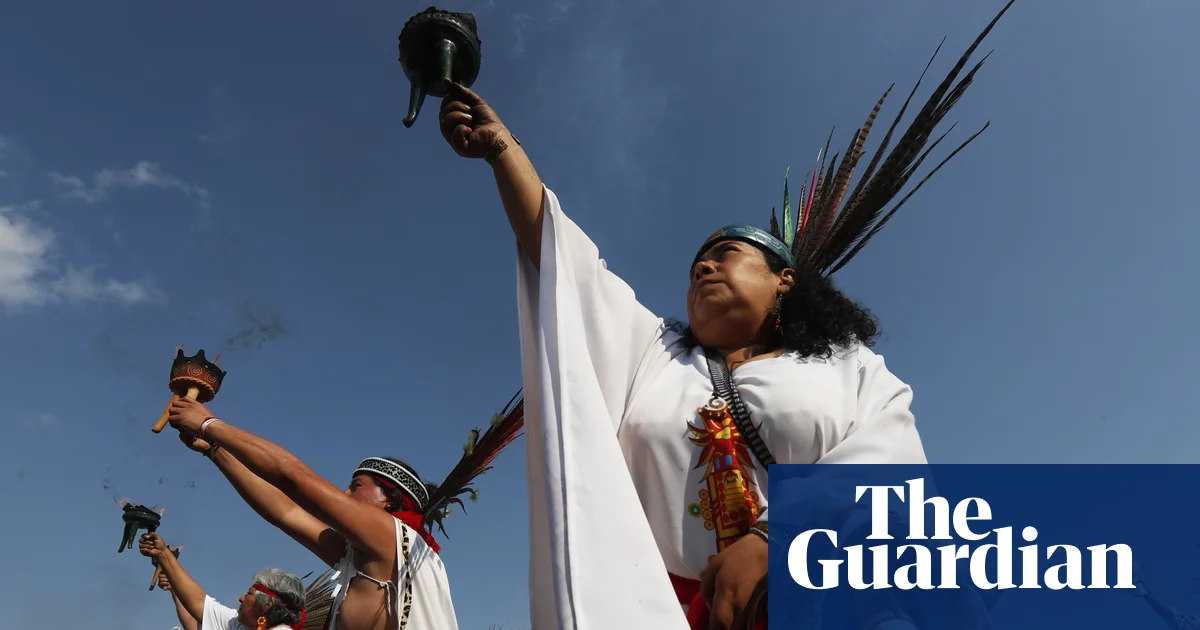
This time, the gesture comes amidst renewed calls from Mexico’s President Claudia Sheinbaum for a formal apology. In March 2019, Mexico’s then-president, Andrés Manuel López Obrador, had urged King Felipe VI and Pope Francis to address the atrocities committed during the conquest, including massacres and systemic oppression. Four years later, the Spanish Foreign Minister, José Manuel Albares, has responded with a more conciliatory tone. During an exhibition inauguration dedicated to Indigenous Mexican women, Albares reflected on “the countries’ joint history”—a statement that political analysts interpret as a strategic recalibration amidst shifting regional dynamics.
Global institutions have started to weigh in on the matter, recognizing the importance of historical memory in shaping contemporary geopolitics. While some see statements of remorse as symbolic gestures, others argue that such apologies serve to build a platform for future collaboration, countering rising anti-colonial sentiments and fostering political stability.
- Key events include Mexico’s 2019 appeal for an apology, and the recent Spanish acknowledgment that emphasizes “a first step” towards reconciliation.
- International repercussions involve potential shifts in diplomatic alignments, especially as Spain seeks to bolster its influence within Latin America, where indignation over colonial abuses remains strong among growing youth populations.
- The consequences for societal perception are profound, as recognition of past wrongs can catalyze debate about justice, reparations, and the legacy of colonialism in shaping modern identities.
Historically, the conquest of Mexico in 1519 marked the beginning of centuries of Spanish dominance, characterized by conquest, cultural upheaval, and the forced conversion of Indigenous populations. Yet, as international organizations like UNESCO and historians worldwide document this era, a new narrative emerges—one that calls for accountability, acknowledgment, and a reevaluation of what it means to belong to a shared history. The recent overtures by Spain, though symbolic, hint at an underlying shift in the geopolitical landscape—where past injustices are no longer hidden beneath diplomatic silence but are brought into the light of contemporary dialogue.
As global powers navigate this fragile terrain, the weight of history presses inexorably forward. Spain’s admission of guilt is not merely a historical footnote; it is a turning point that reverberates across borders, igniting debates about justice and sovereignty. With each diplomatic gesture, the past and present intertwine, shaping the future of international relations. In this unfolding story of reconciliation, history’s pen continues to write, leaving us to ponder: How will this chapter be remembered in the annals of a world still finding its moral compass? The answer remains unwritten, and the shadow of history continues to cast its long, indelible shadow across the pages of history’s ongoing narrative.