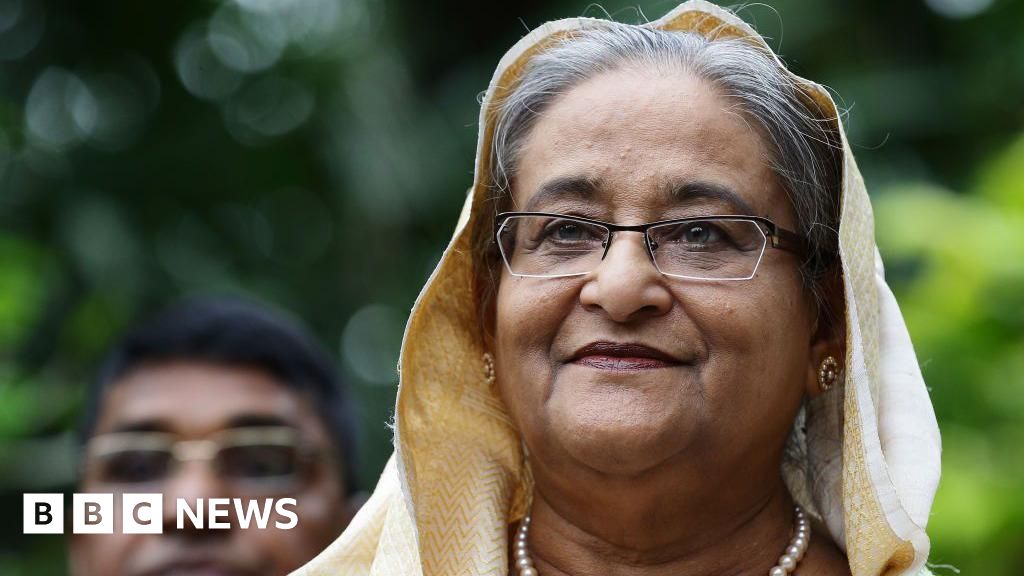
In a dramatic turn of events that has sent shockwaves across South Asia and beyond, Bangladesh witnesses a historic upheaval as its longstanding leader, Sheikh Hasina Wazed, faces a court ruling that could mark a new era for the nation. After more than two decades of dominance, Hasina, initially celebrated for her patriotic fervor and economic reforms, now stands convicted by a special tribunal in Dhaka of crimes against humanity, culminating in a death sentence. Her trial, linked to the violent suppression of mass protests earlier this year, underscores a critical turning point in the country’s political history, with profound geopolitical repercussions.
The charges stem from her alleged orders to security forces during the tumultuous months of July and August 2024—a period marked by widespread unrest, civil disobedience, and violent crackdowns that resulted in hundreds of deaths, including the tragic loss of at least 52 lives in a single day. UN human rights investigators documented up to 1,400 deaths, largely caused by gunfire from security forces, revealing systemic, deadly efforts by the government to quash dissent. This intense period of violence not only ended Hasina’s two-decade rule but also exposed the darker underbelly of her regime, which critics say pivoted from democratic aspirations to authoritarian control. Such accusations echo the warnings of analysts who have long warned that the consolidation of power through repression could undermine Bangladesh’s fragile democracy and destabilize its position within the geopolitical landscape of South Asia.
International organizations, including Human Rights Watch and the United Nations, have condemned the violence and escalation of authoritarian tactics. The tribunal’s verdict has resulted in a fierce political divide, with supporters decrying the proceedings as politically motivated, while opponents herald it as justice for victims of state violence. Meanwhile, India and China watch carefully, aware that the outcome may recalibrate regional alliances. The shift in Bangladesh’s political landscape could embolden anti-establishment voices and threaten the stability of the South Asian subcontinent, which has been increasingly characterized by diplomatic rivalries and shifting alliances.
Historian Dr. Rahul Sengupta notes that these tumultuous developments aren’t isolated but resonant of global patterns where the consolidation of ‘power at any cost’ risks undermining democratic institutions. As Bangladesh grapples with the aftermath of Hasina’s ousting, the question remains: will this upheaval serve as a cautionary tale for emerging democracies or as a justification for authoritarian measures under the guise of stability? The world holds its breath as the nation confronts its complicated legacy—one built on progress shadowed by repression—and faces the uncertain reality of how its future decisions will influence regional security and international relations in the years to come.
As history continues to unfold, the story of Bangladesh reminds us that the forces shaping nations are often as turbulent and unpredictable as the waves that crash upon its shore—serving as a stark reminder that the true weight of history is often borne on the shoulders of those caught in its relentless tide.