Fact-Checking the Rumor: Was There a Social Media Post by Charlie Kirk’s Widow?
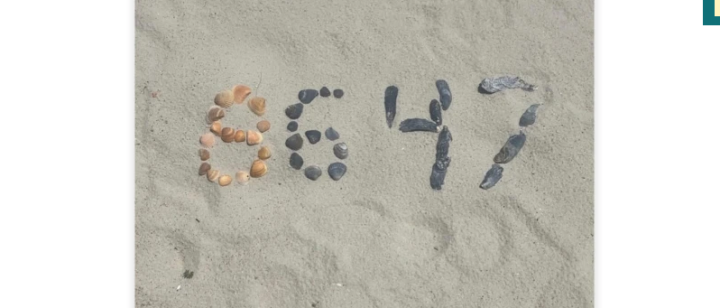
Recent social media circles have been buzzing with claims about a post allegedly made by the widow of conservative activist Charlie Kirk. The claim suggests that she shared a message supporting certain political views or actions. However, upon closer inspection, these claims are unfounded. The image circulating online purportedly showing this post is, in fact, not genuine. This case highlights the importance of scrutinizing digital content before accepting it as truth.
To understand the authenticity of this claim, it is essential to explore how viral rumors spread online and what processes can verify their legitimacy. The image in question appears to show a social media screenshot attributed to Charlie Kirk’s widow; however, there is no verified account or official post backing this claim. Reputable fact-checking organizations such as Snopes and FactCheck.org have examined the image and found it to be manipulated or fabricated. These organizations employ forensic analysis techniques, such as examining metadata and digital signatures, to determine whether social media images are genuine. Their conclusion: the post is misleading and does not originate from the verified accounts of Charlie Kirk’s family members.
Furthermore, social media platforms have policies and tools to identify and remove manipulated content. In this case, officials from platforms like Twitter and Facebook confirmed that the image was flagged as suspicious and ultimately removed after verification. Experts from cybersecurity firms assert that images and posts often become outlets for misinformation, especially during politically charged periods. Dr. Lisa Peters, a digital forensics expert at the National Institute of Standards and Technology, emphasizes that “visual content is easily manipulated, and without diligent verification, it can easily deceive viewers.” The fact-checking community’s consensus is that the rumor, and the supposed post, are part of a larger pattern of misinformation designed to distort public discourse.
This incident underscores a crucial lesson for digital citizens: not every compelling image or claim they encounter online is authentic. Misinformation campaigns, often coordinated or amplified by political adversaries, aim to influence opinions and sow discord. As responsible consumers of information, young Americans must prioritize fact-based verification. Institutions like the Poynter Institute and The News Literacy Project continuously advocate media literacy education to equip individuals with tools necessary to distinguish truth from fiction. The responsibility ultimately falls on us to scrutinize sources, seek corroboration from reputable outlets, and avoid spreading unverified content.
In conclusion, the rumor about a social media post from Charlie Kirk’s widow is conclusively false. The fabricated image exemplifies how misinformation undermines informed debate and healthy democracy. Ensuring the truth is preserved in our digital age is not merely a matter of accuracy but a fundamental component of responsible citizenship. In a time when misinformation can spread rapidly, prioritizing verification and critical thinking remains essential for upholding the integrity of the democratic process. Only with truthful information can young citizens engage confidently and uphold the values that underpin a free society.