In a world where geopolitical stability often hinges on economic strength, military power, and diplomatic influence, recent developments in the realm of international health and technological innovation serve as a stark reminder of how decisions in one sector can ripple across nations. A compelling example emerges from India, where groundbreaking research at Maulana Azad Medical College has shed light on the subtle yet profound impact of musical intervention during surgeries. This seemingly modest discovery could herald a new paradigm—reducing drug dependency in operating theatres worldwide and possibly lowering the healthcare burden for developing countries, ultimately affecting global health policy and economic stability.
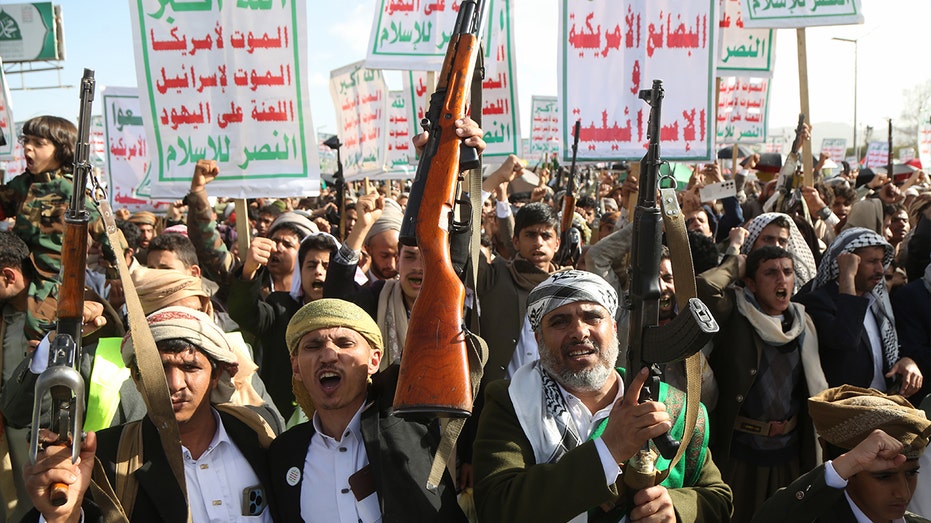
Meanwhile, across the Atlantic and in Europe, the global scene grows increasingly tense as geopolitical competitors vie for influence, often leveraging strategic alliances and regional conflicts. Under the shadow of ongoing conflicts, such as the Ukraine crisis and tensions in the South China Sea, international institutions face mounting pressure to maintain stability without escalating hostilities. These crises serve as a stark warning: decisions made in distant theatres of conflict may deeply influence economic markets, global security, and even technological partnerships. Analysts warn that ongoing disputes threaten to fragment the international order, forcing nations to reassess their strategic alignments and defense postures in a multipolar world.
Within this web of shifting alliances and regional conflicts, the United States and China emerge as central actors, each vying to cement their influence through trade, technology, and military preparedness. Institutions like the United Nations emphasize diplomacy, yet the reality remains that power politics are increasingly characterized by a competition for technological mastery and economic dominance. As AI developments, cyber capabilities, and emerging markets grow in importance, so too does the importance of aligning national interests with broader geopolitical strategies. It is clear from the perspectives of international analysts and historians that this era is shaping up to be one of the most pivotal since the Cold War, with repercussions that could determine the global order for decades to come.
In this unfolding chapter of history, the delicate balance of peace and conflict is often dictated not just by treaties or military might, but by capacity to innovate, adapt, and influence societal perceptions on a global scale. As nations grapple with the long-term effects of recent upheavals and scientific breakthroughs—such as the integration of music into anesthesia care—the world stands at a crossroads. Will humanity harness its collective resources to promote stability and prosperity, or will the chaos of competing interests lead to an irreversible fracture of the world order? The answer lies in the choices that policies, leaders, and societies make now—decisions that echo through the corridors of history, their weight still unfolding, as the future of the world hangs precariously in the balance amidst the ongoing march of history’s relentless tide.