India-Thailand Diplomatic Movements After Goa Nightclub Tragedy
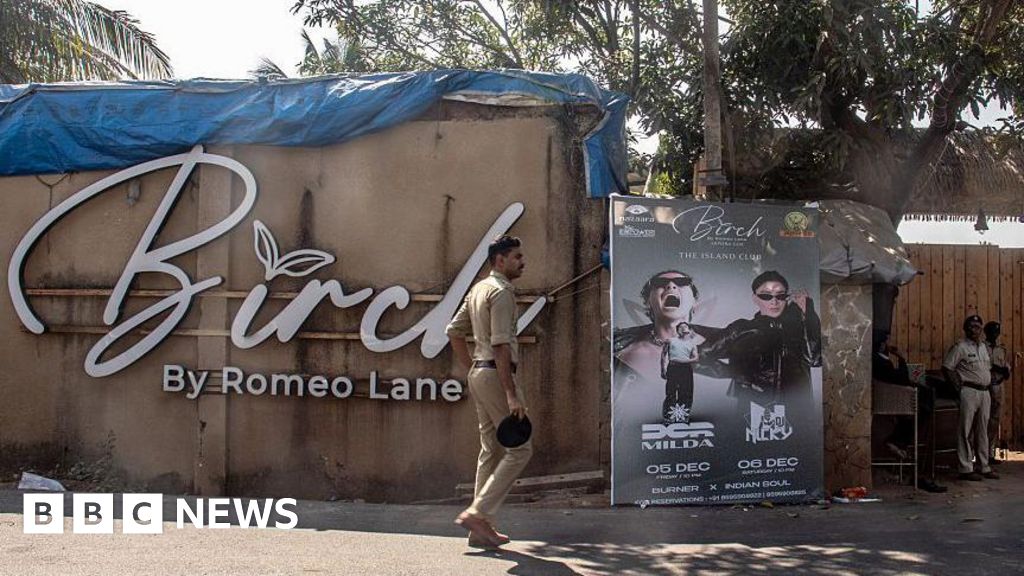
The recent fire at a nightclub in Goa, India, which claimed the lives of 25 individuals, has triggered a significant diplomatic and legal response that underscores the interconnectedness of
geopolitical considerations in the modern era. The incident, believed to have been caused by fireworks ignited inside the club, not only exposes lapses in safety regulation but also acts as a catalyst for international law enforcement cooperation. Two brothers, Gaurav and Saurabh Luthra, owners of the Birch By Romeo Lane nightclub, fled the scene—initially escaping to Thailand—prompting immediate action from Indian authorities and drawing international attention to their flight and potential evasion of justice.
The decision of the Indian government to revoke the brothers’ passports and to involve Interpol exemplifies the growing posture of nations asserting legal authority beyond borders in the pursuit of accountability. India’s ambassador to Thailand, Nagesh Singh, confirmed the detention of the Luthra brothers in Phuket, demonstrating how the alliances of transnational law enforcement are increasingly vital in tackling crimes that extend beyond national jurisdictions. Analysts suggest that this stark image of fugitives fleeing justice highlights the shifting landscape of international cooperation, as India seeks to assert its sovereignty in a broader geopolitical context where safety, accountability, and sovereignty are reaffirmed as national priorities.
For India, this incident serves as a stark reminder of the importance of robust national regulatory frameworks, particularly in regions heavily reliant on tourism—such as Goa, a former Portuguese colony known for its beaches and vibrant nightlife. The Goa government’s swift move to arrest six individuals involved and pledge more arrests reflects a determined effort to restore public confidence and demonstrate sovereignty strength. Conversely, the brothers’ statement claiming they “never intended to evade” the law and their willingness to cooperate signals a potential shift in legal dynamics, though critics warn this should not diminish the need for strict accountability. As international organizations and historians continue to analyze the incident, the case underscores how local tragedies have become flashpoints for broader geopolitical narratives and how decisions made today will influence the perception of judiciary authority and sovereignty in the years ahead.
This tragedy, in its veneer of criminal negligence and international flight, reveals the complex dance of global diplomacy and law enforcement. The case vividly illustrates that in an era of rapid travel and interconnected markets, even a single night of chaos in Goa can ripple across borders, prompting international agencies to act decisively. The impending return of the Luthra brothers to face justice symbolizes more than just a criminal case; it embodies the ongoing geopolitical battle for sovereignty, accountability, and societal trust in a world where every crisis can become a chapter in the larger story of emerging global order. As history continues to unfold, these events underscore the perennial lesson that justice—or the absence of it—resonates at the core of national identity and the international framework that seeks to uphold it.