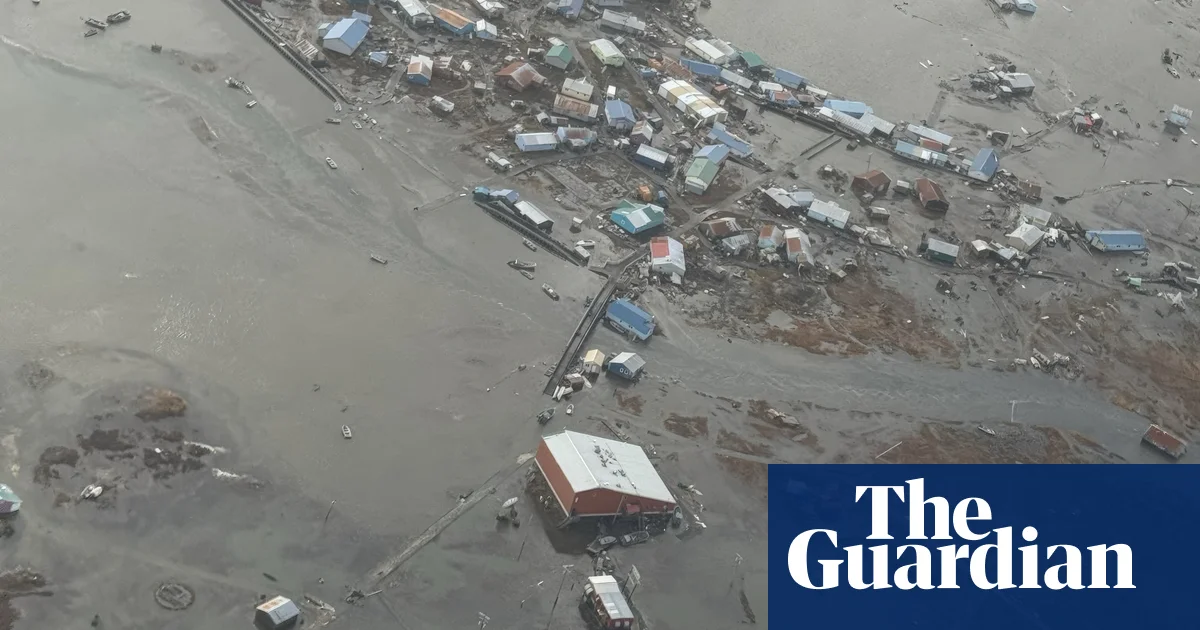
The recent devastating storm in Alaska exemplifies the escalating toll of climate-related disasters and highlights the precarious balance between national preparedness and federal support. The storm, fueled by the remnants of Typhoon Halong, battered remote communities, leaving over 1,500 residents displaced, human casualties, and extensive infrastructural destruction. Local officials, including Senator Lisa Murkowski and Governor Mike Dunleavy, have issued stark warnings about the prolonged recovery process, with Dunleavy predicting it could take up to 18 months for many communities to restore basic livelihoods. Their appeals for urgent federal aid underscore the critical geopolitical issue that arises when a nation faces natural calamities that outstrip regional capabilities.
This crisis not only exposes the vulnerability of Alaska—a state already at the forefront of climate change’s tangible impacts—but also sparks a broader conversation about how the United States manages its resources and its strategic role in disaster response. The decision by the Trump administration to cancel a $20 million EPA grant aimed at coastal erosion and flood prevention in Kipnuk in May raised eyebrows, especially as climate experts warn of increased storm intensity and rising sea levels. Critics argue such cuts reflect a dangerous underestimation of the threat, highlighting a pattern where fiscal austerity and political ideology often undermine preparedness. An international analysis by think tanks underscores that climate-related disasters like this do not respect borders and signify a geopolitical challenge that demands sustained, proactive intervention more than reactive measures.
Moreover, the incident in Alaska reverberates beyond local borders, pressing into international terrain as global climate policies and U.S.-China rivalry on environmental issues come into play. While the Biden administration has signaled a renewed focus on climate resilience, critics argue that actual policy shifts lag behind the rhetoric, leaving vulnerable regions exposed. As United Nations-backed organizations and climate analysts warn of escalation, the importance of strategic alliances and technological innovation in disaster mitigation becomes undeniable. How the most powerful nation in the world responds to natural crises now will shape geopolitical stability for decades—whether it emerges as a leader in resilience or retreats into neglect.
This ongoing saga reminds us that climate disasters are intertwined with geopolitical uncertainties and societal resilience. As winter looms and Alaska struggles to rebuild amidst limited transportation and broadband connectivity, the weight of history presses heavily—signaling that decisions taken today will echo through generations. Will this moment serve as a wake-up call, prompting renewed commitment and strategic foresight? Or will it be just another chapter in the slow unraveling of governance amid global crises? The Earth’s climate and geopolitical landscapes are shifting rapidly, and the world watches keenly as the pages of this unfolding story are written with the stakes of all humanity in mind.