Matox News

Truth Over Trends, always!

Every 80 Seconds: UK Young People Face Rising Cancer Crisis

UK Society Confronts Rising Cancer Treatment Challenges and Broader Social Impacts

The steady rise in cancer diagnoses across the United Kingdom reflects deeper societal shifts that threaten the fabric of families and communities. According to recent reports, one person receives a cancer diagnosis every 80 seconds, a staggering statistic that highlights how carcinogenic lifestyle factors such as obesity continue to influence public health. Instances of cancer have increased from 610 to 620 per 100,000 people in the span of a decade, underscoring the widening gap between societal health crises and our institutions’ responses. While progress in survival rates has been notable—more individuals are living longer post-diagnosis—the pressure on NHS services hampers the ability to sustain this positive trend, threatening to reverse gains made over decades.

Social and Institutional Strains Amplify Human and Family Hardships

  • The NHS, a pillar of public healthcare, faces unprecedented demand, with cancer waiting times deteriorating to record lows. This results in delayed diagnoses and treatments, which exponentially impacts families—parents, children, and elderly dependents—caught in the uncertainty and fear of illness.
  • More than 107,000 patients in the UK waited over 62 days for treatment in 2025, emphasizing how institutional fragility can translate into personal tragedy. These delays not only affect patients’ physical wellbeing but also create profound emotional and financial trauma within families, who often bear the burden of caregiving and additional expenses.
  • In emergency care settings, over 13,000 patients endured more than three days in A&E waiting for admission or discharge—an occurrence that compromises family stability and community trust in healthcare systems. As Mumtaz Patel, president of the Royal College of Physicians, poignantly noted, some patients prefer death at home rather than face such institutional neglect.

Policy Responses and the Need for Societal Commitment

The UK government’s recent national cancer plan signals a recognition of these mounting challenges. However, declaring ambitious goals is not sufficient; tangible funding, staffing, and infrastructural support must follow to truly transform care delivery. Social commentators highlight that the ongoing resource deficit risks halting progress in early detection and treatment, which are critical in reducing mortality and alleviating the emotional toll on families.

Towards innovative solutions, Cancer Research UK advocates for widespread implementation of screening programs—especially for cancers like lung cancer—and the accelerated adoption of advanced diagnostic tests. While government commitments aim to address these issues, regional disparities remain stark; northern parts of the UK are particularly underserved, with calls for national investment resonating across social sectors. As a sociologist might observe, these disparities threaten to deepen societal divisions, impairing community resilience and social cohesion.

Reflecting on Society’s Path Forward

Society’s social fabric is stretched by these health crises, revealing vulnerabilities rooted in demographic shifts and the systemic neglect of preventive care. Yet, amidst these daunting challenges, hope persists. The promise of policy and societal will to bolster healthcare and address emerging social inequalities remains a testament to human resilience. Society faces a moral imperative: to nurture not only the health of its individuals but the strength of its families and communities. It beckons a future where hope is not born from promises alone but woven into a collective effort to redefine society’s capacity for care, compassion, and resilience—ultimately, a society ready to transform adversity into purpose.

Israeli troops face scrutiny after damaging Jesus statue in Lebanon

In a decisive move that underscores the Israeli Defense Forces’ (IDF) strict stance against misconduct, Israel announced the temporary removal of two soldiers from combat duty, accompanied by 30 days of military detention. This disciplinary action signals a pivotal moment reflecting internal military discipline amid ongoing regional tensions. While seemingly routine, such measures carry significant implications for the broader geopolitical landscape of the Middle East and influence both domestic stability and international perceptions of Israel’s commitment to uphold military standards.

Experts and analysts have closely scrutinized this incident, viewing it within the context of escalating conflicts and Israel’s need to project strength and discipline. According to military officials, the decision was made in accordance with established protocols following infractions deemed detrimental to operational readiness and unit cohesion. Historians observing Israel’s military practices note that maintaining discipline in such a volatile environment is essential for national security. Yet, the gesture also serves as a stark reminder that even in a force highly trained for combat, human conduct remains under constant scrutiny—especially as the region’s political waves ripple with uncertainty.

On the international scale, this disciplinary act resonates far beyond Israel’s borders.

  • The United Nations, often criticized for its perceived inability to influence lasting peace in the Middle East, continues to watch Israel’s internal military affairs with interest, understanding that discipline within the IDF impacts regional stability.
  • Neighboring countries such as Lebanon and Syria, routinely volatile zones themselves, interpret such actions as indicative of Israel’s unwavering discipline and readiness, affecting their regional strategies and military postures.

Meanwhile, Washington and other western allies advise caution, emphasizing that internal military discipline is a crucial component in a complex regional security puzzle. International security organizations warn that any perceived weakening of Israeli military standards can embolden groups hostile to Israel, potentially escalating unforeseen conflicts.

In the broader strategic calculus, these internal measures reflect a determination by Israel to project strength in a region rife with uncertainty. As global analysts and historians observe, such disciplinary actions are more than internal affairs; they are emblematic of Israel’s effort to reinforce its deterrence posture. This is especially critical as diplomatic efforts, peace negotiations, and regional alliances continue to shift, highlighting how delicate the balance of power remains in this nation’s ongoing saga. With each disciplinary decision, Israel underscores that it is prepared to uphold its sovereignty through discipline, resilience, and unwavering commitment to its security. Yet as history unfolds in real-time, the question persists: will such internal measures suffice to deter or merely delay the tempest brewing beyond its borders? The answer remains veiled in the shadows of an uncertain future, where the weight of history presses heavily upon the present, and the fate of the Middle East continues to hang in the balance.

Watch: Runners face off against robots at China Half Marathon

In an unprecedented display blending athleticism with technological innovation, Beijing hosted a half marathon race where robots competed alongside human contenders. The event, held on Sunday, drew global attention to the rapid advancements in robotics and artificial intelligence. The standout was Lightning, a state-of-the-art robot developed by Honor, a renowned Chinese smartphone manufacturer. Lightning completed the grueling course in just 50 minutes and 26 seconds—shattering human rival times—and exemplifies the relentless surge of technological progress from the world’s rising powerhouses.

This development signals more than just a breakthrough in robotics; it underscores a broader geopolitical shift where nations vigorously contest technological dominance. China‘s leadership in integrating AI and robotics into public displays of prowess not only boosts national pride but also signals an intent to lead the Next Industrial Revolution. According to analysts at the International Robotics Federation, such demonstrations are strategic, serving as a form of “soft power” that extends China’s influence into the global tech sphere. Meanwhile, the race’s participation metrics—around 40% of robots racing autonomously—highlight a decisive move toward full autonomy in robotics, representing a future transcending traditional human limitations. These advancements are poised to reshape warfare, logistics, and even everyday life, compelling the world’s superpowers to rethink their position in this new era.

Additionally, the event casts a spotlight on how decisions in the technological arena have tangible consequences for international stability and economic power. The race’s timing coincides with mounting concerns over the deepening rivalry between the United States and China, with each nation striving for supremacy in emerging industries. Many experts caution that a misstep or an overinvestment in disruptive technologies could escalate into a new Cold War, just as the global community grapples with issues like supply chain resilience and cybersecurity threats. History reminds us that control over innovation has historically translated into geopolitical leverage, and as China accelerates its push, other nations are watching closely—every move a potential milestone in the shaping of the 21st-century world order.

As the dust settles on this technological showcase, the world remains on the cusp of transformation. The crowning achievement of Lightning not only demonstrates what artificial intelligence can accomplish today but also echoes a warning: the future of geopolitics will likely be forged in the crucible of technological supremacy. Will nations unite to regulate, or will they compete for supremacy? The answer remains etched in the relentless march of progress—a history still being written, with each step shaping the destiny of mankind amidst the thunderous footsteps of machines that now race ahead.

Time to face the facts: Overpopulation is hitting our society hard

As society grapples with accelerating ecological collapse, the entrenched social and economic behaviors that once seemed normal now reveal their destructive underpinnings. Growth economics, wealth inequality, patriarchy, colonialism, military supremacy, nationalism, and pronatalism—these are not just abstract concepts but patterns of thought and action deeply embedded within our social fabric. Sociologists and social commentators have long argued that these patterns function as a “fluency” response, bypassing rational deliberation and fueling a cycle of harm that only exacerbates our planetary crisis. They are reflexive responses rooted in our limbic system, driven by emotion rather than critical awareness, making it exceedingly difficult for societies to transition toward more sustainable and equitable paradigms.

This prevailing mindset has profound consequences for families, education, and community cohesion. Children grow up in environments where economic and social disparities are normalized, often inheriting the same unwise behaviors that threaten their future. Schools may inadvertently reinforce these paradigms, emphasizing consumerism and competition over sustainability and cooperation. Communities divided by race, class, and ideology find it harder to unite around solutions that prioritize ecological balance and social justice. Experts like sociologists and environmentalists are warning that until societies confront these deeply ingrained narratives, efforts to promote wiser social paradigms—such as eco-aware family planning and economic degrowth—may remain stagnant or be dismissed as radical.

Emerging ideas suggest that overhauling these outdated norms requires honest conversations about population overshoot and our collective responsibility. The conversation cannot be hijacked by racist or xenophobic discourses that often surface when fear of immigration is used to distract from systemic issues. Instead, advocates like Barbara Williams from Yarnton, Oxfordshire, emphasize that refined dialogue around eco-aware reproduction and resource stewardship is vital. Such paradigms challenge societal taboos, urging families and communities to embrace choices aligned with sustainability rather than short-term gains or societal pressures. These shifts, while promising, demand a reimagining of what it means to build healthy social and family units capable of withstanding the relentless strains of ecological decline.

Historically, societies that failed to recognize the link between social equity and ecological health suffered eventual collapse or profound transformation. Today, the stakes are even higher. As we confront these entrenched social issues, the path forward may seem daunting; yet, hope resides in collective action rooted in ethical reflection and community resilience. The challenge lies in fostering a society where these social issues are no longer tolerated as cogs in a destructive machine but are instead addressed with honesty and compassion. Society’s true strength will be demonstrated in its capacity to evolve from old patterns toward a future where families, communities, and institutions work in harmony with ecological boundaries—restoring the balance that human civilization so desperately needs. Only then can we look beyond the horizon of despair and envision a society that embraces both humanity and nature in a mutually sustaining dance of renewal.

Nine Indian officers face death over deadly Covid-era custody deaths

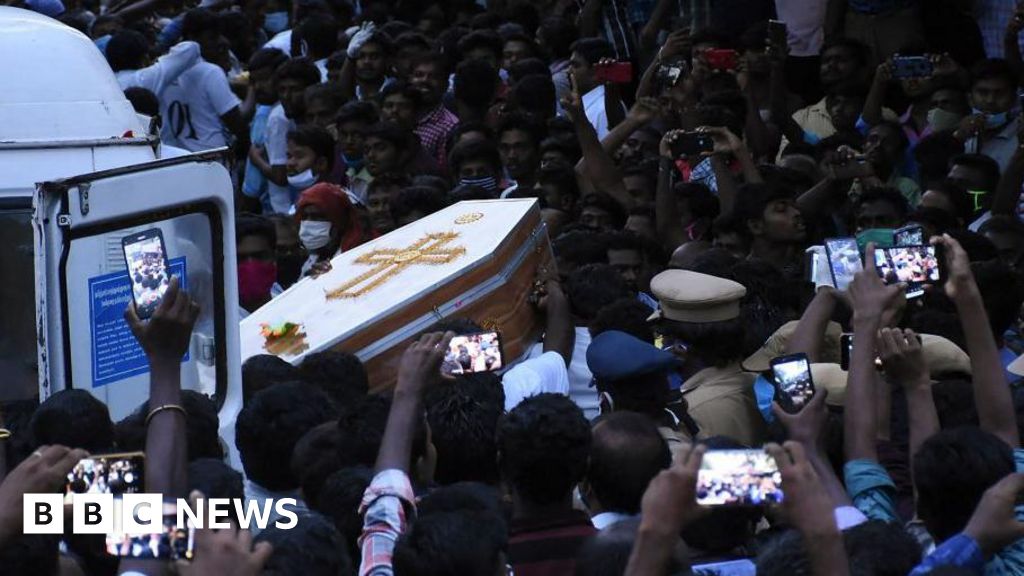
In a heartbreaking incident that has captured international attention, a father and his son tragically died in custody after being detained on suspicion of violating COVID-19 lockdown rules in 2020. This event, while seemingly localized, underscores the profound geopolitical ramifications of pandemic-related enforcement policies, revealing tensions between national security measures and civil liberties. As countries around the world grappled with the unprecedented challenge of containing the virus, the tragic deaths serve as a stark reminder of the human cost embedded within urgent legal and social responses.

Authorities in the involved nation justified the arrests as part of broader efforts to maintain public order during a period of global crisis. However, critics and human rights watchdogs have questioned the proportionality and transparency of such actions. Prominent international organizations, including the United Nations Human Rights Council, issued statements emphasizing the importance of safeguarding fundamental freedoms even amid emergency measures. Analyzing the incident, many historians and political analysts suggest it highlights the delicate balance policymakers must strike—between safeguarding societal health and respecting individual rights—a debate that remains unresolved in many nations. This tragic case underscores how decision-making during crises can have profound consequences, influencing societal trust and the rule of law.

Furthermore, this event has intensified international discourse surrounding government overreach and the potential misuse of power. Several countries, especially those with emerging authoritarian tendencies, observed the case with increasing concern. Experts warn against the normalization of punitive measures that bypass judicial processes, cautioning that such practices could pave the way for erosion of civil liberties on a wider scale. The incident echoes historical warnings from scholars like Hannah Arendt and George Orwell, emphasizing the importance of vigilance and the preservation of individual rights even in times of crisis. As nations confront the ongoing pandemic, the decisions made in the coming months will almost certainly influence the trajectory of civil liberties and governmental authority for decades to come.

In the grand scope of geopolitics, the incident reveals how a moment of tragedy can catalyze wider debates about law, order, and morality. It also affirms that the choices enforced during global emergencies inevitably ripple across societies, shaping national identities and international relations. The memory of the father and son’s deaths will serve as a stark moral compass—warning future policymakers and citizens alike of the peril of sacrificing fundamental rights in the name of security. As history continues to unfold, the question remains: will this tragedy be a catalyst for reform and accountability, or merely another chapter in the ongoing saga of nations wrestling with the balance of power and humanity? The answer lies within the unfolding narrative, still being written amidst a turbulent global landscape.

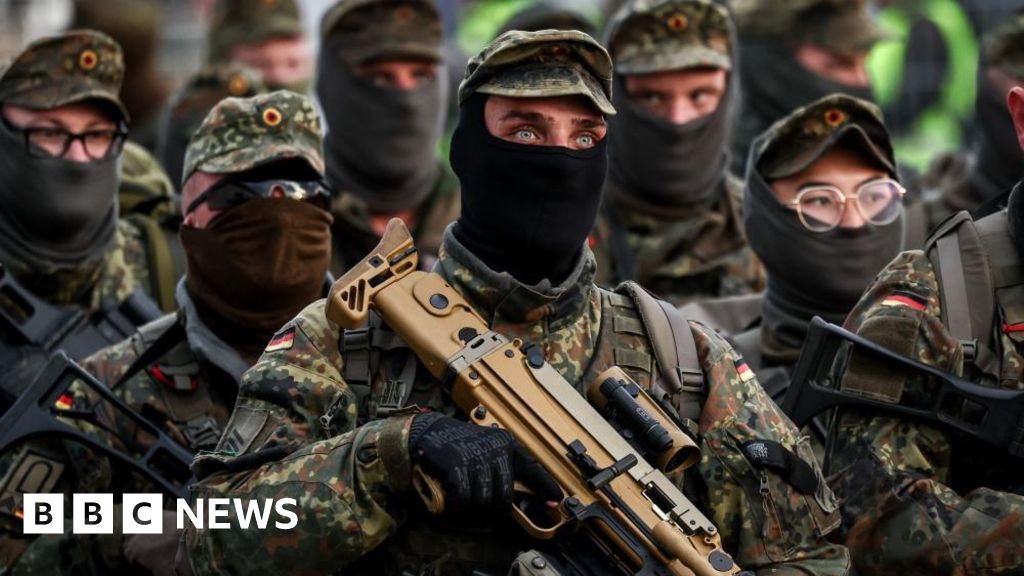
German men under 45 could face military approval for extended stays abroad—what's really behind the move?
German men under 45 could face military approval for extended stays abroad—what’s really behind the move?

In a move that signals a significant shift in international policy, several nations have recently implemented new regulations stipulating that travel approvals must generally be granted before individuals can cross borders. While these rules may seem routine on the surface, their implications extend far beyond simple bureaucratic procedures, potentially reshaping the delicate fabric of global mobility, sovereignty, and international relations.

What makes these developments particularly notable is the ambiguity surrounding enforcement. Officially, authorities have stated that restrictions are to be adhered to at their discretion, yet there remains considerable uncertainty about how breaches of this protocol will be managed in practice. International observers, including the International Organization for Migration and renowned geopolitical analysts, warn that this lack of clarity could lead to increased friction among nations. Countries with differing policies might interpret enforcement variably, raising tensions especially in regions where borders are already fragile or contested. The absence of a clear enforcement mechanism leaves a vacuum that could be exploited, or worse, devolve into conflicting interpretative clashes among sovereign states.

This evolving landscape underscores the how decisions made at the national level can ripple across global networks, affecting commerce, diplomatic relations, and societal stability. Historically, such regulations have often been precursors to broader geopolitical shifts. Analysts note that some governments may leverage these new travel restrictions to tighten control internally while projecting strength externally. For instance, the United States, the European Union, and China have all shown varying degrees of assertiveness regarding border management, a trend that global institutions like the United Nations are closely monitoring. Their response, or lack thereof, will be critical in determining whether these policies deepen divisions or foster a new form of international cooperation rooted in shared security interests.

  • The imposition of mandatory travel approvals reflects a broader global shift toward border sovereignty and national security concerns, especially amid geopolitical tensions in regions like Eastern Europe and the South China Sea.
  • Major powers appear to be recalibrating their borders, emphasizing control over the free-flowing movement of people and ideas — a move that analysts suggest could undermine longstanding principles of international cooperation.
  • This ambiguity in enforcement raises warnings of potential conflicts or misunderstandings, which could escalate into diplomatic crises if mishandled or exploited.

As historians like Barbara Tuchman have noted, such pivotal moments in policy often mark “the thin line between security and overreach,” where nations must tread carefully or risk unintentional destabilization. International organizations are calling for transparency and clearer guidelines to ensure that border control measures do not spiral into tools of oppression or political maneuvering. Yet, the vital question remains: how will individual states balance the power to regulate their borders with the need for *international stability*? As countries reassess their sovereignty in an era of unprecedented connectivity and conflict, their choices will shape whether history records this as a step toward greater global order or the beginning of a new fragmentation era.

Standing at this crossroads, the world watches as decisions made today carry the weight of the future’s destiny—an unfolding narrative where sovereignty, security, and diplomacy are inextricably intertwined. The stakes are high, and the story is still being written, with each policy shift promising to leave an indelible mark upon the annals of history.

Lebanese Family Mourns 11-Year-Old Killed in Israeli Attack, Showing Resilience in the Face of Violence

In a devastating escalation of ongoing hostilities, Jawad Younes and his uncle Ragheb were laid to rest on Saturday after a brutal attack rendered their family compound in ruins. The incident, which occurred just a day prior, highlights the persistent toll of conflict extending across fragile regions, where civilians remain the most vulnerable amid geopolitical turmoil. Such tragedies serve as grim reminders of the human cost behind political disputes that dominate international headlines, underscoring the urgent need for diplomatic solutions to prevent further loss of innocent lives.

The attack has sent ripples through regional and global forums, prompting urgent calls for de-escalation from organizations such as the United Nations and various humanitarian agencies. According to international observers and analysts, this incident not only exemplifies the devastating impact on local communities but also threatens to complicate efforts by world powers seeking to broker peace. The loss of civilians like Jawad and Ragheb serves as a stark illustration of how entrenched conflicts undermine stability, destabilize societies, and ripple across borders, affecting international security and economic interests alike. Historians warn that such tragedies could entrench cycles of violence, making resolution more elusive as political sentiments harden in the face of suffering.

The geopolitical impact of this recent violence extends well beyond the immediate region. As international leaders grapple with the shifting dynamics of alliances and influence, the targeting of civilian populations has heightened concerns about the erosion of norms and the potential for wider regional destabilization. Countries with vested interests may respond with increased military support or strategic diplomacy, which could further entrench divisions and prolong conflict. Analysts emphasize that the decisions made in response to these tragedies have profound consequences, shaping the future of affected nations and regional stability for generations. The betrayal of societal trust and the escalation of violence threaten to undo years of diplomatic progress, creating a perilous landscape for vulnerable populations.

Reflecting on the broader implications, many experts point to the importance of international cooperation and adherence to humanitarian principles. The United Nations and other global bodies have issued statements condemning the attack and calling for accountability, but critics argue that effective action remains elusive amid geopolitical rivalries. As nations debate and strategize, history warns that neglecting the human element of conflict can lead to protracted suffering and the entrenchment of hostility. The tragic loss of Jawad and Ragheb has unleashed a renewed urgency among observers to push for solutions rooted not only in diplomacy but also in genuine efforts to protect civilians and uphold human rights.

Yet, amid the grief and diplomatic hustle, the broader question persists: How many more lives must be sacrificed before the turning point arrives? Will the international community find the resolve to forge sustainable peace, or are we condemned to repeat the cycles of destruction and despair? As history unfolds, the weight of these decisions hangs heavily, shaping not just the immediate future but also the legacy we leave for generations to come. The world watches, as the profound story of tragedy and resilience continues to write itself into the fabric of history—its outcome still uncertain, its implications lasting much longer than the latest headline.

US and Iran face limited choices as war drags on longer

In a startling development that has reignited concerns over regional stability and global security, Iran reportedly launched two missile strikes towards the US-UK military base on Diego Garcia in the Indian Ocean. This event, occurring on a recent Saturday, marks a significant escalation in Iran’s military assertiveness, challenging the assumptions held by many analysts about the country’s missile capabilities. While the missiles failed to reach their intended target—stopping short of the 3,800 km distance—the incident has triggered alarm among international observers, who now question the true extent of Iran’s strategic threat.

The implication of this missile launch extends beyond regional borders. Historically, Iran’s missile range was believed to be capped at approximately 2,000 km, limiting its ability to project power far beyond its immediate neighborhood. However, the recent attempt, coupled with emerging intelligence indicating increased missile range, points to a potentially transformative shift in Iran’s military doctrine. Some experts, including military analysts and scholars in geopolitical strategy, suggest that the event signals Iran’s pursuit of a more offensive posture, aiming to extend its reach into critical global hotspots. This could reshape power dynamics in the Middle East and alter how Western nations plan their defense strategies in the face of a more capable Iran.

International organizations, including NATO and The United Nations, have responded cautiously but with heightened concern. The UN Security Council is under increasing pressure to assess whether this missile launch violates existing agreements and to formulate a coordinated response. Meanwhile, the Biden administration—along with allies in Britain—is reevaluating its military posture, emphasizing the need for robust deterrence measures. Critics argue that the incident exposes vulnerabilities in the current global security architecture, and some warn that Iran’s advancements could trigger a regional arms race, destabilizing an already volatile Middle East. Longer-term, the incident underlines the unpredictability of Iran’s shifting military capabilities, raising fears of miscalculations that could escalate into broader conflict.

Historians and international security analysts warn that this episode is not just a fleeting event but a turning point in Iran’s long-term strategic evolution. According to geopolitical experts, Iran’s actions demonstrate a desire to challenge the existing order, potentially undermining diplomatic efforts aimed at limiting its military development. As one senior analyst observed, “This missile launch is a message—an assertion of Iran’s intent to elevate its status as a regional power, regardless of international reservations.” The global community now faces a critical choice: continue with a policy of containment or confront Iran’s expanding military ambitions directly.

As history unfolds in real-time, the shadow of this missile incident looms large. Each decision made in response—whether diplomatic, military, or diplomatic—will shape the geopolitical landscape for decades to come. The world watches, knowing well that in the chess game of nations, today’s move could be tomorrow’s full-scale crisis. The stakes are high, and the outcome remains uncertain. What is certain is that the weight of history is once again shifting, and the path to stability has never been more perilous or more crucial to get right.

Iran under heavy crackdown and strikes: youth face mounting fear

Recent reports from Tehran underscore a situation fraught with danger and uncertainty, revealing a city caught between a sharpened conflict. According to local residents speaking with the BBC, the atmosphere in the Iranian capital is tense as Tehran faces the dual threat of increasing military pressure from the United States and Israel, while its own government endeavors to restore its authority amidst internal and regional upheaval. These developments are emblematic of a broader geopolitical confrontation that has intensified over the past few years, threatening to reshape the Middle East’s delicate balance of power.

Washington and Jerusalem’s strategic moves have been relentless, involving targeted drone strikes and covert operations in an attempt to curb Iran’s regional influence and nuclear ambitions. Experts like Dr. Laura Baker, a renowned Middle East analyst, warn that the U.S.-Israel alliance is intensifying a campaign that risks spiraling into open conflict, with Tehran retaliating through asymmetric warfare, cyber operations, and support for regional proxies. This escalation diminishes the prospects for diplomatic engagement and underscores a global trend towards confrontation rather than dialogue. Meanwhile, Tehran remains resolute in asserting its sovereignty, even as international sanctions and internal protests highlight a regime trying to consolidate power in a tumultuous landscape.

The Iranian regime’s efforts at reassertion of authority and responding to internal dissent have complicated matters further. As internal unrest swells, many analysts point to Iran’s leadership seeking to project strength externally to distract from domestic challenges. Historically, such regimes have employed ethnic nationalist rhetoric and military brinkmanship to unify their populace and deter external threats. The danger, however, lies in the potential for miscalculation. International organizations, including the United Nations, have repeatedly called for restraint, but the strategic interests of global powers often overshadow diplomatic solutions, pushing the region deeper into instability.

  • Key events include recent missile launches and increased military exercises in the Persian Gulf, signaling Tehran’s defiance against external pressures.
  • Diplomatic efforts such as the JCPOA negotiations appear stalled yet remain a critical arena for future conflict resolution or prolongation.
  • Regional repercussions are evident as neighboring countries brace for potential spillover, facing economic instability and political upheaval fuels often driven by external interference.

Historians and analysts warn that these rising tensions could fast evolve into a broader regional or even global conflict if stops are not taken. The Geopolitical Impact of the current moment is profound: nations must grapple with how decisions made today could shape the fate of generations. The U.S., Israel, Iran, and their respective allies find themselves at a pivotal juncture, with the prospects of peace slipping further away amid relentless militarization and diplomatic stalemate. The world watches as this chapter of history is written in the shadows of drones and diplomatic silence, each escalation echoing the complex legacy of a region once again teetering on the brink—an uncertain dawn beckons, holding the weight of history yet to be determined.

Watching Parents Face Zuckerberg in Court: A Raw Moment of Loss and Justice

Innovative Risks and Disruption Emerge as Major Social Platforms Face Legal Scrutiny

The ongoing legal battle in Los Angeles is shedding light on the profound disruption caused by big tech giants such as Meta and YouTube over their role in fostering a digital environment linked to mental health crises among youth. As Kaley’s case—a 20-year-old woman claiming platform-induced harm—enters deliberation, this landmark trial underscores the dangerous intersection of innovation, regulation, and societal wellbeing. It signals a potential paradigm shift, where the business models of the so-called big social media companies, based largely on engagement-driven algorithms, could face transformative liability, prompting profound industry disruption and strategic overhaul.

Attorneys for Kaley argue that platforms have deliberately engineered their products with addictive features, jeopardizing mental health, particularly among adolescents. Internal documents, unveiled during proceedings, reveal that Meta and Google’s product design choices sometimes prioritized user engagement over safety, even as executives grappled with the negative consequences. This controversy echoes warnings from industry analysts at Gartner and academic institutions like MIT, which have long emphasized that disruptive innovation in social media must now reckon with the heightened risks of harm and regulatory crackdowns. If courts find these companies negligent, the financial and legal implications could escalate, forcing them to deposit massive funds into safety initiatives, or face significant restrictions on their core business practices.

Legal implications threaten the core architecture of social media

  • Section 230—the legal shield protecting tech giants—faces renewed scrutiny; courts are now considering whether its protections should apply to product features intentionally designed to foster addiction.
  • Major companies deny negligence, emphasizing their commitment to teen safety and asserting that user-generated content is shielded under existing law. However, the disruption is palpable: a wave of lawsuits claiming product liability could force the industry to reengineer its algorithms and moderation practices, possibly turning profit models on their head.
  • Witnesses, including former employees and industry experts, reveal that internal debates over presentation features—like body-altering filters or engagement-boosting notifications—highlight an emerging reckoning with product design ethics and business risks. Such disclosures threaten to accelerate innovative compliance—including AI-driven moderation and real-time safety algorithms—while raising the specter of regulatory intervention.

Business disruption and the future of online safety

This case aims to recalibrate the business implications of social media innovation. Industry leaders like Elon Musk and Peter Thiel have warned that the pursuit of disruption—by prioritizing user engagement without regard for societal consequences—may now face rigorous legal and regulatory costs. The court’s consideration of negligence could set a precedent compelling companies to internalize the true costs of safety, shifting from a model driven solely by advertising revenue to one incorporating product responsibility and accountability.

As juries deliberate, business disruption could accelerate: a wave of disruptive innovation in AI moderation, content verification, and user safety protocols may be on the horizon, demanding a swift strategic pivot. Companies will need to embrace ethical AI design and transparent product features, lest they face escalating liabilities, investor skepticism, and regulatory intervention. The need for proactive innovation in digital safety is now urgent, with the potential to redefine the foundation of social platforms and protect future generations.

Looking Ahead: Urgency for Innovation and Regulation

The unfolding trial exemplifies a crisis of innovation—where unchecked disruption has led to profound societal harm. The industry must urgently transition toward a safety-first paradigm, integrating emerging technologies that anticipate and mitigate risks before harm occurs. Failure to do so risks not only litigation but a regulatory crackdown that could stifle the very innovation that once promised to revolutionize communication and information sharing. The message from courts, law, and society is clear: innovation must serve the public interest or face the consequences.

In the near future, the social media industry’s capacity to innovate responsibly will be pivotal. The lessons from this case could open the door to a new era of accountability, where disruptive technologies are balanced with societal safeguards. The urgency to adapt and **disrupt responsibly** has never been greater—because the future of digital innovation hinges on whether industry leaders will prioritize societal safety or risk being overrun by punitive laws and public backlash.

Social Media Auto Publish Powered By : XYZScripts.com