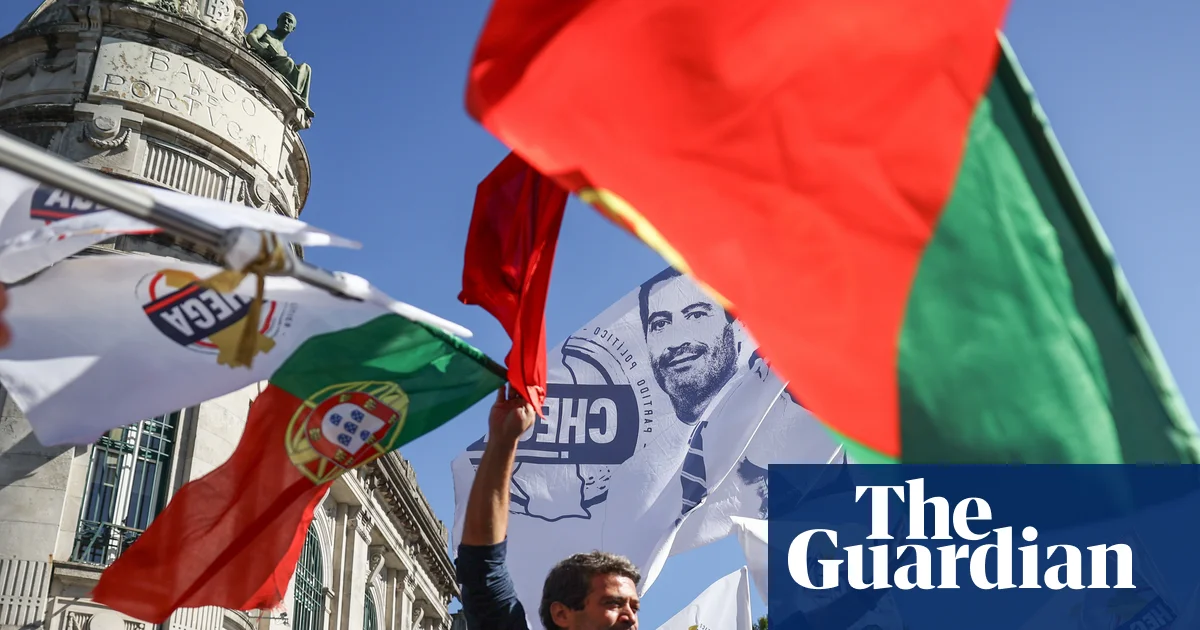
The southern Portugal region of Algarve is currently at the epicenter of a rapidly evolving political landscape that could reshape the nation’s future and reverberate well beyond its borders. As local elections approach, the surge of the far-right Chega party has become unmistakable, with its aggressive nationalist rhetoric and populist policies striking a chord among disillusioned voters. This electoral rise is not merely a regional phenomenon but a harbinger of what analysts describe as a significant shift in Portugal’s political paradigm, with potential implications for the continent’s broader left-right dynamics. Experts like political commentator Miguel Carvalho warn that this emerging tide could challenge the traditional dominance of center-right parties, placing Portugal on a potentially turbulent trajectory that echoes earlier European populist surges.
The geopolitical impact of this shift extends beyond national borders. As Ventura and his party tap into economic frustrations—particularly around housing and migration—their rhetoric mirrors the nationalist, anti-establishment language sweeping across Europe. The Algarve, famous for its natural beauty and thriving tourism industry, is becoming a testing ground for far-right ideas centered on protectionism, anti-immigration measures, and cultural preservation. The rise of Chega is interpreted by many, including international observers, as a broader attempt to reinvigorate nationalist sentiment amidst ongoing economic insecurity and societal change. Historically, analysts like Dr. Helena Sousa illustrate how these populist movements thrive in regions where economic disparities and social anxieties are most acute, often exploiting fears around migration and cultural identity to build political alliances and power bases.
Decisive international consequences are already apparent. The party’s strategy of leveraging nationalism and populism echoes comparable movements across Europe, from Spain to Hungary, fostering a transnational front of right-wing alliances. Ventura’s frequent visits to Spain and Hungary highlight a deliberate effort to integrate Portugal into this emerging geopolitical coalition. Additionally, the role of global media coverage and social platforms in amplifying party messages has accelerated the spread of this nationalist wave, emboldening similar movements elsewhere. Countries and Democrats worldwide now watch Portugal’s elections as a litmus test—if the far-right gains footholds there, it could spur a domino effect across the European Union, destabilizing current political architectures and challenging the sustainability of liberal democracies. As International Crisis Group warns, the consequences of these shifts may include an increase in regional instability, economic destabilization, and the further polarization of societies.
The unfolding narrative remains tense and unpredictable, with the fate of Portugal’s democracy hanging in the balance. If Ventura’s vision prevails, it signifies more than a local electoral victory; it becomes a chapter in the larger story of a Europe wrestling with its identity and future. These elections will determine whether Portugal remains a bastion of moderate politics or succumbs to the siren call of nationalism. As history continues to unfold, it leaves a profound question for the world: will this wave of populism lead to renewed fortresses of sovereignty and cultural integrity, or will it drown the continent in division and unrest? In a world where geopolitical landscapes are shifting at unprecedented speeds, the decisions made in Albufeira may well echo for generations to come, shaping the destiny of societies and democracies amid the ongoing tumult of the 21st century.