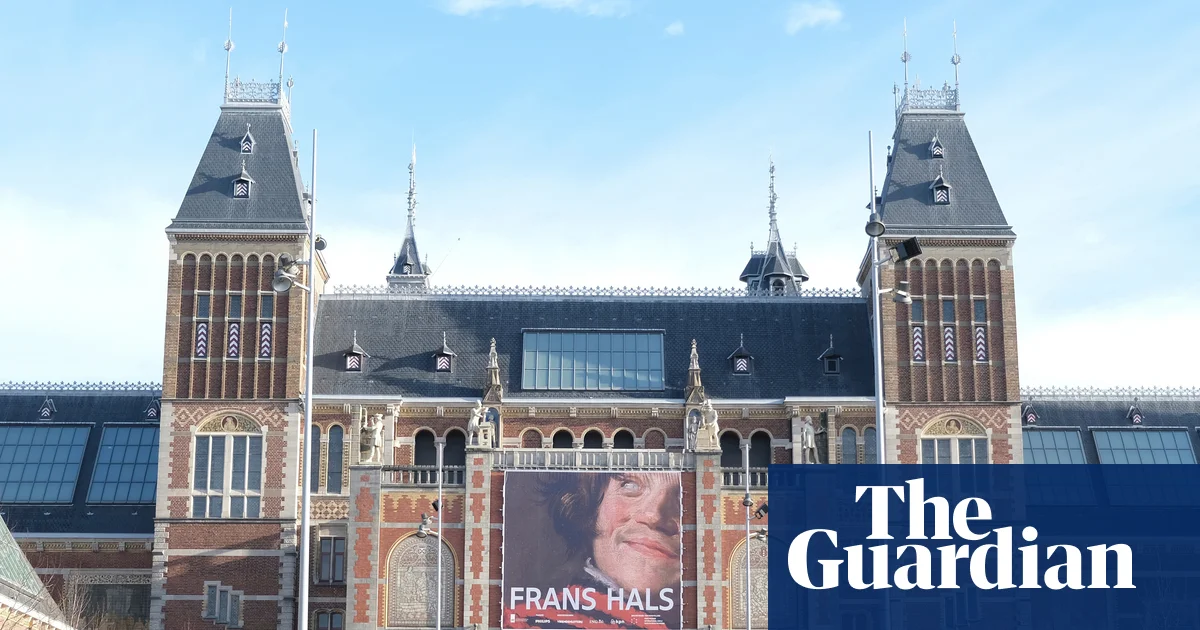
In a move that signifies Europe’s ongoing efforts to balance cultural enrichment with regional development, the Rijksmuseum of the Netherlands has announced plans to establish an outpost in Eindhoven. This decision exemplifies a broader global trend among world-renowned institutions seeking to decentralize cultural access, but it also carries significant geopolitical implications. The planned 3,500-square-meter centre, slated for construction over the next six to eight years, aims to foster local pride while easing the pressure of *overtourism* on Amsterdam’s historic city center, a concern voiced by residents and urban planners alike.
The choice of Eindhoven is as strategic as it is symbolic. Known as a technological hub with deep roots in Philips and semiconductor manufacturing through ASML, the city sits at the nexus of scientific innovation and cultural resurgence. This nexus reflects Europe’s broader geopolitical narrative: an ambition to fortify regional identities and economic resilience against turbulent external pressures, such as migration, global trade disruptions, and shifting alliances. The involvement of the Dutch government and private sector underscores a shared vision for cultural diplomacy that aligns economic vitality with societal stability, especially amidst an era marked by institutional flux.
Looking outward, the expansion of premier museums like the Rijksmuseum and the Louvre reflects a concerted effort by European nations to project soft power globally. The Louvre’s branching into France’s northern territories and the Middle East exemplifies this trend, aimed at fostering international tourism, cultural influence, and economic diplomacy. Analysts argue that such moves are deliberate, serving as tools to reinforce European unity and influence—a strategy increasingly vital amid the rising geopolitical assertiveness of emerging powers. The Global Cultural Institute for International Affairs (GCIIA) and renowned historians suggest that these developments symbolize Europe’s desire to remain relevant in a multipolar world where cultural prestige intersects with strategic interests.
As always, the future remains uncertain. The decisions taken today by European institutions and local governments will inevitably shape the social fabric and geopolitical landscape of tomorrow. The opening of cultural outposts in Eindhoven, and elsewhere, is more than a display of artistic ambition; it is a reflection of Europe’s tentative yet resilient stance amidst a rapidly shifting global arena. The story of these expansions is still writing itself, their impact reaching far beyond the walls of galleries or museums. They serve as stark reminders that in the theater of international power, culture remains a vital battlefield—an arena where nations seek to preserve influence, foster unity, and influence the course of history’s unfolding narrative with every brick laid and gallery opened.