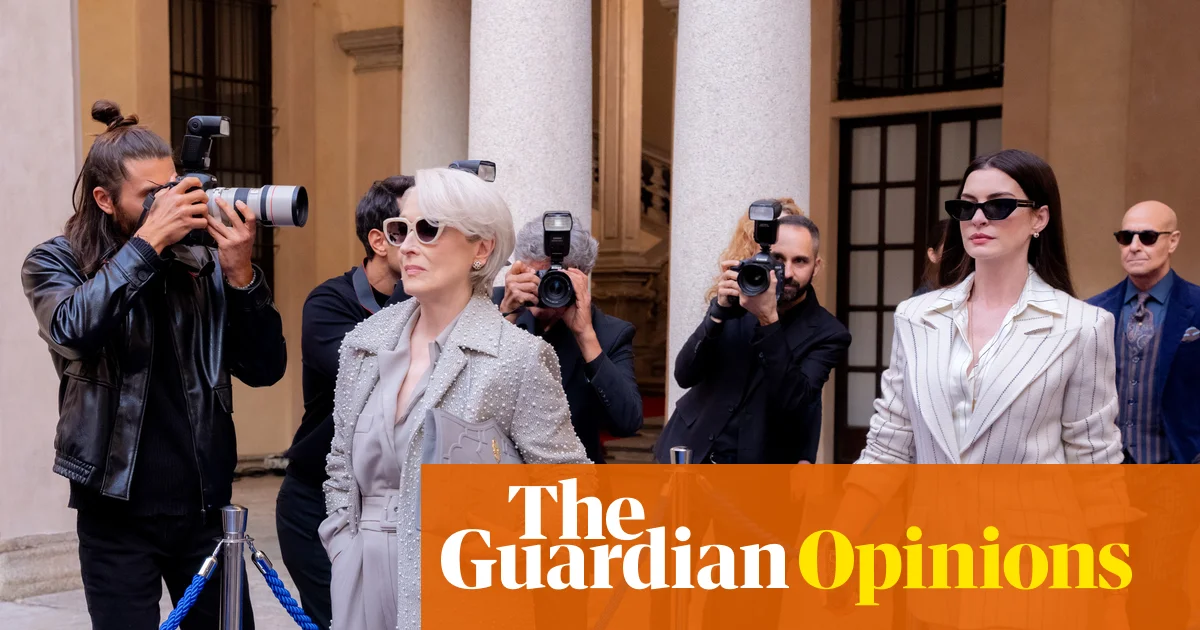

In the spectacle of modern cinema and fashion, culture has become both a mirror and a canvas for societal ideals and anxieties. The recent trajectory of the franchise The Devil Wears Prada—notably its sequel—serves as a case study in how Hollywood’s portrayal of body image reflects broader cultural shifts. When Meryl Streep and Anne Hathaway publicly hinted at championing body diversity during their press tour, it seemed like a promising sign of progress. Yet, as the film itself reveals, what appears as an embrace of inclusivity often dissolves into mere symbolic gestures, falling short of genuine change. The superficial references to plus-size models and the sparse acknowledgment of weight-loss drugs serve as reminders that the entertainment industry still oscillates dangerously between superficiality and sincerity.
Historically, the evolution of body image in popular culture has reflected the oscillation between aesthetic ideals and moral judgments. From the relentless body-shaming of the noughties, where cellulite and sagging knees became national spectacles of mockery, to the contemporary flirtation with body positivity, society has grappled with the tension between conformity and authenticity. The shift towards inclusivity, marked notably by figures like Ashley Graham on Vogue covers and Chanel casting above a UK size 8, mirrored a hope that the cultural narrative was changing. However, recent data reveals a stark reversal: runway shows and retail sectors now predominantly favor the almost skeletal standard of thinness. As cultural critic G.K. Chesterton observed, “The most incredible thing about censorship is that it always suggests something worth hiding.” Today, a similar censorship manifests through the industry’s retreat from true body diversity, substituting it with tokenism that ultimately sells the illusion more than genuine representation.
This recurring pattern is compounded by the commodification of health and body transformation through innovative yet controversial avenues such as weight-loss drugs. Originally crafted to assist diabetics, medications like Ozempic have been co-opted as fashion accessories in Hollywood, their unbranded pens glaringly featured in glossy editorials. This phenomenon underscores a disturbing trend: the conflation of thinness with success and desirability, a symbolic indicator of status in our culture. The philosophical undercurrent here echoes Ortega y Gasset’s assertion that “Life is the conflict between the ideal and the real,” revealing society’s persistent struggle to reconcile aspirational beauty with the authentic health of the individual. The combination of glamorous red carpet appearances and marketing that derides or ignores the diversity of human bodies demonstrates how superficial gestures often obscure the deeper societal malaise—an obsession with image that ultimately impoverishes our collective identity.
- Progress in fashion and media suggests a society in full flux, yet beneath the surface lies a paradox—an industry both embracing and rejecting genuine change.
- The core tension is captured in the enduring symbols of beauty and health that define societal standards, and the relentless commodification that sustains them.
- Cultural critic T.S. Eliot famously wrote, “Humankind cannot bear very much reality,” a truth that continues to haunt modern portrayals of the body—where sincerity is sacrificed on the altar of image.
As we contemplate this landscape, it becomes clear that culture is the living memory of mankind and the prophecy of what we might become. The superficiality of current trends may suggest defeat in the face of an ideal body or authentic representation, yet beneath these fleeting illusions lies the enduring human desire for genuine identity—the acknowledgment that our bodies, with all their imperfections, are the living testament to our history, our struggles, and our hopes. To truly forge a society that honors both our memory and our potential, we must look beyond the glossy façades and recognize that culture is not merely what we see, but what we remember and dream together—an eternal dialogue between who we are and who we aspire to be.