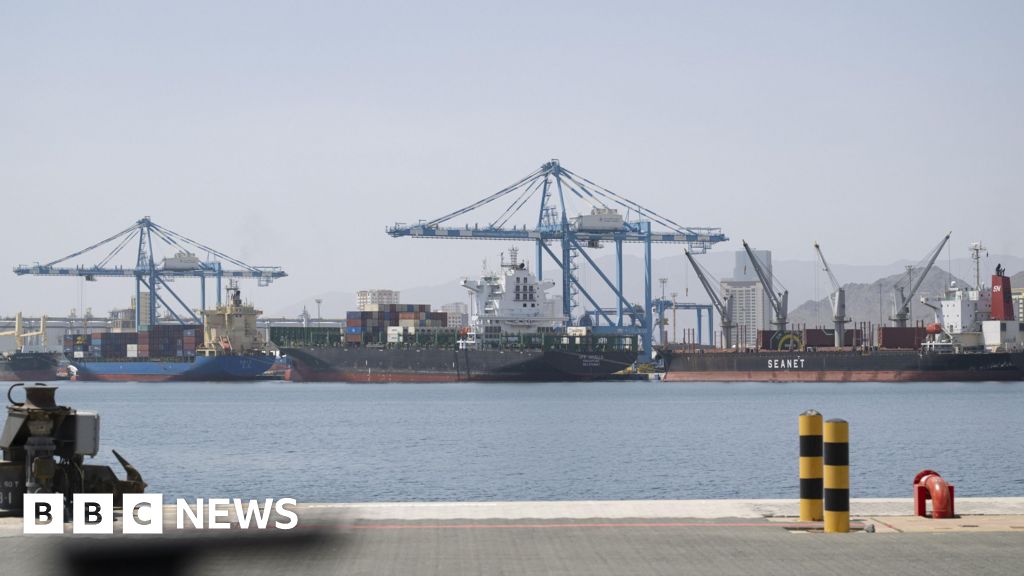
In a significant development that underscores the ongoing geopolitical tensions in the Gulf region, Maersk, one of the world’s leading shipping companies, announced that a US-flagged commercial vessel has successfully exited the Strait of Hormuz under active US military protection. This event highlights both the strategic importance of the Strait and the persistent risks faced by international maritime commerce amid escalating tensions between the United States and Iran.
The Strait of Hormuz, a crucial maritime corridor that channels approximately 20% of the world’s oil trade, remains a flashpoint in global geopolitics. Over the past few years, Iran’s actions — including attempted seizures of tankers, mine placements, and threats of closing the Strait — have prompted the United States and allied navies to maintain a persistent military presence in the region. According to international analysts, this escort operation underscores the fragile security environment and the strategic importance attributed to preserving open shipping lanes against disruptive regional actors.
Historian Dr. Elizabeth Carter, a prominent scholar on Middle Eastern geopolitics, emphasizes that such escort operations signal a broader shift in how international trade is protected in war-prone zones. “The fact that a commercial vessel is now regularly escorted by military forces signals a new era,” she explains. “It reflects the direct involvement of global powers in securing economic interests and demonstrates the heightened risks faced by global trade routes.” This intervention also sends a firm message to Iran, illustrating that the U.S. and its allies are committed to maintaining what they call free maritime navigation, crucial for the stability of global energy markets.
International organizations such as the United Nations and the International Maritime Organization have long warned that instability in the Strait of Hormuz could trigger wider economic repercussions. Recent assurances by US military officials confirm that escort missions will continue as necessary, inflaming regional tensions and complicating diplomatic efforts in the Gulf. Meanwhile, critics argue that confrontational military displays risk further destabilizing the region, potentially provoking miscalculation and escalation in a volatile security environment. As global markets remain sensitive to disruptions, analysts warn that this ongoing scenario could escalate into open conflict if diplomatic solutions are not prioritized.
The geopolitical impact of these events extends well beyond the immediate Strait. They reflect the broader struggle for influence between Western powers and Iran, with regional alliances and rivalries shaping the future of Gulf security. As history observes the unfolding chapters of this ongoing crisis, it becomes increasingly clear that the decisions made today could define the balance of power in the Middle East for generations. With the specter of conflict lingering and global oil supplies hanging in the balance, the world watches with cautious trepidation as the weight of history begins to cast its long shadow over an already fragile peace.