Matox News

Truth Over Trends, always!

What the US-Iran Two-Week Ceasefire Means for America's Future
What the US-Iran Two-Week Ceasefire Means for America’s Future

In a significant development that underscores the fragile state of regional stability in the Middle East, a **provisional truce** has been announced, following more than a month of escalating hostilities. The conflict was ignited by **coordinated attacks launched by the **United States** and **Israel** against Iran**, actions perceived by many as an aggressive effort to weaken Tehran’s influence and deter its burgeoning regional alliances. While the terms of the ceasefire remain preliminary, this diplomatic move signals a tense but critical pause in what many analysts describe as an ongoing proxy war that threatens to reshape the geopolitical landscape.

The recent escalation began when **U.S. and Israeli authorities** declared a collective effort to curtail Iran’s nuclear ambitions and to dismantle its support networks for regional allies like **Hezbollah** in Lebanon and the **Houthis** in Yemen. Historically, these covert operations have been justified as defensive measures, yet critics argue they have deepened regional instability, provoked Iran, and invited an unpredictable cycle of retaliation. According to international security think tanks, such as the International Crisis Group, these actions have the potential to ignite broader conflict, dragging neighboring nations into turmoil and challenging the authority of global institutions tasked with maintaining peace.

Experts emphasize that the geopolitical impact of this temporary truce cannot be understated. While it may offer a brief respite, the underlying tensions remain unresolved. *Historian* Dr. Samuel Baker warns that “a fragile ceasefire in a landscape marred by longstanding animosities and external interference is more perilous than an open confrontation.” The decision by **U.S.** and **Israeli** leaders to pursue military actions could be viewed as part of a broader strategy aimed at pressuring Iran into concessions, yet it risks solidifying Iran’s resolve and deepening its alliances with **Russia** and **China**—a move that substantially shifts the balance of power within the region.”

On the international stage, organizations like the **United Nations** call for restraint, yet their influence remains limited amid heightened nationalist sentiments and emerging power blocs. UN analysts warn that if these hostilities persist or escalate, the likelihood of a much broader conflict increases, potentially destabilizing entire regions and impacting global markets. The ripple effects of continuing unrest threaten to undermine decades of efforts towards diplomatic solutions and epitomize the volatility of 21st-century geopolitics, where alliances are transient and conflicts are often fueled by external ambitions more than local grievances.

As history turns another page, the world watches with bated breath. The temporary halt in hostilities may represent a fleeting moment of calm—*a pause in the violence before the storm*—but the fundamental issues at stake remain unresolved. The decisions made today, whether towards peace or further conflict, will indelibly shape the course of history. For nations caught in this crucible, the stakes are nothing less than the future stability of the entire region—an uncertain pathway where peace hangs precariously in the balance as the players in this high-stakes game continue to maneuver, echoing the warnings of analysts who see this as only the beginning of a long and volatile chapter in world history.

Israel launches major air strikes across Lebanon amidst mounting tensions

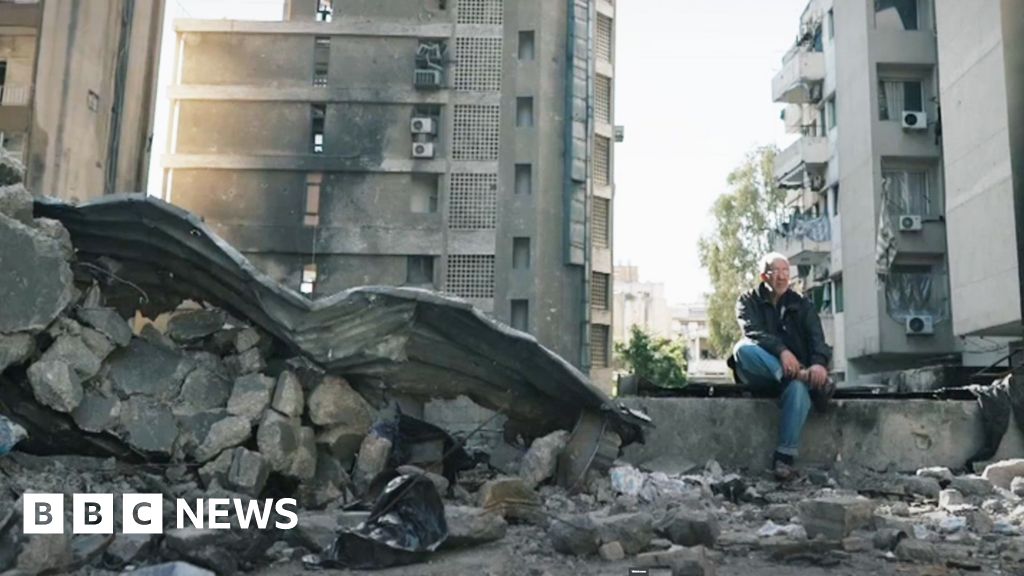
In a significant development amidst the ongoing turmoil in the Middle East, Lebanon has taken a notable turn in its approach to the conflict with Israel. President Joseph Aoun, a respected former army chief, explicitly rejected the option of employing force to manage the rising tensions, emphasizing instead the importance of restraint. His cautious stance was driven by the hard-earned lessons from past regional conflicts, where escalation often led to widespread violence and suffering. This approach aligns with broader international calls for de-escalation, yet the situation remains fragile, with undercurrents of instability that threaten to spill over into wider regional conflict.

The Lebanese government, in a move that caught global attention, declared a willingness to engage in direct negotiations with Israel—a nation with which they have no formal diplomatic relations and whose existence Lebanon remains vigilant over. This historic announcement signals a potential shift in regional diplomacy; it underscores the recognition among Lebanese authorities of the disastrous consequences of ongoing hostilities and the need for political solutions. However, Israel has so far dismissed this overture, refusing to acknowledge or respond to the offer. This deafening silence further complicates the peace process and underscores the challenges faced by international mediators attempting to broker stability in a deeply divided region.

International analysts and historians are closely watching these developments, noting that the decision to negotiate directly with Israel marks a significant departure from Lebanon’s previous posture of hostility and strategic ambiguity. Political experts argue that it reflects a broader realization among Lebanese leaders of the strategic costs inflicted by continued conflict—costs that resonate deeply within Lebanese society, which bears the brunt of economic collapse and social dislocation. Yet, the absence of a reciprocal response from Israel serves as a reminder that peace remains elusive, with entrenched mistrust and ideological divides complicating diplomatic efforts. As UN analysts warn, such intransigence could prolong regional instability, pulling neighboring countries into a destructive cycle that hampers development and threatens global peace.

The geopolitical impact of this evolving situation cannot be understated. Lebanon’s initiative hints at a possible paradigm shift—an acknowledgment by some regional actors that strategic conflict may no longer serve their long-term interests. However, the broader regional landscape is rife with competing interests, external influences, and unresolved grievances. The persistent presence of militias, the shadow of Syria’s ongoing civil war, and Iran’s influence all weigh heavily on Lebanon’s prospects for peace. How these decisions impact societies, economies, and even future generations depends on whether stakeholders recognize the dire stakes and push towards diplomacy or succumb to the inertia of hostility.

This unfolding chapter in Middle Eastern history carries with it a sense of foreboding—an awareness that the decisions taken today will echo through decades to come. As the world watches this fragile attempt at diplomacy unfold amid a backdrop of conflict and distrust, the weight of history presses upon the shoulders of leaders and nations alike. Will they seize this moment to steer away from the destructive path of war, or will they allow the scars of the past to deepen, leaving future generations to inherit a region still scarred and divided? Only time will reveal whether these tentative steps toward peace serve as the dawn of a new era or the last gasp before chaos engulfs the region once more.

Greece Plans to Ban Social Media for Under-15s Next Year, Emphasizing Youth Protection

In recent developments that signal a significant shift in European geopolitical strategy, several nations are adopting measures that mirror the evolving landscape of international power dynamics. Following in the footsteps of prominent European Union member states such as France and Spain, countries across the continent are reevaluating their policies on security, economic alliances, and diplomatic engagement amidst the growing influence of China, Russia, and the United States. Analysts warn that these movements, although characterized by some governments as cautious responses, are in reality part of a broader realignment that could redefine European sovereignty and global standing.

The trend was marked by a series of recent policy announcements that underscore a deeper strategic shift. Governments are increasingly emphasizing military modernization and participation in international alliances, signaling a desire to protect national interests amid a volatile international environment.

  • Several nations are strengthening their defense budgets and pledging commitments to NATO, reflecting a response to perceived threats from Russia’s military assertiveness.
  • New economic agreements aimed at diversifying supply chains and reducing dependency on foreign powers are gaining prominence.
  • Diplomatic initiatives are also underway to bolster regional cooperation, while balancing relationships with both the EU and external players like China.

Historians and geopolitical analysts warn that such shifts could produce divergent consequences. Some argue that these moves are a pragmatic response to growing instability and an attempt to safeguard national sovereignty in an increasingly interconnected world. According to recent reports by the International Institute for Strategic Studies, the underlying motive appears to be a pursuit of strategic autonomy, resisting what many see as an encroaching orientation towards multilateral institutions that may limit national decision-making power. Nonetheless, critics contend that these policies risk exacerbating existing tensions, particularly if they lead to a new arms race or undermine longstanding alliances.

Underlying these developments are key questions about the future of European unity and the role of international institutions. As nations recalibrate their positions on security and trade, the continent stands at a crossroads. Some experts suggest that this era of upheaval could either foster a broader resilience or unravel the fragile fabric of cooperation that has defined the post-Cold War order. With each decision made today, the course of history is subtly but inexorably being rewritten, painting a portrait of a Europe in flux—its destiny shaped by the choices of governments and the emerging face of global power.

As history continues its unyielding march forward, the question remains: will Europe rise to meet the challenges with renewed strength and clarity, or will it become a battleground in the larger struggle for global dominance? Only time will tell if these strategic shifts mark the dawn of a new era—one forged in uncertainty, tension, and the relentless pursuit of national sovereignty amid the shifting tides of international power.

Pakistan's Role: Bridging the Gap for US-Iran Ceasefire
Pakistan’s Role: Bridging the Gap for US-Iran Ceasefire

The complex and often volatile web of regional alliances and rivalries has once again come into focus with Pakistan’s recent negotiations involving Iran. Historically, Pakistan and Iran have maintained a relationship rooted in shared borders, cultural ties, and mutual strategic interests. However, recent developments reveal that such partnerships are increasingly fragile amidst the shifting sands of international diplomacy. With the announcement of a new agreement—though distant from certainty—analysts suggest it may mark a crucial pivot point in Middle Eastern geopolitics that could ripple far beyond the region.

Central to this unfolding chapter is the context of the broader regional rivalries and international pressures. Pakistan, often seen as a key U.S. ally, has historically balanced its relationship with Iran—a nation often viewed with suspicion by Western powers—against its own strategic interests. The BBC’s Caroline Davies reports that despite longstanding connections, the pathway toward formal agreements remains uncertain. The delicate balance is exemplified by recent diplomatic overtures that include economic, security, and infrastructural considerations, all under the shadow of ongoing conflicts in neighboring Syria and Afghanistan.

Experts warn that any success or failure of this agreement carries significant geopolitical impact. Should the negotiations find common ground, it could alter regional dynamics by fostering closer economic and military cooperation between Pakistan and Iran, thereby challenging the U.S.-led dominance in the region. Conversely, a failure could deepen divisions and increase instability, potentially fueling greater tensions between Iran and Saudi Arabia, with Pakistan caught as a key player in the balancing act. Many analysts, including those from the International Crisis Group, point out that such shifts have the potential to reshape alliances, impact energy routes, and influence the global balance of power.

Furthermore, this evolving scenario underscores a broader narrative of geopolitical upheaval—where international organizations warn of a new Cold War-like era in the Middle East and South Asia. Nations are now more than ever assessing their security guarantees and economic partnerships, knowing that decisions made today may define regional stability for decades. The United Nations and other global bodies observe cautiously, recognizing that these negotiations could either serve as a catalyst for peace or ignite a new cycle of confrontation. The weight of history presses heavily, as regions with long-standing conflicts teeter at a crossroads: to cooperate or collide, with the echoes of past wars fueling the debate.

As the world watches, the narrative remains unwritten. The impact of Pakistan’s engagement with Iran extends far beyond diplomatic cables and economic accords; it encapsulates the ongoing struggle for influence in a region where every move can alter the course of history. The decisions made in the coming weeks will echo into the future, shaping the fate of nations and societies, and determining whether the current moment marks a genuine step toward stability or another chapter of chaos. As the geopolitics of the Middle East and South Asia unfold, history’s final verdict hangs in the balance—an unfolding story that the world cannot afford to ignore.

Iran ceasefire deal: Partial victory for Trump, but with heavy costs

In a development that could redefine regional dynamics and reshape international perceptions, the recent two-week ceasefire between the United States and Iran signals a significant departure from decades of adversarial posturing. This unprecedented diplomatic move, though temporary, reflects shifts in geopolitical calculations driven by both strategic necessity and growing international pressure. As analysts revisit the histories of regional conflicts and the long-standing tensions surrounding Iran’s nuclear ambitions, the potential for a new chapter in Middle Eastern diplomacy emerges, with implications extending well beyond the Persian Gulf.

Many experts argue that the US’s willingness to engage in dialogue — even if just for a brief period — highlights a recognition that traditional military dominance alone cannot resolve complex geopolitical issues. According to seasoned international relations scholars, this pause could serve as a critical stepping stone toward more comprehensive dialogue. The United Nations and regional powers have long called for diplomatic solutions, but the recent move by Washington indicates a possible shift in tone and strategy. By engaging directly with Iran, the US risks altering longstanding alliances, and potentially undermining broader efforts to contain Tehran’s regional influence, but it also opens avenues that could lead to a more balanced order in the Middle East.

Historically, U.S.-Iran relations have been marked by decades of suspicion, sanctions, and intermittent confrontations—each conflict deeply intertwined with the broader strategic contest between the Western bloc and Iran’s desire for regional influence. The breakthrough in initiating a ceasefire could potentially recalibrate reputations and alliances. International analysts, such as those at the International Crisis Group, warn, however, that this is no guarantee of peace; yet, the move emphasizes the importance of diplomacy and negotiation amid persistent fears of escalation. The impact on regional actors—such as Saudi Arabia and Israel—remains uncertain, as they navigate their own fears of being marginalized or caught in the ripples of a shifting strategic landscape.

The geopolitical impact of this unprecedented diplomatic engagement extends far beyond the Middle East. It demonstrates a signal to global powers that traditional military dominance is no longer the sole means to influence outcomes. As such, allies and adversaries alike are compelled to reconsider their own strategies and policy frameworks. Russia and China observe keenly, recognizing that shifts in U.S. tactics could ripple into broader alliances and partnerships, affecting global stability. The World Trade Organization and other multilateral institutions are also likely to watch whether this temporary peace holds—and whether it inspires a more comprehensive approach to international conflict resolution.

In the final analysis, the recent move toward a ceasefire with Iran marks a turning point in history—an event fraught with uncertainty yet brimming with possibility. As diplomatic corridors open and new dialogues commence, the world is left to wonder: is this the dawn of a genuine shift toward peace, or merely a fleeting pause before the next storm? The shadows of history loom large, reminding us that the decisions made today will echo through generations. The unfolding story of this diplomatic gambit has yet to be written, but its pages are already heavy with the weight of countless hopes, fears, and ambitions that could ultimately define the course of global history.

Tropical Cyclone Vaianu Threatens New Zealand with Dangerous Winds—Are We Ready?

As the Pacific Ocean churns with the formation of Tropical Cyclone Vaianu, the geopolitical implications extend far beyond weather forecasts. Forecasters warn that this category 3 cyclone, with sustained winds exceeding 150km/h, could bring severe winds and heavy rains to New Zealand later this week. The entire North Island is under a strong wind watch, underscoring the increasing strain that not only natural disasters but also their management place on national societies.

This cyclone’s development highlights a disturbing pattern of increasingly intense and unpredictable tropical weather systems in the Pacific, regions historically challenged by climate volatility. International climate models and analysts suggest that such storms are not isolated incidents but a consequence of broader environmental shifts driven by global warming. Scientists warn that these storms could become more frequent and severe, intensifying the political and economic weight borne by governments to prepare for and respond to such calamities. The coordinated response of nations, emergency agencies, and international organizations becomes critical in safeguarding societies; any failure could result in devastating human and financial losses. The Pacific region, a hub of geopolitical importance due to the rising influence of China and the enduring presence of U.S. alliances, faces increased vulnerabilities as climate change exacerbates instability.

In addition, the Pacific’s natural turmoil is mirrored by ongoing regional shifts. Just as Australia and the United States bolster strategic partnerships amid increasing geopolitical tensions, the continent’s environmental crises echo a warning that natural disasters will have ripple effects on international stability. The recent escalation of tropical cyclone Maila, now a category 5 system in the Solomon Sea, vividly illustrates the North’s vulnerabilities. While Maila poses no immediate threat to New Zealand, its formidable winds—reaching gusts up to 295km/h—serve as a stark reminder of the destructive potential of these powerful storms. Analysts suggest that the global community’s response to such natural phenomena will define the geopolitical landscape in the coming years, especially as climate-induced disasters become more common.

  • In recent months, New Zealand experienced a series of severe storms, including deadly landslides and widespread flooding, reflecting a growing pattern of climate-related crises that challenge the nation’s resilience.
  • The 2023 tropical Cyclone Gabrielle remains a pivotal event—killing 11, triggering a record number of landslides, and becoming the most expensive weather event in the country’s history.
  • Influential voices from international climate and geopolitical analysts have warned that such extreme weather phenomena could destabilize local economies, increase migration flows, and strain diplomatic relations in the Pacific Rim.

Through the lens of history, policymakers and observers worldwide recognize these storms as more than mere weather—they are harbingers of a new geostrategic era. The capacity of nations to adapt and fortify against the onslaught of nature’s fury will determine their future influence and survival. As history continues to unfold with each passing storm, the weight of why some societies prevail and others falter rests on the choices made today. In this global theatre, natural disasters are rewriting the rules of power, resilience, and geopolitical priority—threatening to reshape the map anew.

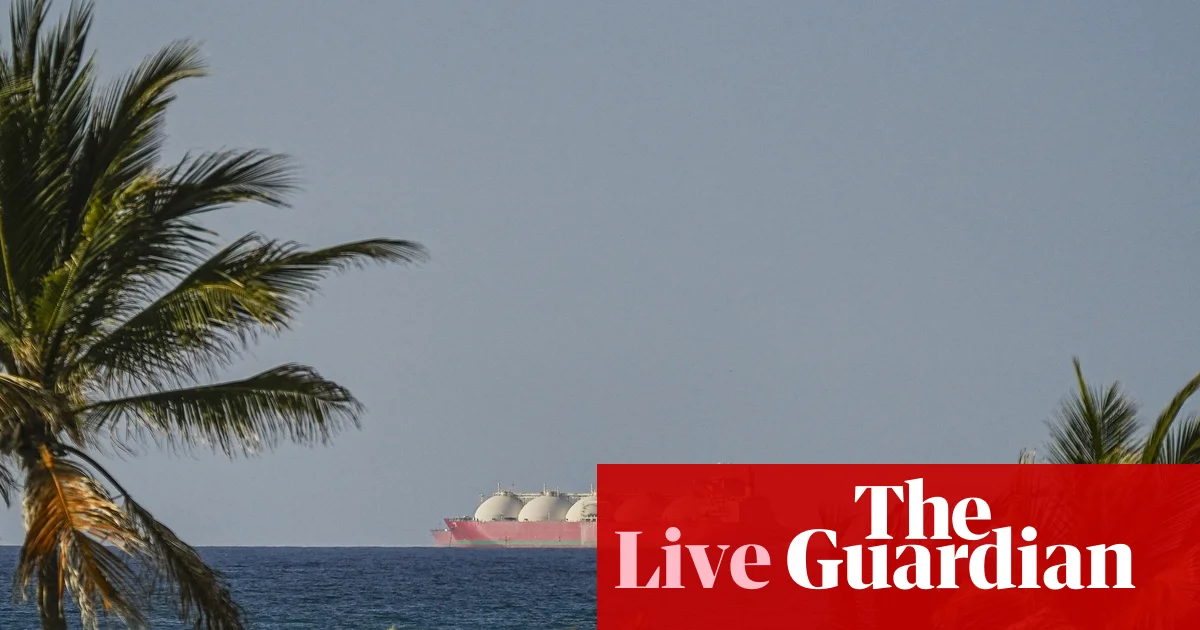
New Zealand Urges US for Fuel Tankers to Support Pacific Amid Iran Tensions

The escalating conflicts in the Middle East are exerting unprecedented pressure on regional economies, prompting a diplomatic response that could reshape the geopolitical landscape of the Pacific. New Zealand, a nation long regarded as a middle power with a cautious approach to international alliances, has called on the United States to deploy fuel tankers to alleviate the pressing fuel shortages impacting Pacific island nations. This development underscores a broader geopolitical shift, illustrating how small nations are now actively engaging with global superpowers to safeguard their economic futures amid turbulent times. Meanwhile, the US seeks to avoid escalation in Iran after diplomatic efforts led to a temporary ceasefire, reflecting how interconnected global security is becoming.

During a high-stakes meeting in Washington, Winston Peters, New Zealand’s foreign minister, explicitly highlighted how the war’s ripple effects threaten the stability of the entire Pacific region. He stressed that the war’s economic fallout is not confined to the Middle East but extends to Pacific nations heavily dependent on imported fuel.

  • The Pacific island nations, such as Samoa and Tonga, have already expressed their fears over potential fuel shortages, with leaders appealing for international assistance.
  • New Zealand has taken the initiative to lobby for emergency fuel supplies, requesting the US to prepare ancillary tankers—a move that could set a precedent for regional cooperation in crisis management.

Such requests expose the vulnerabilities of a region that, historically, has relied on external suppliers for critical resources. The geopolitical impact of this shift is profound; Washington’s response will not only influence regional stability but may also serve as a test of its commitment to its allies amidst an era of strategic retrenchment.

Adding further complexity, the recent diplomatic breakthrough between US and Iran, facilitated by Pakistan, demonstrates the delicate balance of global diplomacy. While a two-week ceasefire may suggest a temporary thaw, the implications reverberate far beyond the immediate conflict zone. Some analysts warn that such short-term measures mask deeper geopolitical rivalries and could reset the clock for renewed conflict, especially considering the US president’s overt threats against Iran—warnings pointedly dismissed by officials like Peters as reckless. This international subplot exemplifies the precariousness of current diplomacy: fragile agreements that could quickly unravel, dragging the Pacific and beyond into further instability.

As New Zealand and its Pacific neighbors brace for economic shocks, their reliance on external powers places them at a geopolitical crossroads. Countries in the Pacific are increasingly caught between major influences—be it the US, China, or regional actors—and must navigate this shifting terrain with adept diplomacy. The stakes are high: economic lifelines hinge on international cooperation, but the broader picture signals that the era of relative regional stability may be giving way to a new chapter of strategic contestation. History is still being written through these pivotal moments—each decision, each alliance, shaping the future of a region and the world at large, in ways that could echo for generations to come.

Trump Announces Two-Week Iran Ceasefire Deal—A Win for U.S. Interests

In a move that could reshape geopolitical dynamics across the Middle East, President Donald Trump announced on Tuesday a tentative two-week ceasefire with Iran. The statement, made via social media, signals an April attempt at diplomacy after months of escalating tensions centered around maritime security, economic sanctions, and regional influence. Trump declared that the United States would suspend its military operations against Iran, framing the pause as a ‘double-sided ceasefire’—a seemingly rare diplomatic overture amid ongoing volatile confrontations.

Crucially, the terms of the ceasefire hinge upon Iran’s acceptance of the complete, immediate, and safe opening of the Strait of Hormuz. This strategic waterway has become a flashpoint in recent months, with American and allied forces accusing Iran of disruptive activities that threaten global oil supply. The U.S. administration’s move appears to be rooted in encouraging Iran to de-escalate maritime tensions, which have reverberated through international markets and strategic calculations. Analysts warn that this temporary pause may serve as a prelude to broader negotiations, or alternatively, as a fragile window that could collapse, reigniting conflict in an already troubled region.

International reactions have been mixed. While some diplomatic voices see this as a positive step towards dialogue, many experts urge caution. The United Nations and other global organizations have called for restraint but have also expressed concern that the situation remains dangerously unpredictable. Historians and geopolitical analysts note that Iran’s response will be pivotal, as its leadership has long used maritime control and regional influence as leverage in negotiations. Moreover, the U.S. is facing pressure from domestic and global allies to ensure that this ceasefire does not merely serve as a \”pause\” before more aggressive posturing resumes.

This development underscores the **fluctuating balance of power in the Middle East**, with the U.S. seemingly adopting a cautious diplomatic approach fuelled by uncertainties over Iran’s intentions. The move could have far-reaching repercussions, affecting not just regional stability but also global energy markets and international security architectures. As the world holds its breath, history’s next chapter remains unwritten, with the weight of unspoken consequences lingering in the shadows of this tentative peace.

Australia News Live: Albanese Fights Fuel Crisis, Roberts-Smith Headed to Court

In a world witnessing seismic shifts in energy diplomacy and geopolitical alignments, Australia finds itself at a pivotal crossroads. Recent high-level discussions between Prime Minister Anthony Albanese and Chinese Premier Li Qiang reveal a cautious yet strategic approach to regional energy security amidst rising tensions and uncertain global markets. As regional and international power equations evolve, nations are recalibrating their alliances and resource dependencies with a mixture of diplomacy and assertiveness, recognizing that today’s decisions will echo through the corridors of history for decades to come.

The core of these diplomatic efforts centers on securing vital fuel supplies, with China playing a critical role as either partner or rival in the future energy landscape. The agreement to increase communication and cooperation on energy matters underscores a diplomatic acknowledgment that stability in fuel imports, particularly jet fuel, is fundamental to Australia’s economic resilience. However, international analysts, such as those from the International Energy Agency, warn that regional cooperation might be fragile, heavily impacted by the ongoing conflicts in the Middle East and escalating tensions with Iran. The ever-present risk of supply disruptions has prompted leaders like Albanese to prioritize diplomatic engagement, but the real question remains—how long can the fragile balance hold before geopolitics and competition threaten to unravel these fragile agreements?

Simultaneously, domestic political actors like Matt Canavan of Australia’s Nationals advocate for a more assertive, tariff-led economic revival. His proposals include reviving tariffs and closing borders to mass migration, emphasizing a nationalist, protectionist stance aimed at shielding Australia’s industries from global economic pressures. Such rhetoric taps into wider fears of economic encroachment, and even echoes echoes of America’s Trump-era policies. Historians and policy experts warn this path risks deepening international tensions and reintroducing economic nationalism as a primary tool of sovereignty. Yet, in an era of changing alliances, the decision to pursue such protectionism will profoundly influence how Australia positions itself within the broader Indo-Pacific arc of influence.

Moreover, the trial of Ben Roberts-Smith, Australia’s most decorated soldier, for alleged war crimes in Afghanistan, brings into focus the darker dimensions of military engagement and national identity. His courtroom appearance not only scrutinizes Australia’s military conduct but also raises questions about the toll of global conflicts and the responsibilities of modern states. International organizations and defense analysts warn that such debates have geopolitical repercussions, shaping perceptions of Australia’s global role. This ongoing saga reminds the world that history’s unfolding often bears scars—both visible and unseen—that influence foreign policy, domestic stability, and moral authority. As the legal proceedings unfold, the weight of history looms, echoing both the heroism and the moral ambiguities of a nation shaped by war and diplomacy alike.

In the broader canvas of world affairs, these intersecting developments reveal a landscape where strategic energy partnerships, nationalist policies, and military reckonings are interconnected strands of a complex geopolitical tapestry. As leaders and citizens grapple with the choices before them, they are writing a new chapter—one that may redefine alliances, resource control, and the moral fabric of nations. The future belongs to those who understand that in the theatre of history, every decision, every conflict, and every accord is a stroke on the vast canvas of human destiny—an unfolding story that demands vigilance, resilience, and a keen awareness of how the dynamics of today will shape the history of tomorrow.

Iranians rally together, forming human chains at bridges and power plants to stand up for their future

The tension in the Middle East has once again escalated sharply following recent threats from former US President Donald Trump against key civilians and critical infrastructure in the region. In response, Tehran has urged its citizens to gather and remain vigilant outside potential US and Israeli targets, signaling a shift toward heightened military preparedness and a potentially volatile escalation of regional conflicts. This provocative move has drawn condemnation from international observers, but also underlines the volatility of a geopolitical landscape that is increasingly unpredictable amid the ongoing rivalries and alliances shaping the region.

Historian and geopolitical analysts emphasize that such rhetoric and actions risk creating a cycle of escalation reminiscent of past conflicts that have destabilized the area for decades. The call for mass gatherings outside sensitive sites indicates a strategic attempt by Iran to project strength and resilience in the face of external threats, but it simultaneously raises the likelihood of miscalculations that could lead to wider confrontations. This response must be understood within the larger context of years of sanctions, covert operations, and regional proxy wars, which continue to fragment national sovereignty and threaten global stability. The United Nations and various international organizations have expressed concern over the potential for conflicts to spiral out of control, warning that such developments could spark a broader regional war with catastrophic consequences.

Experts caution that recent threats and citizen mobilizations serve more than just a symbolic purpose. They underscore the necessity of understanding the geopolitical impact of this escalation. As U.S. and Israeli leaders continue to push policies perceived as hostile in Tehran, the Iranian government seems determined to demonstrate that its defense capabilities are robust and that it is prepared to retaliate in kind if provoked further. Such brinkmanship could threaten to unravel the fragile balance of power in the region, with neighboring states caught in the crossfire and global powers reevaluating their commitments to peace and stability. Diplomatic efforts, while ongoing, appear increasingly strained as the shadow of conflict lengthens over the horizon.

International voices, including prominent analysts and organizations like HSBC’s geopolitical research team, warn of the long-term consequences: the resurgence of hostilities might lead to an era of heightened insecurity and economic disruption across the Middle East. History has demonstrated that such moments—marked by inflammatory rhetoric and military posturing—often open the door to unforeseen conflicts. As the world watches, the region’s fate lies precariously in the balance, remnants of diplomacy fraying at the edges. With each passing day, the decisions made today could forge a new chapter in the history of global conflict, a chapter written in the blood of innocent civilians and the rubble of broken societies. The weight of history presses heavily on the shoulders of leaders and nations alike, as the chaotic dance of war and peace continues to unfold amid the sands of a region on the brink.

Social Media Auto Publish Powered By : XYZScripts.com