Matox News

Truth Over Trends, always!

Pepsi pulls Wireless sponsorship after Kanye West controversy

In a clear illustration of how geopolitical shifts and cultural conflicts intertwine, recent developments in the United Kingdom have sparked a broader debate about social values, security, and the influence of international figures. The controversy surrounding Kanye West—also known as Ye—and his scheduled performance at London’s Wireless Festival underscores the power of public morality and national security considerations in shaping cultural events. Major sponsors such as Pepsi have distanced themselves, citing moral and reputational concerns, which reflects a broader international trend: the economic and diplomatic implications of associating with controversial figures are reaching new heights.

  • West’s history of making antisemitic remarks, including a song titled Heil Hitler, and public admiration for Adolf Hitler, has led UK authorities and societal leaders to question the appropriateness of his presence during a time of heightened sensitivity and ongoing debates over free speech versus hate speech.
  • Prime Minister Keir Starmer has publicly condemned the booking, emphasizing that antisemitism “is genuinely abhorrent” and insisting that Britain must remain a society where minorities, especially Jewish communities, feel safe and protected.
  • The Home Office, abiding by UK immigration and conduct policies, is reportedly considering whether West can be excluded from entry, citing the potential for his conduct abroad to threaten societal cohesion—highlighting a pivotal shift in how nations regulate international figures based on perceived ideological threats.

At the international level, watchdog organizations like the Jewish Leadership Council and the Board of Deputies of British Jews have labeled the festival’s decision to feature West as “deeply irresponsible” amidst ongoing attacks on the Jewish community. This international scrutiny exemplifies how domestic decisions on cultural figures can reverberate globally, affecting diplomatic relations, especially when intertwined with Europe’s increasing vigilance against antisemitism. Historians and analysts warn that such controversies serve as a turning point—highlighting the delicate balance between protecting societal values and preserving artistic freedom in a rapidly changing geopolitical landscape.

More broadly, the incident illuminates the escalating use of cultural and moral gatekeeping as instruments of foreign policy and social stability. Countries are progressively adopting stricter entry policies, with officials citing character, conduct, and associations as criteria for denying visas, thereby extending their sovereignty into the realm of individual morality beyond traditional security concerns. The UK’s example offers a cautionary tale: How the decisions of one nation to accept or exclude polarizing cultural figures can influence diplomatic alliances, economic investments, and societal cohesion on a global stage. As historians examine this unfolding drama, one thing remains clear—the cultural battles of today will undoubtedly shape the geopolitical landscape of tomorrow.

In the shadow of these tensions, the story of Kanye West’s potentially canceled UK appearance is more than a controversy about music or morality; it is a reflection of a world where ideological conflicts and cultural identities collide with economic interests and national security. As the dust settles, one question endures: Who writes the future of society—those who uphold the values of tolerance and security, or those who risk everything for the fleeting specter of controversy? The answer, like history itself, is still being written—yet its consequences will echo through the corridors of power for generations to come.

Here’s a revised version with a moderate right-wing, youth-oriented tone:
"The Key Details Behind the U.S. Airman's Rescue in Iran"

Here’s a revised version with a moderate right-wing, youth-oriented tone:

“The Key Details Behind the U.S. Airman’s Rescue in Iran”

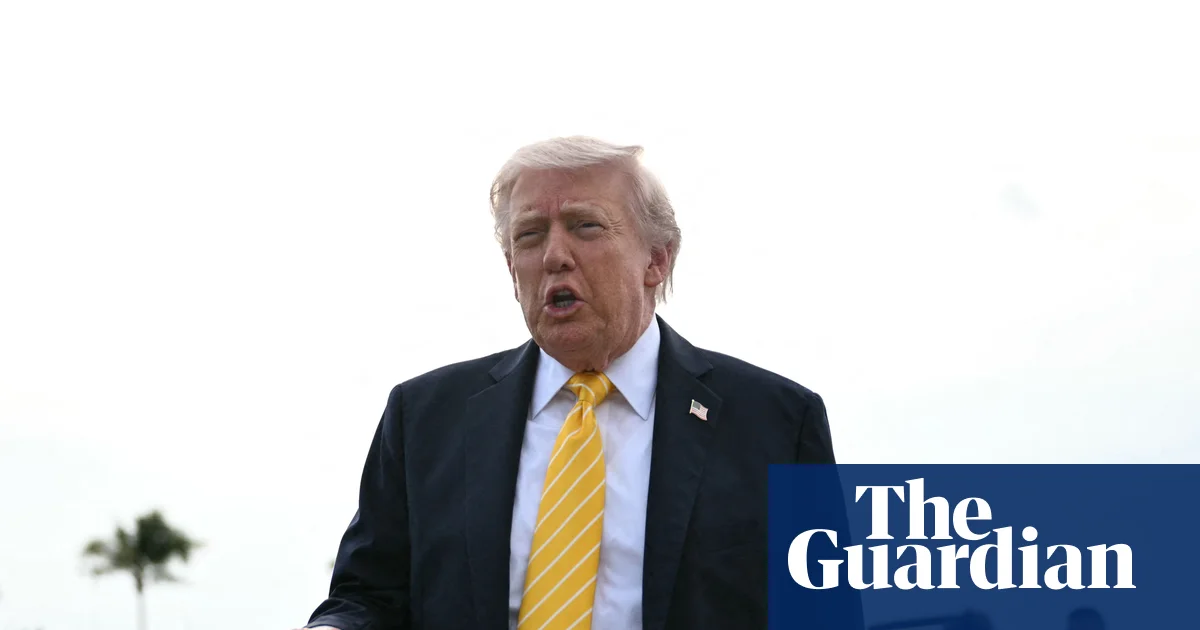
US Unveils Critical Rescue Operation Following F-15 Downing Over Iran

In a decisive move that underscores the escalating tension in the Middle East, the United States has successfully rescued the crew member of its downed F-15 fighter jet over southern Iran. The incident, which resulted in the loss of American military aircraft, signals a new chapter in the ongoing power struggle in the region. The swift rescue not only highlights the risks faced by modern air forces but also demonstrates Washington’s unwavering commitment to safeguarding its personnel amidst the complex geopolitical landscape.

According to official sources, the F-15 was engaged in operational activities aligned with U.S. military interests in the region when it was unexpectedly shot down by Iranian defenses. While Iran maintains that the aircraft violated its airspace, US military officials contend that the incident was a targeted act of aggression, further complicating the narrative. This event has ushered in a wave of international concern, with analysts warning that such hostilities could upset the fragile balance of power in a geopolitically critical area. The rescue operation, reportedly carried out by special forces, serves as a stark reminder that in this volatile theater, the line between confrontation and conflict remains razor-thin.

Historians and security analysts have long analyzed such incidents as potential catalysts for larger-scale conflicts. Experts such as Dr. Elizabeth Martin from the International Conflict Research Institute emphasize that each escalation risks spiraling into broader regional instability. The international community, especially NATO allies, have condemned the event, with some calling for de-escalation while others reinforce their military readiness. The United Nations, meanwhile, has called for restraint from all sides, emphasizing the importance of diplomatic dialogue. Yet, the unfolding events reveal how the decisions made today could fundamentally reshape the geopolitical landscape for decades to come, threatening the stability of alliances and the security of nations.

The U.S. government and military leaders have doubled down on their commitment to defending their personnel and interests, signaling that this incident could define future military engagement in the region. The successful rescue underscores the high stakes involved, and the turning point may well be a harbinger of more aggressive posturing from both Washington and Tehran. As the fall-out continues to unfold, the world must grapple with the grim reality: the choices made in this moment are shaping the chapters of history yet to be written, with the specter of conflict hanging heavily over every diplomatic effort. The message is clear — in the new era of geopolitical contestation, every incident, no matter how isolated, has the potential to ignite a larger crisis, and history’s pen waits to record the next chapter in this ongoing saga.

Middle East Tensions Flare: Iran Reports 5 Killed in US-Israeli Strikes During Rescue Mission

Unfolding Crisis in the Middle East: A Turning Point with Global Consequences

The recent escalation of violence in the Middle East has sent shockwaves through the global geopolitical landscape, revealing a region on the brink of a protracted and devastating conflict. Iran, under the leadership of its central military command, has decisively rejected Donald Trump’s demands for a swift deal within 48 hours, warning that such threats are futile and dangerous. Meanwhile, a war that ignited with US and Israeli strikes targeting Iranian military facilities has rapidly spread, with the region’s stable geopolitical balance disintegrating in a matter of weeks.

Reports indicate that early Sunday morning, Iran’s forces launched missiles and drones, striking targets in Kuwait and Israel—an unmistakable sign of a comprehensive regional conflict. The Israeli prime minister, Benjamin Netanyahu, confirmed that Israel responded with attacks on Iran’s petrochemical infrastructure, including a strike on the Mahshahr plant, where Iranian media reported casualties. The Iranian military has responded with retaliatory strikes, including missile and drone attacks on Kuwaiti water desalination plants and the UAE’s energy facilities. This ripple effect of hostilities has upended international trade routes, notably the strait of Hormuz, which Iranian forces tightly control. The disruption of this vital conduit for nearly twenty percent of global oil supplies has sent shockwaves through energy markets worldwide, prompting fears of a global energy crisis that could drag economies into chaos.

Expert analysts and historians, including former UN nuclear watchdog Mohamed El-Baradei, warn that the escalation risks transforming the Middle East into “a ball of fire.” El-Baradei’s recent appeals, alongside statements from international organizations, highlight the peril of quick, aggressive military responses that could ignite a regional war with unpredictable, potentially catastrophic consequences. As Iran insists on a permanent security guarantee and rejects Trump’s ultimatums, the potential for a wider conflagration intensifies, with neighboring Gulf countries caught in the crossfire. How nations and societies respond to these threats in the coming days will determine whether the region slips further into chaos or finds a fragile path toward de-escalation.

  • The US and Israeli militaries targeted multiple strategic sites in Iran’s capital, including Shahid Beheshti University, with reports of civilian casualties.
  • Hezbollah claimed to have targeted a nascent Israeli warship off the Lebanese coast, an assertion which remains unverified, yet underscores Iran’s proxy ambitions and regional proxy conflicts.
  • In the broader conflict, Lebanon’s death toll exceeds 1,400, with Israeli strikes killing dozens in recent days, a tragic toll that exemplifies the war’s devastating human cost.
  • Meanwhile, aid organizations report severe disruptions in their efforts to deliver food and medicine, citing the cutting off of vital shipping lanes and blockade of supply routes—an unfolding humanitarian crisis that compounds the violence.

As regional powers—Egypt, Turkey, Pakistan—push for diplomatic backchannels to rebuild stability, the global community remains watchful. The United Nations, as well as international leaders, warn that the escalation could spiral into an all-out war, threatening to engulf not just the Middle East but also to destabilize global markets and fuel geopolitical upheaval. Will diplomacy prevail, or will the region become an indelible scar on the map of the 21st century? The course is only beginning to be written, and history’s pen hangs heavy, awaiting the verdict of future generations—whether to be heralds of peace or witnesses to the abyss.

Small Town Stands Up as ICE’s Detention Center Plan Gets Rejected

Amidst ongoing debates over national immigration policies, residents in a small community have voiced a complex stance that underscores the deep-rooted tensions shaping today’s geopolitical landscape. While the local populace largely supports the broader goals of immigration reform—such as bolstering economic growth, fostering multicultural integration, and fulfilling international commitments—they have expressed firm resistance to specific implementation measures, notably the proposed construction of a detention center within their neighborhood. This nuanced community response exemplifies how domestic policies are often entangled with local concerns, revealing a layered geopolitical impact.

According to local residents, their ambivalence stems from a pragmatic recognition of the need for effective immigration controls, yet they are deeply concerned about the consequences of detention infrastructure on community safety, property values, and social cohesion. Critics argue that such facilities symbolize a broader clash between sovereignty and human rights, with international organizations sounding alarms over potential violations of global norms. Analysts from prominent think tanks have pointed out that these tensions highlight the delicate balance policymakers must strike between upholding national security and respecting human dignity.

The government, meanwhile, maintains that the detention center is a necessary component of their comprehensive immigration strategy. They emphasize that the facility would operate under strict regulations designed to ensure humane treatment and that it would help streamline immigration processing, ultimately serving both national interests and international obligations. However, these assurances have done little to quell local unrest. Instead, debates have intensified among international observers and geopolitical scholars who warn that such infrastructure projects become flashpoints for latent geopolitical tensions. Critics assert that these localized conflicts are microcosms of larger global struggles—highlighting issues of sovereignty, human rights, and migration policies under unprecedented strain.

  • Historian Samuel Peterson highlights how detention policies have historically shifted public perceptions and affected diplomatic relations, warning that “the construction of detention centers often signals a nation’s retreat from international human rights standards.”
  • International organizations such as the United Nations continue to advocate for humane treatment of migrants, emphasizing that how a nation manages migration reflects its geopolitical identity and values.
  • Political analysts believe that these domestic controversies could have ripple effects, destabilizing diplomatic ties and fueling nationalist sentiments across regions.

As the debate rages on in the community halls and political chambers, the world watches, aware that these localized decisions often scale to define a nation’s stance in an interconnected global order. Will the government maintain its push for detention infrastructure, or will community resistance succeed in shaping a more humane approach? History remains poised at this decisive crossroads, waiting to record whether this confrontation becomes a turning point or simply another chapter in the continuing saga of migration and national sovereignty.

Cambodia Unveils Heroic Rat Statue Honoring Landmine-Detecting Hero

In an era marked by complex international conflicts and shifting alliances, the commemoration of a remarkable African giant pouched rat serves as a poignant reminder of unconventional heroes and their impact on global security. The statue dedicated to this extraordinary creature honors a truly unique contribution: meticulously sniffing out over 100 landmines during his lifetime. This piece of history underscores the vital intersection of ecological intelligence, humanitarian effort, and geopolitical stability, offering lessons for nations embroiled in ongoing conflicts and disarmament challenges.

The rat’s story is emblematic of a broader movement towards innovative, non-traditional methods of conflict mitigation, especially in war-torn regions where landmines continue to pose lingering dangers to civilians long after active hostilities cease. International organizations such as the United Nations Development Programme and humanitarian NGOs have increasingly supported the deployment of trained animals, like this remarkable rat, to facilitate safer environments. Historians and security analysts recognize this alliance between biological aptitude and human ingenuity as a turning point in demining strategies, fundamentally altering the approach of armies and peacekeeping missions around the world.

The geostrategic consequences of landmine clearance extend far beyond the battlefield. The example of this rat highlights how decision-makers in countries — particularly in conflict zones across Africa, Southeast Asia, and Eastern Europe — are adopting more effective, humane tactics to stabilize precarious regions. Its legacy underscores the importance of prioritizing lives over traditional warfare, opening pathways for economic development, education, and return to normalcy in societies scarred by decades of violence. This shift towards innovative demining not only saves lives but also redefines the parameters of international cooperation and sovereignty.

Yet, as the world reflects on this unusual hero, critics warn of the persistent dangers that threaten global peace and stability. Recent geopolitical tensions, such as Russia’s ongoing conflict in Ukraine and escalating disputes in the South China Sea, reveal how fragile peace remains. In this turbulent landscape, the story of the giant pouched rat serves as a powerful reminder that victory may come from unexpected alliances and that the path to lasting peace hinges on foresight, innovation, and the collective will to protect innocent lives. As history continues to unfold, nations must grapple with the tangible lessons embedded in this animal’s silent, tireless service—lessons that could help shape a future where conflict is met not merely with force but with wisdom and resilience.

Man Caught Trying to Flee Country After Killing Woman at Melbourne Airport

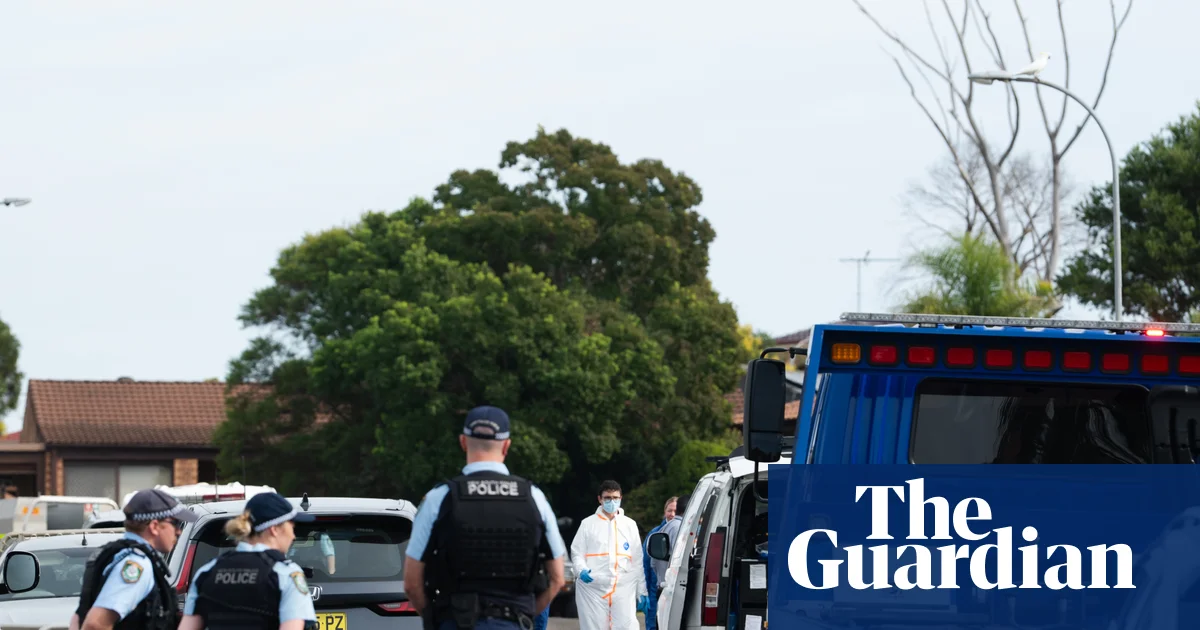
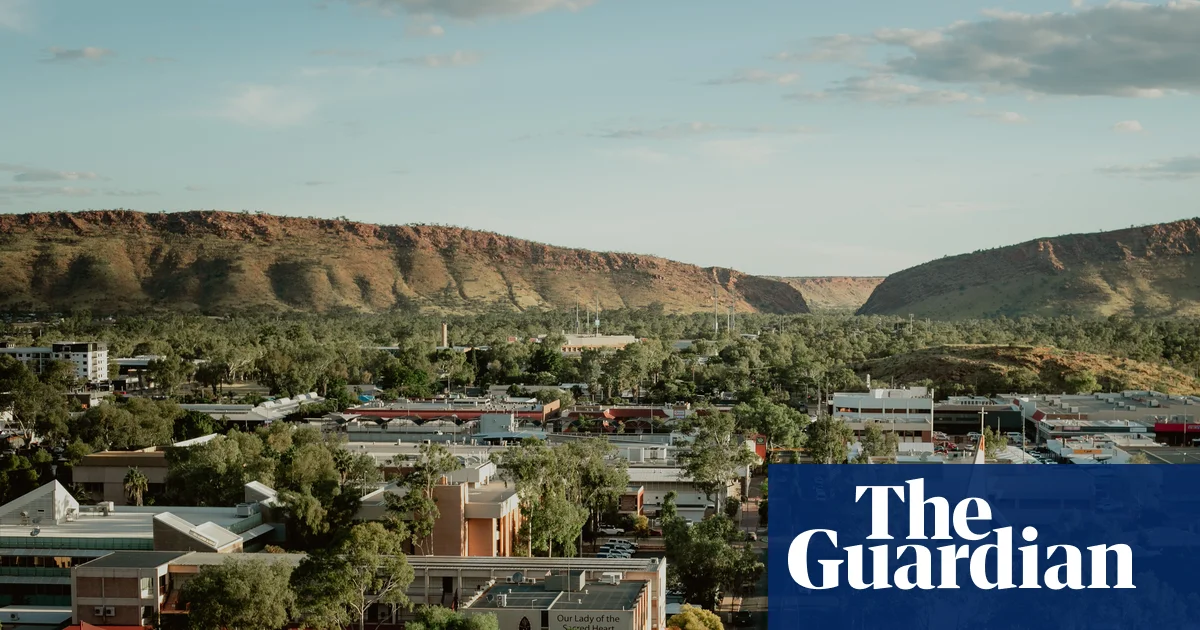
The recent arrest and arraignment of Allan Keys, a 67-year-old resident of Patterson Lakes, at Melbourne International Airport, underscores how domestic criminal proceedings can ripple across the international stage. As Keys faced charges of murder for the alleged killing of a 53-year-old woman from Dandenong, the case has inadvertently highlighted the fragile intersection between local justice and global geopolitical concerns. While this is ostensibly a national law enforcement matter, the broader implications extend into the realm of international security and societal stability, where each act of violence reverberates beyond borders and influences international perceptions of law enforcement efficacy and societal safety.

Authorities unveiled that the victim’s body was discovered in Little River, approximately 44 kilometers southwest of Melbourne, after her sudden and suspicious disappearance had triggered police investigations. The circumstances of her case, emerging from a report of her failure to contact her family, reveal the critical role that local law and order play in maintaining societal coherence. However, the global community’s attention is increasingly riveted on individual cases like these to assess the stability of nations’ civic institutions—especially in an era where transnational influence and geopolitical tension remain high. The ongoing investigation, including Keys’ scheduled court appearances and the setting up of a crime scene, serve as a stark reminder of how domestic violence and crime are not insulated from a continent’s broader security posture. Officials and analysts from international law enforcement agencies are watching these local developments closely, understanding that such incidents can sometimes be precursors or indicators of larger societal instability—especially if they reflect systemic weaknesses.

The geopolitical impact of this case, while initially seemingly confined to local Australian law, raises questions about how countries manage internal security amidst rising global instability. As global organizations like INTERPOL emphasize international cooperation in crime prevention, individual cases stress the importance of fortifying national judicial and police systems. Experts warn that unchecked violence or perceived lapses in justice can influence a nation’s international image, potentially affecting foreign investment and diplomatic relations. In this instance, whose jurisdictional reach extends beyond mere criminal justice, operating as a symbol of societal resilience or failure in the face of chaos.

Historical analysts and security specialists have long warned that internal instability, especially in regions with significant geopolitical weight such as Australia, can serve as a test for the global system. Among them, many emphasize that how nations respond to such tragedies reflects their capacity to maintain sovereignty, uphold rule of law, and project a stable image internationally. The case of Allan Keys is therefore not merely a local tragedy but a mirror held up to national governance and its role in global order—a reminder that every act of criminality, and the response to it, shapes the narrative each nation will carry into the future. As the case unfolds and the world watches, the weight of history continues to deepen, with each decision etching new lines into the collective blueprint of civilization’s ongoing saga.

India’s Rising Star: From Ordinary to One of the Nation’s Most Daring Performers

Global Implications of Cultural Shifts: A Reflection on Changement in Leadership and Society

The recent passing of Chapal Bhaduri, once regarded as Bengal’s most prominent cultural icon, underscores a broader narrative of shifting societal values and the evolving landscape of regional influence. Historically celebrated for her dominance on Bengal’s stage, her rise and eventual waning reflect the dynamic interplay between tradition and modernity—a microcosm of global cultural transformation. As nations grapple with redefining identities amidst globalization, the enduring question remains: who rises when the old guard fades, and what does this mean for geopolitics?

Analysts suggest that the decline of regional cultural figures like Bhaduri signals more than just a change in entertainment—it’s a manifestation of deep societal shifts. As younger generations embrace new forms of expression, established cultural icons often find themselves overshadowed. Historical patterns show that cultural reinventions frequently precede political upheavals, with society’s values either consolidating around new leaders or fragmenting into competing visions of the future. The decline of such icons can therefore be viewed as an early warning of underlying unrest, a phenomenon that major international institutions like the United Nations warn could destabilize regional stability if not managed carefully.

The geopolitical ramifications extend beyond cultural boundaries. As regional figures step back, opportunities arise for shifting alliances and power struggles within nations—particularly those like India, whose diverse society is navigating the tension between tradition and progress. Critics argue that a vacuum left by traditional icons can be exploited by external powers or domestic factions seeking to influence public sentiment. This dynamic echoes the lessons learned from historical upheavals where societal transitions have often been exploited for geopolitical gains. As the global community watches, questions emerge about how internal cultural shifts influence international diplomacy and strategic stability.

Nevertheless, the draw of global influence is unmistakable. Foreign policymakers and analysts increasingly recognize that the cultural zeitgeist acts as a prelude to political change. International organizations such as the World Bank and regional think tanks emphasize the importance of fostering resilient societies capable of navigating rapid cultural transitions without descending into chaos. Yet, the challenge remains: how do nations maintain cohesion when societal icons, once symbols of unity, fade into history? Few would deny that history’s great turning points are often marked by such cultural shifts—moments when the past is willingly left behind in pursuit of an uncertain, yet undeniably necessary, future.

As the echoes of Bhaduri’s stage performances fade into history, they serve as a stark reminder that the unfolding story of society is anything but static. Humanity stands at a crossroads—struggling to balance the weight of tradition with the relentless march of progress. As the world watches these transformations unfold, one truth remains unshaken: the course of history is written anew in each generation, and the next chapter is yet to be unveiled—an uncertain tale driven by the collective choices of nations and societies on the verge of their own futures.

US and Iran swap warnings as search for missing airman intensifies—tensions boil over

In an era marked by burgeoning geopolitical tensions, the voice of Iran‘s leadership resonates with a stark warning that underscores the fragile stability of the Middle East. Ebrahim Zolfaghari, spokesperson for Khatam al-Anbiya Central Headquarters, issued a forceful declaration: “If hostility escalates, the entire region will turn into hell for you; the illusion of defeating the Islamic Republic of Iran will become a quagmire into which you will sink.” This statement, reflective of Iran’s increasing assertiveness, signals a clear warning to regional and global adversaries amid a complex web of alliances, rivalries, and power projections that dominate international diplomacy today.

Analysts note that Iran’s rhetoric is intertwined with a series of recent developments that reveal their strategic resilience. Tehran has been steadily advancing its regional influence, particularly through its support for allied groups and scope of missile and nuclear programs. This posture comes at a time when United States and European Union policymakers seek to navigate a landscape fraught with risks, including potential escalation into broader conflicts. The threat from Iran is viewed by many international organizations, such as the United Nations, as a pivotal factor in regional instability, capable of igniting conflicts with far-reaching consequences.

The global power struggle has shifted dramatically as Russia and China bolster their alliances with Iran, challenging the preeminence of Western influence in the Middle East. This geopolitical pivot risks transforming the region into a battleground for influence, resource control, and ideological clashes. While Washington seeks to uphold its commitments to regional allies like Israel and Saudi Arabia, Tehran’s defiant stance demonstrates how the Islamic Republic perceives itself as a resilient Axis of resistance, willing to confront what it deems external threats head-on.

  • Recent missile tests and nuclear advancements by Iran have prompted calls for renewed sanctions, yet Tehran remains undeterred, asserting its sovereignty and regional interests.
  • Diplomatic efforts towards reviving agreements like the JCPOA remain stalled amid mutual distrust, further complicating prospects for de-escalation.
  • Meanwhile, the Middle East continues to simmer with conflicts, many of which are exacerbated or manipulated by external powers seeking strategic footholds in the geopolitically vital zone.

International historians and geopolitical analysts warn that the current climate of confrontation risks plunging the region into *unprecedented chaos*. Dr. Philip Williams, a professor of Middle Eastern studies, emphasizes that “The decisions made in these crossing points of diplomacy and defiance will sculpt the future of international order itself.” As world leaders grapple with how to contain or confront Iran’s rising assertiveness, the global community stands on the precipice of a transformative epoch—one that could redefine the boundaries of peace and conflict for generations to come.

In the shadowy corridors of power, the echoes of history remind us that decisive moments are often born from the brink of catastrophe. Iran’s leadership, unwavering in its stance, signals a warning that the choices made today will ripple through the fabric of international stability. As the cold winds of geopolitics blow fiercely across the Middle East, the course of history remains in the delicate balance of diplomatic resolve and relentless confrontation. The world watches, perhaps unknowingly, as the next chapter of chaos or peace prepares to be penned—a chapter whose ending is yet unwritten, lingering in the mists of an uncertain future.

German men under 45 could face military approval for extended stays abroad—what's really behind the move?
German men under 45 could face military approval for extended stays abroad—what’s really behind the move?

In a move that signals a significant shift in international policy, several nations have recently implemented new regulations stipulating that travel approvals must generally be granted before individuals can cross borders. While these rules may seem routine on the surface, their implications extend far beyond simple bureaucratic procedures, potentially reshaping the delicate fabric of global mobility, sovereignty, and international relations.

What makes these developments particularly notable is the ambiguity surrounding enforcement. Officially, authorities have stated that restrictions are to be adhered to at their discretion, yet there remains considerable uncertainty about how breaches of this protocol will be managed in practice. International observers, including the International Organization for Migration and renowned geopolitical analysts, warn that this lack of clarity could lead to increased friction among nations. Countries with differing policies might interpret enforcement variably, raising tensions especially in regions where borders are already fragile or contested. The absence of a clear enforcement mechanism leaves a vacuum that could be exploited, or worse, devolve into conflicting interpretative clashes among sovereign states.

This evolving landscape underscores the how decisions made at the national level can ripple across global networks, affecting commerce, diplomatic relations, and societal stability. Historically, such regulations have often been precursors to broader geopolitical shifts. Analysts note that some governments may leverage these new travel restrictions to tighten control internally while projecting strength externally. For instance, the United States, the European Union, and China have all shown varying degrees of assertiveness regarding border management, a trend that global institutions like the United Nations are closely monitoring. Their response, or lack thereof, will be critical in determining whether these policies deepen divisions or foster a new form of international cooperation rooted in shared security interests.

  • The imposition of mandatory travel approvals reflects a broader global shift toward border sovereignty and national security concerns, especially amid geopolitical tensions in regions like Eastern Europe and the South China Sea.
  • Major powers appear to be recalibrating their borders, emphasizing control over the free-flowing movement of people and ideas — a move that analysts suggest could undermine longstanding principles of international cooperation.
  • This ambiguity in enforcement raises warnings of potential conflicts or misunderstandings, which could escalate into diplomatic crises if mishandled or exploited.

As historians like Barbara Tuchman have noted, such pivotal moments in policy often mark “the thin line between security and overreach,” where nations must tread carefully or risk unintentional destabilization. International organizations are calling for transparency and clearer guidelines to ensure that border control measures do not spiral into tools of oppression or political maneuvering. Yet, the vital question remains: how will individual states balance the power to regulate their borders with the need for *international stability*? As countries reassess their sovereignty in an era of unprecedented connectivity and conflict, their choices will shape whether history records this as a step toward greater global order or the beginning of a new fragmentation era.

Standing at this crossroads, the world watches as decisions made today carry the weight of the future’s destiny—an unfolding narrative where sovereignty, security, and diplomacy are inextricably intertwined. The stakes are high, and the story is still being written, with each policy shift promising to leave an indelible mark upon the annals of history.

US detains relatives of Iran's Soleimani in latest move
US detains relatives of Iran’s Soleimani in latest move

In a development that underscores ongoing tensions between Iran and the United States, officials announced that the niece and grand-niece of the slain Iranian general Qasem Soleimani are currently in the custody of US Immigration and Customs Enforcement. This move has not only rippled through diplomatic channels but also raised critical questions regarding the broader geopolitical ramifications of holding relatives of one of Iran’s most influential military figures.

Historically, Soleimani has been symbolized as the architect of Iran’s regional strategy, particularly through the Quds Force, which has supported various proxy groups across the Middle East. His assassination in 2020 by a U.S. drone strike marked a significant escalation in the American effort to curb Iran’s influence, further intensifying a cycle of retaliations and diplomatic confrontations. Now, with the detention of his relatives, analysts suggest a strategic shift by U.S. authorities, potentially aimed at exerting pressure on Iran’s leadership or gathering intelligence linked to Iran’s regional activities.

International organizations and regional observers such as the Middle East Institute and prominent analysts have weighed in on the implications. Dr. Elizabeth McGregor, a geopolitical analyst, states that “This move could be interpreted as a signal of an evolving U.S. policy—one that is increasingly targeting Iran’s internal networks and family ties to weaken its geopolitical resilience. Importantly, such actions highlight the delicate balance of power and the extended reach that modern conflicts have, often blurring the lines between diplomatic maneuvering and international law.” This underscores how decisions made in Washington not only influence diplomatic relations but also ripple through regional stability, impacting millions caught in ongoing conflicts.

The U.S. government’s decision to detain family members of a foreign adversary signals a potential new phase in the broader strategic rivalry. While some argue it is a necessary measure to confront Iran’s regional ambitions, critics contend that it risks fueling anti-American sentiment and destabilizing diplomatic channels. The tension is further compounded by Iran’s staunch rejection of the move, vehemently asserting that the detention infringes upon their sovereignty and risks escalating the rivalry to new heights.

As history continues to unfold in this complex arena, the world stands at a crossroads. The detention of Soleimani’s relatives is not merely a moment of legal or diplomatic agency but a stark reminder of the deep-rooted conflicts that shape our modern geopolitical landscape. With every decision, nations hold a mirror to their values and strategic priorities, knowing that the ripple effects may well resonate for generations. The weight of history presses heavily, as these actions may ultimately redefine the contours of Middle Eastern power dynamics and the broader international order—an unfolding saga where the reach of influence extends beyond borders, and the stakes could not be higher.

Social Media Auto Publish Powered By : XYZScripts.com