Matox News

Truth Over Trends, always!

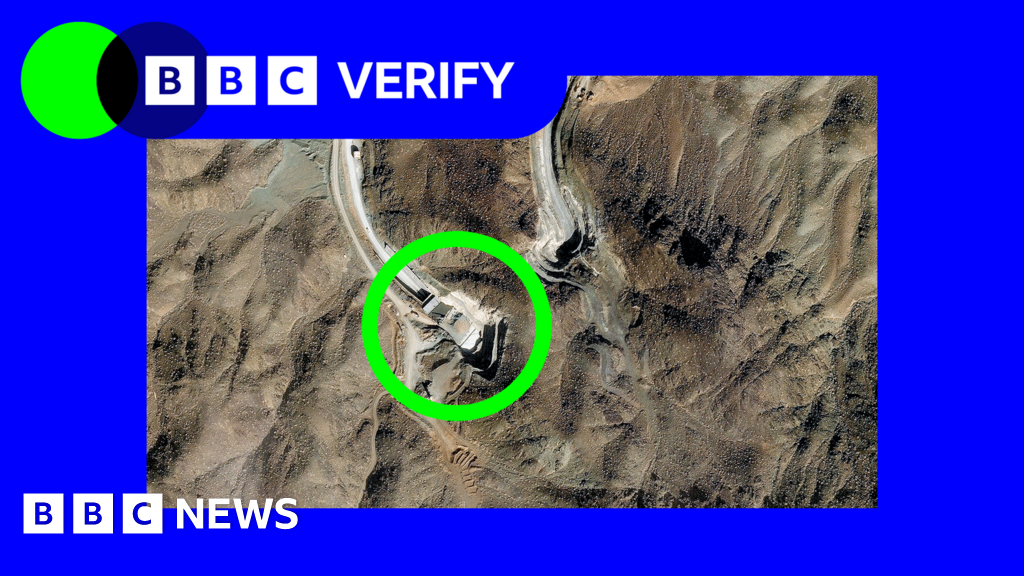
Iran bolsters underground complex near nuclear site, satellite images reveal

Recent developments in Iran’s nuclear program have once again placed the international community on edge, highlighting the fragile balance of power in the Middle East. According to intelligence reports, Tehran has made significant strides in constructing a new facility believed to be linked to their uranium enrichment activities. While Iran has previously claimed that such projects are solely for peaceful purposes, Western nations and international watchdogs remain wary, citing the potential for these developments to undermine regional stability and global non-proliferation efforts.

The size of the facility and its geographical advantages—notably, the protection offered by a tall mountain—prompted immediate concerns regarding its true purpose. Experts warn that the construction’s scale suggests more than just a typical centrifuge assembly plant. In fact, analysts from organizations like the International Atomic Energy Agency (IAEA) emphasize that such features could facilitate additional sensitive activities, potentially including uranium enrichment at a clandestine level. This raises a critical question: Is Iran inching towards developing a nuclear arsenal, or is this merely a strategic maneuver aimed at bolstering its regional deterrence?

Historically, Iran has tied its nuclear undertakings to the rebuilding of **advanced centrifuge assembly plants**, claiming these efforts are for civilian energy programs. Yet, geopolitical analysts and historians like Professor William Hartung argue that such activities often serve dual purposes—peaceful energy ambitions intertwined with clandestine weapons development. The potential breach of the 2015 Joint Comprehensive Plan of Action (JCPOA)—which sought to curb Iran’s nuclear capabilities—has destabilized negotiations and led to increased tensions. International organizations worry that a breakdown in diplomacy could reignite a nuclear arms race in a volatile region.

The geopolitical impact of these advancements extends beyond Iran and the Middle East. Allies of the United States and European nations are carefully recalibrating their strategies, emphasizing the importance of maintaining credible deterrence while avoiding escalation. The United Nations has called for renewed inspections and transparency, yet doubts persist about Iran’s willingness to fully cooperate. Such developments threaten to undermine decades of diplomatic efforts, opening a new chapter of uncertainty—where the outcome hinges on whether global leaders can prevent history from repeating itself or whether they will be drawn into another conflict fueled by nuclear ambition.

As the world’s eyes remain fixed on Iran’s clandestine activities, the question persists: Are we witnessing the dawn of a new nuclear竞赛 or merely an assertion of regional power by Iran? The weight of history is unyielding, and nations stand at a crossroads—either fostering diplomacy to avert catastrophe or abandoning the fragile peace for the chaos of war. What unfolds next could redefine the balance of power in the 21st century, leaving an indelible mark on the pages of history yet to be written.
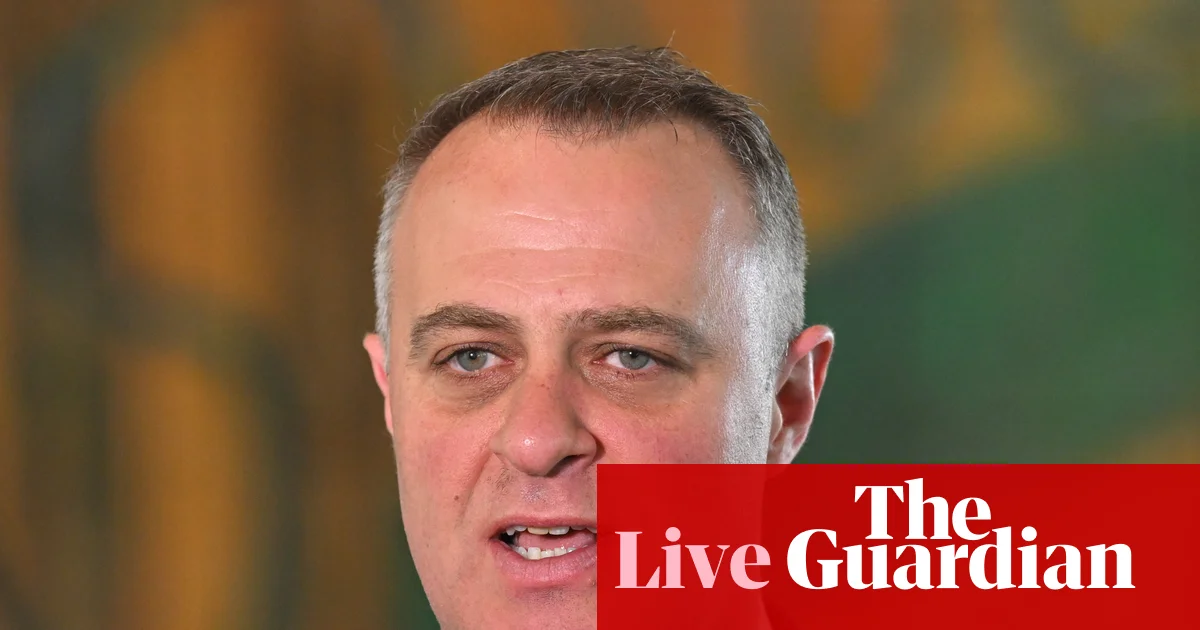

Australia Politics Live: Tim Wilson Snubs Deputy Role as Taylor and Ley Eye Liberal Leadership Spill

Unfolding Geopolitical Shifts and Domestic Turmoil: Australia’s Political Landscape and International Ripple Effects

In recent days, Australia has been engulfed in a tumultuous political saga that underscores the broader geopolitical ramifications of internal party conflicts and leadership disputes. The Liberal Party’s leadership spill — culminating in the contest between Angus Taylor and Sussan Ley — exemplifies the fragility of political allegiances amid global instability. As the world watches, these disputes are more than domestic skirmishes; they are manifestations of wider ideological battles that could reshape regional alliances and influence Australia’s posture on the international stage.

Numerous analysts, including prominent historians and global institutions, highlight how leadership crises like this ripple beyond national borders. The United Nations and wise geopolitical observers warn that such upheavals weaken a nation’s ability to project strength, particularly in the Indo-Pacific, a region increasingly vital amid the shift of global power dynamics toward China and the United States. The outcome of this spill could determine Australia’s future role — whether as a steadfast ally of Western democracies or an errant actor caught in internal discord. Importantly, the internal disunity, vividly illustrated by the backroom dealings and public statements of figures like Jane Hume and Tim Wilson, signals a nation at a crossroads, whose domestic stability directly influences regional security.

  • The leadership ballot, scheduled to commence at 9 am, reflects a deeper contest within the ruling party—one emblematic of the ideological battles shaping the global conservative movement.
  • Figures such as Jacinta Nampijinpa Price and Sarah Henderson show heightened interest in repositioning conservative policies, signaling internal struggles over Australia’s strategic direction.
  • The broader international implications include intensified concerns over freedom of speech and foreign influence, especially as protests unfold over the Israeli president’s visit, symbolizing heightened geopolitical tensions that resonate globally.

Indeed, as Australian leaders grapple with their party’s consolidation or disintegration, global sentiments also hang in the balance. The International Monetary Fund and World Bank have issued cautions about regional stability, emphasizing that internal political crises can impair economic resilience and diplomatic credibility. This week’s events serve as a stark reminder that internal division can undermine a nation’s capacity to navigate the complex currents of international diplomacy and economic competition. The appointment of Bruce Preston to the Reserve Bank’s interest rate committee signals a pivot toward technical expertise, yet the chaos within the Liberal ranks underscores the volatility that continues to define Australian politics. As the nation votes to determine its future leadership, historians caution that today’s decisions are shaping a history where internal upheavals are the harbingers of larger shifts.

In a world where national sovereignty is increasingly tested by external forces, Australia’s internal crises echo broader themes of resilience and vulnerability. The protests by the Jewish community and others against Herzog’s visit exemplify the societal fractures—a microcosm of the geopolitical turbulence that characterizes this era. As the dust settles and new leaders emerge, the shadow of history reminds us that these moments of political turbulence are but chapters in a larger narrative—one where the decisions made today will influence the global balance of power for generations to come. The unfolding story of Australia’s leadership contest, intertwined with regional tensions, serves as a stark reminder: in an interconnected world, internal discord can become the catalyst for profound, lasting change.

Jim Ratcliffe Apologizes for Comments Blaming Immigrants for ‘Colonising’ UK

In a development that underscores the deepening divides both within Britain and across the United Kingdom, billionaire industrialist and Manchester United co-owner Jim Ratcliffe has ignited a fierce political and cultural controversy. His recent comments, where he accused the UK of being “colonized” by immigrants, have sparked widespread condemnation from government officials, sports organizations, and civil society. Ratcliffe’s statement, which relied on outdated and inaccurate statistics, exemplifies how inflated narratives can influence public sentiment and cause societal rifts at a critical juncture for the nation’s identity and future.

Global analysts and historians have long warned that inflammatory rhetoric around migration can exacerbate societal divisions. The Office for National Statistics notes that the UK’s population reached approximately 67 million by 2020, with an increase largely driven by natural growth and legal immigration, rather than a “colonization.” Yet, Ratcliffe echoed alarmist language reminiscent of misused far-right narratives, painting a picture of an invasion that threatens the fabric of society. Such rhetoric, especially from a figure with close ties to economic and sporting institutions, carries a profound geopolitical impact—not just fueling domestic unrest but also affecting Britain’s international reputation. The backlash from politicians, including Labour leader Keir Starmer, highlighted the perceived hypocrisy of Ratcliffe, a man who moved his tax domicile to Monaco to avoid £4 billion in taxes but now seeks to lecture the nation on economic and social stability. This glaring disparity has only stoked fears of a disconnect between the elite and ordinary citizens, an issue that analysts argue complicates Britain’s social cohesion in an era of global uncertainty.

Moreover, the controversy extends far beyond politics and into the realm of sports and societal values. Manchester United fans and anti-racism advocates have condemned Ratcliffe, claiming his comments expose a troubling alignment with far-right narratives and demonstrate a lack of sensitivity to the diversity and inclusivity that the club and Britain itself purportedly champion. Campaign groups like Kick It Out and local supporters’ organizations have accused Ratcliffe of undermining unity, emphasizing that the strength of the nation and the sporting community lies in its diversity. The Football Association is now scrutinizing whether his comments could have disreputable impacts on the reputation of English football, which prides itself on inclusivity and multiculturalism.

The international community and policymakers watch with concern as Britain faces this internal fracture, warning that such rhetoric could embolden more extreme forces. Many international observers consider this controversy a symptom of a broader global trend—where economic pressures, cultural fears, and political populism intertwine to stoke societal tensions. The actions and words of influential figures like Ratcliffe are exposed as catalysts capable of inflaming or calming these divisions. Historians emphasize that history has shown the significance of language used by elites; it can either foster resilience or catalyze conflict on a national scale. As Britain navigates its post-Brexit identity shift, decisions made in the coming months—and the narratives they promote—could shape the nation’s trajectory for decades.

The legacy of today’s political and cultural struggle remains unwritten, but one thing is clear: the choices of leaders and influential figures now will echo through the halls of history. As society pauses to reflect on whether it will succumb to divisive narratives or forge a path of unity rooted in shared values and mutual respect, the true test of Britain’s resilience looms. Will the nation’s future be defined by the rhetoric of fear and separation, or by the courage to uphold its diversity and inclusive spirit? The weight of history hangs heavy, its unfolding story still in the balance, awaiting the verdict of a nation that stands at a crossroads toward either division or renewal.

US Border Official: Immigration Crackdown in Minnesota Will Wrap Up

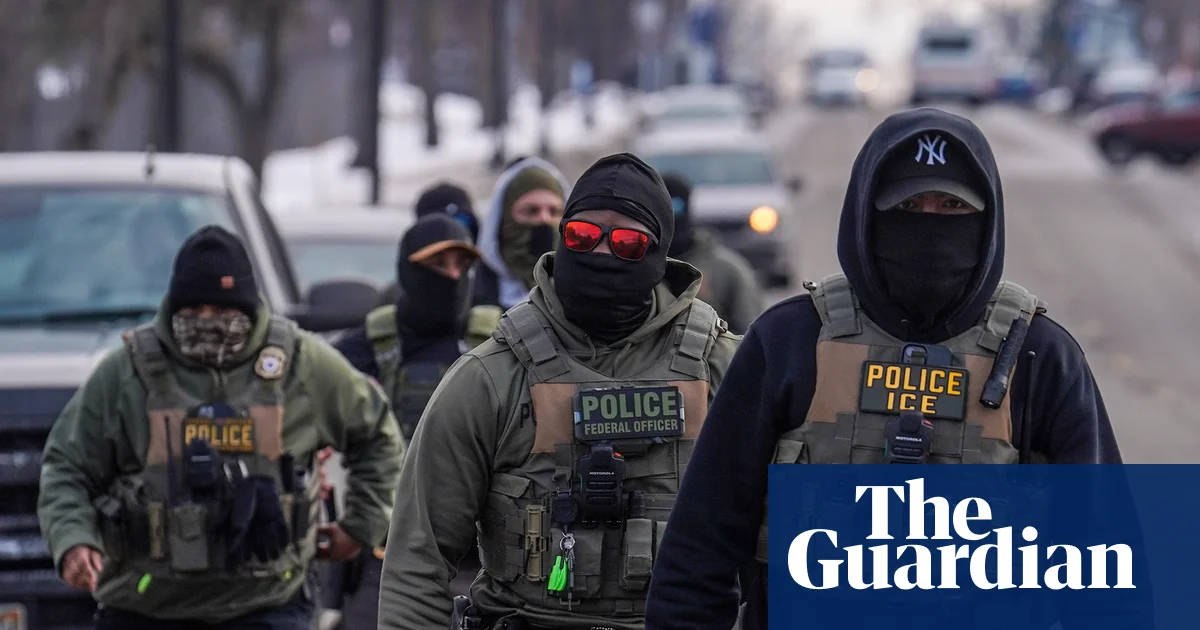
The recent withdrawal of federal immigration enforcement operations in Minnesota marks a decisive moment in the ongoing struggle between the federal government and local communities over immigration policy. Under the leadership of President Donald Trump, the U.S. Department of Homeland Security initially launched an aggressive crackdown in the state, aiming to tighten border security and curtail illegal entry. However, the operation resulted in tragic consequences, including the deaths of two U.S. citizens, mass detentions, and widespread protests—highlighting the deep tensions surrounding immigration enforcement today. Such policies are not merely internal issues; they have profound geopolitical repercussions that ripple well beyond America’s borders, influencing international perceptions of U.S. commitment to law and order.

As Tom Homan, the acting border czar, announced a significant drawdown earlier this week, the move signals a shift—albeit cautiously cautiously—toward a more pragmatic approach that seeks to restore community trust while maintaining enforcement priorities. Officials in Minnesota, including Democratic governor Tim Walz and Minneapolis mayor Jacob Frey—both openly critical of the crackdown—expressed cautious optimism. Mayor Frey highlighted the resilience of local communities in the face of what he called an “occupation,” asserting that “a love for our neighbors” and a sense of American patriotism will guide their recovery. Yet, amidst this internal political debate, the broader geopolitical impact remains stark: U.S. immigration enforcement is a matter of national sovereignty, influencing international allies and adversaries alike, especially in an era of rising global migration crises and regional conflicts.

Historians and analysts warn that the current trajectory could set a dangerous precedent for how the U.S. handles its borders and internal security. Organizations like the International Organization for Migration and security experts have pointed out that such policies often fuel global instability, as neighboring countries observe the U.S. retreating from its international commitments. Meanwhile, China and Russia watch carefully—assessing whether U.S. internal divisions weaken its global influence or present opportunities to expand their own spheres. The policy of mass deportations, touted yet again by Homan, underscores an unwavering commitment to “public safety,” yet critics argue that excessive enforcement can exacerbate societal divisions and undermine diplomatic credibility, especially as the U.S. seeks alliances in regions vulnerable to upheaval.

Ultimately, the unfolding story in Minnesota is but a chapter in the larger saga of a superpower grappling with its fractured identity. As Trump’s administration doubles down on its hardline stance, the world watches—wondering whether the United States can reconcile its values of freedom and order amidst a climate of upheaval. The decision to draw down agents, to focus on public safety, and to acknowledge the costs of previous tactics raises questions about the future of U.S. immigration policy. Will the nation find a sustainable balance, or will it descend further into internal chaos and global irrelevance? The answer is still unwritten, hanging like a shadow over history’s relentless march forward—an enduring, haunting question that history will either vindicate or condemn.

US Navy ships collide off South America — a wake-up call for maritime safety

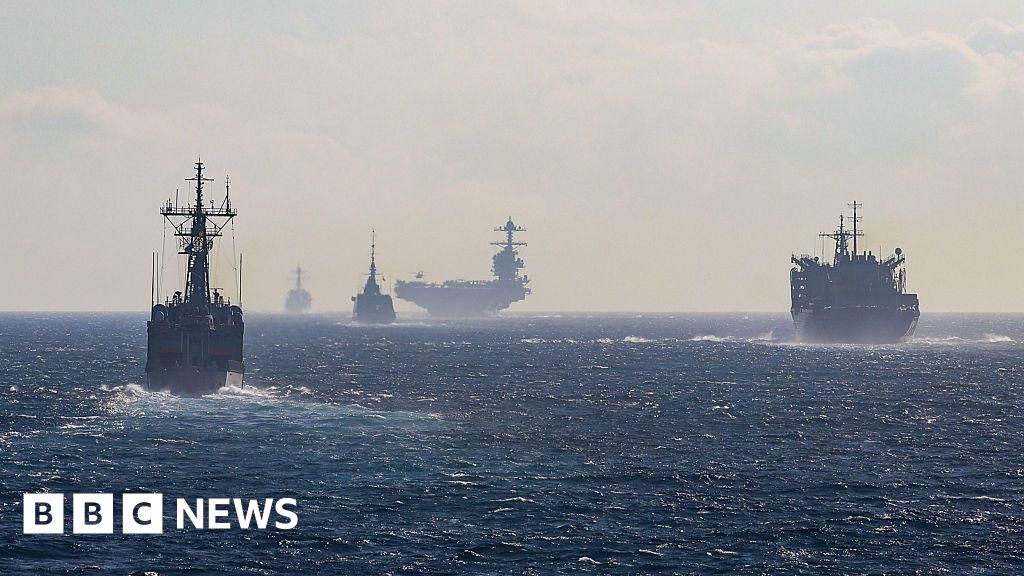
The unfolding narrative of recent military activity underscores an ongoing shift in international power dynamics, highlighting how U.S. military operations continue to influence regional stability. According to official reports, two individuals involved in the operation sustained minor injuries and remain in stable condition, a detail that underscores the relatively controlled nature of the incident. While the injuries are minor, the implications of this event reverberate far beyond the immediate vicinity, touching upon broader strategic concerns and diplomatic repercussions in an increasingly complex geopolitical arena.

Experts and analysts from various international institutions are closely monitoring how such incidents fit into the larger tapestry of posturing and power projection by global superpowers. Historians like Dr. Julia Schneider, renowned for her work on military conflicts, warn that even seemingly minor engagements can serve as barometers for escalating tensions. The U.S. military has repeatedly emphasized its commitment to operational safety and stability, yet critics contend that such actions risk unintended escalation, especially in volatile regions where alliances are fragile and rivalries are intensifying. Although the injuries were minor, the incident raises questions about the precision and prudence of military interventions in sensitive zones.

The geopolitical impact of this event resonates across nations harboring stakes in regional security. The recently heightened tension underscores the importance of diplomatic channels and multilateral agreements, such as the fragile ceasefire agreements and international treaties designed to prevent open conflict. As international organizations like the United Nations seek to mediate, many analysts suggest that such incidents threaten to undo years of diplomatic progress, exacerbating fears of a broader regional escalation. Historically, similar events have often served as turning points, leading to wider conflicts or renewed arms races, as witnessed during the Cold War era. The delicate balance of power hangs in the balance, with each side reassessing its position and strategy in real time.

Looking ahead, the ramifications of this incident extend into societal contexts, as populations on all sides grapple with the realities of ongoing conflict and military intervention. Governments are under increasing pressure to justify their actions to domestic audiences, framing these operations as necessary for security and national interest. Meanwhile, international observers warn that decisions made today could incite hardened attitudes and escalate military confrontations. This moment in history remains a pivotal point where diplomacy, military prudence, and national interests intersect, shaping the course of the 21st century. As history’s pen continues to write, the weight of unresolved conflicts and potential confrontations looms large on the horizon—reminding us that every small incident carries the seed of a future determined by today’s choices.

Tragic Loss: Over 20 Dead in Nile Boat Sinkings Amid Sudan Crisis

In a troubling development that has captured international attention, ongoing search efforts persist for the missing passengers of an unidentified incident, which tragically included children. While details remain sparse, the event’s ripple effects extend far beyond the immediate loss, highlighting the fragile state of regional stability and the profound impact on affected communities. Global institutions and nation-states are on high alert, emphasizing the importance of swift resolution and accountability.

As reports surface, the incident has reignited debates over border security, crisis management, and the geopolitical ramifications surrounding the involved regions. Analysts suggest that the event could serve as a pivotal moment, exposing deeper vulnerabilities within certain nations’ response capabilities and their international commitments. According to international observers—such as the United Nations and various regional security alliances—the case underscores a critical challenge: how to effectively respond to crises that are as complex and entwined as the geopolitical interests at stake. In particular, experts warn that failure to address these issues swiftly could lead to further instability, destabilizing not just the immediate area but potentially spilling over into neighboring nations.

Historian and geopolitical analyst Dr. James Carter notes that such tragedies tend to act as catalysts for broader shifts in diplomacy and policy. “When innocent lives—especially children—are lost in these incidents, it often galvanizes international efforts for change, yet it can also be exploited by opportunistic powers seeking to advance their agendas,” he explains. Meanwhile, the European Union and North American alliance networks have issued statements calling for increased humanitarian support and a transparent investigation. However, critics argue that geopolitical interests complicate efforts, with some nations reluctant to openly challenge regional powers that may be implicated in or responsible for further destabilization.

The geopolitical impact of this incident stretches beyond immediate rescue operations. It serves as a stark reminder of the high stakes involved in regional conflicts and their endurance as flashpoints for larger international disputes. The decisions made in the coming days—whether prioritizing humanitarian aid, diplomatic negotiations, or security measures—will shape the future of diplomatic relations and societal stability within the affected regions. As history witnesses yet another chapter unfolding, the weight of last-ditch efforts and international pressures remains heavy. With each passing hour, the world watches, holding its collective breath for a resolution that might yet alter the course of history, leaving behind a haunting reminder: that in the shadows of diplomacy, true tragedy quietly waits to strike, demanding justice and remembrance.

Russia clamps down: WhatsApp blocked amid messaging crackdown

Global Implications of Nation-State Internet Censorship: A Closer Look at Recent Digital Suppression

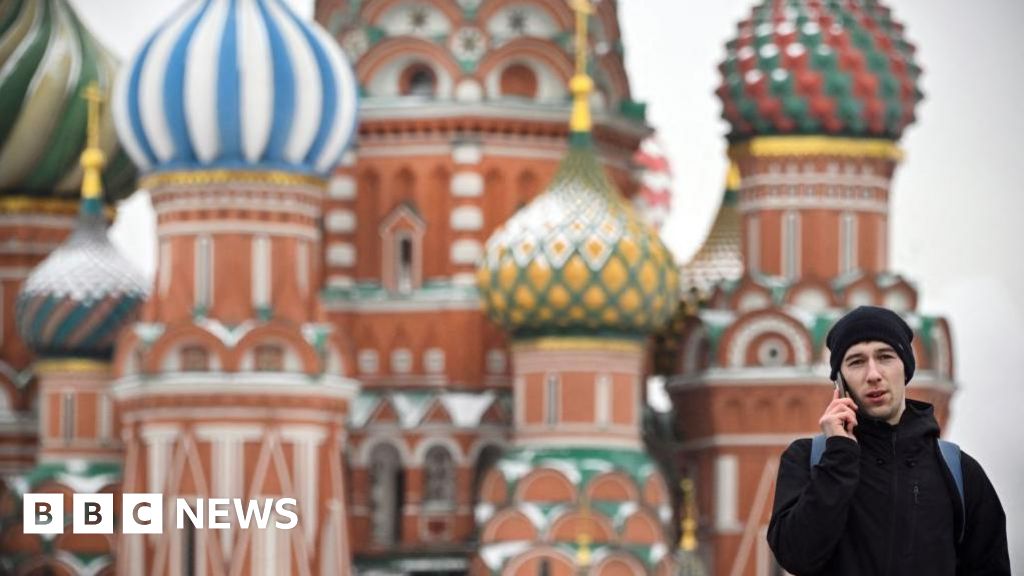
In a move that underscores the escalating tension between national sovereignty and the unchecked influence of global digital platforms, an unnamed country has significantly increased its control over the online domain landscape. Reports indicate that 13 prominent resources—including YouTube, Facebook, WhatsApp Web, Instagram, the BBC, and Deutsche Welle—have been systematically removed from the National System of Domain Names (NSDI). This act marks a decisive shift towards digital sovereignty, with profound implications for global information flow and individual freedoms.

Observers and analysts highlight that, since these sites’ removal, access is now only possible via a virtual private network (VPN), effectively sealing off the country’s population from the global digital commons. This scenario echoes Cold War-era censorship but now manifests in the modern era’s digital battleground, symbolizing a strategic move to control information and shape perceptions within borders while isolating citizens from international viewpoints. Several independent cybersecurity experts warn that such measures not only hinder citizens’ ability to access international news and social networks but also set a dangerous precedent for digital authoritarianism. By restricting access to platforms like the BBC and Deutsche Welle, which are known for their independent reporting, the ruling regime signals its intent to monopolize information and deter dissent.

Geopolitical Ripple Effects and the Role of Global Institutions

Leading international organizations, including the United Nations and the International Telecommunication Union (ITU), are now under increased scrutiny, as their previous calls for open internet access clash with rising nationalistic pursuits. Historians and geopolitical analysts warn that such censorship acts threaten the delicate balance of international digital cooperation established in post-Cold War decades. When a country isolates itself in cyberspace, it not only diminishes its citizens’ access to global economic opportunities but also risks alienating itself from the collective effort to combat transnational cyber threats.

The geopolitical impact extends beyond individual nations’ borders. Regions with restrictive internet policies risk deepening divides, fueling distrust, and fostering a digital “firmament” that could culminate in a bifurcated world order—one where Western-led norms of open communication coexist with increasingly isolated, national-controlled digital spheres. The warnings from international cybersecurity agencies suggest these developments might embolden other regimes contemplating similar measures, thereby threatening the freedom of information that has underpinned modern democracies.

How Decisions Shape Societies and Future Trajectories

This strategic digital isolation is not merely a matter of technical control but a reflection of broader societal shifts. As social media platforms serve as modern town squares, governments that control access to these spaces directly influence public discourse and social cohesion. The removal of sites like Facebook or Instagram reduces opportunities for civic engagement, especially among youth, who increasingly depend on these avenues for information and activism. Such actions could lead to increased societal polarization and hamper the development of informed citizenry vital for democratic resilience.

International experts warn of the long-term consequences, emphasizing that decisions made now will shape generations. Were this trend to deepen, it could pave the way for digital enclaves—pockets of internet where only state-approved narratives flourish. The danger lies not only in censorship but in the systematic suppression of dissent, ideas, and innovation. As nations grapple with this new reality, the prospects for a free, interconnected world appear increasingly strained, leaving the echoes of history—once peaceful digital exchanges—shattered by authoritarian ambitions.

In the unfolding narrative of the 21st century’s geopolitical theater, the question remains: who will control the digital future, and at what cost for human liberty? The weight of history presses on, as nations continue their silent, yet decisive, moves to define the boundaries of freedom in an era where information is both a weapon and a right. The outcome of this digital clash will indelibly mark the tapestry of international relations, shaping societies and influencing the very fabric of global civilization for decades to come.

Minister clashes with Ratcliffe over claim UK built by immigrants – Politics Update

UK Politics in Turmoil as Immigration Debate Sparks Government Backlash

Recent developments in London’s political landscape indicate a notable shift in governmental response to contentious issues surrounding immigration and national identity. The controversy erupted when Jim Ratcliffe, a prominent billionaire and co-owner of Manchester United, made inflammatory remarks claiming that the UK is being “colonised” by immigrants. Such statements, especially from a figure known for his financial influence and subsequent relocation to Monaco to optimize his tax obligations, have ignited a fierce debate within political corridors. The UK government, led by Prime Minister Rishi Sunak, swiftly condemned Ratcliffe’s comments, a departure from previous approaches where officials often downplayed or tacitly supported concerns about immigration.

Revelations from Downing Street suggest a strategic recalibration in the government’s stance on immigration discourse. According to sources close to the administration, the rapid rebuttal signals an emerging desire to distance the government from populist inflammatory rhetoric and to avoid alienating moderate voters. Starmer’s Labour opposition has seized the moment, criticizing the government’s perceived reluctance to confront divisive narratives openly. Meanwhile, New Prime Minister Keir Starmer gains confidence to articulate his progressive instincts more boldly, especially as key figures such as Morgan McSweeney, a former chief of staff of Downing Street, have stepped back from the spotlight, providing space for a shift toward more explicit policy debates on migration. The unfolding scenario underscores a broader geopolitical impact: how national narratives around immigration influence international perceptions and negotiations.

Furthermore, senior officials like Justice Minister Jake Richards escalated the rhetoric against Ratcliffe’s comments, asserting that while everyone has a right to their opinion, inflammatory language like “colonised” is offensive and inaccurate. Richards highlighted the hypocrisy of Ratcliffe, pointing out that the billionaire’s personal move to Monaco—primarily to dodge billions in taxes—renders his critique of immigration hypocritical and tone-deaf to common societal concerns. International analysts warn that such internal political maneuvers have broader geopolitical implications, especially as the UK seeks to maintain its global standing amidst shifting alliances and domestic upheaval. Historically, experts like Dr. Eleanor Clarke, a scholar of British politics, emphasize that the British identity remains malleable, but recent verbal battles threaten to deepen societal divides and challenge the country’s international image.

The domestic agenda remains packed, with key moments planned for the day, including healthcare performance data, local political debates, and visits from ministers to regions hit hard by socio-economic challenges. Yet, the real story is transpiring in the corridors of power—where decisions on how to frame national questions about immigration, sovereignty, and economic fairness are setting the stage for future geopolitical positioning. The weight of history presses down on these fleeting moments of political spectacle, as the UK’s internal divisions threaten to redefine its role on the world stage. How leaders navigate these turbulent waters will determine whether the country emerges united or fractured, shaping the narrative for generations to come.

UK economy edges up 0.1% amid Budget doubts, showing resilience in uncertain times

The recent United Kingdom economic data signals a cautiously positive outlook amidst global economic turbulence. Official figures from the Office for National Statistics reveal that the UK’s gross domestic product (GDP) grew by 0.1% in the final quarter of last year, defying expectations of a stagnation or contraction. Despite persistent economic headwinds, including consumer hesitations driven by political speculation around Rachel Reeves’ budget and the fallout from recent cyber-attacks on major industries, the UK’s economy managed to demonstrate resilience. This modest growth, combined with a 1.3% increase in 2025 overall, is seen by analysts as a sign that the British economy continues to adapt to shifting global circumstances, although challenges remain.

Global financial institutions and economic analysts have underscored that how decisions are made within the UK government—particularly around fiscal policy and national security—directly impact the broader geopolitical landscape. The late-November budget, which spurred speculation about significant tax hikes, temporarily suppressed consumer and corporate activity, highlighting the precarious balance governments must maintain between fiscal austerity and growth stimulation. The Bank of England, in its recent policy statement, chose to keep interest rates steady at 3.75%, while signaling that the decline in inflation—partly driven by cost-of-living measures tied to Reeves’ strategic budget—might pave the way for future rate cuts. This signals for markets that, despite present caution, there is confidence within the British establishment that stabilization can be achieved without aggressive monetary tightening.

The broader geopolitical impact of the UK’s economic performance and policymaking extends well beyond its borders. As one of the world’s largest financial centres, London’s resilience influences international markets, diplomatic relations, and global supply chains. The recent cyber-attack targeting Jaguar Land Rover and its subsequent economic repercussions underscore how interconnected national security and economic stability have become. While the UK attempts to navigate domestic challenges, it remains entrenched in the complex web of international competition—with analysts warning that economic stability at home is vital for maintaining influence in a shifting international order. Historical perspectives from institutions like the International Monetary Fund highlight that resilient economies tend to form the backbone of geopolitical strength and alliances in uncertain times.

  • The UK’s modest growth in late 2025 reflects cautious optimism but also exposes vulnerabilities in productivity and investment.
  • The Bank of England’s strategic hold on interest rates indicates confidence in ongoing inflation control and potential for future monetary easing.
  • Cybersecurity threats and economic shocks, such as the JLR attack, illustrate the new battlegrounds in modern geopolitics.
  • The trajectory of UK policy, especially its impact domestically and internationally, will be closely monitored as history continues to write itself in these uncertain yet pivotal times.

As the world’s eyes fixate on the unfolding dramas of economic resurgence and geopolitical maneuvering, the question remains: how will Britain, in its pursuit of stability and influence, shape the next chapters of global history? With decisions made today echoing through the corridors of power and into the fabric of society, the weight of history presses ever heavier. The unfolding story of the UK economy is not merely a tale of numbers but a testament to a nation striving to navigate the treacherous waters of an uncertain world—where every move could define the future for generations to come.

Young conservatives rally behind Angus Taylor in leadership bid against Sussan Ley

Australia’s Political Landscape Shaken as Liberal Party Faces Leadership Crisis

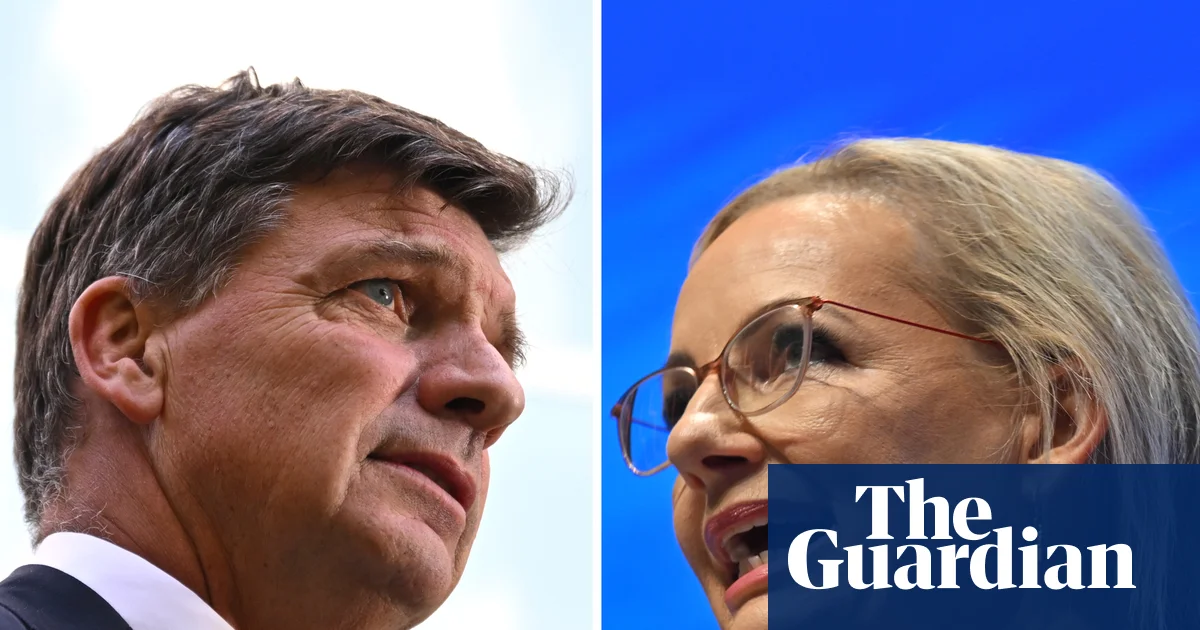
In a dramatic turn of events, Australia’s political arena is witnessing a pivotal moment as the Liberal Party grapples with internal turbulence that could reshape the nation’s leadership. The outgoing leader, Sussan Ley, finds her position under threat amid a wave of resignations and shifting allegiances, signaling a deeper crisis within the party. The mounting tension reflects not only party dynamics but also a wider contest over the future direction of Australia, particularly in response to domestic and international challenges that demand firm leadership. Experts and analysts warn that the outcome of this leadership contest could influence Australia’s policy stance on issues such as climate change, immigration, national security, and economic recovery.

Key figures emerged as the battle lines solidified during this political upheaval. Angus Taylor, a former shadow defence minister known for his conservative stance, has garnered significant backing from influential party members, including Queensland senator James McGrath and opposition figures like Michaelia Cash. Their support underscores a growing divide within the party—between moderates who favored Ley’s leadership and conservatives rallying behind Taylor. The tension culminated when Taylor resigned from his shadow cabinet position to formally challenge Ley, claiming the party has “lost its way” and emphasizing the need for “strong and decisive leadership” to address Australia’s pressing issues. His narrative resonates with many young conservatives across the country who yearn for a return to traditional values and robust national policies, especially in light of international complexities such as regional security and economic resilience.

The leadership election, scheduled to be decided this week at Parliament House, is tightening as both sides claim the support of the 51-member party room. The possibility of a narrow victory hangs in the balance, with Ley maintaining that she still commands “the numbers,” even as critics argue her position has become increasingly untenable. Notably, the broader geopolitical impact of this internal party conflict extends beyond Australia’s borders—potential leadership shifts could influence Australia’s foreign relations, especially its stance toward China, the Indo-Pacific region, and global trade alliances. Historically, Australian parties’ leadership stability has impacted its international posture, with quick leadership changes often seen as destabilizing for diplomatic consistency and economic policy.

As Australia faces these tumultuous internal debates, the international community observes with cautious interest. The contest mirrors global struggles where nations look to their political parties to deliver stability amidst geopolitical turbulence. Analysts from organizations such as the Lowy Institute warn that a leadership upheaval could create a temporary vacuum, affecting Australia’s commitments to regional security pacts and trade agreements. The internal party dispute, while ostensibly about policy direction, symbolizes a broader cultural clash—between traditional conservatism and progressive ambitions—that will indelibly shape the country’s future. As the vote nears, the weight of history presses heavily, reminding all that leadership crises are not merely internal squabbles, but pivotal moments that may define a nation’s course for generations to come.

Social Media Auto Publish Powered By : XYZScripts.com