Matox News

Truth Over Trends, always!

Kent Council Under Fire for Alleged £40m Net Zero "Savings" — Reform UK Calls Out Fabrication
Kent Council Under Fire for Alleged £40m Net Zero “Savings” — Reform UK Calls Out Fabrication

Uprising of Reform UK in Local Governance Sparks International Scrutiny

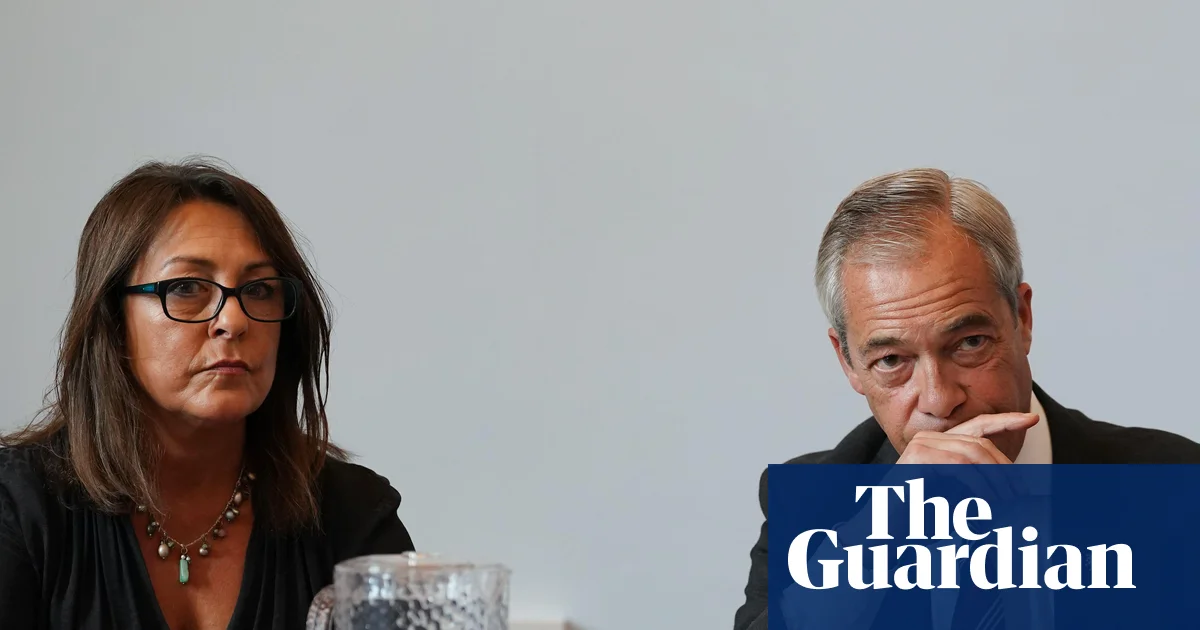
The recent political scandal surrounding Reform UK’s control of Kent County Council has ignited a broader debate on the efficacy and transparency of insurgent right-wing movements in local governments across the United Kingdom. Decision-makers and political analysts worldwide are closely observing whether the party, known for its anti-establishment stance led by figures like Nigel Farage, can transition from disruptive rhetoric to effective governance. The scandal, centered on alleged falsehoods about massive savings tied to net zero initiatives, not only threatens the party’s credibility but also raises questions about the impact of such political upheavals on regional stability and fiscal policy.

At the core of the controversy is Kent County Council’s claim of saving nearly £40 million—an assertion now under question after investigative efforts revealed that the claimed savings were based on hypothetical projects lacking concrete documentation. This development is viewed as a *regrettable* reflection of how some insurgent parties might manipulate fiscal figures for political gain, especially amidst a climate of pervasive *wokeness* and environmental mandates increasingly scrutinized at the local level. The situation echoes past warnings from international organizations, such as the OECD, which have cautioned against politicized climate policies that lack transparency and tangible outcomes, viewing them as potential catalysts for public mistrust and societal division.

International Dimensions of Local Party Power and the Consequences of Political Deception

Analysts point out that this incident in Kent is emblematic of a broader phenomenon where local insurgent parties seek to capitalize on popular sentiments against traditional political elites. The accusations of misinformation, especially involving claims of significant financial savings from projects that only existed in planning drafts, have stoked fears about the rise of populist movements exploiting fiscal narratives. Some international observers, including political scientists and historians, warn that such tactics, if widespread, can undermine trust in independent institutions and destabilize regional governance structures, with ripple effects felt across national and even international levels.

  • Specifically, the dispute centered on claims that the council would cancel environmental projects and electric vehicle initiatives, purportedly saving millions—yet, subsequent disclosures revealed scant evidence for such projects’ existence or approval.
  • Key figures, including Polly Billington, a Labour MP, denounced the claims, labeling them as “a blatant lie,” highlighting a pattern of *deliberate deception* aimed at political positioning rather than public service.
  • Meanwhile, the party’s leadership defended their narrative, asserting that potential projects listed in budget documents were *”future cost‑avoidance measures,”* a technicality that prompts debate over fiscal integrity versus political rhetoric.

This episode underscores a critical truth about the *geopolitical impact* of local political maneuvers. As insurgent parties like Reform UK seek to reshape local governance, they inadvertently influence broader national discourse on fiscal responsibility, environmental policies, and government accountability. The governing institutions at the European Union and beyond have long emphasized transparency as essential for maintaining public trust, and the current scandal exemplifies how deviations from this principle can fuel unrest and populist backlashes. Furthermore, the event serves as a warning to societies worldwide that the unchecked rise of populist rhetoric, especially when encapsulating exaggerated or fabricated claims, can erode the foundations of democratic accountability.

The Unfolding Narrative as History Continues to Write Itself

As Kent reels from the revelations, the wider implications for British politics loom large. The incident adds to a growing list of conflicts where *truth and transparency* collide with political ambition, raising questions about the future of governance in a landscape increasingly dominated by media savvy and populist appeals. The departure of Paul Chamberlain, who resigned after admitting to a “lapse of judgment,” reflects internal struggles within these movements, hinting at deeper issues of discipline and ideological cohesion. Internationally, observers note that such internal discord can serve as a microcosm of larger societal tensions, where the desperate pursuit of power often clashes with ethical governance.

The world watches as the story continues to unfold—each revelation, denial, and political maneuver shaping not just local policies but echoing across borders. The very tenets of truth, fiscal responsibility, and accountability are now at a critical crossroads. As history’s pen writes, the question remains: will these early missteps be the cautionary tales that forge resilient democratic institutions, or will they be the dark chapters that expose the fragility of society’s trust and the perilous edge of populist politics? With the weight of the future hanging in the balance, the unfolding saga in Kent reminds us that, in the theater of geopolitics, every local battle shapes the narrative of a world still striving, still fighting, for its soul.
Trump enacts tariffs threat to clamp down on Iran trade partners

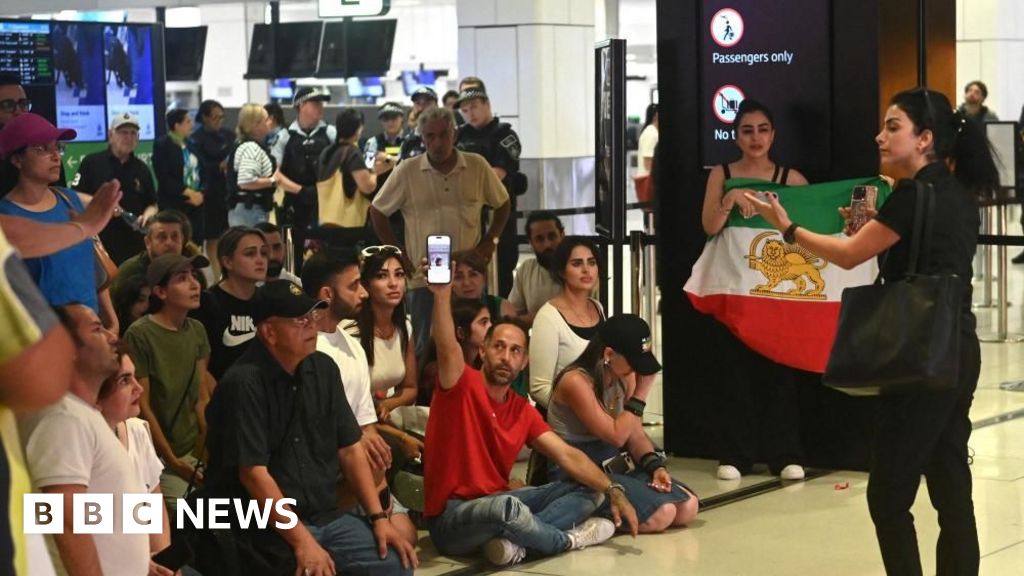
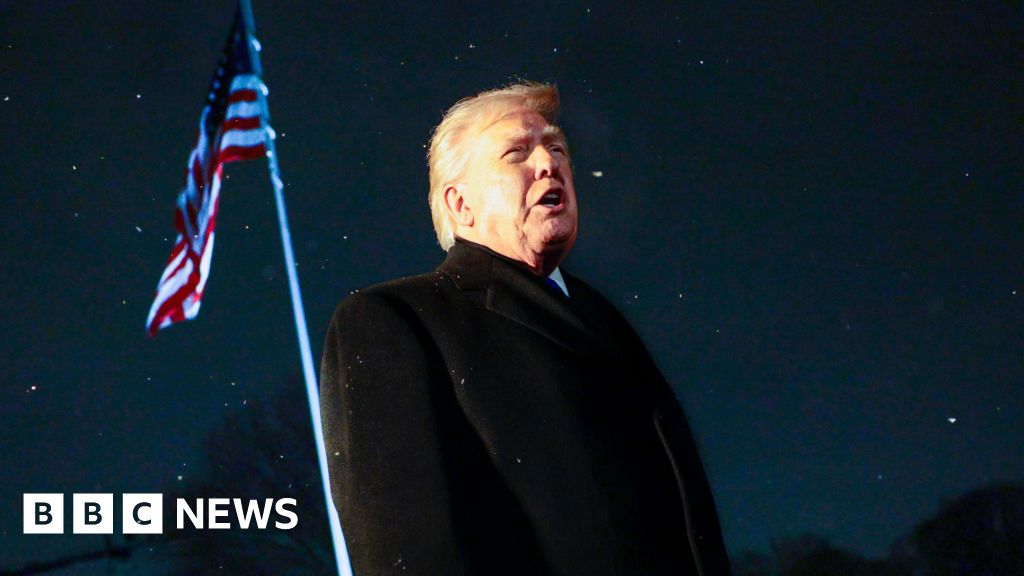
In a significant move that underscores the evolving landscape of international trade and diplomacy, the United States issued an order on Friday outlining potential tariffs targeting Iranian imports. While the document stops short of specifying the exact rate, it references a 25% figure as a reference point, signaling a firm escalation in economic pressure. This tariff could be applied broadly to goods imported from any nation that directly or indirectly engages with Iran, a move that is poised to ripple through global supply chains and redefine diplomatic ties in the Middle East.

The new policy underscores Washington’s continued pursuit of. what it describes as economic sanctions aimed at curtailing Iran’s influence and nuclear ambitions. By expanding tariffs to potentially encompass a wide array of countries—those that purchase, import, or acquire Iranian goods and services—the US seeks to isolate Iran further, while simultaneously pressuring allied nations to choose sides. Financial analysts interpret this as a strategic measure to strengthen leverage in negotiations, but it also risks igniting new trade disputes that could destabilize regional and global markets. Commentators such as Dr. Elizabeth Carter, an expert on international sanctions, warn that such broad measures tend to have unintended consequences, impacting not only Tehran but also American allies and global consumers alike.

This latest move arrives at a pivotal moment in the complex web of international relations. Russia, China, and the European Union have all expressed caution or dissatisfaction, emphasizing their concern over the potential for increased tensions and economic fallout. According to reports from the World Trade Organization, such expansive tariffs run the risk of breaking the delicate norms of free trade, tilting the global order towards fragmentation.

  • For Europe, which maintains ongoing energy and economic ties with Iran, this could mean a recalibration of their policies and alliances.
  • For China, already embroiled in its own trade tensions with the US, this new development adds an additional layer of complexity to its international strategy.
  • Additionally, Russia may leverage these tensions to expand its influence in the Middle East and beyond.

Historians and geopolitical analysts warn that these sanctions and tariffs are not merely economic tactics but signals of a broader shift in global power dynamics. The move has been met with a mixture of skepticism and strategic calculation, as governments seek to protect their interests while navigating an increasingly uncertain international arena. As diplomatic negotiations unfold, the world watches with bated breath—each decision refracted through the prism of history, where the lines between peace and conflict, cooperation and confrontation, grow ever more blurred. The narrative of our time is being written in these moments of economic leverage; the weight of history is heavy, and the future remains unwritten, teetering on the brink of change.

Pakistan Mosque Blast: Locations of the Attack Revealed

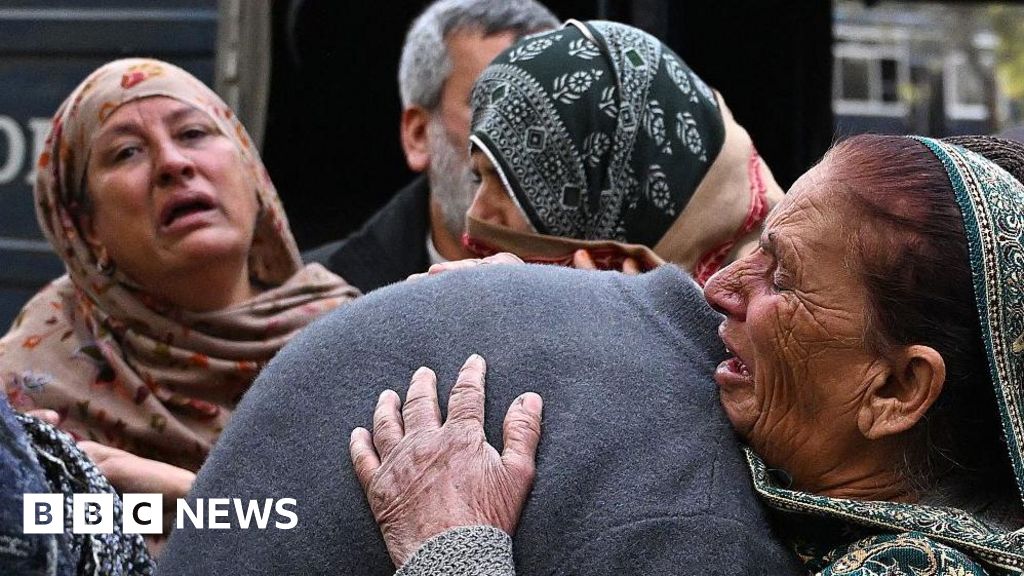
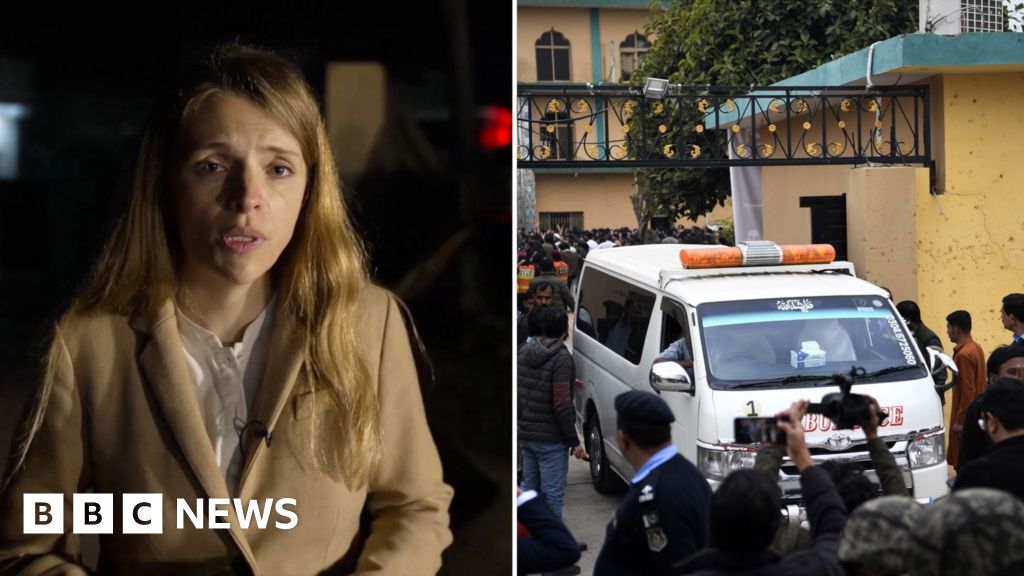
The recent suicide bombing at a Shia mosque in Islamabad, Pakistan, which claimed at least 31 lives and injured nearly 170 others, underscores a troubling escalation of sectarian violence that continues to destabilize the region. According to local authorities and eyewitness accounts, the blast was preceded by gunfire, indicating a coordinated attack aimed at targeting the religious minority. This incident has not only caused immediate humanitarian crises—prompting urgent hospital responses and blood donation appeals—but also reverberates with profound geopolitical implications that extend beyond Pakistan’s borders.

As international analysts scrutinize the attack, it draws attention to the broader regional sectarian tensions and extremist threats that plague South Asia. Experts such as regional security strategist Dr. Lisa Ferguson emphasize that such violence perpetuates a cycle of radicalization, often fueled by militant groups seeking to deepen sectarian divides. The Pakistani government’s response—condemning the attack and calling for justice—underscores its commitment to combating internal extremism. However, outside observers warn that without addressing underlying issues such as political marginalization and ideological radicalization, these incidents may become a recurring menace with the potential to destabilize neighboring countries, including Afghanistan and India, which are already wrestling with their own complex security challenges.

International organizations, including the United Nations, have issued statements condemning the attack, emphasizing the importance of protecting religious minorities and pursuing justice. Yet, the attack also highlights the fragile state of broader bilateral and regional relations. For instance, Pakistan’s neighbor, India, faces heightened concern over cross-border terrorist links, complicating diplomatic efforts toward peace and stability in South Asia. Simultaneously, China maintains economic and strategic interests in the region through initiatives like the Belt and Road, walking a tightrope between supporting Pakistan and managing regional instability. Meanwhile, United States policymakers are watching closely, evaluating how Pakistan’s internal security issues influence broader U.S. strategic objectives in Asia.

Historians and security analysts warn that this attack signifies a turning point in Pakistan’s ongoing struggle with extremism. According to noted geopolitical scholar Dr. Rajiv Malhotra, such acts of violence threaten to fracture societies and hinder efforts at reconciliation. The broader global narrative echoes these concerns: the rise of religious and ideological violence adheres to a dangerous pattern that tests the resilience of nations committed to democracy and pluralism. As the dust settles in Islamabad, the world must grapple with the realization that history is still unfolding, and that the outcomes of these tragic events will define regional stability for years to come. With the shadows of extremism lengthening across borders, the necessity for vigilant, coordinated international action has never been more apparent. The weight of history presses down—what course will the world choose amidst this chaos remains to be seen, but the stakes could not be higher.

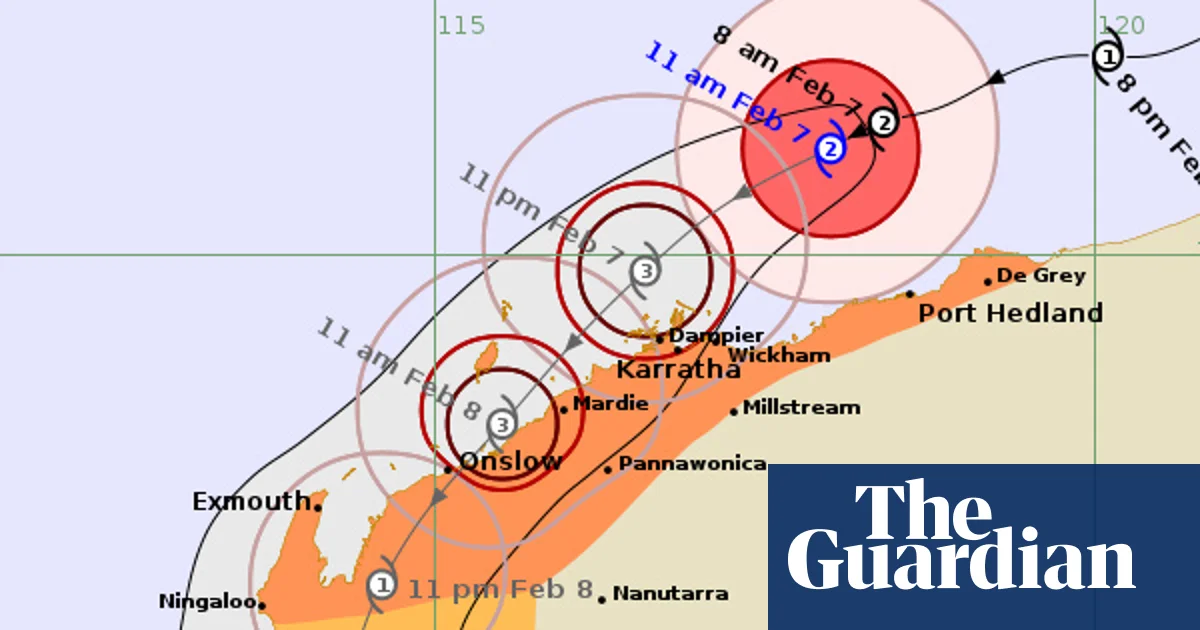
Cyclone Mitchell Strengthens: WA’s North-West on Alert for Heavy Winds and Flooding

Severe Tropical Cyclone Mitchell Threatens Western Australia’s Coast

In a striking display of nature’s fury, Cyclone Mitchell has emerged off the northern coast of Western Australia and is forecasted to escalate into a category three system. This development is not merely a local weather phenomenon but a reminder of the persistent vulnerability of Australia’s outback regions to increasingly severe climate events. Authorities have issued a watch and act warning for coastal towns such as Karratha, Dampier, and Onslow, emphasizing the potential for destructive winds reaching up to 170 km/h. The cyclone’s trajectory, moving southwest and approaching the Pilbara coast, exemplifies how natural events can threaten local economies, disrupt transportation, and impose significant societal costs.

The geopolitical impact of such natural disasters cannot be underestimated, especially in an era where climate change accelerates the severity and frequency of extreme weather. Analysts and international organizations warn that climate-induced disasters increasingly test national resilience and underscore the importance of adaptive infrastructure. The Australian government’s response, including evacuations and port closures, reflects a strategic effort to shield economic assets such as key port facilities—namely, Dampier and Port Hedland. These ports are vital for resource exports, particularly of minerals and energy, whose disruption could ripple through regional supply chains and influence international markets.

Natural Disasters in Remote Regions Expose Broader Vulnerabilities

Simultaneously, outback towns across Australia grapple with ongoing flooding crises, deepening concerns about climate resilience. In the Northern Territory, over 400 evacuees remain displaced amid rising rivers, a situation compounded by heavy rains predicted to bring up to 130mm of rain in areas like Port Hedland. This influx of weather-related crises exposes vulnerabilities in remote infrastructure and emergency preparedness that could have broader international implications. As the Commonwealth and regional authorities coordinate disaster relief efforts, international observers note that Australia’s handling of these crises will influence its geopolitical standing, particularly as climate change becomes a defining factor of global diplomacy.

Leading historians and climate analysts highlight how these pivotal moments—be it a cyclone or flooding—serve as warnings of a shifting world order. Climate scientists warn that rising sea levels and more intense storms threaten not only environmental stability but also social cohesion and economic sovereignty. The World Meteorological Organization has maintained that climate-related disasters could lead to increased migration, regional instability, and even conflicts over scarce resources. For Australia, a nation so geographically exposed and resource-dependent, these natural calamities could be catalysts for both internal turmoil and geopolitical shifts, forcing alliance realignments and strategic adaptations.

The Weight of History and the Unfolding Future

As the cyclone’s winds howl over the Pilbara’s rugged landscapes and floods threaten communities in the north, the world witnesses a reminder: nature’s wrath is intertwined with humanity’s geopolitical destiny. The decisions made in response—whether by resilient infrastructure, international cooperation, or climate mitigation—will shape the course of history. Recent decades have demonstrated that nations unable to adapt to these challenges risk losing their sovereignty and social stability—trapped in a cycle of crises and reactive measures. The unfolding story of Cyclone Mitchell and Australia’s ongoing struggles with climate change is not merely a regional narrative but a chapter in humanity’s collective challenge to confront a future where natural forces command international attention and action. The pressing question remains—how will the world, and especially resilient nations like Australia, forge a path amid the storm’s rising shadow, to determine whether this is a fleeting event or the beginning of a new epoch in geopolitical and environmental history?

Police hunt for clues in new message to find Savannah Guthrie’s missing mom

International Tensions Rise Following the Abduction of Nancy Guthrie in Tucson

The recent report of Nancy Guthrie, the 84-year-old mother of prominent NBC News presenter, being abducted from her residence in Tucson, Arizona, has sent shockwaves across nations and ignited a broader conversation about security, law enforcement, and geopolitical stability. Although initially regarded as a localized crime, experts and analysts are warning that the incident could be a symptom of a deeper, more concerning trend: the erosion of personal safety amidst shifting global security dynamics. The implications extend well beyond Arizona, signaling potential vulnerabilities that may resonate across Western nations and their alliances.

According to early investigative reports, Guthrie was taken from her home without a clear motive or perpetrator identity, raising fears about the rising influence of organized crime, transnational trafficking operations, or even politically motivated kidnappings. The incident underscores the vulnerabilities faced by elderly citizens in a climate of rising insecurity, which some international security analysts believe is reflective of larger systemic issues. Global watchdogs, such as Interpol and Amnesty International, have expressed concern that the incident may be part of a worrying pattern where crimes are increasingly used as tools of destabilization or coercion in an interconnected world.

Geopolitical Ramifications and International Response

The geopolitical impact of such a high-profile kidnapping extends beyond the immediate crime scene. This event comes amid waning confidence in law enforcement capabilities and rising tensions between regional powers over border security and internal stability. Many analysts assert that these kinds of incidents are symptomatic of a broader erosion of sovereignty and social cohesion in the United States, echoing patterns seen in other democracies grappling with internal and external challenges. The incident has catalyzed discussions among policymakers in Washington, D.C., and allied capitals about strengthening homeland security and international cooperation against transnational crime. The Biden administration’s response has been closely scrutinized, with critics arguing that unless there is a decisive recalibration—focused on improving intelligence-sharing and border security—such vulnerabilities will continue to threaten citizens’ safety.

Decision-makers also face pressure from international organizations that warn of the potential for localized crimes to evolve into broader conflicts. The United Nations has called for increased coordination among member states, emphasizing the importance of addressing not only the immediate crime but also the underlying socio-economic factors fueling such incidents. What happens in Tucson could be a harbinger of similar crises emerging in other regions, including Europe, Asia, and Africa. The message is clear: the stability of nations is intertwined and fragile, with each event holding the potential to reshape regional alliances and global power balances.

Historical Perspective and What Lies Ahead

Historians and international analysts warn that the pattern of escalated crime and insecurity is often a precursor to larger geopolitical shifts. Some, like Dr. Samuel Harris of the International Institute of Strategic Studies, have pointed to how such incidents historically precede periods of instability, requiring nations to adapt swiftly. As the world watches how the U.S. government responds, the stakes extend beyond justice for Guthrie, touching on the fundamental question of whether Western societies can successfully safeguard their citizens against evolving threats.

The ongoing saga surrounding Nancy Guthrie’s disappearance reminds nations that the fabric of social order is continually tested. Each shocking event, each breach of safety becomes a chapter in the larger narrative of a world still teetering on the edge of unpredictable change. With geopolitical tensions simmering across global borders and the threat of chaos lurking beneath civility, the weight of history presses down. The unfolding story in Tucson may yet become a defining moment in the struggle to preserve stability and the rule of law in an increasingly uncertain world.

Bad Bunny takes the Super Bowl stage — what's next for the superstar?
Bad Bunny takes the Super Bowl stage — what’s next for the superstar?

In an era defined by the collision of popular culture and geopolitics, influential figures like Bad Bunny are emerging as more than mere entertainers—they are rallying points for national identity, social justice, and regional sovereignty. The Puerto Rican artist, known worldwide for his musical talent, has publicly acknowledged his sense of responsibility to spotlight societal issues. By leveraging his global platform, he advances critical conversations about Puerto Rico’s ongoing struggle for self-determination, a topic that remains fiercely contentious within and beyond U.S. borders. This underscores a broader trend: cultural icons are increasingly becoming catalysts for political awareness, influencing societal perceptions and potentially aligning international attitudes with regional demands for autonomy.

Since 1898, Puerto Rico has existed as an overseas U.S. territory, an arrangement that has sparked debate among historians, political analysts, and the local populace. Critics argue that the current status undermines self-governance, leaving the island embedded in a semi-colonial relationship with the United States. Movements advocating for independence or enhanced statehood—such as those championed by pro-sovereignty factions—gain momentum when figures like Bad Bunny speak out, fueling debates that resonate across the Atlantic and within U.S. political discourse. According to international organizations like the United Nations, Puerto Rico’s colonial status remains a violation of principles of self-determination, but the debate remains polarized and complex, reflecting broader geopolitical tensions about sovereignty, colonial legacies, and economic dependency.

The significance of these cultural and political alignments extends beyond Puerto Rico’s borders. For instance, in Washington, policymakers face increasing pressure to confront the realities of their overseas territories. National security analysts warn that unresolved territorial questions can be exploited by adversarial powers, destabilizing regional security. Meanwhile, global power dynamics are shifting as nations reconsider the implications of colonial legacies. Historians warn that ignoring such issues risks igniting conflicts rooted in long-standing injustices, as the global community grapples with the criteria for legitimate sovereignty and self-determination. The recent rise of pro-independence sentiments echoes historical moments when cultural identity became an instrument for political leverage, transforming societies and shifting the international landscape.

As the world watches, the enduring story of Puerto Rico, amplified by figures like Bad Bunny, epitomizes how individual voices can ripple across continents. The decisions made today—whether to respect the island’s quest for autonomy or to remain mired in outdated geopolitical arrangements—will shape regional stability for generations. The international community faces a pivotal moment: continue lingering in the shadows of colonial history, or recognize the undeniable drama unfolding within the Caribbean, where hopes for sovereignty clash with economic and political realities. Here, at the crossroads of tradition and change, history is not merely being written—it is being rewritten, with profound consequences for the future of global geopolitics.

Norwegian Crown Princess Issues Apology Amid Epstein Controversy

In an unexpected yet significant gesture, Mette-Marit, Crown Princess of Norway, publicly apologized to the Norwegian people for not fully understanding the nature of the individual associated with a recent heinous crime case. This apology underscores a broader challenge faced by monarchies and leadership figures worldwide: balancing public trust with the complex realities of individuals within their spheres of influence. The statement not only resonates domestically but also holds substantial implications for international perceptions of Norway, a nation often lauded for its social cohesion and transparent governance.

The revelations surrounding the sex offender have triggered a wave of reflection across societal and political lines, shining a spotlight on how societies evaluate the character of individuals linked to their elites. Traditional monarchies, once seen solely as symbols of history, are now scrutinized through the lens of accountability and societal responsibility. Analysts point to this incident as a *turning point* that demands a reevaluation of transparency within royal institutions. Historians argue that such moments serve as critical junctures where societal values are tested, emphasizing the importance of preemptive oversight and transparent communication in maintaining public trust. Meanwhile, international organizations like the United Nations continue to advocate for stronger mechanisms to prevent such failures from recurring, citing the enduring importance of resilience in national institutions.

Beyond the immediate national context, the geopolitical impact of this incident extends into diplomatic domains as well. Norway’s reputation as a stable, progressive nation poised at the crossroads of Europe and the Arctic is now intricately linked to its internal challenges. Critics argue that the incident exposes vulnerabilities in the country’s societal oversight and prompts questions about how other small nations handle leadership transparency in an age where public opinion can shift overnight. Such events ripple outward, influencing diplomatic relations with neighboring nations and international bodies, which are increasingly attentive to issues of institutional integrity. According to international political analysts, this moment could catalyze reforms in governance practices, not only within Norway but across similar constitutional monarchies globally.

As the weight of history presses on these unfolding events, the lesson remains stark: decisions made in the corridors of power are etched into the collective memory of nations. The outcome of this controversy could either reinforce trust or deepen skepticism towards royal institutions, shaping the social fabric of Norway for generations to come. With the world watching, the path forward will undoubtedly define the character of a society that prides itself on transparency and steadfastness—values that are now, more than ever, under the microscope. History’s judgment awaits, and the choices made today will determine how societies reckon with the dark shadows of the past and illuminate the future.

Over 30 Dead in Pakistan Mosque Blast—A Tragic Reminder of Security Gaps

In a tragic and shocking event that has sent shockwaves through the international community, nearly 170 individuals were injured in an explosion that occurred during Friday prayers in Islamabad. The attack, which struck the core of Pakistan’s capital, has ignited fears of increasing instability in the region, with wide-reaching implications for regional security and global diplomacy. As investigators scramble to determine the origins and motives behind this deadly assault, global leaders and institutions are weighing their responses amidst a backdrop of mounting tensions.

Analysts suggest that this act of violence is not merely a tragic incident but a stark manifestation of the deep-seated conflicts and geopolitical struggles in South Asia. Many experts, including officials from the United Nations and regional security think tanks, view this attack as potentially linked to ongoing insurgencies, extremist factions, or even covert international interventions. The repercussions are profound: a destabilized Pakistan risks further fraying the fragile balance of power in a region already fraught with nuclear-armed neighbors and rivalries. This event underscores the fragility of peace in a geopolitically pivotal country caught between the interests of larger powers like China and India.

  • Pakistan, amid internal political turmoil and economic struggles, faces heightened security challenges that threaten its sovereignty and stability.
  • The attack occurs at a time of rising regional tensions over border disputes, trade alliances, and influence pacts, which could be further exacerbated by this violence.
  • International bodies, including Carnegie Endowment for International Peace and Security Council, have called for restraint and increased intelligence cooperation, emphasizing the need to address underlying grievances.

Historical perspectives from leading scholars such as Professor Ayesha Siddiqa and Dr. Peter R. Neumann warn that such attacks could be precursors to broader escalation unless urgent de-escalation and dialogue are prioritized. This event may serve as the latest chapter in a series of incidents that threaten to ignite wider conflicts in the region if not contained. For Pakistan, the consequences are dire: increased *internal security measures*, public fear, and strained diplomatic ties with neighboring states. The attack also raises grave questions about the efficacy of existing counterterrorism efforts and intelligence-sharing frameworks, which many analysts argue are insufficient to prevent such tragedies from recurring.

As the world watches with tense anticipation, the question remains: will this tragedy galvanize international efforts for peace or escalate into a broader conflict? The weight of history presses heavily on leaders’ shoulders. The unfolding aftermath of the Islamabad explosion will determine whether this is a fleeting horror or the harbinger of a new, more dangerous chapter in regional geopolitics. With each failed attempt at peace, the danger grows—an uncertain future still shaped by decisions made in the corridors of power, where the echoes of yesterday’s violence may either forge pathways to reconciliation or plunge the world deeper into chaos.

Actor Timothy Busfield charged with child abuse in New Mexico

The recent indictment of actor Timothy Busfield in New Mexico on serious child sex abuse charges underscores the persistent and troubling issue of misconduct and exploitation within influential sectors of society. While this case remains in the judicial arena, its fallout extends beyond individual morality, casting shadows on the integrity of the entertainment industry and, by extension, societal trust in establishments that shape cultural narratives. It serves as a stark reminder that the fight against abuse must be unwavering, regardless of status or influence, resonating with international organizations dedicated to protecting vulnerable populations worldwide.

On a broader geopolitical scale, this incident exemplifies how domestic crises can have reverberations in the global arena. As international analysts observe, the integrity of legal institutions and the rule of law in nations like the United States affect the perception of stability and justice in the broader Western alliance. Leaders and policymakers are increasingly scrutinized not only for their foreign policies but also for their domestic moral fabric. Historians warn that unchecked misconduct in key sectors erodes societal resilience, paving the way for internal strife and weakening alliances that hinge on shared values of justice and human rights.

Furthermore, the case poses critical questions about the role of international norms concerning child protection. Organizations such as the United Nations and regional bodies like the European Union emphasize the importance of robust safeguarding measures, which now come under strain whenever high-profile figures are implicated in abuse. In a world increasingly interconnected, domestic scandals threaten to undermine trust in global institutions aimed at fostering accountability and universal human rights. As the Global Coalition for Child Protection and independent watchdogs analyze this case, it underscores a global necessity: to harmonize efforts in combating abuse and ensuring justice sustains across borders.

With the intense media scrutiny and a swell of public consciousness, authorities and advocates alike understand that these cases highlight the need for preventative frameworks and swift judicial responses. The American legal system faces ongoing critique for handling cases of abuse, but international efforts, backed by resources from organizations such as the World Health Organization and UNICEF, strive to establish universal standards for safeguarding children. Analysts such as Dr. Emily Carter emphasize that these cases live at the intersection of moral responsibility and diplomatic credibility, underscoring that international stability depends partly on citizens’ faith in justice systems and societal morals.

Ultimately, this revealing chapter in a nation’s moral saga is more than a domestic legal matter; it is a potent symbol of a broader struggle—a confrontation between transparency and concealment, justice and impunity. As history unfolds, the weight of these allegations extends into the fabric of society and international relations. The world now watches, holding its breath, as the future of integrity and societal resilience hangs in the balance. The question remains: will justice prevail and restore trust, or will sliding moral standards weaken the foundations of modern civilization? The answer rests in the collective resolve of nations and societies to confront their darkest truths, knowing that in doing so, they shape the course of history itself.

Police raid linked homes of Peter Mandelson in Epstein scandal probe

Surging Political Unrest in the United Kingdom: An International Perspective

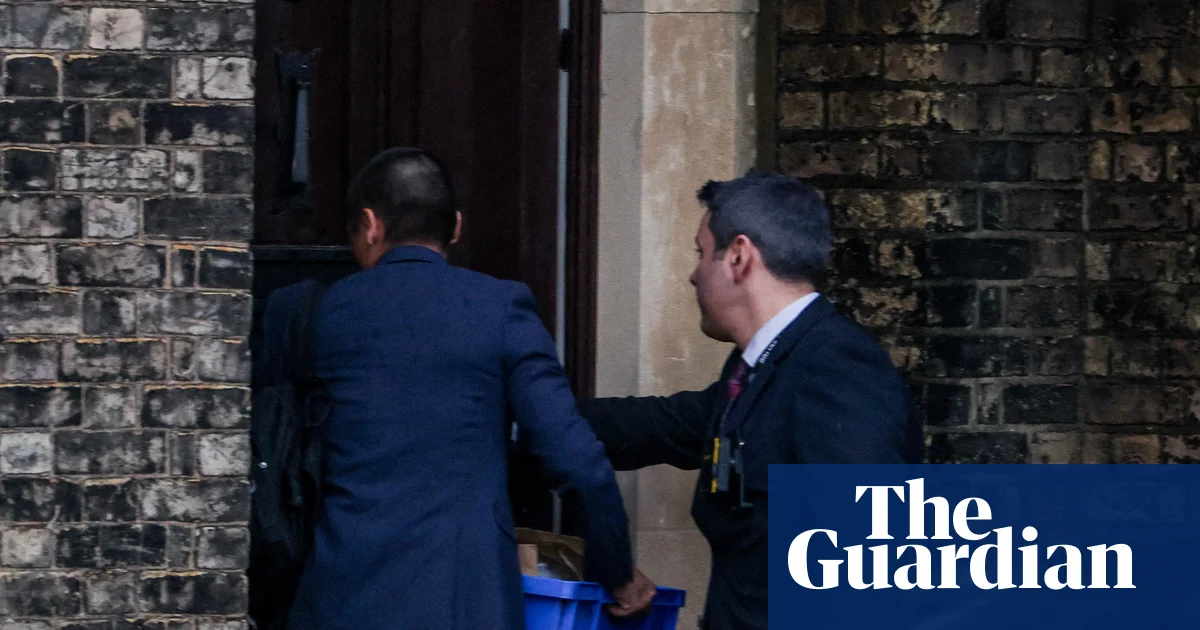
The recent police searches linked to Peter Mandelson, a prominent former UK politician, mark a destabilizing moment in Britain’s political landscape. As the Metropolitan police target properties connected to allegations of passing market-sensitive information to crime figure Jeffrey Epstein, the incident underscores not only domestic scandal but also the enduring shadow of international machinations that threaten to reshape alliances and power structures. The investigation revolves around accusations against Mandelson, a man who held significant influence during his time as a government minister, raising serious questions about misconduct in public office and national security concerns.

Analysts such as Dr. Emily Carter from the International Institute of Political Stability warn that such internal scandals reverberate well beyond London. The timing coincides with a broader European backdrop of political volatility, where scandals involving dealings with hidden financiers and global power brokers have destabilized governments and fractured public trust. The UK, once regarded as a bastion of stability in international affairs, now finds itself embroiled in a narrative of covert operations and clandestine networks that threaten to undermine its diplomatic credibility on the world stage. Furthermore, the revelations of Mandelson’s potential financial ties to Epstein between 2003 and 2004, and allegations of leaking market-sensitive information in 2009, point to vulnerabilities in the UK’s regulatory and political systems that many international observers argue have been exploited by covert actors.

How Decisions Shape Nations and Societies

This political crisis, intensified by the controversy surrounding Labor leader Keir Starmer and his controversial appointment of Mandelson, highlights how internal decisions about personnel and alliances carry profound geopolitical consequences. The public outcry and calls for leadership change reflect growing societal unrest and mistrust towards elite policymaking. Tensions within Britain’s political hierarchy serve as a microcosm for broader upheavals across the West, where transparency and accountability are increasingly questioned amidst the shadows cast by global elites. The involvement of international organizations, such as the United Nations and interpol, in scrutinizing these events underscores the interconnectedness of local scandals and global stability.

The situation exemplifies a critical turning point, where domestic political integrity is intertwined with international reputation. Historians like Prof. David Hamilton warn that these moments are “once-in-a-generation opportunities for either reform or further decline.” As Europe watches, and allies recalibrate their diplomacy, the fallout may accelerate shifts in power, diplomatic alignments, and even economic sanctions. The question remains: will the revelations serve as a catalyst for meaningful reform, or will they deepen divisions and embolden rival powers seeking to exploit Britain’s fragility?

The Unfolding History

As the world observes the unfolding scandal with growing concern, the weight of history presses down on London. The ongoing investigation and the potential for high-profile arrests signal a moment of reckoning—one that could redefine the country’s political landscape and its role in the international arena. The fate of Britain’s institutions and the adherence to rule of law may hinge on how this crisis is navigated in the coming weeks. With each revelation, the boundaries of power, truth, and justice are tested, and the global community must ask itself: are we witnessing the unraveling of a once-esteemed nation’s moral fabric, or the dawn of a new era of accountability and transparency?

Social Media Auto Publish Powered By : XYZScripts.com