Matox News

Truth Over Trends, always!

Experts warn: Climate crisis fueling brutal US weather extremes

The current climate upheavals across the United States serve as a stark warning to the world about the escalating crisis brought on by global environmental mismanagement. This March, Americans have witnessed an unprecedented array of weather extremes, from flooding in Hawaii to rare snowfalls in Alabama, and an intense heatwave scorching the West Coast. These phenomena are indicative of larger, systemic changes in Earth’s climate system, a reality acknowledged by climate experts who suggest that the severity of recent events points to a “climate change footprint.” As the jet stream’s behavior becomes more erratic due to rising global temperatures, the United States finds itself caught in a vortex of unpredictability, with consequences that ripple far beyond national borders.

The geopolitical impact of these climate phenomena extends into heightened tensions over resource control and international stability. Countries with vast dependencies on agriculture, water supplies, and energy are increasingly vulnerable as climate disruptions threaten food security and economic stability. Analysts from the United Nations Climate Change Panel warn that the pattern of record-breaking heatwaves and extreme weather in the US mirrors trends seen in other parts of the world, signaling a shift toward a more chaotic climate regime. These shifts are fueling geopolitical frictions as nations scramble for scarce resources, and populations face growing hardship. The stark reality is that climate change is no longer a distant threat but an immediate challenge, forcing governments and societies to confront the cascading geopolitical ramifications of environmental neglect and policy failure.

Historical scholars and international organizations have long forewarned that dire environmental crises can accelerate geopolitical conflict; today, their warnings are coming true. Recent years have seen a surge in climate-related disasters, which analysts assert are exacerbated by political inertia and funding cuts, notably in the US, where funding to agencies like FEMA has been reduced. This decline in preparedness, despite mounting evidence of worsening conditions, leaves nations—including the US—more vulnerable to natural disasters’, destabilizing impacts. As climate scientists argue, these extreme events are not isolated but part of a broader trajectory—one marked by increased frequency and ferocity of heatwaves and storms. What is truly alarming is the prospect that the current wave of record-breaking heat might surpass even April’s historical temperature benchmarks, signaling an ominous shift in global climate patterns.

The unfolding story of climate chaos is intertwined with political decisions that could either mitigate or accelerate these trends. The US, as a geopolitical leader, has the capacity—and responsibility—to galvanize international cooperation on climate action. Instead, funding cuts and policy ambivalence threaten to undermine global efforts. The narrative is clear: as natural disasters intensify, they serve as a reminder of the urgent need for bold, coordinated action. Looking ahead, the world stands at a precipice; the choices made today will dictate whether humanity can stabilize this runaway climate crisis or succumb to the chaos it breeds. The pages of history are turning swiftly, and the weight of the future presses heavily on us all, as we watch the environment’s grand, tumultuous story continue to unfold amid the echoes of a warming planet.

UK Minister: Iran unlikely to pose bombing threat to Britain amid US-Israel tensions

The recent missile incident involving Iran and British interests has sharply heightened tensions in a region already fraught with geopolitical complexity. Iran launched two missiles aimed at a UK-US airbase on Diego Garcia in the Indian Ocean—an unprecedented move marking what analysts describe as the longest-range attack by Iran since it was subjected to US and Israeli strikes. Although one missile was intercepted and another fell short, the incident signals a dangerous escalation that could ripple well beyond the Gulf, threatening broader regional stability.

International organizations and security analysts have closely scrutinized Iran’s actions, while governments grapple with signaling their resolve without igniting an uncontrollable conflict. Despite denials from London that Iran is capable of targeting the UK directly, the incident complicates the narrative of Iranian military restraint. UK officials, including Communities Secretary Steve Reed, have emphasized that the UK is not seeking war but is prepared to defend its interests. Meanwhile, the incident has prompted the UK to expand its military scope, allowing more aggressive actions against Iranian missile sites, including those targeting shipping lanes in the strait of Hormuz—a vital artery for global energy supplies.

Some experts warn that this episode underscores the precarious balance of power in the Middle East and the broader international stage. Historians such as Margaret MacMillan have noted that these conflicts are often shaped by miscalculations and the domino effect of military posturing. The United States has issued warnings, with President Trump threatening Iran’s energy infrastructure if the strait is blockaded again. Such aggressive rhetoric amplifies the risk of escalation, reminding the world that the decision to use force in this volatile region is as perilous as it is decisive.

U.S. and UK officials affirm their intention to avoid full-scale conflict while defending their regional allies and interests. Yet, the danger persists that misjudgments or accidental clashes could ignite a wider war. The geopolitical impact of these developments is profound, threatening to destabilize the already fragile international order and challenge the very influence of global institutions tasked with maintaining peace. As internationalists and strategists watch anxious and wary, the question remains: how will the unfolding drama of diplomatic brinkmanship shape the course of history? The region’s future hangs in the balance, and the weight of history continues to press down, as new conflicts are penned into the chronicle of a tumultuous era—an era where the decisions of today could determine the fate of generations tomorrow.

Socialists Fight to Keep Paris as France's Mayoral Races Heat Up
Socialists Fight to Keep Paris as France’s Mayoral Races Heat Up

The political landscape of the capital city may be on the verge of a historic transformation. After over a quarter-century of socialist governance, the electoral contest is now centered around a pivotal figure: Rachida Dati. Her potential victory could not only redefine the city’s political orientation but also wield significant geopolitical impact on a broader national scale, as analysts warn that this shift might signal a broader realignment towards the right across the country. As the city’s electoral race intensifies, the stakes extend beyond local governance, touching on fundamental questions about the future of policy, identity, and international relations.

For 25 years, the socialist ideology has deeply influenced the city, shaping its policies, social programs, and diplomatic outlook. Yet, mounting dissatisfaction among voters—fueled by economic challenges, immigration concerns, and a perceived disconnect from traditional values—has created fertile ground for conservative alternatives. The upcoming election represents a critical pivot point, with observers from institutions like the International Institute for Democratic Studies emphasizing how the result could resonate across the national political spectrum. Should Rachida Dati win, critics argue that it might herald a strategic shift towards a more nationalist and conservative agenda, aligning the city’s policies with those of other right-leaning administrations globally.

Historian and geopolitical analyst Dr. Jean-Luc Moreau suggests this election is indicative of a mounting global trend: the resurgence of right-wing politics in urban centers traditionally seen as bastions of leftist ideology. Such a shift could influence the international perception of the nation’s stability and direction. Moreover, this change might prompt neighboring nations to reassess their diplomatic and economic engagements with France. The implications extend beyond mere local governance; they touch on how societies navigate multiculturalism, security, and economic reform in an era of global upheaval.

Key events highlight the stakes:

  • The formal endorsement of Dati by conservative leaders signals a strategic campaign to rally the electorate around conventional values and national sovereignty.
  • Opposition parties have responded with intensified campaigns focused on social solidarity, but recent polls indicate a narrowing gap that could swing the outcome.
  • International observers warn that a victory for Dati might send a message of change and resistance to liberal policies championed by socialist regimes.

The potential shift in the city’s political landscape raises questions about the future of policy-making, international alliances, and societal cohesion. As political tensions escalate and narratives of tradition versus progress collide, the world watches with growing interest. The outcome promises to influence the global geopolitical architecture, reaffirming that the decisions made within city halls ripple across continents and history’s fabric.

As history continues to unfold, the coming days will determine whether this city’s election results echo a broader conservative resurgence or cement the long-standing socialist influence. The palpable tension underscores a fundamental truth: in an era marked by rapid change, the choices of a single city can ignite new ideological currents, forcing nations into reconsideration and reaffirming the enduring power of collective will. The world remains on the edge of a pivotal moment—the pages of history turning, yet still unwritten, awaiting the verdict of the ballot box and the voices of a society at a crossroads.

Former FBI boss Robert Mueller, key figure in Trump-Russia probe, passes at 81

In the complex arena of global geopolitics, decisions made by influential figures often resonate far beyond national borders, shaping not only governments but entire societies. Recently, insights shared by Andrew Weissmann, a former member of Robert Mueller’s investigative team, shed light on the profound integrity and deliberate thoughtfulness that underpins critical domestic decisions, which in turn influence global perceptions and alignments. His comments underscore the importance of transparency and moral fiber within leadership, especially in times of international tumult.

At the core of this discussion lies the significance of the rule of law, transparency, and accountability—principles that historically serve as the backbone of societal stability and diplomatic credibility. Analysts emphasize that figures like Mueller exemplify a commitment to these ideals, which are vital when navigating the turbulent waters of international relations. While some critics question the effectiveness and impartiality of certain investigations, the broader message highlights the importance of integrity within the highest echelons of power, a trait that many believe strengthens a nation’s standing on the world stage. Notably, recent polls reveal a growing global interest in how democracies respond to internal conflicts, revealing a shared expectation that leaders uphold justice and truth, values essential for maintaining international alliances.

The international community closely monitors domestic decisions that influence external diplomacy. For instance, the United States, under its increasingly scrutinized leadership, faces critical choices that could either bolster or weaken its diplomatic influence. The decision-making process of agencies like the FBI and the Department of Justice often become monumental factors in the nation’s credibility. This is particularly evident in the evolving geopolitical landscape involving Russia and China, where perceptions of internal stability and adherence to foundational principles play decisive roles in the alliances and rivalries shaping global power. The United Nations, along with various international watchdogs, continues to evaluate the internal dynamics of nations like the U.S., warning that a perceived decline in integrity might ripple outward, ushering in instability that could recalibrate global alliances.

Historians and international analysts warn that in a rapidly changing world, every internal conflict or political fallout echoes across continents, affecting millions and recalibrating diplomacy. As Western democracies grapple with internal divisions, countries like India and Brazil observe closely, watching how nations uphold democratic norms under pressure. The decisions made in Washington and other global capitals today are the building blocks of tomorrow’s geopolitical landscape. In this unfolding saga of power and principle, history remains a silent witness, observing as nations navigate the treacherous clash between internal integrity and external diplomacy.

As the world watches, the weight of history presses heavily on these momentous decisions, reminding us that in international politics, the line between stability and chaos is razor-thin. With every move, every decision shaped by leadership’s moral compass, the future is written—each chapter more consequential than the last. In the relentless march of history, the actions of today could serve as either the foundation for a more resilient order or the catalyst for upheaval, leaving the fate of countless societies hanging in the balance.

Cuba Faces Second Power Outage This Week Amid Challenges

Amid the ongoing tension between Cuba and the United States, a significant technical failure has once again underscored the fragile state of the Caribbean nation’s infrastructure. The recent collapse of Cuba’s power grid, a stark manifestation of the country’s prevailing hardships, draws extensive international scrutiny. Analysts argue that this failure is not merely a domestic issue but a symptom of the broader geopolitical struggle shaped by decades of U.S. economic sanctions and a sustained fuel blockade, which continues to strangle the nation’s development.

For over six decades, Cuba has endured an unrelenting economic embargo imposed by the U.S., which explicitly restricts the flow of essential goods, notably fuel and spare parts needed for infrastructure maintenance. Despite efforts by Havana to diversify energy sources and seek cooperation with regional allies, the blockade’s impact remains devastating. Historians such as Dr. Maria Lopez emphasize that this ongoing economic warfare has limited Cuba’s capacity for self-sufficiency, leaving vital sectors like power generation increasingly vulnerable to disruptions.

The recent failure exposes the deeper vulnerabilities of Cuba’s infrastructure, highlighting how international decisions directly influence social stability and national sovereignty. The U.S. administration claims that the sanctions are aimed at pressuring the communist regime, but critics worldwide point out the unintended consequences faced by ordinary Cubans, who are left to suffer frequent blackouts and reduced access to basic services. International organizations like Oxfam and the International Monetary Fund have voiced concern that such restrictions exacerbate poverty and hinder social progress, creating a humanitarian crisis that is felt most acutely by the youth and working classes.

From a broader geopolitical perspective, the grid failure signals a stark reminder of how American policies ripple through regions far beyond its borders. Countries in Latin America and beyond watch Cuba’s struggles as a warning of the long-term effects of economic isolation. Analysts suggest that these events may also catalyze shifts toward alternative alliances and energy strategies within the region, as nations seek to insulate themselves from external shocks. The failure is a turning point, illustrating that decisions made in Washington reverberate across the Caribbean, shaping societies and geopolitics alike.

As history continues to unfold on this small island’s battleground of superpower influence, the question remains—will Cuba’s persistent hardships prompt a reevaluation of U.S. policy, or will they deepen the divides that nations have wrestled with for generations? The next chapter hinges on international diplomacy, resilience, and whether the lessons of past struggles—marked by failed policies and unintended suffering—will ultimately forge a new path toward stability or collapse. The weight of history presses heavily on the shoulders of leaders and citizens alike as the world watches, knowing that the story of Cuba is but a microcosm of the larger contest shaping the future of global power.

Hawaii Warns Residents: Evacuate Now Amid Devastating Flood Crisis

In a stark reminder of the escalating climate crisis, Hawaii is currently experiencing its most devastating flooding in over two decades. The recent deluge has left infrastructure in ruins and thousands displaced, highlighting the tangible impacts of climate change intensified by human activity. As heavy rains accumulated on already saturated soil—triggered by the persistent “Kona lows,” winter storm systems characterized by moisture-laden southerly winds—local officials issued urgent evacuation orders, urging residents to “leave immediately” from the most hazardous zones. This climate-driven disaster underscores not only the fragility of Hawaii’s environment but also the broader geopolitical implications, as the U.S. contends with increasing natural catastrophes that threaten its states’ stability and security.

The flooding has wreaked havoc across Oahu and Maui, causing extensive damage to homes, roads, and critical infrastructure. Officials estimate the financial toll may surpass $1 billion, impacting airports, hospitals, and local communities. The damage assessment remains incomplete, but what is clear is that the human and economic costs are mounting at an alarming rate. The distressing situation on Oahu’s North Shore—as residents watched muddy waters swallow once-pristine landscapes and livestock vulnerable in floodwaters—serves as a stark warning of the environmental tipping points being reached. Experts, including renowned climate analysts, argue that the increased frequency and severity of such events are irrefutable signs of global warming’s tangible impact, compelling nations to reassess their resilience strategies and international commitments.

This crisis also exposes the fragility of vulnerable infrastructure, such as the 120-year-old dam on Oahu which was flagged as being at imminent risk of failure. Emergency alerts warned of potential dam breaches, emphasizing how decades of neglect combined with extreme weather can rapidly turn into disasters. While the immediate focus is on rescue operations—more than 200 people rescued from rising waters—there is a deeper geopolitical storyline unfolding. The White House has announced federal support, but critics question whether U.S. authorities are adequately investing in climate resilience, especially in vulnerable regions like Hawaii. As the island state grapples with this natural catastrophe, it echoes a global warning: the increasing frequency of climate-induced disasters demands coordinated international action and robust infrastructure improvements. The aftermath will undoubtedly shape policy debates, pushing governments worldwide to confront the intertwined crises of climate, security, and economic stability.

History has shown that such natural disasters often precede geopolitical shifts—highlighting the importance of strategic foresight as nations watch climate chaos threaten their sovereignty and societal cohesion. As Hawaii’s landscape battles the fury of nature, the world is left to forge a new understanding of vulnerability and resilience—an urgent chapter in mankind’s ongoing struggle to adapt to a rapidly changing planet. With each rising tide and rushing flood, the weight of history presses down, reminding humanity that in the face of nature’s wrath, the choices made today will determine the legacy of future generations. The unfolding narrative will test the resolve of governments, societies, and individuals alike—an enduring testament to the profound influence of climate on the course of civilization.

Breaking: Bowen confirms Aussie fuel reserves rise despite canceled imports; missing Japanese tourist, 81, found alive in Tasmania—Australia news

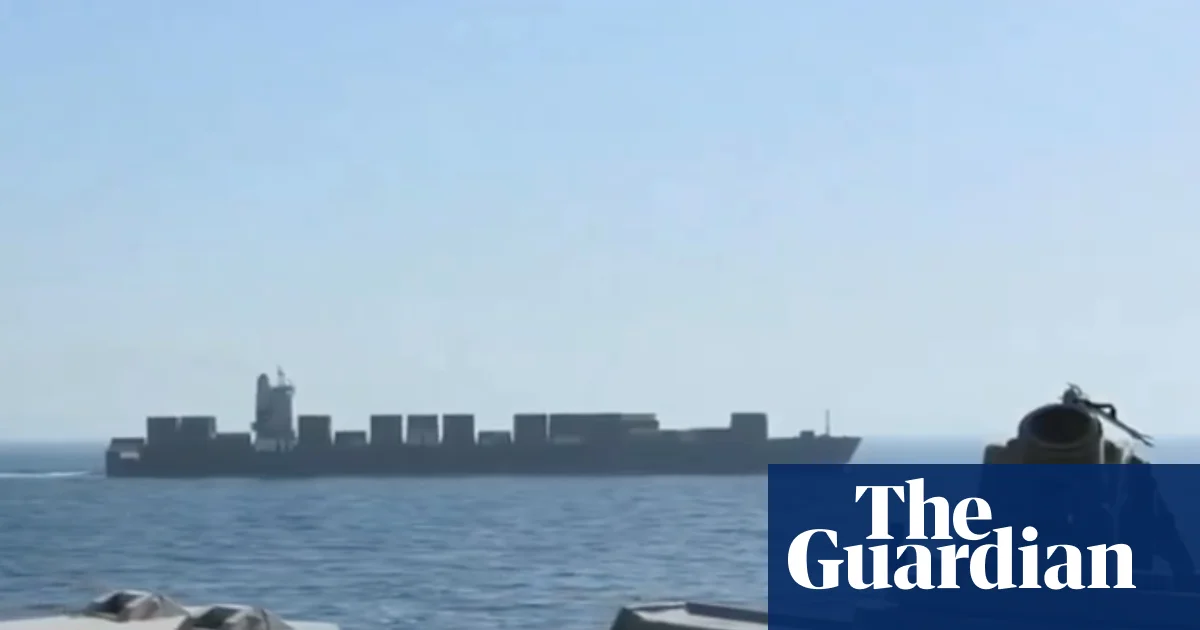
In a strategic sea of turmoil, Australia finds itself navigating complex international waters that extend well beyond its shores. Recent reports reveal that since the outbreak of hostilities involving Iran, six out of the 81 ships ferrying fuel to the island nation have been canceled, reflecting an unsettling shift in global supply chains. Australia’s energy Minister, Chris Bowen, acknowledged the delicate nature of this situation, emphasizing that while shipments have continued, some have been diverted or canceled amid the ongoing conflict. Such international disruptions exemplify how conflicts in the Middle East ripple across the globe, directly impacting nations like Australia—a country heavily dependent on imported energy sources. Analysts warn that this could further destabilize already strained fuel markets, forcing Australia to reconsider its long-held energy security strategies.

  • Since the start of maritime disruptions, Australia has seen a marked increase in its fuel reserve, now securing a 38-day supply of petrol and 30 days of diesel and jet fuel, bolstering national resilience in uncertain times.
  • However, these efforts are under pressure, as Bowen concedes that some foreign oil exporters, primarily from Asia, are prioritizing their own needs, potentially limiting exports to Australia amidst rising global tensions.
  • The International Energy Agency has labelled this crisis as “the largest supply disruption in the history of the global oil market,” underscoring the severity and international scale of the problem.

The impact of these decisions extends far beyond fuel supplies, touching on the core of geopolitical stability and how nations respond to international conflicts. Fortified reserves and contingency planning are crucial, yet analysts caution that Australia’s reliance on foreign energy sources exposes it to vulnerability. While China and other regional powers may attempt to capitalize on the chaos, Australia seeks to strengthen local energy infrastructure, exemplified by the recent opening of Goulburn’s pioneering community-owned solar farm and battery—an emblem of resilience against global uncertainties.

International organizations and seasoned geopolitical analysts warn that the role of global supply chains in regional stability cannot be overstated. As the world faces this new era of resource scarcity, Australia’s strategic choices—such as increasing fuel reserves and promoting local renewable initiatives—become critical. Yet, the specter of international collusion, supply cuts, and escalating conflicts in the Middle East remains a stark warning that the geopolitical landscape continues to shift rapidly. In this unfolding story, the decisions made today will resonate through history, shaping the fabric of the region and the world itself in ways that could last for generations.

Trump Admin Faces Critical Juncture in US-Israel Battle to Counter Iran

In a move reflective of rising tensions and shifting alliances, the United States has significantly increased its military presence in the Middle East over the past week. Reports indicate that a Marine expeditionary unit, consisting of approximately 2,500 combat soldiers supported by ships and aircraft, has been dispatched from Japan to the region. This deployment is expected to arrive shortly and signals a deliberate escalation of U.S. military posture amid ongoing regional uncertainties. Another Marine force of similar size, recently departing from a base in California, is also headed toward the Middle East, with an expected arrival in mid-April. These movements underscore a clear intent to project power and reassure allies, but they also signal a more volatile U.S. stance in a questionably fragile geopolitical landscape.

The intensified military buildup comes at a time when the U.S.-led coalition is navigating a complex web of conflicts and diplomatic challenges across the Middle East. Analysts suggest that these unprecedented troop movements are intended as a show of force amid suspected threats from regional actors, possibly including Iran or extremist groups, whose influence continues to threaten regional stability. Historians and international relations experts warn that such displays of military strength often have a dual-edge—serving as deterrence but also risking escalation if miscalculated. The decision to bolster deployed forces is being closely watched by global institutions such as the United Nations, which advocates for diplomatic solutions but remains wary of the potential for new conflicts sparked by increased military activity.

Beyond immediate regional consequences, these troop movements bear significant geopolitical impact. Already fragile alliances are being tested; for instance, Saudi Arabia and several Gulf Cooperation Council nations are likely to interpret the U.S. escalation as a signal of unwavering support, yet they also face internal debates about reliance on American military power. Meanwhile, China and Russia are observing with keen interest, arguably seeking to leverage these developments to expand their influence in the region. The growing military footprint raises critical questions about how international decisions here will shape the future of diplomacy and conflict, redefining the balance of power in a strategically vital area.

According to many international analysts, this escalation foreshadows a period of increased volatility, with potential consequences extending far beyond the Middle East. National leaders and global institutions are now tasked with navigating an ever-expanding battlefield where military might is often mistaken for stability. As history’s narrative continues to unfold, one thing remains clear: the decisions made now—shaped by strategic interests, domestic pressures, and international diplomacy—will leave an indelible mark on the geopolitical landscape for generations to come. The weight of these developments serves as a stark reminder that, in the shadow of this new military posture, the delicate balance of peace hangs precariously in the balance.

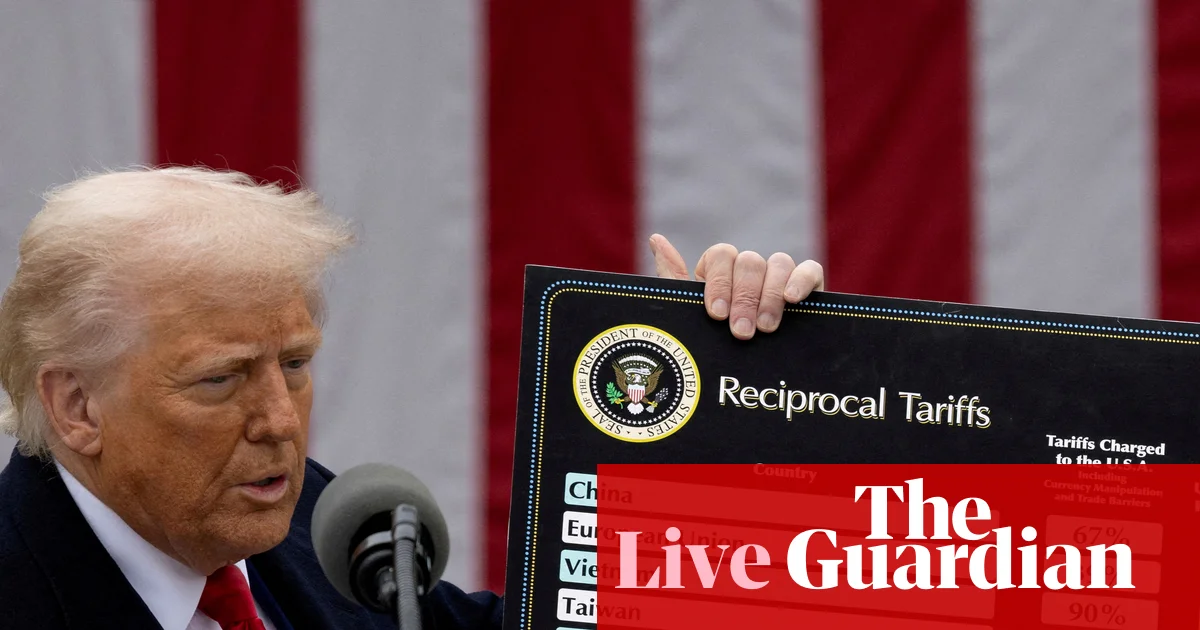
Trump warns: ICE deployment at airports if funding talks stall

Global Stability in the Crosshairs as US Government Shutdown Threatens International Order

Amidst rising geopolitical tensions, the recent partial United States government shutdown has ignited concerns far beyond American borders. The shutdown, triggered by congressional deadlock over budget negotiations, has resulted in essential services, including immigration enforcement and airport security, operating under strained circumstances. The U.S. president’s statement that ICE (Immigration and Customs Enforcement) will “do security” underscores the government’s prioritization of internal security amidst internal chaos, but also raises questions about the long-term stability of U.S. commitments worldwide.

International experts and analysts have emphasized that the shutdown’s impact extends beyond domestic borders, affecting U.S. diplomatic leverage and global security cooperation. The failure to fund critical agencies not only hampers the country’s ability to enforce immigration laws but also signals internal instability to allies and adversaries alike. Many observers point out that the shutdown erodes the confidence that nations around the world often rely on when engaging with the United States on security and economic issues. As noted historian Dr. Robert Langley warns, “such interruptions threaten the foundational trust inherent in the American-led security architecture.”

Furthermore, the decision to keep airport security operational despite the lapse in funding demonstrates the government’s prioritization of critical infrastructure, yet it also highlights the fragility of an institution that once stood as a symbol of stability. The consequences ripple outwards, especially in an era of rising geopolitical rivalries with China and Russia, where America’s global influence hinges on consistent, reliable engagement. The International Monetary Fund and various international watchdogs have voiced concern that prolonged governmental dysfunction could undermine the economic stability of emerging markets, which are increasingly intertwined with U.S. leadership.

Writers and analysts warn of the “turning point” this crisis represents; some suggest this could mark a more profound shift in global power dynamics.

  • The undermining of U.S. credibility
  • The erosion of domestic confidence in government institutions
  • Potential emboldening of regional adversaries

As international societies watch intently, the American government remains caught in a maelstrom of political contention and fiscal paralysis. The decision-making gridlock underlines the urgent need for reform, yet the stakes continue to rise as the world’s most powerful nation struggles to maintain its internal cohesion. The future remains uncertain; with each passing day, the threads of stability tighten, woven into the fabric of history — a chapter yet unfinished, written in the moments when the global balance teeters on the edge of transformation. The weight of history now bears heavily on the shoulders of those who hold power in Washington, as the world watches with bated breath, awaiting the next move in this unfolding narrative of global consequence.

Hawaii Under Threat: Thousands Evacuated in Worst Flooding in Two Decades

In a remarkable display of coordinated effort and humanitarian concern, authorities across multiple nations have successfully rescued more than 230 individuals this week, marking a significant moment in ongoing efforts to manage global crises. This operation, widely covered by international media, underscores the escalating importance of cross-border cooperation in addressing complex challenges that transcend national borders, particularly in regions plagued by conflict, environmental disasters, or human trafficking. While the numbers reflect a momentary success, the broader geopolitical implications continue to ripple through diplomatic corridors and global security conversations.

The rescue acts came amidst mounting pressure from international organizations such as the United Nations, which has repeatedly called for strengthened cooperation and shared responsibility. Critics and analysts emphasize that these operations are often just the tip of the iceberg: they highlight the systemic failures that have left vulnerable populations exposed to danger. Countries in the affected regions, whether facing internal turmoil or border crises, are under increased scrutiny for their roles in either facilitating or hindering such rescue efforts. Experts argue that the magnitude and coordination of these recent rescues serve as a litmus test for global solidarity, revealing both promising signs of humanitarian commitment and ongoing geopolitical tensions.

Historian and geopolitical analyst Dr. James Reynolds notes that recent rescue operations are not isolated incidents but part of a larger pattern rooted in shifting alliances and international power struggles. According to his assessments, nations’ responses to such crises are heavily influenced by their strategic interests, often intertwining humanitarian concerns with broader geopolitical ambitions. For instance, the involvement of certain states often signals their desire to project soft power or to secure influence within global institutions. Meanwhile, organizations like the European Union and North Atlantic Treaty Organization are reassessing their roles, determined to avoid being sidelined by emerging centers of influence.

The significance of these rescue missions extends beyond immediate humanitarian relief. They serve as a stark reminder of the vulnerabilities embedded within global systems and the urgent need for comprehensive solutions. As international bodies debate new policies and alliances, the world remains in a delicate balance, with each decision reverberating through the fabric of societies and governments worldwide. The unfolding narrative of rescue, response, and resilience points to a future where geopolitics and human destiny are inexorably intertwined. Though the immediate toll has been mitigated for now, the weight of history presses forward—an enduring reminder that in the grand chessboard of nations, every move shapes the course of generations to come.

Social Media Auto Publish Powered By : XYZScripts.com