Matox News

Truth Over Trends, always!

Treasury's Food Price Cap Proposal Sparks Strong Criticism, Raises Free Market Concerns
Treasury’s Food Price Cap Proposal Sparks Strong Criticism, Raises Free Market Concerns

The UK Treasury recently floated a proposal for voluntary food price caps on essential supermarket items, a notion that has swiftly ignited a firestorm of criticism from prominent industry figures and economic observers. The suggestion, intended to ease cost-of-living pressures, has been widely dismissed as misguided and potentially counterproductive to the nation’s economic health.

Retail giant Marks & Spencer’s chief executive, Stuart Machin, publicly branded the idea as “completely preposterous.” His sentiment was echoed by City analyst Clive Black of Shore Capital, who voiced concerns that the government appeared to be entertaining “neo-Soviet policy ideas.” This strong backlash highlights a fundamental disagreement over the role of government in a free-market economy, particularly concerning price controls.

Industry Rejection and Market Principles

The Treasury’s proposal, though voluntary, was quickly disavowed by ministers themselves, with any mandatory scheme explicitly ruled out. This swift retreat underscores the significant opposition from both within government circles and the private sector. Critics argue that such interventions, even voluntary ones, distort market signals and can lead to unintended consequences for supply and consumer choice.

As reported by the News Desk, the UK is not currently in a state of economic emergency that would warrant such drastic measures. While food inflation stood at 3% in April and is projected to rise due to increasing energy, transport, and fertiliser costs, the underlying market mechanisms, including robust competition among supermarkets, are generally considered to be functioning effectively.

“Completely preposterous,” said Stuart Machin, chief executive of Marks & Spencer, about the Treasury’s proposal for voluntary price caps on food staples.

The Perils of Price Controls

Historical precedent suggests that artificially depressing prices, even on a voluntary basis, can have adverse effects on the supply chain. When producers cannot achieve sustainable prices for their goods, there is a risk of reduced investment, lower production, and ultimately, shortages. This can exacerbate the very issues the intervention seeks to resolve, leading to a less efficient and less resilient market.

This is not the first time a UK administration has considered such a measure. A similar dalliance with limited, voluntary price caps occurred in 2023 under the Conservative premiership of Rishi Sunak. The consistent rejection of these ideas across different government iterations reinforces the widely held belief that free-market principles, rather than government-imposed price controls, are the most effective way to ensure long-term stability and availability of goods.

Upholding Economic Order

For a healthy economy, it is crucial that policy decisions support competitive markets and encourage investment, rather than imposing artificial constraints. The quick dismissal of the food price caps proposal is a welcome sign that the government is listening to market realities and respecting the foundational elements of a free enterprise system. Maintaining a predictable and stable economic environment, free from undue intervention, is paramount for businesses to thrive and for consumers to benefit from choice and genuine competition.

The focus should remain on addressing the root causes of inflation through sound fiscal and monetary policy, rather than resorting to measures that could undermine the very fabric of our economic order. Protecting the integrity of the market ensures that essential goods remain available and affordable without risking supply disruptions or deterring innovation.

UK Inflation Eases Significantly to 2.8%, Reducing Rate Hike Pressure

The United Kingdom’s economic landscape received positive news today as UK inflation unexpectedly eased to 2.8%, a welcome development for millions facing persistent cost-of-living challenges. This moderation, primarily fueled by a notable decrease in electricity and gas bills, suggests a potential shift towards greater economic stability and could influence future monetary policy decisions by the Bank of England.

Energy and Food Prices Drive Downturn

The primary catalyst for the unexpected dip in the Consumer Price Index was a significant reduction in household energy expenses. Lower electricity and gas bills provided substantial relief, directly impacting the overall inflation figure and easing pressure on family budgets. This reduction offers a much-needed breathing room for households that have grappled with elevated utility costs for an extended period.

Concurrently, food inflation also saw a marked slowdown, reaching 3%, with particular decreases observed in the prices of meat and chocolate. This deceleration in essential goods, alongside sharp drops in the cost of computer game downloads, contributes to a broader trend of moderating consumer prices. Such movements are crucial for restoring consumer confidence and supporting discretionary spending, both vital components of a healthy economy.

Market Reaction and Interest Rate Outlook

Following the release of these benign inflation figures, financial markets reacted positively, signaling optimism among investors. UK government borrowing costs experienced a decline, with short-dated yields falling by 11 basis points. This reduction in borrowing costs can translate into lower financing expenses for the government and potentially for businesses looking to invest.

Economists are now widely speculating that this data significantly reduces the likelihood of the Bank of England implementing another interest rate hike in June. Analysts at ING, for instance, have highlighted how the current inflation trend points away from further monetary tightening. A pause in rate increases would provide clearer economic foresight for businesses to plan and invest, potentially stimulating growth and job creation.

Broader Economic Landscape and Persistent Pressures

While the headline inflation figures bring optimism, the broader economic picture remains nuanced, with certain sectors still experiencing significant pressures. As reported by The Guardian’s business live coverage, house prices have remained flat across much of the UK, contrasting sharply with a continued rise in rental costs. This disparity underscores ongoing challenges within the housing market, particularly for renters and first-time buyers.

Furthermore, motor fuel prices are reportedly increasing at their fastest pace since the Ukraine conflict, a stark reminder that some inflationary pressures persist despite the overall easing. These increases directly impact transport costs for both consumers and businesses, potentially offsetting some of the gains from lower energy bills elsewhere.

Key areas contributing to the overall inflation picture include:

  • Reduced electricity and gas bills, offering direct household savings.
  • Slower food price increases, notably for meat and chocolate, easing grocery budgets.
  • Sharp drops in computer game download prices, reflecting specific market dynamics.
  • Persistent increases in motor fuel costs, posing challenges for transport and logistics.

“This significant easing in UK inflation offers a crucial reprieve for families and businesses, potentially paving the way for a more stable economic outlook and reducing the immediate pressure for further interest rate hikes.”

The latest inflation data provides a cautious but optimistic signal for the British economy. As policymakers weigh their next steps, the deceleration in consumer prices, particularly in essential utilities and foodstuffs, underscores the resilience of the market and the ongoing adjustments in supply chains. Sustaining this positive trajectory will be paramount for fostering long-term economic growth, encouraging investment, and enhancing the prosperity of all citizens.

Inflation Dip Masks Looming Price Rises, Analysts Warn

The latest figures show a reduction in the rate of price increases, primarily due to lower energy costs, yet economic experts foresee a challenging period ahead as global pressures mount.

London – The United Kingdom has experienced a temporary reprieve in its ongoing battle against rising costs, with the annual rate of inflation falling to 2.8% in April, down from 3.3% in March. This unexpected dip, as reported by the News Desk, offers a moment of calm amidst persistent economic concerns. However, analysts are quick to caution that this relief may be short-lived, with projections suggesting a significant rebound in inflation, potentially reaching 4% by the close of the year.

Temporary Relief from Energy Costs

The primary driver behind April’s welcome reduction in the cost of living index was a notable decrease in energy prices. The Office for National Statistics (ONS) confirmed that the government’s energy bill support package played a crucial role in mitigating household expenses. Furthermore, lower wholesale energy prices observed prior to the escalating conflict in Iran also contributed significantly to this downward trend. This confluence of factors offered some breathing room for consumers and businesses alike, temporarily easing the squeeze on budgets.

While the immediate impact is positive, it is important to understand that a lower rate of inflation does not signify a universal fall in prices. Instead, it indicates that prices are rising at a slower pace than they were previously. This distinction is crucial for understanding the nuances of the current economic landscape.

Geopolitical Tensions Fuel Future Concerns

Despite the recent deceleration, the economic outlook remains fraught with challenges, particularly concerning the trajectory of inflation. The ongoing conflict in the Middle East, specifically the situation in Iran, is widely expected to exert renewed upward pressure on global prices. This geopolitical instability inherently impacts supply chains and energy markets, making future price stability difficult to guarantee.

Economists are closely monitoring these developments, recognizing that external shocks can quickly unravel domestic efforts to control inflation. The interconnectedness of the global economy means that conflicts far from home can have direct and tangible effects on the price of everyday goods and services within the UK.

Decoding the Inflationary Outlook

The consensus among economic forecasters is that the current 2.8% inflation rate represents a temporary lull rather than a sustained trend. Many anticipate a steady ascent towards 4% by year-end, underscoring the persistent volatility in the global economic environment.

Key factors expected to influence this upward shift include:

  • Continued global energy market instability due to geopolitical events.
  • Potential for renewed supply chain disruptions.
  • Ongoing adjustments in consumer demand and business operating costs.
  • The gradual phasing out of government support measures.

Households and businesses are therefore advised to prepare for a period where price pressures are likely to intensify once more, necessitating careful financial planning and strategic adjustments.

“The current dip in inflation offers a moment of respite, but the underlying pressures, particularly from global instability, suggest a challenging path ahead for consumer prices.”

The recent inflation figures from the ONS, while offering a moment of relief, serve as a stark reminder of the delicate balance within the national and international economy. Vigilance and proactive policy responses will be essential to navigate the anticipated inflationary pressures and safeguard economic stability for families and enterprises across the nation. Matox News will continue to provide factual, timely updates on these critical economic developments.

China Confirms Major Boeing Jet Purchase, Signals Tariff Truce Extension

China has formally confirmed a substantial order for 200 Boeing jets, a move that signals a renewed focus on economic cooperation between the world’s two largest economies. The announcement, emerging from recent high-level diplomatic engagements, also indicates a commitment to extending the existing tariff truce, offering a glimmer of hope for a more stable global trade environment.

The agreement underscores the importance of constructive dialogue in navigating complex international trade dynamics. Beyond the immediate aircraft purchase, Beijing’s Commerce Ministry has also revealed that the United States will provide crucial supply guarantees for aircraft engine parts and components, addressing key concerns for Chinese aviation.

Bolstering American Industry and Jobs

This confirmed order is a welcome development for American manufacturing, particularly for Boeing, a cornerstone of the nation’s industrial base. Such large-scale purchases directly translate into sustained production lines, job security, and technological advancement within the aerospace sector. For a free-market economy, securing major international contracts like this is vital for growth and competitiveness.

The deal not only benefits Boeing but also ripples through its extensive supply chain, supporting countless smaller businesses and skilled workers across various states. It exemplifies how stable international trade agreements can directly contribute to domestic economic strength and prosperity.

Progress on Trade Tariffs and Market Access

Crucially, China’s Commerce Ministry stated that both nations intend to work towards an extension of the tariffs truce first agreed upon in October. Furthermore, discussions are underway to seek significant tariff reductions on goods valued at $30 billion or more from each side. This potential de-escalation of trade barriers aligns with principles of open markets and fair competition, benefiting consumers and businesses alike.

This initiative, as reported by News Desk, suggests a concerted effort to unwind some of the protectionist measures that have complicated global trade in recent years. Reduced tariffs could lower costs for businesses, increase consumer choice, and foster greater economic interdependence, promoting order over friction.

“This agreement is a testament to the power of engagement, showing that even amidst geopolitical complexities, economic stability and mutual benefit can prevail.”

Diplomacy’s Economic Dividends

The announcement closely follows President Trump’s visit to China and comes as Chinese President Xi Jinping held talks with Russian President Vladimir Putin. These diplomatic efforts appear to be yielding tangible economic dividends, demonstrating that high-level engagement can pave the way for practical agreements benefiting both nations and the broader global economy.

For American farmers, the trip also produced pledges for increased access to the Chinese market, a long-sought goal that could provide a significant boost to the agricultural sector. Such progress underscores the value of firm but fair negotiation in advancing national economic interests while maintaining international order.

Looking ahead, the commitment to extending the tariff truce and exploring further reductions offers a promising trajectory for US-China economic relations. It suggests a pragmatic approach to fostering stability and growth, prioritizing the economic well-being of households and businesses on both sides of the Pacific.

UK Supermarkets Push Back Against Voluntary Price Cap Proposal

The UK government’s recent plea to supermarkets to implement voluntary price caps on staple goods has been met with a firm rejection from retailers. This initiative, designed to alleviate the burden of inflation on households, particularly concerning rising food costs exacerbated by the Middle East conflict, is viewed by the industry as an unwelcome and potentially counterproductive intervention in the free market.

Government’s call for voluntary price caps on essential foods met with strong resistance from major UK supermarkets, who warn of unintended consequences for consumers and market stability.

Government’s Inflation Battle

The push for price freezes reflects the government’s acute concern over persistent inflation, which continues to squeeze household budgets across the nation. With global supply chain disruptions and geopolitical tensions impacting commodity prices, policymakers are exploring various avenues to mitigate consumer hardship. This proposal aimed to demonstrate proactive measures to protect vulnerable families, particularly those struggling with the cost of essential foodstuffs.

Retailers Warn of Unintended Consequences

Supermarket executives have unequivocally dismissed the idea, labeling it “unjustified” and “completely mad.” Industry insiders, as reported by outlets like The Guardian, argue that rather than easing financial pressure, such caps could force retailers to absorb costs, potentially leading to higher prices elsewhere or reduced investment in product development and supply chain efficiency. Such a move, they contend, would ultimately harm consumers more than help them.

  • Rising operational costs: Retailers are already battling increased taxes, fuel, and energy expenses, which are pressuring profit margins.
  • Market distortion: Artificially capping prices could disrupt delicate supply chains and healthy competition.
  • Consumer impact: Supermarkets fear the overall cost of shopping could increase as they seek to balance their books.
  • Unnecessary intervention: The market, they contend, is best left to operate without government interference, allowing competition to drive fair pricing.

“This is an unnecessary, unwanted and unjustified intervention in the market.”

Upholding Free Market Principles

From a conservative perspective, the resistance from supermarkets underscores the importance of allowing market forces to determine pricing. While consumer protection is paramount, direct intervention in pricing mechanisms often leads to unintended consequences, such as shortages, reduced quality, or higher prices on other goods as businesses seek to cover their operational expenses. A robust free market fosters competition, innovation, and ultimately, better value for consumers without the heavy hand of government dictating terms.

Looking Ahead

The standoff between the government and major retailers highlights the complex challenges of managing inflation without undermining fundamental economic principles. As families continue to grapple with cost-of-living pressures, finding sustainable solutions that respect market dynamics remains a critical task for policymakers. The current rejection of voluntary price caps suggests that alternative, less interventionist approaches may be needed to support both businesses and consumers effectively, ensuring stability and long-term prosperity rather than short-term fixes.

Fuel Prices Soar: Unleaded Hits Post-Conflict High Amid Middle East Instability

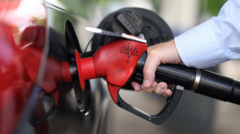
Motorists nationwide are grappling with significant increases at the pump as the average price of unleaded petrol has reached its highest point since the start of the Iran conflict. Standing at 158.52p a litre, this surge places renewed pressure on household finances and business logistics, according to recent analysis.

The motoring organisation RAC has issued a stark warning that prices could climb even higher in the coming weeks, potentially reaching 160p a litre. This upward trajectory is directly linked to the volatile global oil market, heavily influenced by ongoing instability in the Middle East.

The Persistent Rise in Fuel Costs

The current average price for unleaded fuel marks a critical benchmark, surpassing the previous peak of 158.31p recorded in mid-April. While there was a brief respite with a slight dip in prices in late April, the trend reversed sharply at the beginning of May, indicating a sustained period of escalation.

RAC attributes this relentless increase to the global benchmark for wholesale oil prices, Brent crude, which is presently trading at approximately $111 a barrel. This represents a substantial rise from around $73 a barrel before the conflict intensified, highlighting the profound impact of geopolitical events on energy markets.

“The current surge in petrol prices is a direct consequence of global instability, placing a tangible burden on every family and business reliant on transportation.”

Geopolitical Tensions Fueling Market Volatility

The primary catalyst for these escalating fuel costs is the ongoing conflict in the Middle East. Since late February, missile strikes and drone attacks have severely disrupted the production and transportation of energy across the region. This instability creates a ripple effect, reducing global supply and driving up prices for crude oil.

The conservative principle of a stable, predictable global market is undermined by such conflicts. When key energy-producing regions face prolonged disruption, the free market reacts with price adjustments that reflect increased risk and scarcity. This situation underscores the fragility of global supply chains and the need for robust energy security policies.

  • Average Unleaded Price: 158.52p per litre
  • RAC Forecast: Likely to reach 160p per litre soon
  • Brent Crude Price: Approximately $111 a barrel (up from $73 pre-conflict)
  • Primary Cause: Disruptions from the Middle East conflict

Impact on Households and Economic Stability

For families and businesses, the hike in fuel prices is more than just an inconvenience; it represents a tangible hit to disposable income and operational costs. Higher transportation expenses translate into increased prices for goods and services, contributing to broader inflationary pressures across the economy.

Matox News believes that economic stability is paramount for prosperity. When essential commodities like fuel become prohibitively expensive, it constrains consumer spending and hinders business growth. This situation demands careful monitoring by policymakers to mitigate the adverse effects on the national economy and protect the financial well-being of hardworking citizens.

Without a significant and sustained de-escalation of tensions in the Middle East and a corresponding drop in wholesale oil prices, consumers should prepare for continued elevated fuel costs. The challenge remains for institutions to navigate these global headwinds while safeguarding domestic economic interests.

UK Unemployment Rises: Rate Hike Prospects Dim as Wage Growth Slows

Recent economic data, as highlighted by reports from outlets such as The Guardian, paints a cautious picture for the United Kingdom. The latest figures show an unexpected increase in the UK unemployment rate, reaching 5%, alongside a notable deceleration in wage growth. This shift in the labor market is prompting economists to reconsider the likelihood of an interest rate hike by the Bank of England in June, signaling a potential softening in the national economy.

For households and businesses, these statistics represent a significant development. A rise in unemployment means more individuals are seeking work, while slower wage growth impacts consumer purchasing power. This confluence of factors underscores the delicate balance policymakers must strike to maintain economic stability and foster growth.

A Shifting Labor Landscape

The labor market has experienced a marked change, with the jobless rate unexpectedly climbing to 5%. This increase is accompanied by a substantial fall in employment, with approximately 100,000 fewer people employed. This represents the most significant drop in six years, indicating a challenging period for job seekers and a potential tightening of the employment market.

The slowdown in wage growth, while potentially easing inflationary pressures, also means that the ‘real wages’ of many workers are under increasing strain. As the cost of living continues to be a concern for families, a lack of robust wage increases can erode financial security and consumer confidence, essential drivers of a healthy free-market economy.

Monetary Policy at a Crossroads

The fresh labor market data directly impacts the Bank of England’s monetary policy considerations. With UK unemployment rises and wage growth decelerating, the urgency for a June interest rate hike appears to have diminished. Economists are now suggesting that the central bank may adopt a more cautious approach, prioritizing economic stability over aggressive inflation control measures that could further dampen growth.

“The unexpected rise in unemployment and a deceleration in wage growth signal a crucial juncture for the UK economy, demanding prudent policy responses.”

The Bank of England faces a complex decision. While controlling inflation remains a primary objective, tightening monetary policy too aggressively in a cooling labor market risks exacerbating economic slowdowns. A balanced approach is paramount to support institutions and ensure long-term prosperity for businesses and families.

Economic Headwinds and Global Influences

The broader economic context includes ongoing global uncertainties, notably the impact of the Iran war. While the immediate effects on the UK labor market are indirect, geopolitical tensions invariably influence business confidence, investment decisions, and supply chains. Such external pressures can contribute to domestic economic headwinds, making the path to recovery more challenging.

The government and policymakers must remain vigilant, implementing measures that support job creation and encourage private sector investment. A strong, resilient economy, founded on free-market principles, is the best defense against external shocks and the most reliable path to sustained prosperity.

As the nation navigates these economic currents, maintaining fiscal discipline and fostering an environment conducive to business growth will be critical. The focus must be on ensuring that the UK economy remains robust, adaptable, and capable of delivering opportunities for all its citizens, safeguarding prosperity in uncertain times.

UK Unemployment Edges Up as Iran War Impacts Job Market

The United Kingdom’s labor market is showing clear signs of deceleration, with the unemployment rate unexpectedly climbing and job vacancies reaching their lowest point in five years. This shift, according to official figures, is increasingly linked to the escalating impact of the Iran war on business confidence and activity.

The Office for National Statistics (ONS) data, reported by News Desk, paints a sobering picture, highlighting how geopolitical tensions are translating into tangible economic pressures for households and businesses across the nation. Policymakers will be scrutinizing these figures closely as they consider the path forward for economic stability.

Labor Market Softens Amid Geopolitical Tensions

The ONS reported that the UK unemployment rate rose slightly to 5% in the three months to March, up from 4.9% in the preceding three months to February. This increase, though modest, signals a concerning trend in the nation’s employment landscape.

Even more striking is the sharp decline in available job opportunities. Early ONS estimates indicate that the number of job openings fell by 28,000, or 3.9%, to a total of 705,000 between February and April. This represents the lowest level of job vacancies seen since April 2021, a clear indicator of weakening demand for workers.

Analysts are unequivocal: these figures represent the first undeniable effects of the Middle East conflict on the jobs market. The prolonged nature of the Iran war is beginning to cast a long shadow over economic forecasts, creating uncertainty that deters investment and hiring.

Wage Growth Decelerates, Consumer Pressure Mounts

Further complicating the economic outlook is the deceleration in average regular earnings growth. In the first three months of the year, this growth fell to 3.4%. While still positive, after accounting for inflation, real earnings growth was a mere 0.3% higher.

This marginal increase in real wages means that consumer purchasing power remains largely stagnant. For many families, the cost of living continues to outpace any meaningful gains in income, placing additional strain on household budgets and potentially dampening overall consumer spending, a crucial driver of economic activity.

“Analysts are unequivocal: these figures represent the first undeniable effects of the Middle East conflict on the jobs market, and demand for workers will likely continue to weaken.”

Outlook: Sustained Pressure on Employment

The consensus among economic observers is that demand for workers will likely continue to weaken the longer the conflict in the Middle East persists. Businesses, facing heightened uncertainty and potential supply chain disruptions, are becoming more cautious about their hiring plans.

This cautious approach could lead to a sustained period of subdued job creation and potentially further rises in unemployment. The government and Bank of England face a delicate balancing act as they seek to navigate these economic headwinds while maintaining stability and supporting growth.

The current trajectory underscores the importance of global stability for domestic prosperity. As Matox News has consistently highlighted, a secure international environment is fundamental for a thriving free market and the well-being of families and businesses alike. Vigilance and prudent economic management will be paramount in the months ahead.

UK Households Grapple with Persistent Inflation as Price Worries Mount

UK households are increasingly grappling with significant financial pressures, as rising prices firmly establish themselves as the primary concern for families across the nation. A recent consumer confidence survey indicates a growing pessimism about personal finances, setting a somber tone ahead of official inflation figures expected this week.

Consumer Confidence Dips Amidst Economic Headwinds

The latest findings from S&P Global paint a challenging picture of consumer sentiment across the United Kingdom. Their comprehensive monthly index, which meticulously tracks public perception of household spending, financial wellbeing, savings, debt, and employment, registered a concerning decline to 42.1 in May from 42.3 in April. This marks the lowest level recorded since July 2023, a period characterized by significant inflationary pressures following the Russian invasion of Ukraine. The sustained downward trend underscores the deep-seated anxieties permeating UK households.

This dip reflects widespread concern about the persistent erosion of purchasing power. The data underscores how deeply inflation is impacting daily life, forcing families to make difficult choices amidst escalating costs for essential goods and services, from groceries to utility bills. The cumulative effect on household budgets is becoming increasingly unsustainable for many.

Geopolitical Tensions Fuel Price Pressures

A key driver behind the current anxieties is the specter of higher interest rates, largely attributed to surging fuel prices. The survey notes that global geopolitical events, specifically the closure of the Strait of Hormuz amid conflict in the Middle East, have significantly contributed to this upward pressure on energy costs. Such international disruptions inevitably ripple through the domestic economy, affecting everything from transport to manufacturing.

The reliance on stable global supply chains and energy markets is starkly evident. For policymakers, addressing these external shocks while maintaining domestic economic stability presents a complex challenge, requiring prudent and decisive action to safeguard household budgets.

Key Concerns Facing Britons

  • Persistent inflation, eroding the value of savings and incomes.
  • Fears of further interest rate rises, increasing borrowing costs for mortgages and loans.
  • Elevated fuel prices, directly impacting transport and indirectly raising the cost of goods.
  • General uncertainty surrounding global economic stability and energy supplies.

Households are increasingly gloomy about their financial situation, facing mounting pressure from persistent price increases and the looming threat of higher borrowing costs.

Navigating Economic Uncertainty: A Call for Stability

As families adjust to these economic realities, the focus shifts to the broader implications for the national economy. Businesses, too, face increased operational costs and potential reductions in consumer spending, creating a challenging environment for growth and investment. The need for a stable economic framework, one that supports free markets while protecting consumers from undue volatility, has rarely been more critical. Sustained economic uncertainty can lead to deferred investments and reduced employment opportunities, further exacerbating the challenges faced by ordinary Britons.

The government and the Bank of England face the delicate task of steering the economy through these turbulent waters. Measures to foster long-term stability, control inflationary pressures through prudent monetary policy, and ensure energy security will be paramount in restoring public confidence and supporting family finances. A clear, consistent economic vision is essential to mitigate these pervasive anxieties.

The findings, also highlighted by publications such as The Guardian, reinforce the urgent need for a robust economic strategy that prioritizes fiscal responsibility and market stability. As official inflation figures are awaited, the nation watches closely to see how effectively these challenges will be met, and what further adjustments households may need to make in the face of enduring economic headwinds.

IMF Boosts UK Growth Outlook, Endorses Fiscal Discipline

The International Monetary Fund (IMF) has delivered a vote of confidence in the UK economy, upgrading its growth projections for the year and emphasizing the critical importance of sustained fiscal discipline.

London – The International Monetary Fund (IMF) has revised its outlook for the UK economy, projecting stronger growth for 2026 while simultaneously endorsing the nation’s ongoing commitment to reducing its deficit. This assessment, detailed in its annual review, provides a significant boost to the government’s economic strategy amidst a volatile global financial landscape.

IMF’s Stance on Fiscal Prudence

In its latest assessment, the IMF underscored the critical need for fiscal responsibility. The global financial body stated that ‘Staying the course on deficit reduction will be important’ for the UK, a clear signal of support for Chancellor Rachel Reeves’s plans. This endorsement comes as finance ministers from the G7 nations convene in Paris, where economic stability and global challenges are top of the agenda.

For a center-right publication like Matox News, the IMF’s emphasis on fiscal discipline resonates strongly. It reinforces the principle that sound public finances are the bedrock of long-term economic prosperity and a stable environment for businesses and households. Prudent spending and a clear path to debt reduction are vital, especially when global uncertainties persist.

The Chancellor, currently in Paris for the G7 meeting, is navigating an environment marked by shifting market sentiments and inflationary pressures. The IMF’s backing provides crucial international validation for the government’s approach to managing the national balance sheet.

Navigating Global Economic Headwinds

Despite the upgraded growth forecast, the global economic picture remains complex. Kristalina Georgieva, the IMF’s managing director, pointed to the impact of rising oil prices as a significant factor influencing global bond markets. This sentiment was echoed in reports from The Guardian’s business coverage, highlighting the broader concerns.

Indeed, fears of a ‘stagflationary shock’ have been circulating in bond markets, with UK 10-year yields experiencing notable fluctuations. Higher energy costs directly translate to increased consumer and business expenses, fueling inflation and potentially dampening economic activity. This dynamic underscores the delicate balance policymakers must maintain between supporting growth and controlling price surges.

The FTSE 100 has also seen recent declines, indicative of broader market jitters. A combination of political developments and renewed gains for oil has created a challenging environment for investor confidence, not just in the UK but across continental indices as well.

  • Petrol pump prices are nearing recent highs, impacting household budgets.
  • Commercial oil inventories are falling rapidly, signalling potential supply constraints.
  • Global bond markets are reacting to persistent inflation fears.

“Staying the course on deficit reduction will be important for the UK, reinforcing the foundation for long-term economic health and stability.”

The IMF’s updated forecast offers a measure of optimism for the UK’s economic trajectory. However, the message is clear: this positive outlook is contingent upon continued adherence to responsible fiscal policies. As the nation navigates a complex global economic landscape, characterized by energy price volatility and inflation concerns, unwavering commitment to sound financial management will be paramount for sustained growth and the prosperity of British families and enterprises.

The upcoming months will test the government’s resolve in maintaining this balance, ensuring that the upgraded growth forecast translates into tangible benefits for all citizens while upholding the principles of economic order and stability.

Social Media Auto Publish Powered By : XYZScripts.com