Matox News

Truth Over Trends, always!

Trump challenges Jeffries over voting rights talk: “Could he face impeachment?”

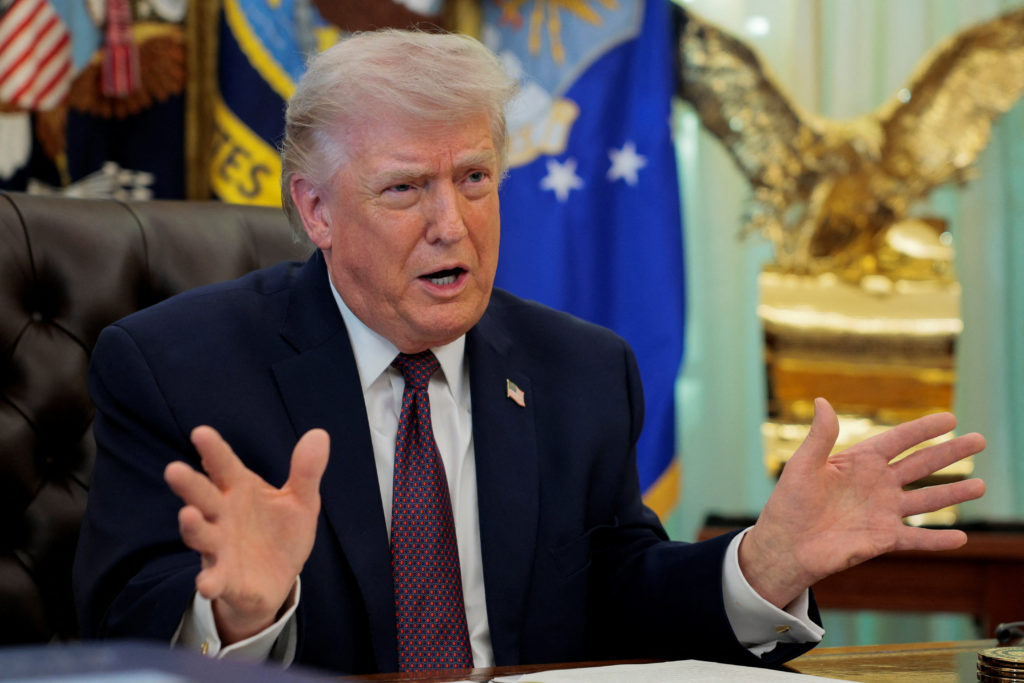
In a landscape defined by fierce power struggles, recent statements from President Donald Trump reveal not only personal ambitions but also the enduring contest over the very fabric of American democracy. Trump’s attack on House Minority Leader Hakeem Jeffries following a Supreme Court decision on the Voting Rights Act underscores how political rhetoric becomes a battleground—where narratives about legitimacy and authority are manipulated to sway public perception. His labeling of Jeffries as a “Low IQ individual” and questioning of his integrity exemplifies the culture of polarization that continues to fuel ideological divides, often at the expense of informed discourse and constitutional norms.

Historically, such confrontations evoke parallels with the tumult of past eras where constitutional crises tested the resilience of the American system. Political theorists like Alexander Hamilton warned of the dangers of unchecked executive power, yet in modern politics, figures like Trump employ aggressive rhetoric to challenge perceived enemies within the institutional framework. His rhetorical question—”after saying such a thing, isn’t he subject to Impeachment?“—not only reflects a contentious view of constitutional oversight but also raises fundamental questions about how decisions by political leaders shape the people’s trust in democracy itself. These battles are no longer confined within legislative halls; they are broadcast across social media, where every provocation becomes a symbolic statement about sovereignty and the limits of institutional authority.

Moreover, the debate echoes a broader ideological conflict rooted in contrasting visions of American governance. Supporters of America First policies and conservative reformers argue that aggressive rhetoric and strategic confrontations are tools to restore national sovereignty and push back against what they perceive as judicial overreach or elite domination. Meanwhile, constitutional experts warn that such power struggles threaten the stability of constitutional principles, suggesting that these disputes are shaping the next chapter of America’s political destiny—one where the rule of law is tested against raw political expediency. As political analyst John Adams once reflected, “government must be a guarantor of stability, not a battlefield for personal vendettas.”

Indeed, the currents of this epochal contest reveal that politics is more than process—it’s a stage where the very narrative of American destiny is written. Each decision, each clash of words, forge a path that determines whether the nation proceeds toward uniting under shared constitutional values or fragmented into factions defined by their capacity to wield power. The coming months will see whether this struggle reshapes the nation or simply reaffirms its resilience. In the end, it is a stark reminder that in politics, as in history, the fate of a nation is often decided not in the halls of power but on the battlefield of ideas—where every word and act writes the future from the ink of conflict.

Duffy: Energy prices will fall after Strait reopens, boosting our economy.

The recent statement by Transportation Secretary Sean Duffy regarding predicted declines in energy prices following the reopening of the Strait of Hormuz encapsulates a broader narrative of political optimism rooted in economic and strategic assumptions. While Duffy, who is ostensibly focused on transportation infrastructure, emphasizes a connection between geopolitical events and market responses, this narrative reveals how political actors attempt to shape public perception amidst complex power struggles. The assertion that energy prices will stabilize, predicated on the reopening of a crucial maritime passage, exemplifies the tendency of politicians to leverage geopolitical crises to justify their policy positions and to implicitly frame contentious foreign policy decisions as “necessary” victories for the populace.

Decisions surrounding the control of the Strait of Hormuz—an vital chokepoint for global oil supply—are emblematic of power struggles that ripple through the international order. Historically, geopolitical bottlenecks like Hormuz have become focal points for broader strategic battles involving regional hegemons and Western interests. The rhetoric of stability and assured relief from energy prices masks behind-the-scenes negotiations and conflicts over influence, oil rights, and regional dominance. As the Biden administration navigates these treacherous waters, the true game becomes a political theater where public policy is often a reflection of larger strategic calculations. Experts in constitutional law and international relations warn that relying on such narratives risks oversimplification of complex, often volatile, geopolitical realities.

Within the domestic political arena, the push to portray the administration’s foreign policy as effective and aligned with energy security goals signifies a clear effort to bolster voter confidence. The administration’s policy shifts—primarily the focus on energy independence and international stability—are reminiscent of historical paradigms pushed by figures like Ronald Reagan and Murray Rothbard, who emphasized sovereignty and free markets. However, critics argue that these policies may merely serve as noise points in the ongoing contest for power and influence. The fact remains that political decisions are ultimately a reflection of who controls the levers of state power and how those decisions impact the everyday lives of citizens—costs, stability, and national security alike.

As political theorists such as Carl Schmitt have long argued, in moments of crisis or transition, sovereignty becomes a contest over the definition of the political. Today, this is vividly illustrated by the ongoing debates about energy policy, foreign intervention, and the role of government in safeguarding national interests. Whether these decisions are driven by genuine strategic necessity or political expediency, they reaffirm that power struggles are often played out on the world’s geopolitical stage—deciding the course of nations and shaping the destiny of peoples. Ultimately, the real battle is not just over policies, but over the narrative of national purpose. In this chess game, where every move is orchestrated to influence future generations, politics remains the fine art of authoring history—one bold decision at a time, carving the future where the outcome waits in silence, yet profoundly shapes the story of the nation.

NTSB probes United flight hit pole on NJ Turnpike, safety concerns raised

National Tides of Power: The Incident on the New Jersey Turnpike Sparks Broader Debate

The recent incident involving United Airlines Flight 169, which struck a light pole on the New Jersey Turnpike, has once again thrust the fragile interplay between regulatory oversight and corporate accountability into the national spotlight. The National Transportation Safety Board (NTSB), tasked with probing this unsettling event, underscores how critical decision-making at the intersection of private enterprise and government oversight truly is. As the investigation unfolds, it reveals a larger narrative — one where the power struggle between regulatory bodies, industry stakeholders, and political interests determines the safety and sovereignty of the traveling public.

This episode is more than an accident; it is emblematic of ongoing conflicts over control and responsibility. Airlines operate within a complex lattice of federal regulations and safety protocols, often under the influence of political pressures favoring deregulation and corporate freedom. President Biden’s administration has emphasized the importance of safety reforms, promising increased oversight, yet critics argue that decades of deregulation have eroded safety standards to prioritize profit margins. From a historical perspective, this tension echoes early 20th-century debates about government control versus private enterprise, reminiscent of the Progressive Era’s reforms and their subsequent rollback. Today, the stakes are higher, for decisions made in this arena directly shape the safety and rights of everyday travelers.

The incident’s implications extend into the realm of power dynamics where corporate interests and public safety often collide. The airline industry, heavily influenced by lobbying efforts, has maintained a delicate balance — or perhaps a fragile dominance — over regulatory policies. As the NTSB’s investigation progresses, it raises questions about accountability. Was this a failure of oversight, or simply an unavoidable accident? How decisions by corporate executives and regulatory agencies influence safety standards remains at the heart of the debate. More critically, these events serve as a testing ground for the resilience of our constitutional checks and balances — do agencies like the NTSB wield enough authority, or are they hamstrung by political and industry interests? Experts in constitutional law warn that the outcome of these investigations could test legal boundaries, determining whether regulatory agencies can truly hold powerful entities accountable in pursuit of the public good.

At the core, this incident underscores a broader truth: politics is the theater where the future of individual liberty, safety, and national sovereignty is authored. The decisions — whether enhancing oversight or succumbing to corporate influence — will ultimately decide the shape of society’s fundamental rights: safety, mobility, and trust. As history and political theory reveal, power struggles are never static; they evolve through crises, victories, and setbacks, mirroring the ongoing contest for dominance between state control and private enterprise. Here, in the shadow of this incident, lies a critical question for citizens and policymakers alike: in the choreography of power, who truly holds the steering wheel? The answer, as history has shown, may very well determine whether society advances in safety and sovereignty or falters into chaos — for in politics, fate is written not with ink, but through the deliberate actions of those who dare to shape the future.

Man detained at Trump Miami golf club over disturbance, Secret Service reports

The recent incident in Washington, D.C., capturing the nation’s attention just one week after the unsettling event at the White House Correspondents’ Dinner, underscores the volatile nature of contemporary political theatre. During this episode, former President Donald Trump was swiftly escorted off the dais, an incident emblematic of the shifting power landscape and the underlying unrest that characterizes the current American political climate. Such occurrences are more than mere disruptions; they are indicative of deeper power struggles between factions vying for influence and the profound consequences these struggles impose on the fabric of American democracy.

Historically, moments of political chaos serve as mirrors reflecting the tensions simmering beneath the surface. In this case, the event demonstrates how the battle for narrative control is intensifying, with voices from both the populist right and the entrenched establishment seeking to dominate the discourse. The incident’s timing, amid ongoing debates over constitutional interpretation and the boundaries of presidential authority, echoes the ideological clash reminiscent of the early 20th-century conflict between progressivism and conservatism. Constitutional experts liken the hurried removal of Mr. Trump to a modern-day example of how constitutional crises may unfold—a struggle not just over laws but over who holds the power to interpret and enforce them.

The political theatre today is marked by a battle for legitimacy. Campaign promises from the right, often characterized by a promise to uphold traditional values and sovereignty, are being challenged by left-leaning visions of reform and progressivism, which advocate for a more extensive redistribution of power. This ongoing conflict shapes policy shifts that impact millions, echoing the age-old question of who truly wields authority. The decision to eject Mr. Trump from the event reflects a rising tension where power struggles are no longer confined to legislative chambers but are played out visibly on the public stage, with the media acting as both judge and jury.

As this political drama unfolds, it recalls the teachings of Carl Schmitt, who argued that sovereignty lies not merely in the legislative process but in decisive moments where authority is visibly asserted or challenged. These incidents demand that citizens and political analysts ask: who benefits from these spectacles of disorder, and what do they reveal about the true nature of power in America? The stage has been set, the players are aligned, and history suggests that in times of crisis, democracy is tested not in calm deliberation but through decisive moments that define the future. As the nation witnesses these tumultuous shifts, it becomes clear that politics remains the ultimate arena where freedom, authority, and destiny are constantly contested—an ongoing narrative where the pen is wielded by those daring to shape the course of history.

Senator Warnock highlights conservative values on Face the Nation, May 3, 2026

Power, Policy, and the Fate of a Nation: Analyzing the Latest Political Dynamics in 2026

In the tumultuous landscape of 2026, the recent interview with Senator Raphael Warnock of Georgia on “Face the Nation” illuminates more than just the individual stances of a senator; it exposes the larger power struggles shaping the destiny of the United States. As the political arena continues to be defined by seismic shifts in party ideologies and policy priorities, Warnock’s discourse offers a window into a broader ideological clash—one that hinges on the very soul of American democracy. The fact that this interview garners national attention underscores how each political maneuver and rhetorical flourish becomes a piece in the chess game for control, influence, and historical legacy.

Within the interview, Warnock’s positions encapsulate the ongoing tension between progressive reforms and conservative resistance. While he advocates for expanded social programs and electoral reforms, these initiatives are often met with fierce opposition from the conservative bloc—led by figures aligned with the “looking to preserve constitutional structures” camp. The opposition’s defenders of the status quo frequently invoke historical precedent, arguing that rapid reforms threaten fundamental constitutional principles. Yet, critics—drawing parallels with the New Deal era or even more recent judicial battles—contend that modifications to the social fabric are imperative for the nation’s survival in an era of unprecedented economic and geopolitical turbulence. This ongoing conflict over reform and resistance reflects a classic power struggle over who controls the nation’s narrative and policy direction.

More significantly, the interview reveals how decisions made today will **shape the lives of generations to come**. Warnock’s emphasis on voting rights and social justice points to an understanding that political victory extends beyond abstract policy discussions—it’s about wielding power to mold society’s future. Political theorists like Machiavelli and modern constitutional scholars warn that such moments define the trajectory of a nation; history, after all, shows how decisively the course of democracy can turn on the control of institutions and narratives. The ongoing contest for control over the legislative apparatus exemplifies a broader struggle: whether the government remains a tool to empower the people or becomes a mechanism for entrenched elites. The decisions made now are not mere policy choices but **battlegrounds where the future of liberty and justice are contested**.

In this chess game of power, the stakes are high. The political elite—whether custodians of tradition or champions of reform—understand that their success or failure can resonate for decades. Whether one views these developments through the lens of constitutional safeguards or reformist ambition, there is no denying that this is the arena where true sovereignty is exercised. As history continues to write itself in the corridors of power, the closing lines remind us that politics is not just a reflection of current battles but the script where the destiny of nations is ultimately penned—each decision a stroke on the canvas of history, each leader a figure in the story that will echo through eternity.

Rep. Crow: U.S. struggles with exiting Middle East conflicts effectively

The recent statement by Democratic Rep. Jason Crow of Colorado signals a pivotal moment in the ongoing debate over U.S. foreign policy towards Iran. Speaking publicly on Sunday, Crow emphasized the necessity for the United States to reevaluate its approach, urging broader strategic considerations rather than sticking to conventional tactics. This call for a more comprehensive strategy reflects the shifting dynamics of global influence and the underlying power struggles that define modern geopolitics. In the context of an increasingly volatile Middle East, Crow’s stance underscores a crucial division within American political discourse—a division rooted in how decisions shape the people and influence future generations.

Historically, U.S. foreign policy in the Middle East has oscillated between military engagement and diplomatic efforts, often driven by the ideological perspectives of different administrations and politico-military elites. Contemporary debates echo the Cold War era’s conflicts, where the ideological struggle between interventionism and restraint defined national security paradigms. Cybersecurity concerns, nuclear proliferation, regional proxy wars, and economic sanctions all feature prominently in the complex chess game aimed at containing Iran’s influence. Power struggles within Washington, however, are not just about the immediate threat; they are about shaping the domestic policy environment and determining the limits of American influence abroad.

As the dialogue shifts toward a broader strategic reconsideration, constitutional experts and political theorists draw parallels to historical precedents grounded in realist philosophy. They argue that the U.S. must consider not only military strength but also the long-term implications of its interventions. This introspective approach is vital because policy decisions in the arena of international relations directly resonate with the power dynamics playing out on the ground—decisions made in Washington profoundly impact the lives of millions in Iran and neighboring states. The question remains whether the current administration and Congress will recognize the importance of such a holistic strategy or succumb to the temptation of quick military fixes, which historically exacerbate conflicts and undermine national security.

In the end, the debate over how to approach Iran embodies a broader contest — one where political power, ideological loyalty, and national interests collide. Whether through diplomacy or deterrence, the decisions made today will determine whether the U.S. maintains its global influence or unwittingly cedes ground to emerging powers. As history teaches us, in the theater of politics, it is not merely policy but destiny that is written in the choices we make. Remaining silent or decisive, the U.S. stands at a crossroads—a place where every move echoes through the corridors of history, shaping the future not just of nations, but of the very balance of power itself.

Sadiq Khan vows safety measures for Jewish Londoners’ peace of mind

In recent weeks, London has once again become a stage for the raw power struggles that underpin modern politics. At the heart of this clash lies the troubling rise of anti-Semitic sentiment, which has placed the Jewish community under an intolerable shadow. While Mayor Sadiq Khan publicly emphasizes solidarity and calls for unity, the palpable fear among Jewish residents reveals a stark disconnect between rhetoric and reality. Decisions made—or left unmade—regarding security, integration, and social cohesion directly shape not only the safety of these citizens but also the broader narrative of London’s political stability.

  • Sadiq Khan has inherited a city with deep historical scars and an ongoing struggle to balance cultural diversity with social order.
  • The rising anti-Semitic incidents highlight a failure of leadership to enforce and expand policies that protect minority communities.
  • Public sentiment suggests a growing frustration that official efforts are inadequate against the tide of hate—prompting questions about the effectiveness of current grievance mitigation measures.

The political atmosphere in London echoes historical parallels to times when leadership was called to confront the “dark times”—moments when communities were tested to see whether they would capitulate to division or forge a path rooted in resilience. Influential thinkers like Carl Schmitt and Leo Strauss argued that the political arena often reveals the true character of a society through how it manages crises. Today’s crisis—the resurgence of anti-Semitism—demands decisive action, yet the decisions made by policymakers seem to oscillate rather than lead, fueling an undercurrent of societal uncertainty. How political leaders respond to such tensions — whether they unify or fracture» — determines the future fabric of London’s multicultural identity.

The ongoing debate underscores the importance of robust policies — from increased community engagement to stronger anti-hate legislation. Critics argue that some leaders, including Mayor Khan, risk being perceived as insufficiently committed, especially if their policies appear reactionary rather than proactive. Meanwhile, constitutional experts warn that such social fissures threaten the very foundations of liberal democracy, recalling instances like the Weimar Republic where political failures led to catastrophe. The question remains: Will London’s political leaders write a chapter of unity or one of further division? The answer lies in the choices that are yet to be made, for in the theater of politics, destiny is often dictated by those bold enough to grasp the pen in tumultuous times.

As history reminds us, politics is not merely a reflection of popular will but a battlefield where the struggle over future generations is fought in the shadows of policy and power. The coming days will test whether London’s leadership recognizes that the true measure of their legacy is not just in policies enacted but in the confidence they inspire in the citizens—confidence that, even in darkness, the path to renewal can be found. Because ultimately, it is on the stage of politics that the stories of nations are written, and the fate of their people is sealed — for good or ill.

Trump’s Surgeon General pick: praised and criticized by his own team

The recent nomination of Dr. Nicole Saphier as the new U.S. surgeon general signals a significant shift in the ongoing power struggle shaping America’s health policy landscape. This move by President Donald Trump effectively concludes the tumultuous campaign of Dr. Casey Means, whose efforts to capture the influential role have been met with fierce resistance from competing political and ideological factions. Such decisions extend beyond individual appointments; they reflect the broader contest of visions for the nation’s health sovereignty and the role of government in dictating individual well-being.

In selecting Dr. Saphier, known for her conservative media presence and unwavering stance on bioethics aligned with America’s constitutional principles, Trump enforces a clear ideological message: she embodies a counterweight to what critics deride as overreach by bureaucrats and health authorities. The appointment underscores a renewed emphasis on individual responsibility, limited government intervention, and free-market solutions, which remain core tenets of the conservative political philosophy. Historically, this mirrors past-era conflicts where appointed figures serve not only as policy implementers but as symbolically charged stakeholders in a battle for narrative control over public health policy—a struggle that echoes the classical debates between individual liberty and state authority.

Moreover, this shift in leadership has immediate implications for policy directions, notably in light of ongoing debates surrounding public health mandates and vaccine directives. Experts and constitutional theorists often cite the writings of Thomas Jefferson and other Founders, who emphasized the importance of sovereignty at the community and individual levels. Such perspectives are increasingly at odds with expansive public health mandates that originated during crises but are now under scrutiny. This is where the power struggle manifests: decisions made in the corridors of Washington have tangible repercussions on how American citizens exercise their freedoms, make health choices, and interpret the limits of government authority.

As the nation stands at this crossroads, the appointment of Dr. Saphier is more than a personnel change; it is a declaration of ideological resolve. It exemplifies what political theorists describe as the “battle for the soul of public policy,” where each decision reconfigures the social contract and influences the course of history. In the theater of politics, where power is born from conflict and maintained through strategic choice, it becomes evident that the destiny of health policy is being scripted by those who hold the pen. Ultimately, politics remains the stage where ideologies clash, shaping the fabric of a nation that continuously rewrites its future amid the relentless pursuit of power.”

Starmer adviser met secretly with US tech giants 16 times, report reveals

Unveiling the Hidden Hand: Lobbying, Power, and the Shape of Democratic Destiny

The recent revelations surrounding Varun Chandra, an influential government adviser aligned with Keir Starmer and Rachel Reeves, have reignited debates over the transparency of political influence. With 16 undisclosed meetings with leading US tech giants—Google, Meta, Apple and others—Chandra’s clandestine engagements underscore the increasingly opaque nature of lobbying behind closed doors. These discussions, spanning over a year, centered on pivotal issues such as regulatory reforms, artificial intelligence, and foreign influences on domestic policy, illustrating a power struggle where tech giants seek sway over the corridors of government.

The Significance of Unseen Ties in Shaping Policy

The importance of these undisclosed meetings extends beyond mere diplomatic courtesy. They reveal how powerful corporate interests attempt to influence or even shift policy trajectories to suit their agendas. According to constitutional experts, such close ties raise fundamental questions about the democratic process itself. If policymakers engage in secret negotiations with vested interests, the question of who truly governs becomes more pressing. The actions of Chandra—who purportedly offered to facilitate direct access to the prime minister—highlight a dangerous precedent: when corporate lobbying becomes intertwined with policy formulation, the voices of the citizens risk being drowned out in favor of a select few wielding political and economic power.

Historical Parallels and the New Power Dynamics

This scenario echoes historical episodes where clandestine influence peddling undermined democratic institutions. From the British East India Company’s covert operations in the 18th century to more recent American oligarchic tendencies, history cautions against allowing unchecked lobbying to shape policy unchecked. Prominent political theorists argue that transparency is the bedrock of a resilient democracy—yet, in the shadowy dealings between government advisers and corporate titans, this principle appears compromised. The involvement of high-level aides like Chandra indicates an ongoing power struggle—where bureaucrats, corporate interests, and political elites jostle fiercely, each seeking to shape the future to their advantage and dictating terms that directly affect millions.

The Arena of Politics: A Stage Where Destiny Is Forged

Ultimately, this unfolding drama underscores a profound truth: politics is the stage where destiny is inscribed through conflict, influence, and often, covert negotiations. As tech giants attempt to mold policy directions—particularly in the realms of AI and regulation—they exemplify the broader trend of power consolidating into elite circles, sidestepping democratic accountability. The decisions made today—whether about regulatory reforms or international alignment—will reverberate through generations, defining the trajectory of society. Leaders like Starmer and Reeves bear the weight of this moment, tasked with defending the sovereignty of the people’s voice against the silent, relentless advance of corporate influence. The question remains: are they guardians of democratic integrity, or merely characters in a grander scheme dictated behind closed doors?

Trump criticizes U.S. Navy, Calls them “Pirates” Near Strait of Hormuz

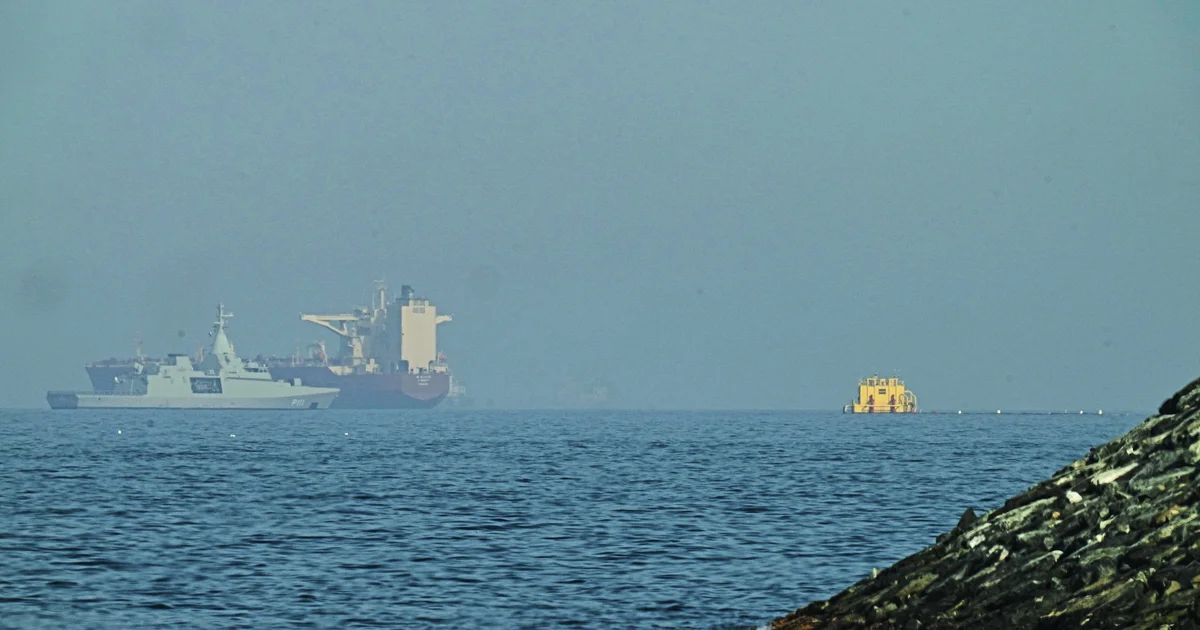
In a recent provocative statement, President Donald Trump drew sharp criticism, comparing the U.S. Navy to pirates—an outright challenge to the legitimacy and moral authority of American naval operations. This comment was made amidst ongoing efforts to enforce the blockade of Iranian ports near the strategic Strait of Hormuz, a vital chokepoint controlling approximately 20% of global oil trade. The imagery invoked by Trump underscores the intense power struggle that defines U.S. foreign policy in the region, with Washington positioning itself in direct confrontation with Iran in a scene reminiscent of historical maritime conflicts.

The U.S. government has issued stern warnings to shipping companies operating in this volatile corridor, emphasizing that they face potential penalties if they pay tolls or engage in transactions with Iran to facilitate their passage. This policy shift, symbolized by a tough stance on Iran’s economic independence, reflects a broader strategy of economic coercion intertwined with military presence. As observed by constitutional experts and strategic theorists, these measures exemplify a form of economic warfare—a relentless push for geopolitical dominance that aims to diminish Iran’s regional influence without direct conflict. Yet, critics argue that such aggressive tactics risk destabilizing the region further, regardless of Washington’s intent to uphold free navigation and global energy security.

This clash over policy and power is emblematic of a broader struggle for control over the Persian Gulf, a region historically fraught with conflicts over sovereignty, access, and influence. The decisions made by Washington—whether in deploying naval assets, imposing sanctions, or branding adversaries—dictate not only the future of regional stability but also shape the lives of millions who depend on this vital trade route. The strategic calculus involves complex political calculations, often moderated by influential power brokers and elites who seek to project strength and deter Iran’s ambition. With each policy shift, the question remains: are the United States consolidating regional stability or fueling an inevitable cycle of escalation? Underneath these tactical moves lies a fundamental contest—who will write the future of the Persian Gulf?

Historically, maritime conflicts have been decisive in shaping empires and determining world order, echoing figures like Alfred Thayer Mahan and his doctrine of sea power. Today, the United States wields unparalleled naval strength, a modern equivalent of imperial dominance. However, this power is not without contest—Iran’s Revolutionary Guard and regional allies adapt, employing asymmetrical tactics and diplomatic maneuvers to counteract American pressure. The ongoing power struggle generates echoes of Cold War rivalries, where influence and ideology collide on the geopolitical chessboard. In this arena, policy decisions will carve the path of history—how the U.S. navigates this turbulent waterway could define an era, for better or worse.

Indeed, politics is often a stage for grand narrative—the portrayal of strength versus sovereignty, intervention versus independence. As the U.S. enforces its will in the Persian Gulf and challenges Iranian sovereignty, it underscores a profound truth: control over destiny is forged at the intersection of power and policy. In this ongoing contest, every maneuver, every threat, and every compromise writes anew the story of nations vying for supremacy. Ultimately, the outcome hinges not merely on military might but on the subtle art of shaping perceptions and possibilities; for in the theater of geopolitics, the future is scripted by those who wield influence today.

Social Media Auto Publish Powered By : XYZScripts.com