Matox News

Truth Over Trends, always!

Hundreds of youth hubs aimed at empowering Britain’s isolated youth, delivering hope and opportunity.

In recent years, the fabric of youth engagement and community building in England has been frayed by decades of austerity and neglect. Recognizing this, the government has announced a significant investment of £500 million over the next four years aimed at rejuvenating youth services—an initiative that signals acknowledgment of the critical role these spaces play in shaping the next generation. This funding promises the construction and refurbishment of 250 youth centres and the launch of 50 new Young Future hubs, designed as comprehensive sites where existing services can converge under one roof. The hope is to reinstate a sense of belonging and purpose for millions of young people wandering a landscape increasingly isolated and digitally disconnected, yet yearning for genuine community connection.

The social landscape for youth in England has shifted dramatically, with young people now spending more time online, often retreating into bedrooms rather than communal spaces. As Culture Secretary Lisa Nandy emphasized, these spaces are disappearing in various parts of the country, leaving youths vulnerable not only to physical isolation but also to digital solitude, which can foster loneliness and mental health challenges. Sociologists like Richard Sennett have long warned society that disconnected communities weaken social cohesion and undermine the moral fabric. The establishment of these hubs aims to counteract this, offering not just safe physical environments but also opportunities for face-to-face mentorship and connection with trusted adults. The initiative also aligns with the wider societal understanding that early intervention and community support are fundamental to preventing social problems before they take root.

The impact on families, education, and communities is profound. For families, these hubs can serve as a vital support network, providing guidance and a safe space amid socio-economic challenges. In educational terms, youth centres foster skills development, career guidance, and mental well-being initiatives that complement formal schooling. Communities stand to gain by re-establishing trusted communal spaces where youths can participate in constructive activities, thus reducing risks associated with antisocial behavior and fostering social responsibility. However, social commentators such as Rosie Ferguson OBE warn that “fifteen years of cuts have left deep scars,” making the current investment a necessary, but only preliminary step towards long-term societal healing. Much like the work of sociologists analyzing post-industrial cities, it is clear that **sustained commitment and holistic support** are essential for meaningful rehabilitation of collective social health.

As society stands at this crossroads, society’s collective narrative must evolve from viewing youth issues as mere policy challenges to recognizing them as a reflection of where future generations are headed. The government’s approach, while promising, faces both political and practical challenges: ensuring these centers are adequately staffed, accessible, and genuinely engaging for diverse communities. It also calls for a moral reflection on society’s obligation to nurture its most vulnerable—those who often bear the brunt of social neglect. As history shows, without robust investment and community-driven efforts, the risk is that the “disappearing spaces” will only deepen the divide. Yet, amid these challenges, the hope remains that society can transform these spaces of isolation into grounds of renewal—regenerating resilience, fostering hope, and reminding us that the future, after all, is built not just in policies but in the hearts and minds of its young people.
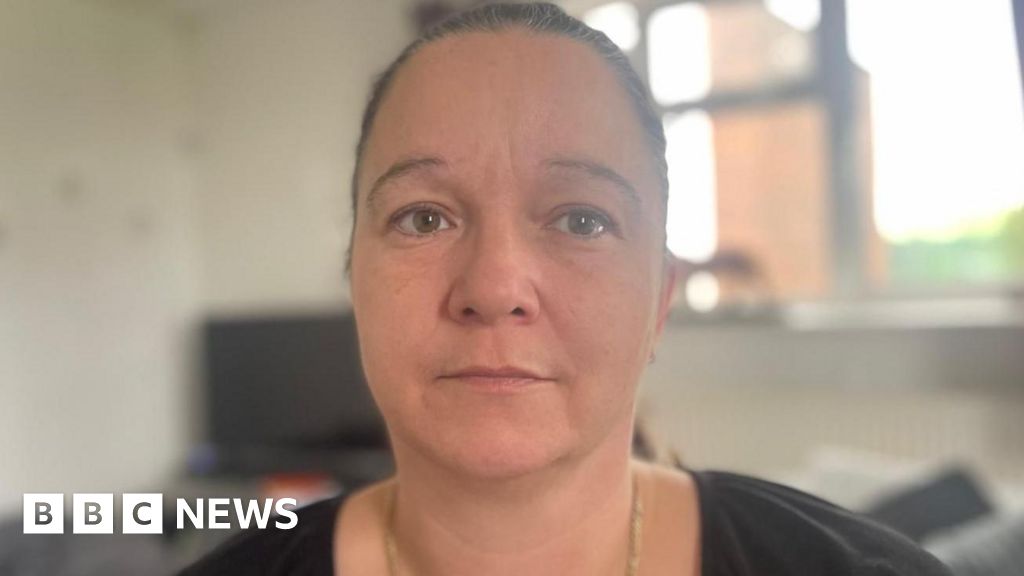
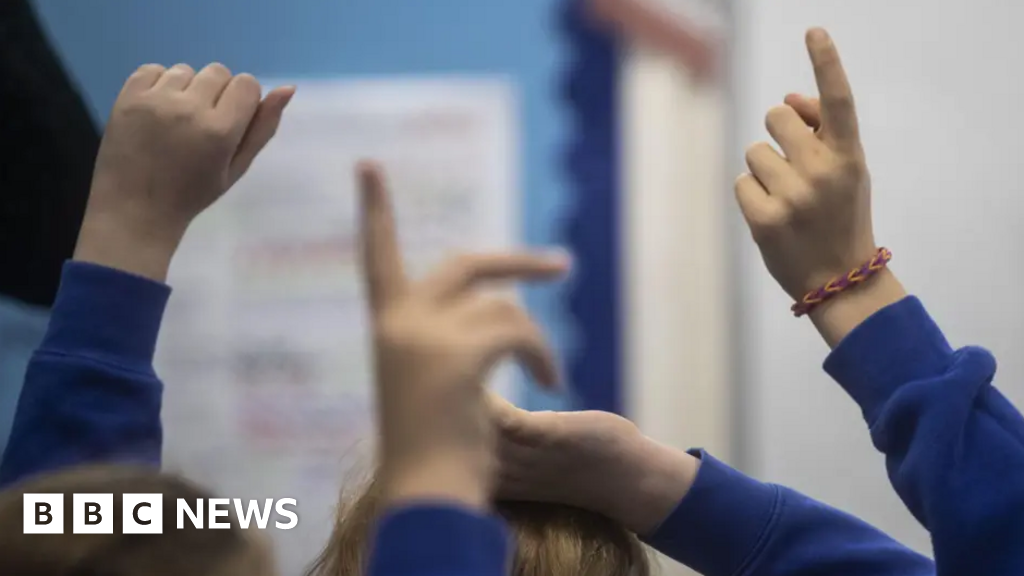
Students Opt Out of Mossbourne Federation Schools in Essex—What's Behind the Trend?
Students Opt Out of Mossbourne Federation Schools in Essex—What’s Behind the Trend?

The Impact of Educational Reforms on Families and Community Dynamics

In recent months, several communities have grappled with the tumultuous effects of a major shift in their local educational landscape. The takeover of two prominent secondary schools in Essex by the Mossbourne Federation, a highly structured and historically successful institution, has illuminated deep-seated tensions regarding educational philosophy, discipline policies, and community engagement. For many families, the upheaval signals more than administrative change; it threatens the delicate fabric of their daily lives, safety, and trust in the institutions designed to nurture future generations.

Initially lauded for decades of academic success in Hackney, the federation’s expansion into Essex promised continued excellence. However, sociologists such as Dr. Lisa Feldman and social commentators have observed that ‘strict discipline policies and rigid accountability structures often alienate families and marginalize students with additional needs’. Parents across Thurrock and Stanford-le-Hope are now voicing concerns that the schools’ new environment fosters fear and punitive practices rather than support and growth. The reported exodus of over 150 pupils since the transfer, along with accounts of inadequate communication and mishandling of individual needs, poignantly underscores how such social issues extend beyond the classroom and deeply impact family cohesion and community stability.

Social Tensions and Challenges Faced by Vulnerable Pupils

Particularly troubling are the stories of families of children with special educational needs. Becky, a mother from Stanford-le-Hope, recounts that her daughter, previously thriving, experienced support reductions under the federation’s new regime, leading to heightened anxiety and a sense of abandonment. This pattern aligns with broader concerns raised by social critics that ‘overemphasis on uniform discipline and control undermines the welfare of vulnerable students’. Likewise, Louise Butcher’s account of her son’s severe allergies being mishandled and subsequent disciplinary sanctions circulating a narrative where human health and dignity appear secondary to strict adherence to school policies.

  • Families report increased incidents of punitive measures for minor infractions, marginalizing pupils’ mental health and fostering a climate of fear.
  • Communication gaps between parents and school staff leave concerns unaddressed, creating mistrust and leading to home tutoring and withdrawal.
  • Special needs provisions are often reduced or inconsistently applied, threatening the inclusive ethos that schools should promote.

Experts have long warned that such rigid policy enforcement, especially when inadequately communicated or adapted, can exacerbate existing inequalities and fracture the vital relationship between families and educational institutions. Sociologist Dr. Margaret Stevens highlights that ‘schools, as societal microcosms, reflect and amplify broader social tensions, especially when disciplinary regimes overshadow human-centric approaches’.

Pathways Towards Societal and Educational Renewal

Despite the stark realities faced by many, there exists a hope for societal renewal rooted in community resilience, honest dialogue, and reform. The federation claims to be committed to addressing communication failures and improving individual support plans, yet the challenge remains: how can these institutions rebuild trust and ensure that families are supported, children are safe, and communities are restored? The answer hinges on adopting flexible, transparent, and human-centered policies that prioritize collective well-being over rigid control.

As historian Dr. Keith Miller notes, ‘True societal transformation requires humility and openness from those wielding authority, and a recognition that social stability is rooted not in uniformity but in diversity, compassion, and participation.’ The stories emerging from Essex serve as a poignant reminder that behind every statistic, every withdrawal, familial concern, and social tension is a human story waiting for compassion and understanding. Society’s enduring challenge—and its greatest hope—is to foster environments where social justice, moral integrity, and community cohesion can flourish from the ashes of discord, guiding society towards a future driven by shared purpose and renewed trust.

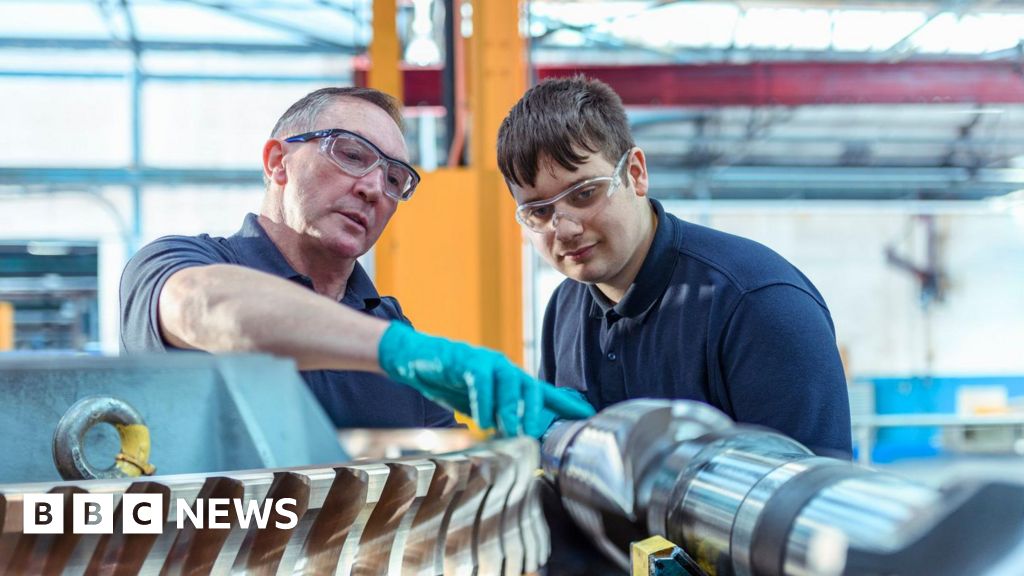
What’s an apprenticeship? How to land one—and what you can expect to earn?

Society in Transition: The Promise and Pitfalls of Modern Apprenticeships

As social dynamics evolve and economic pressures mount, the pursuit of meaningful employment pathways for youth has become a pressing societal concern. The government’s recent pledge to create 50,000 new apprenticeship opportunities aims to bridge the gap between education and employment—an effort rooted in traditional values of skill-building and self-reliance. This initiative reinforces the importance of community development, where families and local communities see tangible routes to economic stability. However, beneath this promising surface lie challenges that threaten to undermine the very fabric of those communities that the program seeks to support.

At the core of this social issue is the question of how these apprenticeships impact families and the education system. For many young people, apprenticeships represent a vital alternative to university—a route often dismissed as less prestigious but increasingly viewed as equally valuable. Yet, sociologist Dr. Anthony Giddens argued that social cohesion relies heavily on inclusivity; currently, programs like degree apprenticeships are less accessible to disadvantaged groups. As studies reveal, 10.7% of degree apprentices are classified as disadvantaged, a figure that, while seemingly small, exposes a broader pattern of inequality that mirrors societal stratification—where economic background often limits opportunity. Families from lower socioeconomic statuses grapple with the additional burdens of low-paid work, uncertain career prospects, and the stigma that sometimes accompanies vocational training.

From an educational standpoint, the dropout rate poses a significant hurdle. Despite the government’s support, less than 61% of apprentices complete their programs successfully. Critics argue this points to a systemic failure to provide adequate training, mentorship, and support—factors that social commentators like professor Michael Young have long identified as necessary for societal mobility. For families, these outcomes translate into frustration and, often, disillusionment. Meanwhile, young apprentices report that insufficient time for training, low wages, and poorly managed programs diminish their confidence and limit their future prospects. This cycle of underachievement and dropout threatens to reinforce existing inequalities, further dividing communities into those with stable, upward mobility and those left behind.

To address these issues, stakeholders propose a multifaceted approach, including increased funding, community engagement, and reform of apprenticeship structures. The government’s recent measures—such as covering the full cost of apprenticeships for under-25s and reducing minimum durations—are steps in the right direction. Yet, the challenge remains: ensuring these opportunities are inclusive and sustainable. Addressing barriers like low pay, lack of availability, and limited awareness is essential. As historian Dr. David Starkey emphasizes, society’s strength depends on “a shared sense of purpose and opportunity,” which cannot be achieved without equitable access to development programs that serve all communities, especially the most vulnerable. Family resilience and community empowerment hinge on creating pathways where talent and ambition are not stifled by economic hardship.

As society stands at this crossroads, the question persists: can the collective effort to reshape apprenticeships forge a society where opportunity is a universal currency, not an exclusive privilege? The hopes of countless families—aspiring to provide better futures for their children—rest on whether these policies translate into real change. Society’s true strength lies hidden in the faces of young apprentices who, despite unmet challenges, still believe in the promise of renewal. As history suggests, transformation is possible when dedicated communities, informed by shared values, come together to nurture the potential that lies within every young person. Society’s greatest challenge remains not just in policy but in fostering a collective moral commitment to remove barriers, ensuring that every individual, regardless of background, can write their own story of hope and achievement.

Ofsted’s school shakeup threatens to create more issues for students and families

Society in Flux: The Impact of Education Reform and Social Tensions

In recent months, the landscape of education in England has become a battleground of social issues that profoundly affect families, communities, and the future of society itself. The longstanding Ofsted inspection system, introduced over three decades ago, was once viewed as a cornerstone of accountability, essential for maintaining a baseline of educational quality. However, the tragic death of Ruth Perry, a primary school head teacher whose mental health was reportedly overwhelmed by the pressures of a downgrading inspection, has cast a shadow over the entire approach. Her story symbolizes a broader concern: are the current methods of school evaluation neglecting the well-being of educators and students alike, ultimately threatening the moral fabric of our communities?

This incident has ignited a wave of debate among educators, parents, and social commentators over whether reforms are truly addressing the root issues or merely conducting superficial “tinkering” with the system. The new ‘traffic light’ grading method aims to provide more nuanced insights into school performance, recognizing strengths and contextual challenges like poverty or student welfare. Yet, skeptics warn that increasing the complexity of ratings and expanding inspection areas may inadvertently exacerbate the stress faced by staff and pupils, rather than alleviating it. The National Association of Head Teachers has already announced plans to ballot on strike action, highlighting the deep divide over whether such reforms are genuine advances or superficial fixes.

At the heart of this turmoil lie families whose children’s futures are impacted by these social tensions, and communities grappling with division over how best to measure success. According to sociologists like Michael Apple, the education system should serve as a vital instrument for fostering social cohesion and opportunity; instead, it often reflects wider societal disparities. For disadvantaged and vulnerable populations, the controversy around school ratings isn’t just about school quality—it touches on equity, access, and the social mobility that determines fair chances for all children. As educators and parents look to the future, the questions persist: How can we rebuild trust? How do we ensure that the wellbeing of staff and the moral integrity of our institutions are safeguarded amidst this upheaval?

Historical sociologists have long observed that social tensions surrounding education mirror the broader struggles of society—whether it’s class divisions, economic disparity, or cultural change. Today’s debate reminds us that our societal resilience depends on listening to those on the front lines: teachers, students, and parents. The hope remains that, through honest dialogue, meaningful reforms can transcend superficial measures to build a society where education nurtures not just academic achievement, but the moral and emotional wellbeing of future generations. Society, like a classroom, is a work in progress—a collective endeavor. As we stand at this crossroads, perhaps the true measure of our society’s strength will be in our ability to adapt with compassion and resolve, turning tragedy into hope and division into unity. The challenge is great, but the potential for renewal, resilient and rooted in our shared values, remains within our grasp.

Old school site set to boost Send pupils with new satellite campus

Reimagining Community Support for Children with Special Educational Needs

In a quiet corner of Wiltshire, a shift is underway that highlights the profound intersection of social issues, public policy, and the future of families and educational communities. Wiltshire Council has proposed transforming the historic Calder House Independent School, near Colerne, into the Northwood Centre, a satellite campus dedicated to serving children with special educational needs and disabilities (Send). This initiative aims to address a pressing societal challenge: providing quality, localized education for vulnerable children who often find themselves marginalized by an education system strained by economic constraints. The plan, which involves a £1.27 million annual budget for 50 high-need placements, seeks to serve as an alternative to more expensive independent specialist schools that can cost upwards of £62,000 per child annually.

While this initiative is widely praised for its cost-efficiency and community-centered approach, it also underscores broader issues affecting families, schools, and local communities. The sociologist Dr. Margaret Harris notes that the increasing reliance on centralized, often distant, specialist placements can foster feelings of alienation among families who would prefer their children to grow and learn close to home. The debate centers around whether community-led solutions can truly meet the complex needs of Send students without sacrificing quality of care or educational standards. The challenge is ensuring that local institutions are adequately funded, staffed, and equipped to serve a diverse spectrum of needs—an issue that reflects larger societal trends of underinvestment and bureaucratic priorities that often overlook the human element of education.

The Social Fabric of Education and Its Discontents

diminish the shallow comfort of cost-cutting measures and instead confront the moral and ethical responsibilities our society bears toward its most vulnerable members. For families affected by Send, the prospect of children being placed outside their local communities can create deep emotional and logistical strains. As charity CEO Philip Tansley emphasizes, although Wiltshire’s efforts are commendable, “there is still room for improvement” in delivering comprehensive post-educational support. This ongoing tension between fiscal prudence and moral duty fuels debates around how to build a resilient, inclusive society, where every child—regardless of their needs—can access a nurturing environment that fosters both independence and belonging. Sociologists like David G. Smith argue that true social progress hinges on empowering local communities to take ownership of their educational solutions, rather than relying solely on external institutions distant from the daily realities of families.

Moreover, the societal impact extends beyond immediate costs and facilities; it shapes perceptions of social cohesion, equity, and shared responsibility. When communities invest in inclusive education, they reinforce the moral fabric that binds society together. Conversely, *failing to support Send students adequately* risks fostering social divisions and a sense of neglect. As the social historian Dr. Anne Lewis notes, how we care for our most vulnerable reflects the moral integrity of our society. Ensuring local, high-quality educational provisions for children with Send is not simply a logistical issue; it is a moral imperative that speaks to the kind of society we aspire to become—one that values every child’s right to inclusion, understanding, and hope for a brighter future.

Hope Amidst Challenges: The Path Forward

Ultimately, society faces a pivotal question: Will we prioritize short-term savings over long-term social cohesion? The attempt to bolster local Send services in Wiltshire is, in many ways, a microcosm for a broader societal challenge—balancing fiscal responsibility with moral obligation. Transformative change requires more than infrastructure and funding; it calls for a cultural shift—a recognition that every child’s educational journey is a testament to collective human values. As society grapples with this balancing act, the hope remains that these efforts—grounded in community, compassion, and a sense of shared purpose—will inspire a new chapter where families, schools, and communities unite to forge a future that leaves no one behind. In the end, the society we choose to build will reflect the dignity we accord to our children and the moral strength of our shared humanity.

UK Charities Warn Youth Gambling Crisis Could Cut Off Crucial Help Amid Funding Overhaul

Social Crisis Looms as Funding Cuts Threaten Gambling Addiction Support

In our society, the silent toll of addiction continues to ripple through families and communities, exposing deep vulnerabilities that often go unnoticed until tragedy strikes. The recent overhaul of gambling sector funding in the UK has ignited alarm among charities and social commentators, revealing how policy shifts can inadvertently jeopardize crucial life-saving services. Once sustained largely via voluntary contributions from casinos and bookmakers—about 0.1% of their takings—the burden has now shifted to a mandated levy of up to 1.1%, aiming to generate approximately £100 million annually. While this appears as a committed effort to address the growing problem of gambling addiction, experts warn that delays and lack of clear government guidance threaten to unravel the very infrastructure designed to protect vulnerable individuals.

At the heart of this crisis is a fundamental question: how do we reconcile economic policy with social responsibility? The Department for Culture, Media and Sport oversees the new levy process, yet charities such as GamCare and Gordon Moody warn that the transition period could leave hundreds of addicts without essential support. Victoria Corbishley, CEO of GamCare, emphasized, “The uncertainty is causing challenges. We don’t know what commissioners want from April onwards. It jeopardizes services, especially smaller organizations that many depend on for direct support.” Such cultural shifts signify more than bureaucratic adjustments—they threaten the moral fabric of social safety nets designed to extend hope and recovery to those in despair.

For families impacted by gambling addiction, these issues are more than administrative. They are human stories of lost careers, shattered relationships, and lives at risk. Alex, a 41-year-old former teacher, recounts how support from Gordon Moody transformed his life after a period of destructive gambling led him to contemplate ending his own life. His voice underscores a bleak reality: without ongoing support, suicide rates could increase—an outcome society must urgently prevent. Yet, the new funding model’s short-term disruptions pose the risk of leaving many unable to access vital treatment. Gordon Moody’s spokesperson highlighted how “shifting the goalposts” at short notice worsens the crisis, emphasizing the need for interim funding to safeguard human lives.

Social commentators and sociologists like Dr. Samuel Perry have long argued that social stability relies on resilient institutions that prioritize human dignity. The ongoing crisis exemplifies how demographic and cultural shifts can expose the cracks in societal safety structures, especially for vulnerable youth and emotionally fragile communities. As we observe this unfolding landscape, many wonder if policymakers truly grasp the moral imperative to protect the marginalized. For society to heal and progress, it must invest not only in economic solutions but also in the moral fabric that holds families and communities together—faith, support systems, and accessible treatment that affirm human worth.

In the twilight of these challenges, society faces a stark choice: continue down a path of bureaucratic neglect or unite in a collective effort to restore the values of compassion and responsibility. The hope lies in recognizing that behind every statistic is a person—facing their fiercest battles, yearning for dignity, and deserving of a society that cares enough to act decisively. Only by addressing these social issues with unwavering commitment can we aspire to forge a future where renewal prevails over neglect, and hope becomes the foundation for lasting societal change.

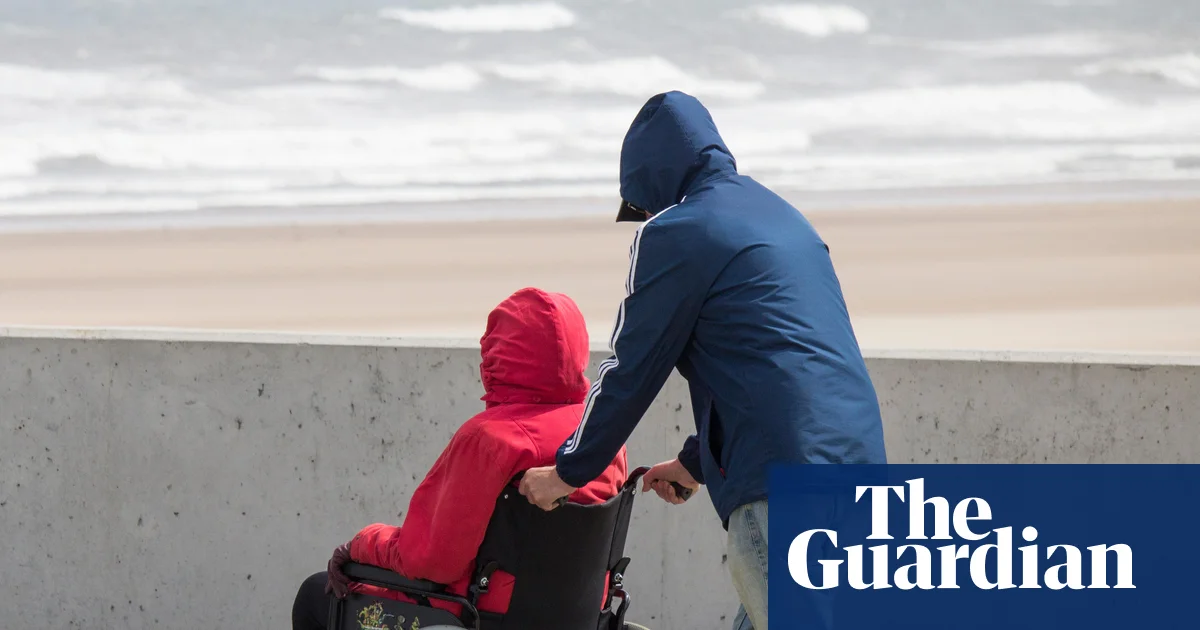
Senior DWP Official Blames Victims in Carer’s Allowance Scandal—Where’s Accountability?

The Deepening Crisis in Social Welfare: How Systemic Failures Impact Families and Communities

The recent revelations surrounding the carer’s allowance benefits scandal have cast a stark light on the ongoing systemic failures within the Department for Work and Pensions (DWP). An internal post, now removed, blamed victims—many of whom have been burdened with life-altering debts—shifting blame onto carers rather than acknowledging institutional deficiencies. This incident underscores a broader societal issue: the failings of a complex, opaque social welfare system that disproportionately affects vulnerable families and undermines community trust.

The independent review conducted by disability rights expert Liz Sayce confirmed longstanding “unacceptable” systemic leadership problems and poor benefit design at the root of the scandal. Despite repeated warnings from whistleblowers, auditors, and MPs, senior DWP officials failed to address or resolve these vulnerabilities for over a decade. Such systemic neglect leads to a cascade of damaging consequences, not only for individual carers—many of whom face crippling debts and potential criminal convictions—but also for the societal fabric that relies on a well-functioning welfare system to uphold social cohesion. The erosion of trust in institutions vital to supporting families fosters social fragmentation, especially among disadvantaged communities.

Efforts by authorities to deflect blame—such as claiming overpayments resulted from claimants’ failure to report earnings changes—highlight a misdiagnosis of the core issue. Critics argue that the fundamental flaw lies with the confusing guidance and labyrinthine reporting regulations that no single claimants can navigate without error. This cognitive and bureaucratic maze endangers families, whose wellbeing depends on clarity and fairness. For example, Carers UK and social commentators like Emily Holzhausen emphasize that the problem is systemic, rooted in policy complexity, rather than individual failings. When families face crushing debts because of bureaucratic upheavals, entire communities are destabilized, with ripple effects on children’s education, mental health, and social stability.

The political response echoes this systemic concern. Last week, Sir Peter Schofield acknowledged the “mess” inherited from the previous government and promised to ‘sort it out,’ but these words ring hollow without meaningful reform. Since 2019, approximately 180,000 carers have accumulated debts amounting to £300 million—an alarming figure demonstrating the tangible toll of institutional neglect. While authorities pledge to reassess affected cases and cancel debts, the long-term damage remains. The societal challenge lies in mending institutional integrity and restoring public confidence. Ultimately, society must confront whether our social safety nets sustain or suppress community resilience, especially for those who serve as the backbone of caregiving and familial support.

Hope Beyond the Crisis

History and sociology remind us that social change often emerges from moments of crisis. Scholars like sociologist C. Wright Mills have argued that institutions are reflections of societal values—if they are broken, societal values are compromised. Yet, amid despair, there’s a flickering hope: reform driven by community voices, accountability, and moral clarity can redirect the course. Restoring dignity to carers and rebuilding trust in our institutions demands more than piecemeal fixes; it calls for a societal commitment to prioritize transparency, simplification, and moral responsibility. Society’s true strength lies in its ability to recognize its failings, learn, and forge a future where families are supported, communities thrive, and social justice prevails.

Nazareth House Primary remains closed for a second day as society questions safety concerns

Societal Challenges in Education: A Reflection on Infrastructure and Community Welfare

Across communities in Northern Ireland, a troubling pattern reveals itself — one that exposes deep-rooted issues in the way society invests in its future. At the heart of this crisis are schools like Nazareth House Primary School in Londonderry, which recently faced closure due to *safety concerns over its aging roof*. Such incidents serve as stark reminders that underfunding in school maintenance not only jeopardizes physical infrastructure but also profoundly affects families, children’s education, and local communities. As the school doors remained shut for over 200 pupils, including children with special educational needs, the ripple effects threaten to undermine the stability of entire neighborhoods.

  • Unsafe buildings hinder access to education for vulnerable students.
  • Delayed or deferred maintenance thanks to inadequate funding leads to structural degradation.

These issues challenge the very foundation of societal equity and expose the moral failure of political institutions to prioritize future generations.

Adding to this troubling picture, long-standing concerns over school structures have persisted for decades. Principal Róisín Blackery of Nazareth House school revealed that the building—originally constructed in 1902—has been subject to repeated warnings concerning its safety, with requests for a new roof languishing in bureaucratic limbo since 2017. Her account underscores a broader government failure; calls for investment in essential infrastructure have been systematically overlooked.

  • More than 20 years of raised concerns have gone unaddressed.
  • Repeated underfunding compels schools to operate in dangerously compromised environments.

According to Bishop Donal McKeown, head of the Council for Catholic Maintained Schools, the sector suffers from *”huge under-funding of statutory services”* which leaves school buildings vulnerable to disrepair. His pointed critique emphasizes that, if our children are to succeed, their educational environment must be safe, stable, and conducive to learning.

The consequences extend beyond physical safety, influencing the social fabric of communities. When schools are forced to shut suddenly—sometimes without adequate notice—families and children face emotional strain. In interviews, students like 7-year-old Daniel express feelings of *sadness and anxiety*—missing friends and routines critical to their development. His mother laments, *”we have such a solid community base, but without immediate action, that strength begins to fracture.”* Pupil Gail, a girl preparing for transfer tests, worries about her academic progress and her social ties, illustrating how even demographic changes such as *an aging school infrastructure* have a tangible human impact.

  • Disruption to routine can impair children’s mental health and academic motivation.
  • Parents grapple with uncertainty and fear of ongoing instability.

Such disruptions threaten to widen societal divides, particularly as government agencies acknowledge their inability to cope with the scale of the problem due to budget constraints.

Adding to the crisis, the Education Authority admits to a *”deeply concerning”* backlog of maintenance issues across the region, a situation exacerbated by *severe funding shortages*. The result—schools can only prioritize emergency repairs, with most infrastructure decay left unaddressed. This cycle of neglect threatens the long-term integrity of educational environments and further diminishes societal trust in public institutions. Meanwhile, figures like Sinn Féin MLA Pádraig Delargy advocate for urgent, practical solutions that keep communities united during this testing period. He urges the Department of Education and the Authority to recognize that *”if we don’t deal with our children now,”* the societal costs will only escalate.

  • Increased funding is crucial to restore and maintain vital infrastructure.
  • Policy reform must prioritize education’s physical and social needs.

Ultimately, this crisis underscores a moral imperative: society must reevaluate how it invests in its youngest citizens, recognizing that their well-being reflects the moral fabric of the nation itself.

As society stands at this crossroads, the path forward remains uncertain but not hopeless. The fate of schools like Nazareth House, the resilience of its students, and the strength of community bonds hinge upon collective action—political will supported by societal recognition of the importance of education. This ongoing struggle reminds us that a society’s true strength lies in how it nurtures its young and repairs its foundations. In this moment of challenge, the hope persists that, through renewed commitment and responsible stewardship, the next chapter can be written—one where every child has a safe place to learn, and every community’s future is secured. Society’s resilience will ultimately be measured by its response—its capacity to transform crises into catalysts for enduring renewal.

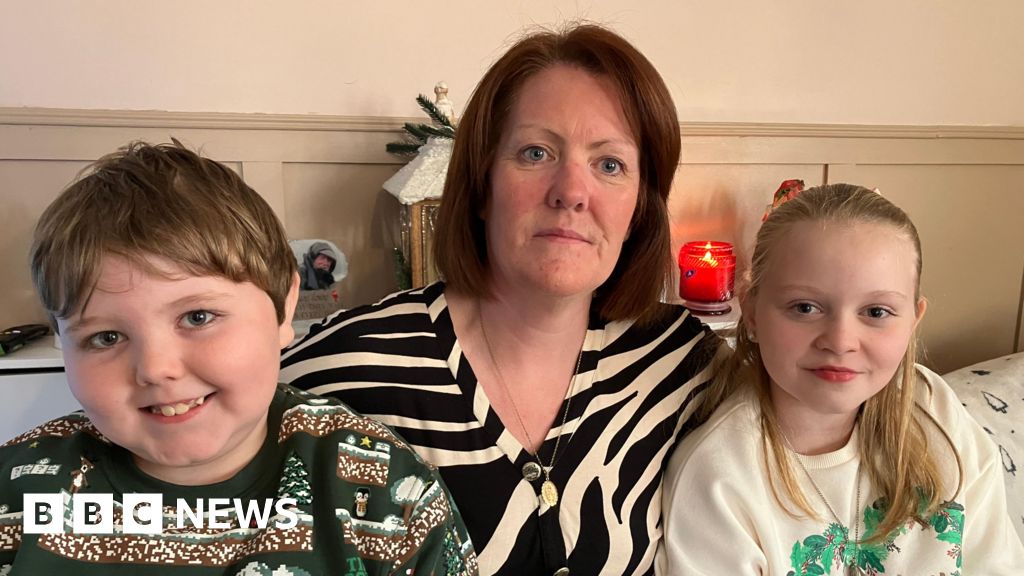
Fertility Decline Sparks Shift Toward One-Child Families: A Sign of Changing Society

Society’s Shifting Fertility Landscape and Its Impact on Families

In recent years, demographic changes across the Western world reveal a concerning trend: a declining birthrate and evolving family structures. According to the Office for National Statistics, the fertility rate in England and Wales last year plummeted to 1.41 children per woman—its lowest on record for three consecutive years. This decline is part of a global movement identified by the United Nations as a “global fertility slump”. Sociologists like Alain Girard argue that this shift reflects more than just individual choice; it signifies the societal pressures, economic anxieties, and shifting gender roles that are reshaping the very fabric of families and communities. Families, once the backbone of social cooperation, are now navigating a landscape where financial and social barriers often overshadow the desire for children.

This era of economic uncertainty, characterized by skyrocketing living costs, unreasonably demanding careers, and inequitable gender expectations, has led many to question the sustainability of larger families. Families with only one dependent child have grown from 42% in 2000 to 44% today, with statistics indicating that the notion of a “standard” two-child family is increasingly out of reach for many. The UN Population Fund emphasizes that many are not “turning their backs” on parenthood but are being denied the freedom to start or expand their families due to economic constraints and persistent gender inequality. This reality underscores a moral crisis—families are no longer driven solely by love and legacy but are often dictated by prudent financial calculations and societal expectations that now seem out of reach for many.

Bridging the ‘Fertility Gap’: Societal and Policy Responses

To combat this troubling trend, policymakers are increasingly aware of the need for supportive measures to bridge the ‘fertility gap.’ Education Secretary Bridget Phillipson recently highlighted the expansion of funded childcare in England as a step toward reviving what she termed “dashed dreams”. Although nursery costs have fallen for the first time in 15 years—averaging around £12,425 for children under two—they still place a heavy burden on many families, especially when considering the broader economic climate. Moreover, studies from University College London indicate that while two-fifths of 32-year-olds express a desire for children, only a quarter actively pursue conception, suggesting that the barriers go beyond just costs—addressing social, emotional, and organizational issues must also be part of a comprehensive strategy.

  • Implementing targeted parental leave policies and flexible work arrangements that align with modern gender roles
  • Ensuring affordable, accessible childcare to ease the economic burden of parenthood
  • Promoting societal narratives that support a diversity of family choices, moving away from stereotypes like the “spoiled only child” myth

Social commentator Dr. Adriean Mancillas challenges long-held myths suggesting that only children are selfish or maladjusted, citing research that demonstrates educational advantages and emotional development opportunities within single-child families. This evidence points toward a societal responsibility to reframe perceptions around family size and quality of life, ensuring that policies nurture family units rather than stigmatize them.

The Societal Impacts and a Call for Moral Reflection

The decline in birth rates does not only threaten the present but casts long shadows over future societal stability. An aging population spells increased strain on public services and pensions, with demographers warning of a “demographic time bomb.” Yet, amidst these challenges, the societal narrative must become one of hope, resilience, and moral clarity—recognizing that families are the moral backbone of society. As Lauren Sandler, author of *One and Only*, reflects, “families are not just economic units, but moral communities where love, care, and shared values nurture society’s soul.”

Society faces an ongoing reckoning: will we continue to let economic and social barriers define the future of family life, or will we foster an environment where the desire to nurture and to belong can flourish freely? The choices we make today, inspired by both policy and moral conviction, will echo through generations. As families like Natalie Johnston’s exemplify—children are not just products of choices but symbols of society’s capacity for compassion and hope. In this ever-changing landscape, society’s true measure lies in our collective resolve to rebuild the moral foundations that uphold family, education, and community—transforming societal fears into a shared vision of renewal and resilience.

DeepFakes: How a Toxic AI Porn Empire Is Exploiting Innocents and Threatening Society

The Hidden Threat of Deepfake Porn: Society’s Growing Crisis

In recent years, technological advances have brought both convenience and peril to families, education, and communities. Among these emerging dangers, the proliferation of deepfake pornography stands out as a disturbing societal challenge that threatens to erode personal dignity and safety. What was once the domain of speculative fiction or fringe tech circles has now become a dangerous reality, with tools that can generate hyper-realistic fake images of anyone, often without their consent. Such technology not only victimizes individuals but also underscores a larger cultural shift marked by misogyny and societal intolerance. Its growth signals a future where privacy is increasingly compromised, and innocent lives are often violated with impunity.

The emergence of Mr DeepFakes, a notorious website dedicated exclusively to producing and distributing fake pornographic images, epitomizes this societal alarm. Originally appearing around 2017-2018 amid the ban on deepfake content on social media giants like Reddit, the site quickly gained notoriety for offering hundreds of videos featuring celebrities, politicians, and ordinary individuals. As the sociologist Dr. Laura Spencer notes, “The internet has become a playground where the boundaries of morality are constantly pushed, and deepfake technology has become a tool for degrading those who dare to step into the public eye.” The site’s creators justified their work by claiming that consent was irrelevant because these images were mere fantasies. Critics argue, however, that this perspective dismisses the human suffering inflicted on victims— especially women—whose images are stolen and manipulated to serve the malicious intent of anonymous perpetrators.

Despite the shutdown of Mr DeepFakes in May 2023, the societal damage endured. Investigations suggest that the behind-the-scenes creators and networks—motivated by money, notoriety, or ideological hatred—continue to operate through less-visible channels and underground forums. The rise of accessible apps and user-friendly AI tools has transformed deepfake creation from clandestine hacker work into a commodity available to anyone with a smartphone. According to social analyst Patricia Higgins, “The problem is no longer confined to specialized tech geeks; it’s embedded in the mainstream internet ecosystem now. This democratization of harmful content makes regulation even more urgent.” It reveals a disturbing truth: social tolerance for misogyny and lawlessness has grown, feeding a cycle of exploitation that further destabilizes family units and community trust. As history demonstrates, unchecked technological abuse can eventually corrode societal fabric, leaving vulnerable groups exposed to ongoing harm.

The demographic changes and cultural shifts fueling this crisis are striking. Predominantly, women and young girls are targeted, their images systematically exploited in digital spaces that are often beyond effective regulation. The language used on these sites—overtly misogynistic, hateful, and dehumanizing—reveals a core societal malaise: a willingness to devalue and degrade at the expense of human dignity. Social commentators like Dr. Marcus Evans warn that “failure to confront this issue head-on risks normalizing violence and misogyny in digital culture, which inevitably translates into real-world consequences.” The rise of such behavior furthers a dangerous narrative—that women’s value is contingent upon their presence in a sexual market determined by images and superficial validation—shortchanging the foundations of a respectful, equitable society. Whether it is through inadequate legislation or cultural apathy, society will **pay the price** for tolerating this erosion of respect and morality.

Yet, through awareness, legislation, and cultural resilience, hope persists. The recent movement by small groups of activists and legal reformers exemplifies society’s capacity to confront this digital erosion. Initiatives that criminalize the creation and distribution of non-consensual deepfake sexual images are gaining traction globally. While technology continues to evolve faster than laws can keep pace, the moral imperative remains clear: society must prioritize human dignity over technological convenience. As the civil rights advocate Sarah Miller reminds us, “We are at a crossroads where we must choose between enabling harmful innovation or protecting our humanity. The strength of our communities depends on the moral courage to set boundaries against abuse.” Society faces a formidable challenge, but as history has shown, every wave of moral awakening begins with just a few brave voices—those who refuse to accept decay as inevitable. It is within these efforts that society’s hope for genuine transformation resides, fostering a future where respect, dignity, and justice are not casualties of technological progress but its guiding force.

Social Media Auto Publish Powered By : XYZScripts.com