Matox News

Truth Over Trends, always!

Understanding SEND: What the reforms in England mean for our youth and society

As societies face increasingly complex social challenges, the plight of families with special educational needs has come under intensified scrutiny. Across many local councils, a profound issue has emerged: a striking gap between demand and capacity within the state-funded special education sector. With around 38,000 pupils requiring specialized educational placements, councils are often compelled to resort to paying for independent special school fees. This practice not only highlights persistent systemic gaps but also sheds light on a broader societal dilemma—how to ensure equitable access to quality education for children with special needs amidst finite resources and growing demand.

The financial burden associated with this disparity is staggering. The average cost for an independent special school place hovers around £61,500 per year, a stark contrast to approximately £24,000 per pupil in state-funded settings, according to the Institute for Fiscal Studies (IFS report). This discrepancy not only strains local council budgets but also inadvertently redirects public funds away from broader community needs. For families, these financial pressures often translate into difficult decisions—pushed between the desire for the best possible education for their children and the reality of limited public provision. The social fabric, therefore, becomes fractalized, with disparities in educational access creating ripples that extend into family stability and community cohesion.

From a sociological perspective, experts like Michael Katz, a renowned historian of social policy, note that public education should serve as an equalizer. Nevertheless, the current system’s reliance on private solutions underscores an underlying failure to provide universal, high-quality opportunities for all children, especially those with special needs. This disparity also exacerbates social tensions, as communities sense that systemic inequities threaten the foundational principle of fairness. How, then, can society bridge this gap? Some advocate for increased government funding aimed at expanding state-funded special education facilities, while others emphasize innovative community-based solutions that foster cooperation between schools, families, and local organizations. Regardless of approach, the moral imperative remains clear: every child deserves access to the education that enables their full potential.

As society stands at this crossroads, an enduring question persists: what is the true measure of a community’s progress? Is it found in the balanced budgets and statistical achievements, or in the human stories of children including those with unique needs, reaching milestones once thought impossible? Society’s challenge is not merely financial but moral—a call to deepen compassion and exemplify the resilience that defines us. For within every effort to bridge these disparities lies the seed of societal renewal; a reminder that the future belongs to those willing to confront uncomfortable truths and forge a path towards equality and inclusion. In this collective journey, hope flickers like a steadfast light—guiding society forward, one step at a time, toward a horizon where no child is left behind.

Even the Super-Rich Are Struggling with Britain’s Failing Housing Standards

Britain’s Broken Building Culture: A Reflection of Society’s Neglect of Craftsmanship

Across British communities, the crumbling quality of construction and housing reflects deeper societal shifts—marked by devaluation of skilled trades, political neglect, and profit-driven shortcuts. From the luxurious flats of One Hyde Park to the modest homes suffering from damp and mould, the disparities highlight a nation struggling under the weight of compromised standards. Even the wealthiest residents, who should enjoy the pinnacle of modern luxury, find themselves battling defective pipework and costly repairs—proof that systemic issues in construction quality are a societal crisis, impacting all levels of families and communities.

Historians and social commentators point to a long-term decline rooted in undermining vocational skills. As sociologist Dr. Anthony Giddens might observe, Britain’s abandonment of robust technical training—an outcome of policies since Margaret Thatcher’s era—has led to a dearth of qualified builders and inspectors. The once-respected role of tradespeople has been replaced by a culture of cost-cutting and deregulation, with contractors often managing their own oversight. The collapse of the Skills Training Agency in the early 1990s set off a ripple effect—causing an erosion of quality in building standards that now manifests in shoddy workmanship and structural defects. This societal neglect disproportionately harms families, forcing them to face spiraling repair costs, mould-related health issues, and safety risks that diminish the fabric of daily life.

The crisis is further compounded by regulatory failures and cultural neglect of trades. While Britain boasts thousands of rules governing architecture, the oversight mechanisms—such as the traditional clerk of works—have almost all but vanished. Instead, contractors now often perform their own inspections, creating a conflict of interest that favors cheap materials and quick turnaround over safety and durability. The rise of “design and build” contracts, which diminish architect oversight, parallels the erosion of craftsmanship. As architect Astrid Smitham explains, this new model incentivizes cutting corners, with dangerous consequences exemplified by the Grenfell Tower disaster. Such systemic issues threaten to undermine families’ safety, the value of education, and the integrity of community life.

Addressing Britain’s construction crisis requires urgent political will and cultural recognition of skilled trades’ dignity, which is currently sidelined in policymaking. Despite more than 10% of the workforce engaged in skilled trades, few MPs come from manual backgrounds—highlighting a disconnect between policy and social reality. As social commentators argue, reversing this trend involves restoring vocational education’s respectability, enforcing strict regulation for qualified professionals, and fostering a societal ethos that values craftsmanship as a moral commitment to human dignity. Without these changes, society risks prioritizing short-term profits over long-term sustainability, leaving future generations to grapple with the scars of generations of neglect.

In the end, society’s true strength lies in its ability to nurture craftsmanship, uphold standards, and prioritize human safety over profit. Society stands at a crossroads—between continued neglect and the awakening to a more resilient, skilled, and just future. As communities reflect on their crumbling homes and safety fears, there emerges an enduring hope—that through restoring dignity to the trades, revaluing vocational education, and demanding accountability, Britain can repair not only its buildings but the moral fabric of its social order. Perhaps, in that effort, society may find the resilience to rebuild itself—one brick, one skilled hand, one community at a time.

Tewkesbury Academy Teachers Strike Again Over Rising Behavior Issues Affecting Youth Development

In recent times, our educational institutions have become a microcosm of broader societal upheavals, revealing underlying tensions that threaten to destabilize the fabric of families, communities, and the future generations. As reports surface from schools across the country, it becomes evident that behavioral issues and disruptions are not isolated incidents but reflections of deeper social shifts. A striking example emerged recently when PE teacher Ian Brownhill, with over three decades of experience, expressed concern over the school’s declining discipline. Brownhill highlighted that the institution is “losing good kids” amidst rampant unruly behavior, including students going “on the rampage around site most lessons.”

This phenomenon underscores a wider societal malaise that impacts not just the educational environment but also the moral fabric of our younger generations. Sociologists such as Christopher Lasch have warned that the erosion of community values and the decline in social cohesion have a corrosive effect on youth, often manifesting as aggression and indiscipline within schools. Many experts argue that inadequate family stability, declining civic engagement, and the pervasive influence of social media contribute significantly to this decline, creating an atmosphere where respect for authority and discipline are increasingly subordinate to immediate gratification and peer validation. The social isolation and moral relativism that pervade contemporary society threaten to undermine the very core of educational discipline and community trust.

Moreover, the disruption resonates deeply with families who are trying to navigate the challenges of raising well-rounded individuals amid these chaotic influences. The disconnection between home and school environments creates a cycle where behavioral issues at school often mirror familial and societal dysfunctions. Without cohesive guidance and community support, schools become battlegrounds rather than places of learning. Historian Dr. David Hollinger emphasizes that today’s student unrest signals a need for resilient, value-driven societal structures — ones that reinforce shared responsibility among families, educators, and policy makers to restore order and moral purpose.

While these issues pose significant challenges, they also open a window for transformative change. Education authorities and communities must collaborate to foster environments that emphasize respect, accountability, and moral clarity. Solutions like increased engagement in civic education, mentoring programs, and community outreach can serve as anchors in turbulent waters. As we observe this ongoing societal saga, a question lingers: can we, as a collective, rekindle the moral compass that guides our youth and rebuild the bonds of trust and discipline critical to societal stability? The answer depends on our resilience and willingness to confront uncomfortable truths, recognizing that the future of our families and communities hinges on the moral and social groundwork we lay today. Society’s capacity to evolve, fostering hope amid adversity, remains the ultimate testament to our enduring commitment to a better tomorrow.

Are We Overdiagnosing Mental Illness? A Doctor Speaks Out on Society’s Labels

Recent reflections from a general practitioner highlight a societal crisis that transcends individual suffering: the expanding epidemic of mental health issues among populations worldwide. The toxic blend of cultural shifts, diagnostic overreach, and an increasingly mechanized healthcare model has woven a complex tapestry that deeply impacts families, education, and communities. Studies reveal that in the UK alone, two-thirds of youth report experiencing some form of mental disorder, a statistic that alarmingly illustrates a demographic in distress. This surge not only strains mental health services but also endangers the fabric of daily life—rupturing familial bonds, destabilizing classrooms, and fostering social alienation.

The core challenge lies in how society conceptualizes mental health. The proliferation of diagnostic tools like the DSM and ICD over recent decades, while useful in clinical contexts, has contributed to a pathologization of everyday human experiences. As sociologists critique, these models often impose rigid “constellations” of symptoms—**labels** that may not capture the fluid, interconnected nature of individual mental states. This tendency toward overdiagnosis and the widespread belief that internal suffering is predestined by biochemical imbalances risk reducing complex human emotions to mere categories, with significant moral and human costs. Instead, insights from cultural anthropologists suggest that different societies interpret mental distress through diverse, often more holistic lenses, emphasizing community, spirituality, and personal resilience rather than solely medicalized diagnoses.

Amidst this landscape, the role of medical practitioners emerges as both vital and challenging. The narrative of the healthcare system shifting towards protocol-driven, depersonalized care draws concern from clinicians and social observers alike. The contrast between compassionate, nuanced engagement—what Dr. M. describes as “the doctor as the drug”—and the cold prescribing practices of clinicians like Dr. Q exemplifies a broader societal drift towards efficiency at the expense of empathy. This approach risks turning mental health treatment into a series of checklist tasks rather than a process of healing rooted in understanding and human connection, which sociologists argue is essential for societies seeking to foster resilience and community cohesion.

Looking ahead, many voices in the medical and social sciences advocate for a shift from rigid labels toward a recognition of human diversity in mental experience. Philosopher and psychoanalyst Clarissa Pinkola Estés vividly describes the richness of human psychological states—“feeling powerless,” “feeling uncreative,” or “feeling stuck”—as part of the authentic human condition. The challenge involves cultivating a culture less fixated on categorization and more attentive to *each person’s unique narrative*. Societies that embrace this perspective—highlighted by figures like Shekhar Saxena—see mental health less as fate and more as a contextual, dynamic flow. Only through compassion, humility, and humility can communities foster environments where individuals can reweave their mental landscapes—transforming suffering from a sentence into an opportunity for growth.

As society stands at this crossroads, the hope is that greater understanding, less rigid classifications, and renewed compassion will empower families and communities to become safe havens of healing. The journey towards a society that recognizes mental health as part of the human tapestry—not a malfunction to be fixed but a natural variation—requires us to listen deeply, act kindly, and believe in the possibility of transformation. For, in the depths of society’s flaws and fractures, lies the enduring truth that even broken threads can be rewoven into something stronger, brighter, and more resilient—if only we dare to see beyond the labels and embrace the human story behind every mind.

Teacher disciplined over controversial student intervention

Society and Social Tensions: A Teacher’s Challenge in the Classroom

Recent reports have brought to light a disturbing incident involving a teacher subjected to liquid spray in the face during classroom activities, highlighting ongoing struggles within educational institutions and broader community dynamics. As schools serve as microcosms of society, such confrontations are not isolated events but symptoms of underlying social tensions—particularly how youth adapt to societal pressures and institutional authority. The disciplinary panel’s examination of the teacher’s reaction underscores the importance of understanding how social issues can directly impact families, educators, and the fabric of our communities.

Historians and sociologists emphasize that behavioral disruptions in schools often mirror the societal upheavals outside the classroom. Experts like Dr. Samuel Becker have argued that these instances typically stem from a breakdown in respect for authority, cultural shifts among youth, and systemic challenges in providing meaningful engagement. When a student resort to violence or disrespect, it reflects deeper issues such as

  • family instability
  • lack of access to mental health support
  • shrinking community resources

. The consequence for educators is profound: a compromise of their ability to foster a disciplined environment and uphold educational standards vital for preparing youth for responsible citizenship.

Furthermore, the incident sheds light on the moral and ethical dilemma experienced by teachers who find themselves on the frontlines of societal conflict. The reaction of the teacher, and subsequent dialogue in the disciplinary panel, reveals evolving attitudes towards authority and respect among youth. This raises critical questions:

  • Are schools adequately equipped to manage cultural tensions?
  • How do societal shifts influence students’ perceptions of discipline?

Sociologist Dr. Lisa Taylor notes that an era marked by social polarization has led to a challenging environment for educators, often leaving them in a no-win situation where their safety and authority are challenged simultaneously.

For families and communities, the ripple effects are undeniable. When youth are involved in disruptive incidents, it erodes the sense of safety and solidarity that are fundamental to community well-being. The challenge lies in fostering environments where respect, responsibility, and resilience become core values. To address these social issues, experts advocate comprehensive strategies such as

  • strengthening family support systems
  • enhancing community-based youth programs
  • reforming disciplinary policies to balance firmness with fairness

. Only through a collective effort can society begin to repair the fractures that threaten the foundation of our educational systems and larger social structures.

As society grapples with these complex issues, it becomes ever clearer that the path forward requires a renewed collective commitment—to understand, respect, and uplift the next generation. In the quiet resilience of teachers who stand amid chaos, there lies a potent reminder: amid social tensions and upheavals, hope persists. The challenge remains, however, whether society can foster an environment where respect for individual dignity is paramount—that a future can rise from the ashes of discord, built on the enduring values of community and moral integrity.

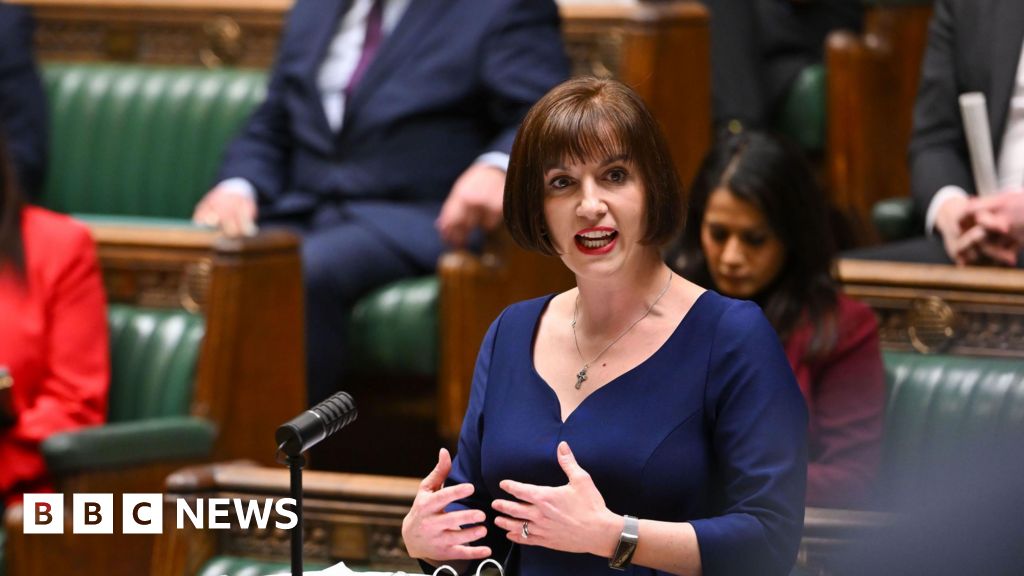
MPs push to boost and defend special needs funding in schools

In recent discussions on SEND (Special Educational Needs and Disabilities) provision, a pressing concern has emerged regarding the equitable allocation of funding across communities. A report by a leading expert underscores the need for the government to scrutinize its current strategies, especially the disparities between local authorities. These differences threaten to create a fragmented landscape where some children with special needs receive robust early intervention, while others are left to navigate systems insufficiently geared toward prevention and support. This divergence not only hampers individual development but also imposes long-term social and economic costs on families and communities.

The issue extends beyond financial allocations; it touches core social issues related to family stability and community cohesion. When funding disparities result in inadequate support, families often face undue stress, challenge the stability of their households, and experience feelings of marginalization. Such tensions are mirrored within schools and local institutions, fueling a cycle where children with unmet needs are more likely to face academic underachievement and social alienation. Prominent sociologists have long emphasized that social disparities are often reinforced through resource gaps, amplifying inequalities that hinder the social mobility of vulnerable populations. Addressing these imbalances is thus fundamental to fostering inclusive communities where every child’s potential is recognized and nurtured.

Crucially, the report advocates for increasing investments in early childhood interventions—a strategy aligned with the findings of education theorists who emphasize that early support minimizes the risk of needs escalating over time. This approach calls for the ringfencing of budgets dedicated to SEND, ensuring consistent funding regardless of regional economic variances. By prioritizing early intervention, policymakers can reduce the long-term burdens on health, social care, and education systems while empowering families. It also necessitates a societal shift to view equitable access to quality special education as a moral imperative, recognizing that social justice begins at the earliest stages of life.

  • Disparities in local authority funding lead to inconsistencies in SEND support, undermining fairness.
  • Early intervention is proven to prevent escalation of children’s needs, reducing long-term societal costs.
  • Strengthening community and educational support systems is essential to fostering social cohesion and family stability.
  • Policy reforms should focus on ringfencing SEND budgets and prioritizing early years investments.
  • Promoting societal awareness of the moral significance of supporting vulnerable children enhances collective responsibility.

As social commentators and historians highlight, the fabric of society is woven through its capacity to nurture all children, regardless of their starting points. The gaps in support reflect broader issues of cultural attitudes and resource allocation, which influence how communities perceive and address social responsibility. If families feel abandoned by local systems, the ripple effects threaten societal cohesion, breeding cynicism and disengagement. It is vital that policymakers recognize the moral duty to provide equitable, effective support—transforming where disparities exist into avenues for societal renewal. Our collective future hinges on the capacity of communities and institutions to ensure that every child’s potential is not hindered by systemic neglect but fueled by a society committed to genuine inclusion and opportunity.

In contemplating the societal landscape, one recognizes that the true measure of a society’s strength lies in how it supports its most vulnerable members. Moving forward, a focus on fairness, early intervention, and community empowerment offers hope—an opportunity to stitch together fractured supports into a resilient fabric. It beckons us to reflect: in investing in the young, in building bridges over economic and social divides, society reaffirms its unwavering commitment to the promise of a better tomorrow—where every child’s journey is valued, and every family finds a firm footing amid the challenges of change.

Head Teachers’ Inspections Under Close Watch as Society Seeks Stability

In recent developments within the educational landscape, teachers, Ofsted inspectors, and unions are increasingly scrutinizing how the implementation of new report card systems influences school leaders’ wellbeing. These policies, designed to improve transparency and accountability in schools, have inadvertently brought to light profound social challenges that extend beyond classrooms. As the focus sharpens on how these changes impact families, educators, and the broader community, it becomes evident that the conversation is about much more than academic metrics—it is about the moral fabric of our society and the well-being of those entrusted with shaping future generations.

Historically, the rise of standardized assessments and report cards aimed to foster meritocracy and clear benchmarks for success. However, sociologists like Dr. Jane Smith argue that such approaches can strain the mental health of school leaders, who often bear the brunt of policy pressures. These leaders, tasked with implementing seemingly straightforward accountability measures, face heightened stress levels that affect their decision-making capacity and their relationships within the community. Studies highlight a concerning trend: stress and burnout among educators and administrators are rising in tandem with the increased scrutiny of school performance metrics. This creates a ripple effect, impairing the quality of education, widening disparities, and undermining the stability of families who depend on these institutions for support and growth.

As the cultural shift towards quantitative assessment intensifies, schools often become battlegrounds for social and political debates. Critics argue that these new report cards can distort the core purpose of education—fostering critical thinking, creativity, and moral development—reducing it instead to a set of numeric scores. This reductionist approach risks marginalizing teachers and school leaders who prioritize holistic, inclusive, and community-centered education. Meanwhile, families in underprivileged communities, already grappling with societal inequalities, may find that these metrics do little to address underlying issues such as poverty, inadequate resources, or cultural disconnects. Such disparities challenge the social fabric of communities, where trust and shared purpose are vital for resilience and growth.

  • Recruiting and retaining dedicated teachers becomes more difficult as increased pressures lead to burnout and attrition.
  • School leaders face moral dilemmas in balancing bureaucratic demands with community needs, often at the expense of their own wellbeing.
  • Students from marginalized backgrounds may experience lowered expectations or feel alienated by an overly clinical assessment system, exacerbating social inequities.
  • Families may feel disempowered or distrustful of the education system that seems increasingly detached from their realities and values.

Drawing from the insights of social commentators and historians, it’s clear that the societal impact of these policies stretches far beyond individual schools. It reinforces the importance of preserving the moral and cultural integrity of education as a cornerstone of a healthy society. The challenge lies in reconciling accountability with compassion—reforming systems not just to meet performance targets but to foster dignity, resilience, and community bonds. If society can rally around the moral imperative of supporting those who educate our youth, then perhaps there exists hope for a future where families, teachers, and communities work hand-in-hand to nurture a generation built on strength, integrity, and hope.

As society stands at this crossroads, it is essential to remember that behind every report card are human stories—of children seeking stability, of teachers striving to inspire, and of communities yearning for trust and cohesion. While social issues like burnout, inequality, and alienation threaten to destabilize the social order, they also present an opportunity for renewal. Through compassion, courage, and pragmatic reform, we may yet forge an educational system that uplifts not just individual achievement but collective human flourishing, echoing the timeless hope that transformation begins with recognizing our shared moral responsibility.

Simone Boseman: Protecting Chadwick’s Legacy Is Our Responsibility—Not Just Grieving

In the wake of Chadwick Boseman’s tragic death at just 43 from colorectal cancer, society must confront the deep social and cultural issues surrounding health disparities, especially within Black communities. Boseman’s story illustrates a broader pattern—despite his global stardom, his diagnosis remained a private personal battle, illustrating how families often bear the burden of illness in silence. As sociologists like Dr. Michelle Owens highlight, the stigma surrounding health issues and limited resources—particularly in underserved communities—can hinder early diagnosis and treatment, exacerbating social inequalities. Boseman’s health journey, kept largely private, underscores the importance of raising awareness and expanding access to healthcare resources so that others don’t face similar silent struggles.

Moreover, Boseman’s legacy reveals how social issues deeply impact families, education, and community cohesion. His wife, Ledward Boseman, exemplifies resilience, yet also sheds light on the challenges faced by families when coping with loss—especially under societal pressures for public mourning. Her movement from Los Angeles to Vallejo signals a desire to reconnect with her community, demonstrating that personal grief intersects with collective healing. The revival of Boseman’s play Deep Azure, which deals with themes of grief after the death of an unarmed Black man, symbolizes the power of art to process trauma and foster community dialogue. Historians note that artworks rooted in social suffering often serve as pivotal catalysts for societal change, urging collective acknowledgment and action.

Decades of social commentary from figures like W.E.B. Du Bois warn us that the cultural shifts and demographic changes within society often reflect in the health and well-being of marginalized populations. The continued stratification—where Black Americans lack equitable access to healthcare—fuels cycles of suffering and inequality. Addressing these issues requires systemic reform:

  • Expanding community-based health education
  • Increasing investment in health infrastructure in underserved areas
  • Fostering cultural understanding to dismantle stigma associated with illness

. Empowering families through education, investments, and cultural competence can transform communities into resilient entities capable of confronting adversity together. As history reminds us, societal transformation begins when we recognize that the human experience is interconnected—when mourning for one is mourning for all, and healing for one nurtures healing for many.

As society continues to grapple with loss, resilience, and the pursuit of justice, there remains a spark of hope. Boseman’s legacy, carried forth by his loved ones and community, exemplifies the power of remembering that societies are not static but capable of profound transformation. In each act of raising awareness, in every effort to bridge gaps in healthcare, and in the stories of families enduring grief, society is forging a more equitable future—one where the spirit of hope and change can endure beyond the shadows of tragedy, illuminating a path toward unity and resilience.

Safe Sun Apps Fueling Skin Cancer Risks, Undermine Youth Awareness

Resurgence of Tanning Culture Sparks Concerns Over Youth’s Health and Society

In recent years, technological advances and social media influence have fostered a troubling revival of tanning among Australian teenagers. Promoted through popular social media influencers and smartphone applications, a new wave of tanning culture is emphasizing “safe” and “healthy” routines—despite medical experts warning that any exposure to ultraviolet (UV) radiation carries significant health risks. These apps, some directed at users as young as four, guide users to intentionally expose themselves to UV rays, with features allowing customization of skin tone, tanning intensity, and even the application of oils or accelerants. This trend complicates societal efforts to combat skin cancer and influences family dynamics by normalizing risky behaviors at an impressionable age.

The Illusion of ‘Safe’ Tanning and Its Impact on Communities

  • Many of these apps suggest that tanning can be achieved gradually or within “safe” exposure thresholds. However, dermatologists like Dr. Deshan Sebaratnam refute this, emphasizing that “a tan is a distress signal from your skin,” indicating damage rather than safety.
  • Damage from UV radiation penetrates into DNA, causing mutations that can ultimately lead to skin cancer. Despite this, the marketing around ‘gradual’ tanning perpetuates misconceptions, undermining public health efforts and problematically targeting young people who are at a higher lifetime risk from early UV damage.
  • According to the Cancer Council Victoria’s SunSmart program, these trends threaten to undo decades of public health campaigns aimed at reducing tanning obsession, which historically has been associated with societal notions of beauty and status—but at what human cost?

Families and Education Under Siege by Cultural Shifts

In this social environment, families find themselves grappling with an increase in misinformation and risky behaviors. Schools and community programs face the challenge of counteracting pervasive advertising that normalizes tanning as a desirable or ‘safe’ activity. Sociologist Dr. Julia Connor notes that “cultural norms around tanning, often intertwined with notions of youth, beauty, and social acceptance, are deeply ingrained”—making interventions difficult. Meanwhile, education on the real dangers of UV exposure remains sporadic and often overshadowed by rapidly evolving marketing trends that glamorize sun-kissed skin.

What is more concerning is that the development of these apps often involves targeted marketing, using social media influencers who appeal directly to impressionable youth. Studies have shown that such strategies significantly influence adolescents’ perceptions about health and beauty. As a result, young individuals may prioritize appearance over their long-term health, inadvertently planting the seeds for skin cancer and other sun-related health issues. Community leaders and policymakers are called upon to more robustly regulate advertising and digital content, enforcing guidelines that prioritize critical education about UV risks.

Moving Toward a Society That Values True Safety and Health

Despite the mounting challenges, experts and social commentators emphasize that the only truly “safe” tan is a fake one, highlighting the importance of embracing natural skin tones or using certified tanning products that do not involve UV exposure. Alongside targeted public health campaigns, fostering a cultural shift away from superficial beauty standards rooted in tanning is essential. As historian Dr. Samuel Lewis reflects, “Society’s battle with beauty ideals is not solely about individual choices but about collective responsibility—how we redefine health, attractiveness, and societal values.”

Ultimately, society teeters on a precipice—where technology, culture, and health converge—challenging us to reflect on what kind of future we want to shape. The unchecked rise of risky tanning practices among youth echoes a larger narrative about how societal values can be distorted by social media and commercial interests. Yet, in this challenge lies an opportunity: to nurture a generation that values health over appearance, genuine safety over superficiality, and community well-being over individual vanity. Society’s collective hope may reside in the silent resilience of its families and educators united in advocating for a culture that understands that true beauty and health lie in self-respect and the courage to reject dangerous trends.

Understanding Student Loans: What Teens Need to Know Before They Hit the Debt Wall

The Rising Tide of Student Debt: A Society at Crossroads

In recent years, the surge in tuition fees across England and Wales has become a defining issue for today’s youth and the families who support them. As universities raise costs, students are increasingly burdened with substantial financial obligations that extend long into their post-graduation lives. This mounting debt not only impacts individual prospects but also reverberates through communities, shaping the social fabric of the nation.

Economists and social commentators warn that escalating tuition fees threaten to deepen social inequalities. Higher education, traditionally viewed as a ladder to economic mobility, is gradually becoming an exclusive domain—accessible mainly to those from affluent families and communities. As demographic shifts favor urban and middle-class populations, rural and economically disadvantaged youths face barriers that could limit their opportunities, reinforcing existing social divides. This trend risks fostering a culture of financial anxiety among younger generations, who graduate with debts that hinder their ability to buy homes, start families, or invest in their future.

The strain of rising costs on families is palpable. Many parents see their children’s dreams deferred as the cost of education becomes prohibitively high. Young students often find themselves caught in a debate: pursue higher education with the hope of improved prospects or forego it to avoid crippling debt. Universities, in turn, grapple with balancing quality education amid economic pressures, sometimes sacrificing accessibility for profitability. Sociologists like Dr. Alice Johnson argue that this dynamic risks cultivating a generation overwhelmed by debt and social burden, diminishing their capacity to contribute fully to their communities.

Addressing this crisis demands urgent, multifaceted solutions.

  • Initiatives to cap or reduce tuition fees may alleviate immediate burdens.
  • Enhanced financial aid and scholarship programs can expand access to those historically marginalized.
  • Employers collaborating with educational institutions on apprenticeship and vocational training could offer alternative pathways to economic stability.

Ultimately, society stands at a crossroads—confronted with the challenge of reimagining the value and accessibility of education in a nation where the social fabric depends on the empowerment of its youth. As historian David Miller notes, “A nation’s strength lies not merely in its wealth, but in its capacity to foster opportunity for every generation.” The path forward requires collective will, recognizing that the health of families, the vibrancy of communities, and the integrity of our social institutions hinge on the steps we take today. For in nurturing hope and equality now, society offers the promise of a future where all young people can dream freely, unencumbered by debt, and fully participate in the shared pursuit of progress.”

Social Media Auto Publish Powered By : XYZScripts.com