Matox News

Truth Over Trends, always!

Why Are Students Claiming COVID Compensation from Universities?

Universities Face Legal Action Over Pandemic-Induced Failures

Across the nation, dozens of universities are confronting legal challenges from students who argue that their institutions failed to fulfill their educational responsibilities during the COVID-19 pandemic. These legal actions highlight a broader societal discussion on the effects of abrupt shifts in higher education on _families_, _communities_, and _the future workforce_. As campuses transitioned to remote learning, many students found themselves disconnected from vital educational resources, mentorship, and social infrastructure—elements that form the backbone of a healthy learning environment.

Legal advocates and student groups claim that these institutions neglected their duty of care and failed to provide equitable access to learning opportunities. For many students, especially those from disadvantaged backgrounds, the pandemic’s disruptions widened the gap in educational equity, impacting not just academic progress, but their overall well-being. The social consequences of these failures resonate beyond campus borders—families face increased uncertainty, and local communities grapple with the long-term repercussions of interrupted education. Sociologist Dr. Lisa Monroe comments that such institutional shortcomings threaten the stability of the social fabric, as the next generation’s preparedness hinges on access and support within these educational institutions.

The Broader Societal Implications of Educational Disruptions

The pandemic exposed underlying vulnerabilities in the American higher education system, questioning whether institutions prioritized bureaucracy over student needs. Many universities were unprepared to shift swiftly to online platforms, leaving students in limbo and often without adequate technological resources. These systemic gaps, according to social historians, mirror longstanding societal inequalities and reinforce existing class divides. As society evolves, the disconnect between policy and the human element underscores the importance of resilient, inclusive educational models. Failure to adapt not only hampers individual futures but also undermines the societal trust essential for community cohesion.

  • Inconsistent access to digital resources has disproportionately affected students from low-income families, exacerbating *educational inequity*.
  • The loss of campus-based support services, such as counseling and mentorship, has heightened mental health challenges among students.
  • Communities reliant on universities for economic stability faced economic downturns as enrollment declined during the pandemic.

Moving Forward: Restoring Trust and Embracing Social Responsibility

Addressing these systemic failures necessitates a multifaceted approach. Critics argue that universities must reevaluate their priorities and implement more inclusive and adaptive strategies to serve their diverse student bodies. Failing to do so risks further alienating vulnerable populations, threatening the societal cohesion that is integral to a thriving democracy. Policymakers and institutional leaders are called upon to ensure that future crises do not repeat the educational shortcomings of the past, emphasizing transparency, technological infrastructure, and equitable access.

Institutional accountability, coupled with renewed community engagement, could foster an environment where education acts as a bridge, not a barrier. As sociologists like Patrick Wilson note, resilient societies are built on the foundations of social justice and support for the most vulnerable. Society must reconsider the role of education—not merely as a path to economic gain but as a moral imperative that safeguards the dignity and potential of every individual. Perhaps, amid the shadows cast by recent failures, there lies an opportunity for renewal—one that places human connection, moral responsibility, and social equity at the heart of educational transformation. In doing so, society might find hope in its capacity to heal, rebuild, and ultimately forge a future where no student is left behind in times of crisis.

Peppa Pig’s hearing loss story could help end society’s stigma on disabilities

Social Dynamics in Education: Embracing Diversity and Inclusion

In recent developments within the realm of special education, the leadership at a school serving the deaf community has emphasized initiatives aimed at fostering greater inclusion and social integration. The head teacher highlighted that certain episodes or activities are designed to help deaf children “not feel so different,” underlining a vital societal shift towards recognizing the importance of empathy, acceptance, and community cohesion. This focus underscores the fundamental understanding that social inclusion within educational settings not only benefits students’ individual development but alsoRipples across families and broader communities, impacting perceptions of diversity.

However, the pursuit of genuine inclusion often exposes the persistent challenges that families and communities face in bridging communication gaps and breaking down societal barriers. Social commentators and sociologists such as Dr. Mariana Ruiz suggest that when schools actively work to diminish feelings of marginalization among students with disabilities, they foster environments where every child can thrive. Nonetheless, such efforts often require significant resource investment, comprehensive training, and cultural sensitivity—elements that are not always adequately addressed. Therefore, the journey towards true inclusion demands a societal commitment to re-evaluate how educational institutions and public services recognize and support the diverse needs of their communities.

Moreover, these initiatives impact not only the students but also ripple into familial structures. The parents of deaf children frequently face social stigmas, misunderstandings, and a lack of adequate support systems. As noted by historian Dr. Robert Clarkson, historical narratives often marginalized deaf culture and undervalued the importance of linguistic and cultural identity. Today, however, a growing recognition of the cultural significance of deafness and sign language is fostering a paradigm shift—one that values differences as strengths rather than deficits. This shift is critical for helping families feel more connected and supported, aspiring towards a society where every family’s story is recognized as an integral thread in the social fabric.

In contemplating these social transformations, it becomes clear that the challenge lies in addressing the structural inequalities and cultural biases that still pervade many aspects of society.

  • Implementing inclusive curricula that validate multiple ways of learning and communicating
  • Training educators to be culturally competent and sensitive to diverse needs
  • Expanding community outreach programs to foster understanding and acceptance
  • Developing policies that ensure equitable access to resources for marginalized groups

These initiatives are essential stepping stones toward creating a society where diversity is celebrated and all children can genuinely feel they belong.

As society continues to grapple with complex issues of identity, communication, and belonging, the enduring question remains: how do we build a collective future where social acceptance replaces exclusion? In the quiet resilience of children learning to navigate their worlds and in the dedicated efforts of educators seeking inclusivity, there lies a spark of hope. Society’s capacity to transform itself—embracing cultural shifts and addressing social tensions—might ultimately forge communities where every voice is heard, and every child’s potential is realized. The dawn of such a future beckons, urging us to reflect on our shared responsibility: to craft a society that values not just tolerance, but genuine understanding and unity.

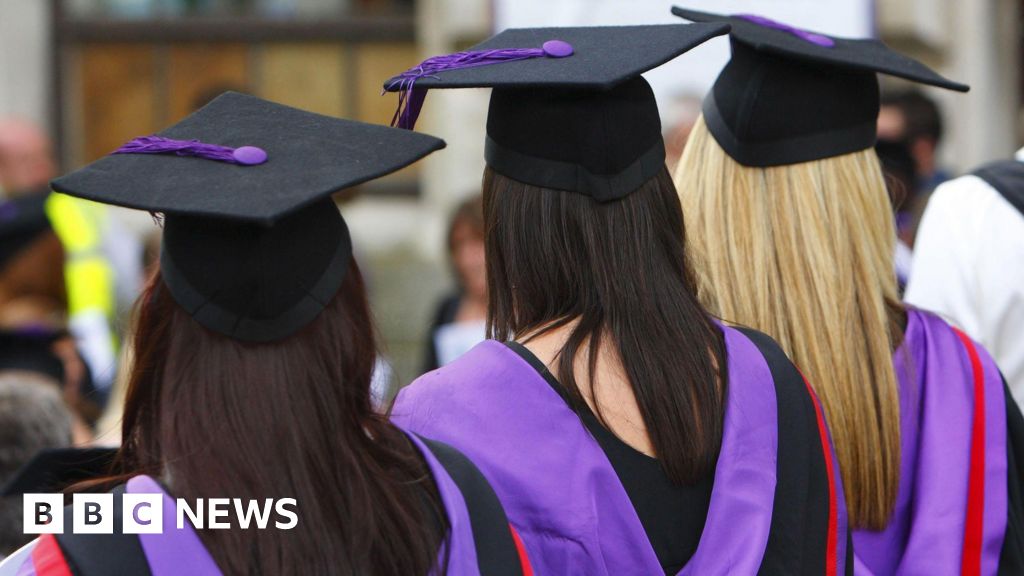
Students file new Covid compensation claim against 36 universities, standing up for fairness in society

University Settles Legal Claim Over Pandemic-Related Learning Loss, Spotlighting Broader Social Challenges

The recent settlement by University College London (UCL) regarding a legal claim filed by students highlights a pressing issue that extends far beyond the academic sphere. During the COVID-19 pandemic, countless students from diverse backgrounds faced substantial disruptions to their learning environment, exposing vulnerabilities within our education system that are now unfolding into wider societal concerns. This case serves as a mirror, reflecting how disrupted educational pathways threaten not only individual futures but also the fabric of our families and communities.

The pandemic-induced interruptions, including remote learning challenges and mental health strains, have demonstrated how fragile the connection between educational institutions and societal stability truly is. For many young people, especially those from underprivileged or marginalized communities, these disruptions translate into lost opportunities, diminished earning potential, and impacts that ripple through families for generations. As historian and social critic Dr. Samuel Becker emphasizes, “education is the backbone of societal resilience; when it falters, entire communities bear the burden.” The legal claim settlement indicates a recognition of these profound impacts and underscores the moral responsibility of institutions to safeguard the rights of students as citizens and future contributors to society.

Social commentators point out that such events catalyze cultural shifts regarding our collective commitment to educational equity. Recent sociological studies expose how demographic disparities in access to quality learning have widened, with disadvantaged families bearing the brunt. These gaps threaten to entrench existing societal divisions, fostering a cycle where families struggle to provide their children with the skills required to succeed in a rapidly changing world. Experts like Dr. Lisa Grant, a sociologist specializing in social mobility, warn that unless systemic reforms are implemented, the pandemic’s legacy may be one of increased stratification rather than opportunity.

  • Addressing the crisis involves investing in technological infrastructure to ensure equitable access to remote learning tools.
  • Enhancing mental health support within educational settings is essential to navigate the ongoing emotional toll.
  • Implementing flexible curriculum models can help accommodate students still recovering from pandemic-related setbacks.

While the moral imperative to protect the educational rights of the youth is clear, societal transformation requires broad engagement from policymakers, educators, and communities. Only through committed effort can we aspire to mend the societal fabric torn by this crisis and foster a culture that values resilience, opportunity, and human dignity. As our society stands at this crossroads, it becomes imperative to reflect on the fragile yet resilient nature of community bonds. There remains hope that, through renewed dedication and innovative reforms, we can shepherd our young generations toward a future where learning loss does not define their potential — a future where society’s collective strength prevails over adversity, and the promise of renewal becomes a shared reality for all.

Dr. Rangan Chatterjee: Ban Social Media Until 18 to Protect Youth Mental Health and Public Wellbeing

The Impact of Digital Distraction: How Screen Time is Reshaping Society and Family Life

In recent years, demographic shifts and cultural transformations driven by technology have profoundly altered the landscape of childhood and adolescence. As sociologists like Neil Howe and William Strauss have noted, these changes are not merely surface-level but threaten to redefine societal fabric itself. Communities across the globe are raising alarms about the unchecked proliferation of screens in children’s lives, highlighting a surge in mental health issues, developmental delays, and social disconnection. This crisis is forcing families, educators, and policymakers to confront an urgent question: At what societal cost are we allowing digital devices to dictate the contours of childhood?

Leading voices, including health experts and social commentators, caution that the widespread adoption of screens has been a public health emergency in disguise. Dr. Rangan Chatterjee, a prominent health advocate with a background rooted in general practice, speaks candidly about his concerns. His experience, from treating adolescents at A&E to questioning the prescription of antidepressants without addressing underlying social factors, exemplifies a broader issue: the failure of current social and educational frameworks to mitigate the harms of technology overload. Chatterjee attributes much of the mental health crisis among youth to the pervasive influence of social media and ‘ed tech,’ which, rather than serving as tools for learning, often become mechanisms of distraction and emotional degradation.

  • Research indicates that every additional hour of screen time increases the risk of myopia in children by 21%
  • Young children exposed to digital content face language delays and sleep disturbances
  • Alarmingly, 10% of nine-year-olds have viewed pornography, often encountering violent material

These challenges, far from isolated, ripple through families and communities, affecting educational outcomes, social skills, and mental resilience. As Dr. Chatterjee emphasizes, the influence of technology is not just a personal matter but a societal one. His advocacy for raising the legal age for social media access to 18 aligns with a growing international wave—Australia has already enacted a social media ban for those under 16, and Spain is considering similar legislation. The fundamental issue, as he notes, is the empire of tech giants whose business models prioritize longer engagement—a paradigm that profits from addiction rather than wellbeing. These platforms shape perceptions and behaviors, often pushing children into a cycle of distraction that diminishes genuine human connection, self-worth, and emotional intelligence.

Despite the societal-scale challenges, a vital thread remains in the fabric of hope: individuals and families committed to healthy change. Dr. Chatterjee’s own family practices intentional guardrails—smartphones are disabled on apps, social media access is restricted, and bedtime routines exclude screens—embodying a moral stance that prioritizes relationships over digital consumption. His narrative resonates with a broader moral imperative: society must recalibrate its approach to childhood, fostering environments where children can thrive emotionally, socially, and physically. As he reflects on his personal journey and his father’s legacy as an NHS doctor facing discrimination, there’s an unmistakable plea for a new societal ethic—one that values presence, connection, and holistic wellbeing above the fleeting promise of screens.

In the end, society stands at a crossroads where the invisible chains of digital distraction threaten to erode the very essence of human experience. Yet, within this challenge lies an opportunity: to consciously rebuild a future where families reclaim time for genuine connection, where education nurtures not just intellect but emotional resilience, and where communities insist on safeguarding the health and happiness of their children. Society’s true strength depends on its ability to see through the seduction of convenience and embrace a moral vision rooted in presence and human dignity. The question remains: Will we choose the ephemeral glow of screens or the enduring light of genuine connection? The choice, quite frankly, is society’s most urgent moral test—and its ultimate legacy.

Jonathan Powell declines bid to step in as Starmer’s chief of staff, signaling shifts in party leadership

Society at a Crossroads: The Impact of Leadership Changes on Communities and Families

In recent weeks, the shifting corridors of power within public institutions and governmental circles reveal more than just political maneuvering; they mirror deep-seated sociocultural tensions and demographic shifts that significantly influence the fabric of families, education, and communities. These changes often ripple outward, shaping societal perceptions of morality, stability, and hope. As figures like Jonathan Powell—a seasoned adviser with a storied career in mediation and diplomacy—consider stepping away from the political spotlight, society faces not just leadership recalibrations but the challenge of maintaining social cohesion amidst turbulence.

Much of the current discourse centers on *power struggles* within the political elite, influencing how societies address issues of trust, national security, and international relations. Historical sociologists such as Seymour Martin Lipset have argued that political leadership plays a pivotal role in shaping societal values, and the recent turnover in advisers echoes a broader concern: when those who guide policy shift frequently, the social contract risks weakening. Families dependent on clear, stable leadership are often left feeling uncertain, especially as the government’s foreign policy decisions—like the controversial appointment of Peter Mandelson as ambassador to Washington—become sources of internal conflict and partisan debate.

Social Tensions: The Consequence of Leadership and Policy Choices

At the core of this upheaval lies the profound impact on community cohesion. The controversies surrounding appointments based on political loyalty rather than diplomatic expertise threaten to erode the trust in institutions that traditionally serve as pillars for societal stability. When high-profile figures like Powell advise against controversial figures—highlighting concerns rooted in ethical considerations and historical mishandlings—and their counsel is ignored, the message to *families and local communities* becomes clear: political expediency often overrides moral prudence. As Hosni Mubarak once observed, “The strength of a nation depends on the integrity of its leadership.” Such moments test the moral fabric of society, questioning whether institutions are truly committed to the human impact over political gain.

Furthermore, these leadership struggles influence the education of the next generation—shaping their understanding of accountability, justice, and societal responsibility. The young, witnessing constant changes at the top without clear ethical direction, may develop a skewed view of leadership as self-interest rather than service. This erosion of moral authority fuels skepticism towards authority figures, undermining the social bonds that hold communities together. Sociologists like Robert Putnam emphasize that social capital—trust and networks—decreases when leadership becomes unpredictable, further weakening societal resilience and the capacity to address pressing issues such as inequality and injustice.

Pathways Toward Social Renewal

  • Restoring trust in institutions: Transparent processes and merit-based appointments can rebuild faith at the community level.
  • Empowering local communities: Giving communities a voice in decision-making fosters shared responsibility and resilience.
  • Strengthening ethical leadership: Encouraging moral integrity and accountability within public service creates a foundation for societal hope.

As the societal landscape continues to evolve, the challenge remains: how can families, schools, and communities forge a collective destiny rooted in values of integrity, stability, and hope? As history whispers the stories of nations that faced darkness but emerged into light through the resilient actions of ordinary people, society must renew its commitment to nurturing leaders who prioritize human dignity above political expedience. The journey toward societal health demands more than policies; it requires a moral revolution—one that recognizes that every social issue, at its core, is a reflection of our shared humanity and the hope that, through collective effort, society can heal, flourish, and redefine its destiny for generations to come.

Keeping phones aside at school, teens find stress drops—time to prioritize focus over distraction.

Smartphone Bans in Schools: A Reflection of Society’s Evolving Nature

The recent decision by Alderbrook School in Solihull to enforce a strict smartphone ban marks a significant development in the ongoing debate about technology’s role within educational settings. While some students have welcomed this change, citing increased focus and better interpersonal interactions, others remain resistant, fearing loss of autonomy and social connectedness. This shift underscores broader societal tensions regarding the influence of digital devices on our youth, families, and communities.

Social commentators and sociologists have long observed that the pervasive presence of smartphones has reshaped social dynamics, especially among minors. Alphonso G. Berger, a noted social psychologist, argues that technology can serve as both a bridge and a barrier—enhancing communication but also fostering dependency and distraction. In schools like Alderbrook, administrators see the immediate benefits of reducing distractions—improving attention spans, fostering better classroom engagement, and creating a safer environment free from cyberbullying. Yet, critics warn that such measures may inadvertently hinder students’ development of digital literacy—an essential skill for their future participation in society.

This conflict directly affects families and local communities. For parents, the smartphone ban may represent a double-edged sword—offering relief from the constant classroom alerts but raising concerns about their children’s ability to regulate digital use outside of school hours. Historical analyses by social historian Dr. Margaret Liu highlight that the rapid technological change within a few decades has outpaced the development of appropriate social and ethical frameworks. The challenge now is to find a balanced approach that promotes responsible digital citizenship without alienating youth from essential social realities.

Furthermore, the debate transcends individual schools and touches on wider policies impacting educational institutions nationwide. As schools grapple with declining attention spans, rising instances of cyber harassment, and issues of digital equity, solutions must be comprehensive.

  • Implementing digital literacy programs that teach responsible device use
  • Encouraging parental involvement and monitoring
  • Establishing clear guidelines that respect student needs while safeguarding educational integrity

In essence, society faces a delicate balancing act: preserving the capacity for authentic human connection amid pervasive digital influences while nurturing the skills needed for responsible participation in a technologically driven future. As Alderbrook School’s move demonstrates, sometimes the most significant societal shifts begin with small acts—an evacuation of distractions, a return to face-to-face conversation, and a collective effort to forge a society that values genuine human bond over transient digital approval. In the quiet moments beyond the classroom walls, society is reminded that the true challenge lies not in banning devices but in cultivating resilient communities—where young individuals learn not just to survive, but to thrive amidst constant change.

National Student Pride Closes After 21 Years of Fighting for Youth Voices

End of a Community Tradition: A Reflection of Broader Social and Cultural Shifts

The announcement that this weekend’s community event will be its last signals more than just the loss of a local tradition. Organizers have cited a significant decline in sponsorship support over recent years, underscoring a troubling trend of diminished communal investment and engagement. Such events, often rooted in shared cultural heritage and local solidarity, serve as vital touchpoints for building social cohesion, nurturing civic pride, and strengthening familial bonds. Their fading points to a society where economic pressures, shifting social priorities, and demographic changes threaten to erode the fabric that binds neighborhoods together.

As sociologists and social commentators have observed, the decline of community-centered initiatives reflects, in part, broader uncertainties and tensions within society. Economic strains have compelled many families and local businesses to prioritize immediate financial survival over participation in cultural or communal endeavors. Historically, institutions such as schools, local councils, and community organizations have played crucial roles in maintaining social stability and transmitting shared values. However, as these institutions face challenges of funding, relevance, and engagement, the social fabric begins to fray, further complicating efforts to foster a sense of belonging among youth and families alike.

How social issues directly impact families, education, and communities becomes evident when local traditions fade. The absence of ongoing communal events deprives younger generations of generational storytelling, cultural inheritance, and opportunities for active civic participation. This vacuum fosters a sense of disconnection, potentially leading to increased social alienation and polarization. Many social analysts argue that without deliberate intervention and innovative approaches, these losses threaten to deepen societal rifts, undermining the foundational values of shared responsibility and community service.

In examining such decline, some sociologists, like Christopher Lasch, emphasize the importance of *cultural resilience*—the capacity of communities to adapt and preserve core values amid change. Historians point to past periods of social upheaval, noting that renewed community engagement often emerges from intentional efforts to reconnect residents through shared projects and local history initiatives. Moving forward, solutions may involve fostering youth involvement, revitalizing local institutions, and encouraging cross-sector collaborations that prioritize cultural preservation and social cohesion. Only through these concerted efforts can communities hope to bridge the gaps caused by economic and demographic shifts, restoring a sense of collective purpose.

As society stands at this crossroads, the fading of this cherished event serves as a somber reminder of the complex social dynamics shaping our world. Yet, it also beckons us to confront these challenges with hope and resilience—recognizing that the strength of a community lies not solely in its traditions, but in its willingness to adapt, rebuild, and forge new paths toward lasting social unity. In the end, these societal upheavals challenge us to reflect on what it truly means to be a community, and whether we are willing to invest our shared hopes for the future into the causes that bind us—before they, too, become memories of what once was.

Remembering John Donnelly: A Legacy in Architecture and Society

In an era marked by rapid urbanization and cultural shifts, the life and work of John Donnelly serve as a poignant reminder of the profound role that dedicated professionals play in shaping our communities and preserving our heritage. A distinguished architect, educator, and conservationist, Donnelly’s contributions extended beyond brick and mortar to the social fabric that binds families and influences the education of future generations. His meticulous approach to design and deep appreciation for human skill exemplify a moral ethic that underscores the importance of integrity and community-centered planning in an increasingly fragmented society.

Throughout his career, Donnelly was deeply involved in projects that directly impact families and local communities. His work ranged from

  • housing schemes in London and Kent
  • waterside redevelopment
  • the sensitive conservation of historic buildings

, all of which have a lasting influence on the social cohesion and economic stability of the areas they serve. Sociologists and urban thinkers emphasize that well-designed spaces foster social interaction, support mental health, and create a sense of belonging — factors that are vital in an age of rising social tensions and demographic upheavals. As Donnelly often collaborated with fellow architects and heritage conservation efforts, his work epitomized a balanced approach that prioritizes community needs, cultural continuity, and environmental resilience.

The importance of such work extends into the realm of education. As a tutor and mentor at various polytechnics and art schools, Donnelly influenced generations of architects who carry forward his values of precision, fairness, and dedication to societal betterment. His teaching emphasized that building for people requires moral responsibility and a nuanced understanding of social issues—something sociologists like Herbert Gans and Leslie White have long highlighted as crucial for fostering healthy urban environments. In a world where social disparities are often reflected in the condition of our built environment, Donnelly’s emphasis on beauty, function, and respect for history underscores the need for future professionals to prioritize community well-being over superficial trends.

The social challenges faced today—ranging from housing crises to cultural identity tensions—demand not only innovative ideas but also a moral compass rooted in respect and fairness. The insights of social commentators reveal that the fabric of society is woven through our shared spaces, stories, and collective memories. Donnelly’s legacy reminds us that cultural preservation and thoughtful urban planning can serve as anchors amidst social upheaval, fostering stability for families and inspiring hope for a more harmonious society. As communities grapple with change, the enduring lesson is that architecture and conservation are not merely technical pursuits but moral acts—acts that redefine how society perceives itself and its future.

Looking forward, society faces the ongoing challenge of reconciling demographic shifts and cultural tensions with a shared commitment to dignity and inclusion. The hope lies in embracing the values exemplified by individuals like Donnelly: a dedication to craftsmanship, fairness, and a love for community. These qualities can serve as a moral compass guiding policymakers, educators, and citizens alike. As the twilight of our societal sunset approaches, perhaps the most vital reflection is this: that through the honest effort to build and preserve with integrity, we can forge a society resilient enough to confront its deepest challenges and compassionate enough to nurture hope for generations to come.

Schools Told: Parents Must Be Involved When Kids Question Their Gender

Recent statements from school leaders have been met with cautious optimism as they welcome the “greater clarity” provided on how to manage contentious issues within educational settings. This development signifies a deliberate shift in how institutions approach topics that often evoke fierce debate among parents, pupils, and community members. The move aims to create safer, more inclusive environments, yet it also underscores enduring social tensions that continue to shape our society’s landscape.

The polarising nature of current social issues—ranging from gender identity and cultural values to moral education—has historically placed educators in the difficult position of balancing educational integrity with societal expectations. Experts like sociologist Dr. Margaret Collins argue that these debates reflect deeper cultural shifts within the fabric of families and communities. As society grapples with an increasingly diverse demographic landscape, the challenge for schools is to serve as mediators—not merely transmitters of knowledge, but as guardians of social cohesion and moral development.

Educational commentators note that such clarity offers a pathway to address conflicting perspectives head-on, fostering an environment where respectful dialogue becomes possible amid disagreement. However, critics warn that this process remains fraught with risk, especially when parents and students feel excluded from decision-making.

  • Reforming curricula to reflect balanced perspectives while respecting individual beliefs is a persistent challenge.
  • Training educators to navigate sensitive issues without bias or alienation remains a priority.
  • Engaging families proactively can help bridge gaps and foster community trust.

At the heart of these developments lies a fundamental question: how can society uphold the values of open dialogue and moral integrity, while also respecting individual differences? From the perspective of social historians, such negotiations are not new but are part of a continuous evolution of societal norms. Sociologists warn that neglecting to confront these issues openly risks further fragmentation, yet rushing reforms without community buy-in may deepen distrust. Therefore, the path forward demands a delicate balance—where schools serve as crucibles of societal resilience and moral clarity.

As communities stand at this crossroads, one can imagine society as an ancient tree, its roots deeply embedded in tradition yet reaching ever outward toward the promise of renewal. The conversation around how to handle social issues within education echoes the broader human struggle—between preserving what has sustained us and daring to transform what no longer serves the common good. Ultimately, society’s true challenge and hope lie in nurturing a new generation capable of navigating complexity with compassion, strength, and a steadfast commitment to unity amid diversity.

Knowsley's Youth Services at Risk: Young People Fight to Keep them Alive
Knowsley’s Youth Services at Risk: Young People Fight to Keep them Alive

Society’s Invisible Crisis: The Battle for Youth in Deprived Communities

In communities like Knowsley, a stark picture emerges of young lives teetering on the edge of societal disintegration. As social commentators and sociologists warn, demographic shifts and economic deprivation have created a generation adrift without the necessary community structures to guide them. The struggles of those like Nathan Orr, a young man whose life was transformed by a local youth center, highlight the importance of accessible, sustained youth services. Yet, the ongoing cutbacks and neglect threaten to undo the fragile safety nets that provide hope and purpose to vulnerable children. This is a social issue that impacts families, school achievement, and overall community stability, demanding immediate attention before it spirals further into chaos.

Research by the Social Investment Business (SIB) and the University of Leeds reveals an alarming reality: Knowsley’s youth work “black holes”. In these areas of severe deprivation, the absence of youth services leaves children exposed to antisocial behaviors and criminal influences. The disruption extends far beyond adolescence—affecting families, limiting access to quality education, and perpetuating cycles of poverty. The borough lacks A-level provision, condemning its students to travel long distances for higher education and stifling local ambitions. With only 23% of students achieving top GCSE grades, the cycle of educational underachievement persists, undermining societal progress and reinforcing social inequalities.

On the ground, dedicated youth workers like Mark Nelson and Dawn Corrie battle to keep centers operational amid dwindling funding. Nelson warns of “being on the edge of collapse”, with the financial support only stretching a few months ahead. Their efforts are vital; as Corrie laments, many clubs have vanished over the years, leaving fewer opportunities for young people to engage in constructive activities. These centers are more than recreational spaces—they serve as essential anchors for discipline, respect, and belonging. For many youths like Nathan, the absence of such outlets would mean a higher likelihood of slipping into antisocial behaviors or worse. The societal toll is profound: families are strained, communities fractured, and generations risk being lost without intervention.

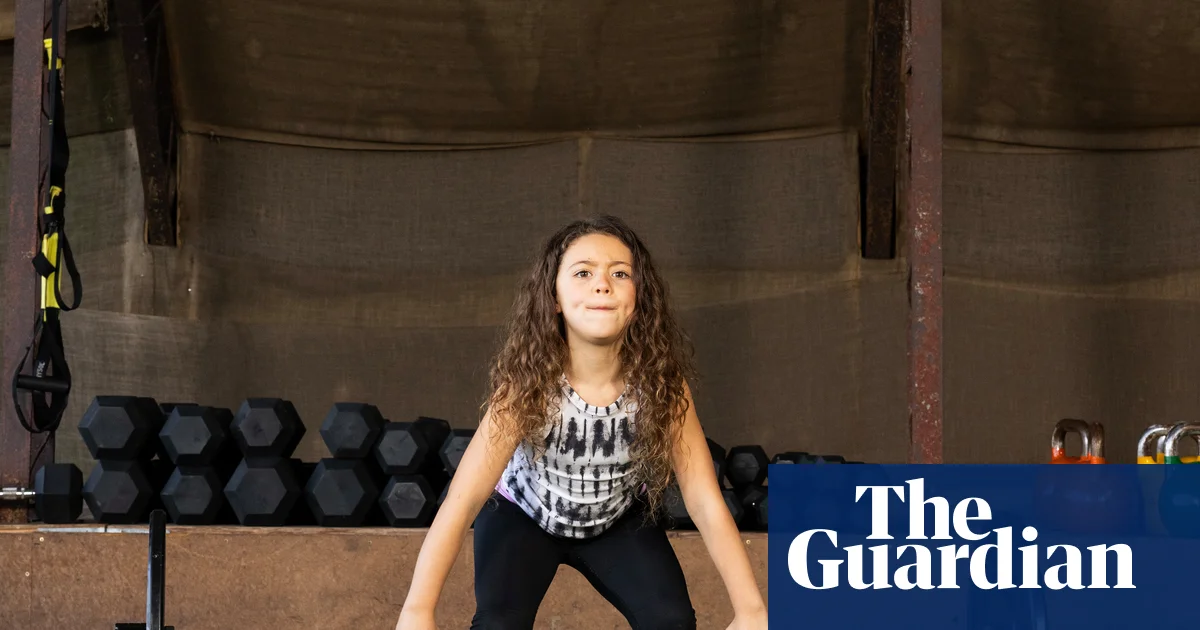
This crisis, while rooted in economic hardship, is fundamentally a moral challenge for society. As social historian Richard Hofstadter noted, societal inequalities foster “a sense of alienation and marginalization,” which can be exploited by negative influences. Yet, the stories of hope—like Nathan’s rise from the streets to become a kickboxing coach—remind us that with sustained investment and moral resolve, communities can be revived. The recent influx of government funding and initiatives to rebuild youth services offer a glimmer of hope. Still, the battle to protect our youth requires ongoing commitment, a recognition that these centers are the backbone of resilient families and strong communities. Society’s future depends on how well we nurture that next generation—by ensuring they have more than just a fighting chance, but the support, stability, and moral guidance needed to forge a brighter tomorrow.

Social Media Auto Publish Powered By : XYZScripts.com