Matox News

Truth Over Trends, always!

Councils warn: Support for special needs in England heading for total collapse

The Crisis in England’s Special Educational Needs System: A Society on the Brink

Across the heart of England’s communities, the story of children with special educational needs and disabilities (SEND) is increasingly one of despair and frustration. As the demand for tailored support skyrockets, a growing chorus of local councils warns that the current education system risks imploding under its own weight. The County Councils Network (CCN) recent findings reveal a financial crisis looming on the horizon, with deficits estimated to reach a staggering £4.4 billion by 2029. Despite this, government reforms have been delayed, leaving families caught in a web of bureaucracy, budget cuts, and social neglect. In communities where families are fighting tooth and nail for essential services, the question remains: who is willing to prioritize the future of our most vulnerable children?

Recent statistics paint a troubling picture: the number of Education, Health, and Care Plans (EHCPs)—which legally entitle children to specialized support—increased by over 10% in just one year, reaching nearly 640,000. This is an indicator of both rising demand for services and a system stretched thin. The escalation is not solely driven by need but also by an over-reliance on costly placements in specialist schools, which now serve an estimated 194,000 pupils—almost double the number from a decade ago. These numbers reveal a societal shift: an acceleration of social exclusion where families are pushed into financial and emotional crises as they struggle to access or even prove the support their children require. Sociologists like Michael Young have long argued that education systems reflect broader social inequalities—today, those inequalities threaten to deepen, casting a shadow over the very foundation of fair opportunity.

The experiences of parents encapsulate these growing struggles. Amanda Quick, whose 12-year-old Ezra has autism and ADHD, describes her battles with local authorities as “a long and exhausting fight.” She admits to the toll it took on her mental health, requiring the assistance of an expensive solicitor simply to secure the bare essentials. Meanwhile, Claire Naylor, owner of a café designed for parents of children with special needs, speaks of the “year-long legal battle” and the financial sacrifices involved. Such stories are emblematic of a wider societal failure: supporting families is no longer a right but a privilege. These individuals are left navigating a system that, in its current state, disproportionately favors those with resources over those with urgent needs. This divide underscores a societal challenge described by social commentators as the erosion of social solidarity, where the community’s moral duty to protect its most vulnerable is compromised by bureaucratic indifference.

Politicians and Social Divides: The Struggle for Reform

Despite widespread concern, the government’s approach to reform is fraught with political tension. The delay in publishing a promised white paper demonstrates a hesitance to confront the core issues: funding shortfalls, legal protections, and systemic inefficiencies. Critics, including Labour MPs and campaigners, warn that watering down legal protections like EHCPs could exacerbate the societal divide, leaving families even more marginalized. The debate extends beyond mere budget figures; it is a question of moral responsibility. If families feel dismissed, and children without legal entitlement risk being excluded from vital support, society’s core is at risk of fracturing further. Experts such as sociologist Richard Sennett have emphasized that societal cohesion depends on equitable access to essential services—without it, social trust erodes, and communities fragment.

As politicians wrestle with limited resources, the policy discourse now increasingly revolves around *earlier intervention, mainstream inclusion,* and *reducing reliance on private placements*. But these aspirations require substantial investment—a challenge in an era of tight public finances. The question remains: will political will translate into meaningful action, or are these promises destined to remain unfulfilled, trapping families in cycles of despair? Society’s moral fabric is being tested, forcing us to ask whether we are prepared to stand by those most in need, or turn a blind eye in our pursuit of fiscal austerity.

In this landscape of hardship and hope, a fleeting realization emerges—that society’s true strength lies in its ability to nurture its most fragile members. The societal challenge is nowhere more evident than in homes like those of Ezra and MJ, where the fight is not just for support, but for the acknowledgment of worth and dignity. As history has shown, meaningful reform begins when communities refuse to accept injustice as inevitable. With concerted effort, genuine investment, and a renewed moral purpose, society can transcend its current crisis. For in the end, it is not merely the support for individual children that defines us, but how we choose to reimagine our collective future—a society where every young life, regardless of circumstance, has the opportunity to flourish amid adversity, illuminating a path back from fragmentation to unity.
Peers push back again to block assisted dying bill—our society’s values at stake

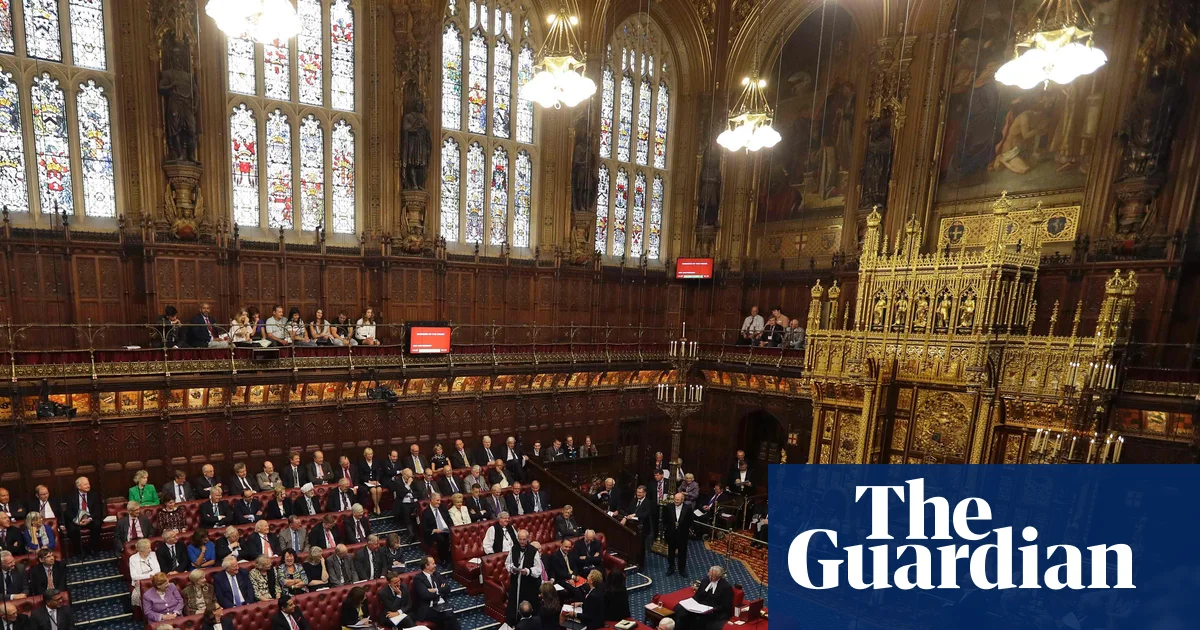
The ongoing legislative debate over assisted dying in the United Kingdom exemplifies the deep societal divisions that influence families, community cohesion, and how we approach aging and end-of-life care. The House of Lords this week is under intense scrutiny as nearly 1,000 amendments are tabled by a select group of peers, mostly opponents of the bill. This maneuver, described as a form of filibuster, underscores a broader societal conflict—one that pits progressive moral frameworks advocating for individual autonomy against traditional caution rooted in protecting vulnerable populations. The opposition reflects core fears that such legislation could erode the moral fabric built around human dignity, especially for families facing difficult choices about loved ones’ final days.

This debate’s ripple effects resonate strongly within families and communities. Critics, including figures like former Paralympian Tanni Grey-Thompson and ex-health secretary Thérèse Coffey, argue that the bill, as currently drafted, contains loopholes endangering vulnerable populations, notably people with disabilities and the elderly. The amendments they have proposed aim to tighten safeguards, emphasizing the moral responsibility to prevent harm and ensure that choices around death are free from coercion or systemic failure. Sociologists such as Dr. Alice Roberts warn that legislation perceived as hastening death can inadvertently stigmatize disability, foster familial guilt, and diminish community trust—factors that threaten the social fabric and the moral underpinnings of care for the most vulnerable. These fears, rooted in genuine concern, highlight the importance of resilient community structures that support families regardless of the legislation’s outcome.

The controversy also reveals the challenge of cultural shifts within our society—a nation grappling with how to reconcile the rapid pace of moral and technological change with age-old values. Supporters of the bill stress that public opinion favors reform, emphasizing that democratic mandates and the will of the electorate should shape the laws that govern our moral choices. Conversely, opponents argue that such societal change requires cautious, deliberate scrutiny. These prolonged debates reflect a societal tension—one that questions whether legislation that touches on mortality should be subject to political expediency or moral prudence. Leaders like he sociologists and historians warn that when policymaking sidesteps careful moral reflection, the fracture lines within society deepen, leaving vulnerable communities even more exposed to harm.

As the legislative process unfolds amidst accusations of partisanship and procedural delays, the enduring question remains: What kind of society do we want to be? One that places faith in the inherent dignity of each person, safeguarding the vulnerable while allowing individual choice? Or one that adheres to caution, prioritizing the collective moral standards that have long defined our social cohesion? Society’s greatest challenge is to forge a path that balances respect for personal agency with the collective responsibility to protect. The journey ahead demands not only legislative wisdom but a deep, moral reflection—on how we treat our families, nurture our communities, and uphold our shared humanity. As history teaches us, society’s true strength lies in its ability to confront difficult truths with compassion and resolve—nurturing hope that even amid divisions, a more equitable and humane future is within reach.

Family Costs Should Stay Under 5% of Monthly Income, Kids Argue for Fairness

Addressing the Rising Cost of School Uniforms: A Step Towards Fairness in Education

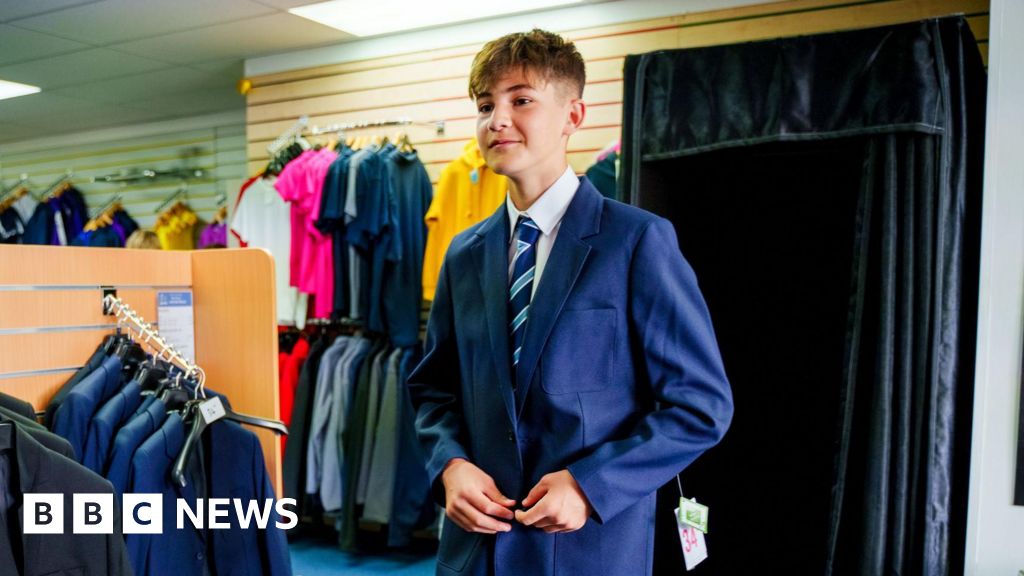
In a society where economic disparities continue to widen, the issue of school uniform affordability has gained essential attention. The Department of Education (DE) has issued new guidelines emphasizing that the cost of school uniforms should not exceed 5% of a family’s monthly income. This move reflects a broader recognition that education should be accessible, not a privilege reserved for the affluent. Despite not setting a strict cap on prices, the guidelines subtly challenge schools to prioritize affordability and fairness, addressing a long-standing concern among families from lower-income communities who often struggle to meet rising school costs.

The new directives urge schools to adopt a common-sense approach, encouraging the use of plain-colored, easily accessible clothing items purchased from supermarkets or high-street retailers. Schools are also discouraged from requiring branded or specialized uniforms, such as branded PE kits, which often impose an additional financial burden on families. Instead, the emphasis is on inclusive policies—such as running or supporting uniform banks and exchanges—to help ease the financial strain. As sociologists like Annette Lareau have documented, access to affordable education resources directly impacts the social mobility of children from disadvantaged communities. Providing affordable uniforms is, in essence, about leveling the playing field, ensuring that no child’s educational experience is marred by their family’s economic status.

However, the challenge extends beyond mere guidance. Schools face accountability measures, with the DE empowered to publicly name institutions found not to comply with these standards. Parents and pupils are encouraged to report schools that use expensive uniform items without justification, with the department required to issue formal directives or even publicly shame non-compliant schools. This process signals a shift from traditional paternalistic policies towards a more community-driven response, emphasizing transparency and accountability. Nonetheless, critics argue that without strict price caps or financial support structures, some schools may still find ways to circumvent these guidelines, perpetuating social inequities. History shows that legislation alone often falls short without broader societal effort, and the true success will lie in community engagement and sustained oversight.

这一系列措施不仅增强了学生的归属感,也对家庭、教育体系和社会和谐产生了深远的影响。当家庭不必为基本教育需求牺牲生计时,儿童更有可能专注于学习,不会因经济压力而被排除在教育之外。学校的行动也直接影响着青春的价值观与社会责任感,鼓励他们在日常生活中实践公平与平等。这种努力的核心,是为了确保未来一代不会被过去的偏见锁链所束缚,但更重要的是,它点燃了社会对真正平等的渴望。

反思这场变革,社会必须认识到挑战与希望同行的复杂性。就像历史上许多社会运动一样,改变不仅需要规则,更需要一种持久的文化转变。在这个过程中,社会的未来可能正等待着那些敢于让公平成为实现教育的常态的年轻心灵。因为在这个斗争中,真正的胜利或许不是制服任何一个制服的价格,而是培养了一代敢于梦想并行动的年轻人,他们相信,一个更公平、更有包容的社会,正在等待着他们去创造。

Nursery faces £10K payout after toddler's first-day injury sparks debate
Nursery faces £10K payout after toddler’s first-day injury sparks debate

Society Confronts Child Safety Concerns and Erosion of Community Trust

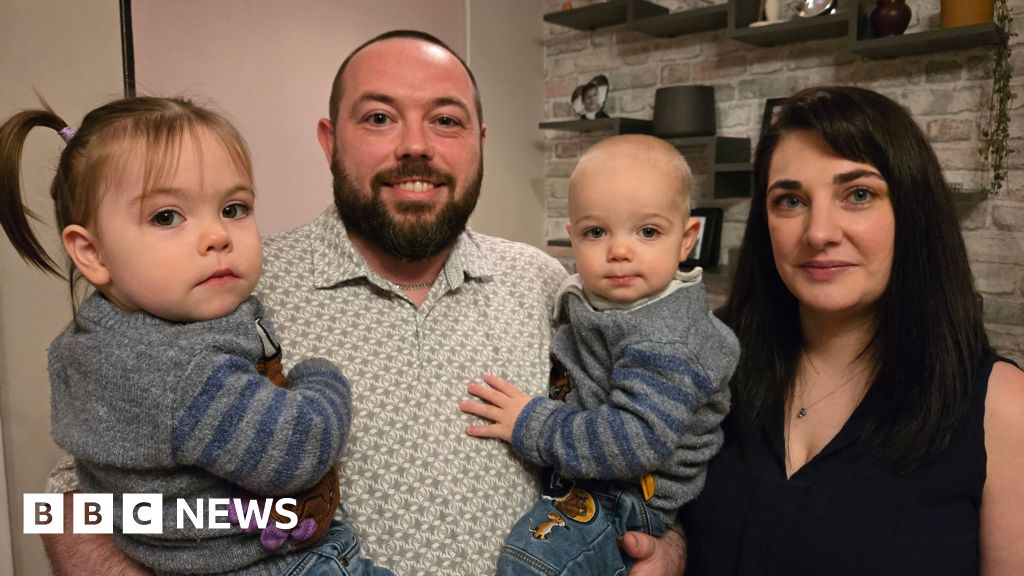
Recent incidents underscore the profound social issues affecting our families and communities. A case from Aberdeen, where a one-year-old girl named Skye Tucker suffered a broken leg on her first day at Little Clouds Nursery, highlights ongoing challenges in safeguarding our most vulnerable. The nursery’s failure to prevent a fall from a changing table, amid reports of inadequate supervision and communication lapses, has sparked nationwide debate on the standards of child care and the societal values we uphold in caring for the next generation. This troubling event is a stark reminder that demographic shifts and cultural attitudes toward childhood safety are shaping the fabric of our society in ways that demand urgent reflection and action.

Historically, social commentators like sociologist Dr. Mary Jackson have stressed that the stability of families and trust in community institutions is foundational for societal health. When institutions like nurseries falter, the ripple effects extend far beyond individual families, impacting local communities and eroding the moral fabric that binds society together. As we navigate rapidly changing demographic landscapes and mounting societal pressures, questions emerge:

  • Are childcare providers maintaining the high standards necessary to ensure children’s safety?
  • Is there sufficient accountability for lapses in supervision?

These issues, while technical at first glance, ultimately target the moral obligation we have to safeguard the innocent and nurture a society where moral responsibility and human dignity take precedence over bureaucratic complacency.

The response from Little Clouds Nursery has included apologies and promises to improve safety through enhanced staff training and revised safety protocols. Yet, the trauma inflicted on Skye and her family lays bare the persistent challenges in enforcing standards. As parents like Kyle and Sheena Tucker articulate, ensuring accountability and transparency is vital for restoring trust and reinforcing the societal commitment to our children’s well-being. Sociologists such as Dr. Laura Chen contend that these incidents reveal a broader cultural need to rethink how society prioritizes childhood safety and community responsibility. The quest for reforms must hinge on fostering a moral culture that recognizes children not merely as statistics but as living spirits entrusted to our care, demanding the highest safeguards.

As society grapples with these issues, a poignant reflection rises: amidst stories of failure and regret, the hope remains that transformation is possible. Society’s challenge lies in cultivating an environment where families, institutions, and communities work in unison to uphold standards that reflect our deepest moral values. In this pursuit, the stories of children like Skye serve as somber yet potent reminders—calling us to renewal and renewed resolve. Perhaps, in facing our failures, society can forge a future where *every child is protected, and faith in our social institutions is restored*, forging a community rooted in moral integrity, compassion, and an unwavering commitment to the generations yet to come.

Global fossil fuel projects endanger health of 2 billion youth—new report exposes the risk

Recent research reveals a sobering reality: a quarter of the world’s population lives within just three miles of active fossil fuel projects. This proximity isn’t just an inconvenient statistic—it’s a looming threat to public health, especially for communities residing near drilling wells, pipelines, and processing plants. According to studies from organizations like Amnesty International, those living closest to these industrial sites face increased risks of cancer, respiratory and heart conditions, premature births, and even death. Yet, what makes this environment even more troubling is the unequal burden carried by marginalized groups, particularly Indigenous communities and low-income families, who often find themselves living in “sacrifice zones”—areas heavily contaminated, with little regard for their safety or rights. This environmental injustice, rooted in systemic inequality, underscores how economic interests often override human dignity and community welfare.

In fact, near half a billion people, including over 124 million children, live within one kilometer of fossil fuel infrastructure. As plans circulate for thousands of new sites, this number could swell, exposing even more to dangerous fumes, oil spills, and ecological devastation. These advancements tend to exacerbate tensions within societies, especially when indigenous land defenders and local fishermen voice their opposition. For instance, Tsakë ze’ Sleydo (Molly Wickham), a Wet’suwet’en land defender in Canada, speaks to a broader story of intergenerational fatigue and resistance. She emphasizes that these communities, which have long been deprived of their rights, are often criminalized when they stand up to protect their territories from destructive infrastructure. Such struggles highlight how social and environmental issues are deeply intertwined, affecting families’ health, cultural heritage, and livelihood.

The global political landscape remains fractured in the face of this crisis. At the 30th annual climate negotiations in Belém, Brazil, world leaders, except for the United States, grapple with the urgent need to end reliance on fossil fuels. Meanwhile, lobbyists for the fossil fuel industry have unprecedented access to global policymaking forums, working tirelessly to block climate action and sustain profits at the expense of the planet. As researchers from the University of Colorado Boulder point out, over a third of oil, coal, and gas sites intersect with critical ecosystems—biodiverse wetlands, forests, and river systems—placing entire natural habitats at risk of collapse. This confluence of corporate greed and systemic neglect underscores a key challenge: how to protect the Earth’s natural inheritance while safeguarding human rights. The humanitarian toll is undeniable; children and vulnerable populations suffer disproportionately, with environmental toxins becoming a national security issue that demands our collective moral responsibility.

As history reminds us, the issues surrounding fossil fuel dependence are embedded in narratives of progress, greed, and systemic injustice. Sociologists like Naomi Klein and environmental historians have long documented how environmental degradation is often a social mirror of inequality. Yet, hope persists in the form of resilience—indigenous leaders, local activists, and youth movements are increasingly demanding the end of an era that has prioritized profits over people. The challenge ahead lies in transforming these social and environmental crises into catalysts for meaningful change—reclaiming land, restoring ecosystems, and asserting rights that have been trampled. Society stands at a crossroads: will we continue to ignore the invisible toll of pollution, or will we, as a community, choose to forge a future rooted in respect, justice, and sustainability? Amidst the shadows of destruction, a quiet promise whispers—that society’s capacity for renewal remains, waiting for the moment we rise to meet the challenge, offering hope that one day, the land and all who live upon it might breathe freely again.

MPs warn: Kids Overwhelmed and Sedated by Algorithm-Driven YouTube Content

In an era dominated by social media giants and algorithm-driven content, the fabric of childhood and community coherence is fraying. Many social commentators and industry veterans have raised alarms about the pervasive influence of platforms like YouTube, which now capture over 60% of under-16 viewing, eclipsing traditional broadcast television. With children’s programming becoming increasingly fragmented and curated by algorithms, concerns grow that today’s youth are deprived of the shared cultural experiences that once unified society. As sociologists warn, this shift threatens to erode the national identity and communal bonds that historically served as the backbone of societal resilience.

The consequences for families and education are profound. Children today are often bombarded with an unending stream of information that lacks the moral and developmental nourishment characteristic of the past. As Frank Cottrell-Boyce, the UK children’s laureate, pointed out during a recent parliamentary hearing, “repetition and slowness—key elements in traditional children’s TV—help build familiarity and navigability in young minds”. Without this, there’s a burgeoning epidemic of anxiety among youth, reflecting societal stress transmitted through digital channels.

  • Increased anxiety levels among children
  • The loss of a shared, national cultural canon
  • Reduced nurturing environments within digital media

These issues threaten to compromise the moral fabric of families, as parents struggle to guide digital consumption amid algorithms designed more for engagement than educational value.

Furthermore, the children’s media industry faces existential challenges. Industry experts like Greg Childs, OBE, have characterized the state of children’s TV as “broken”, with UK production companies struggling to stay afloat. Despite the significant revenue generated by targeted advertising—estimated at £700 million annually—children’s content producers see a drastically reduced share of this pie, receiving 80-90% less revenue than their counterparts. This economic disparity hampers the creation of high-quality, educational programming, and highlights the critical need for government intervention. Child advocates are calling for a renewal of funding mechanisms like the “young audiences fund” to restore and innovate in children’s media, proposing that a streamers’ levy could generate substantial resources. As social commentators have observed, fostering a curated media environment that prioritizes public service content could serve as a vital corrective to algorithmic pitfalls, helping children engage with learning rather than mere entertainment.

Ultimately, the societal challenge lies in balancing technological innovation with moral responsibility. As platforms harness AI to personalize content and parents seek safer digital spaces, the call for collaborative solutions grows urgent. Platforms must step beyond profit motives and partner with educational and cultural institutions, creating a digital landscape where shared values, community identity, and moral nourishment are valued alongside technological progress. In the words of social analyst David Kelleher, society must “transform the digital wilderness into a cultivated garden”—a space where children can grow, learn, and forge their identities grounded in shared history and community. Only by preserving these bonds can society hope to navigate the complexities of digital modernity, ensuring that the next generation inherits not a fractured society, but one united by purpose and hope.

Elite tutor wanted for £180k job to raise a future gentleman—are our kids losing their way?

Society Ignites Debate Over Privilege, Education and Cultural Identity

In modern society, the boundaries of privilege and cultural identity are being reshaped amid ongoing social introspection. Recent trends reveal a growing phenomenon: families across the socio-economic spectrum are increasingly investing in early childhood education—not just through conventional schooling but by actively shaping their children’s cultural and social outlooks from the earliest age. An illustrative example emerges from a controversial advert placed by a north London family, seeking an “extraordinary and experienced tutor” for their one-year-old child—offering a staggering £180,000 per year to nurture traits deemed essential for a ‘British gentleman.’

This move indicates not only a desire to instill specific values and accents from the cradle but also underscores a broader societal obsession with elitism and social stratification. Critics argue that such practices reinforce <an unrecognizable class divide—deepening the rift between those who can afford to buy into ‘Britishness’ and those who cannot. Sociologists like Michael Young have long warned about the dangers of educational privilege solidifying class structures, emphasizing that true societal cohesion relies on creating equal opportunities rather than perpetuating inherited status through material means.

The Cultural Market for ‘Britishness’

The growing demand for what some call a “market for buying Britishness” is reflected not only in private tutoring but also in businesses like Laura Windsor’s Etiquette Academy, which specializes in teaching manners, poise, and social etiquette to an international clientele eager to emulate traditional British refinement. Windsor asserts that the ‘restrained’ nature of British culture and the detailed nuances of politeness are highly desirable traits worldwide—traits she claims are best learned from infancy. However, critics perceive this trend as a superficial and, arguably, contrived effort to manufacture social superiority, raising questions about the sincerity of cultural transformation when it is driven by commerce.

Meanwhile, prominent voices like Peter Cui, a sociologist and former Cambridge student, express skepticism. Cui argues that cultural identity cannot be imposed from the outside—noting that the attempt to transplant characteristics such as ‘Britishness’ onto a child at one year old is both idealistic and unrealistic. Instead, Cui emphasizes that authentic cultural integration comes from lived experiences and personal choice, not engineered environments designed for social aspiration. This perspective echoes the idea that identity, whether cultural or social, should be fluid and self-determined rather than artificially manufactured.

Society Struggling With Its Own Identity

Amid such debates, the current British educational landscape faces profound criticism. Daniel, a parent described in recent reports, criticizes the rigid, exam-focused system, highlighting that institutions like Latymer Upper School favor project-based learning over traditional GCSEs. He advocates for high-caliber private tutors as a superior alternative, suggesting that the quality gap between public and private education is problematic. His remarks symbolize a societal shift towards personalized, bespoke education as a means of circumventing an increasingly dysfunctional system.

However, this obsession with bespoke learning raises concerns about accessibility and fairness. Critics argue that such practices effectively create a new ‘British straitjacket’—a societal cage where privilege determines success while the majority are left behind. The question remains: should society accept this bifurcation, or is there hope for a more inclusive, equitable future where education embodies equal opportunity rather than class reinforcement? History reminds us that societal transformation depends on addressing these underlying inequities rather than merely perpetuating existing advantages.

As society grapples with questions of identity, class, and opportunity, the ultimate challenge becomes clear: can a society built on the ideals of fairness and equality truly thrive if the very roots of social mobility are entangled with privilege? Or will these aspirations become nothing more than illusions, unless society chooses to reimagine its definition of success—one rooted in human potential rather than inherited wealth?

In the end, perhaps the future of society rests not on how early we begin shaping identities, but on whether we can embrace the complexity of human growth, allowing even those born into different circumstances to write their own stories. The hope for transformation lies in recognising that true societal wealth is found not in the privilege of birth, but in the dignity of opportunity and the willingness to foster genuine, inclusive community bonds.

Understanding Ofsted: What the New School Ratings Mean for Our Future Students

Society Challenges and Opportunities Amid Ofsted’s New School Inspection System

In a landscape of escalating societal pressures and shifting educational priorities, the recent overhaul of Ofsted’s school inspection grading system marks a pivotal moment. The Office for Standards in Education, Children’s Services and Skills has transitioned from a simplistic, often polarizing judgment model to a more nuanced, detailed approach. Gone are the days of single-word grades—such as outstanding or inadequate—replaced by a comprehensive report card highlighting multiple areas like curriculum quality, inclusion, student wellbeing, and leadership. This transformation aims to provide parents and communities with a clearer picture of a school’s strengths and weaknesses, theoretically fostering better-informed choices and heightened standards across the board.

However, critics warn that this new system, introduced amid emotional and social turmoil, continues to impose overwhelming pressure in an already strained education sector. The tragic death of Ruth Perry, a headteacher devastated by an adverse Ofsted report, propelled protests demanding change. Her story echoes the experiences of countless educators who feel caught between maintaining high standards and coping with an unforgiving inspection regime. Experts such as sociologist Dr. Emma Williams argue that the relentless focus on inspection outcomes can exacerbate social tensions, especially within vulnerable communities where educational inequality persists. With each inspection day, schools bear the weight of societal expectations, affecting not only teachers’ mental health but also the stability of the families they serve. As the new system introduces localized support teams and more frequent oversight, the fear remains that pressure will deepen rather than diminish, impacting families’ trust in educational institutions and community cohesion.

Furthermore, the controversy extends beyond the classroom. The reforms, while designed to foster fairer and clearer assessments, have prompted legal challenges from teacher unions and community groups who fret that the reforms may lead to premature closures or destabilize already struggling schools. With families in marginalized areas often relying heavily on Ofsted ratings to determine the best educational options, misinterpretations or misjudgments can have profound social consequences. The current debate underscores a broader concern—how do we balance accountability with human compassion in education? While proponents argue a more detailed report system will support targeted improvements, social commentators like historian David Wakefield warn that systemic oversight needs to prioritize the human element—children’s mental health, family stability, and community resilience.

The Road Ahead: Society’s Collective Responsibility

The challenge that remains is how to bridge the gap between high standards and social well-being. Education must serve as a foundation for community strength, not just a metric for bureaucratic evaluation. As society grapples with issues of inequality, mental health, and demographic shifts, the role of schools extends beyond academic achievement. They are the heartbeats of entire communities, shaping not only individual futures but also the ethical fabric of society itself. Sociologists like Anthony Giddens emphasize the importance of ensuring that reforms uphold *human dignity* and foster a sense of communal belonging and purpose.

Ultimately, society stands at a crossroads—whether to continue refining inspection systems that can inadvertently contribute to social fractures or to adopt a holistic approach that recognizes the human stories behind the grades. The hope lies in forging an educational future where standards are not just measures of performance but beacons guiding moral growth and community solidarity. As families, educators, and social leaders reflect on society’s collective journey, one truth remains: transformation is possible when rooted in empathy and shared responsibility. Society’s future depends on nurturing not only capable students but resilient communities where every child’s potential can flourish amid the enduring hope of societal renewal.

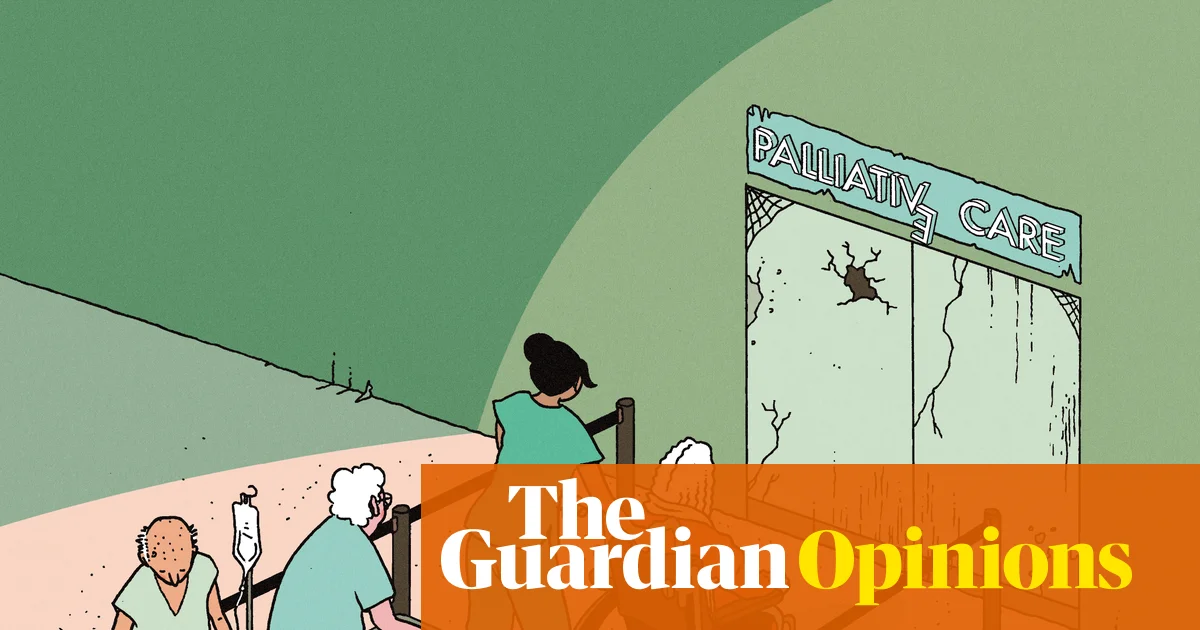
Palliative Care Crisis Reveals Society’s Failure to Protect Our Senior Citizens | Rachel Clarke

Society at a Crossroads: The Silent Crisis in End-of-Life Care

As society progresses, one of its most enduring challenges remains the reality of death—a natural yet often avoided topic that exposes the deep fissures in our social fabric. In Britain today, the state of end-of-life care serves as a stark mirror reflecting how social issues directly threaten families, education, and communities. Despite the nation’s reputation as a caring society, recent reports reveal a distressing decline in the provision of palliative services, exposing vulnerable populations to a grim reality where the quality of care depends heavily on local wealth and charitable goodwill. This systemic neglect not only affects individuals in their final days but also ripples through families, communities, and societal morals, forcing many to confront the uncomfortable truth about how we value human dignity in death.

Historically, death was once a familiar, family-centered affair. During Victorian England, most people died at home, often surrounded by loved ones, with community and familial bonds providing comfort and familiarity. Today, however, less than a third of deaths occur at home, with the majority happening within impersonal hospital or care home settings. The transition from intimate, domestic deaths to highly institutionalized farewells marks a profound cultural shift fueled by economic pressures, institutional constraints, and public discomfort with mortality. Sociologists like Philippe Ariès have pointed out that our societal denial of death results in a paradox: we are reluctant to prepare for or discuss our mortality, yet its inevitability remains a stark and inescapable reality that demands our moral attention and collective responsibility.

The Fundraising Gap: A Society That Outsources Its Humanity

Despite widespread claims of social decency, Britain’s healthcare system increasingly relies on charitable donations to fill gaps that government funding fails to cover. Hospices, which provide critical palliative and end-of-life care, now face a crisis of survival. The latest National Audit Office report reveals that two-thirds of adult hospices in England recorded a deficit in 2023-24, forcing them to slash staff, beds, and community services. This economic squeeze creates a dangerous postcode lottery of care; where you live can determine whether you receive compassionate palliative support or a hurried, institutional farewell. As Sarah Allen, CEO of Arthur Rank Hospice, lamented the closing of nine beds due to funding cuts, it becomes painfully clear that our societal values are at odds with the moral imperative to care for our most vulnerable in their final days.

The Moral Crisis of a Society in Denial

With **demand for palliative services projected to increase by over 25% by 2048**, the current trajectory suggests a society that is unprepared for its own mortality. Political responses tend to be superficial; the recent NHS 10-Year Plan scarcely mentions “palliative care,” signaling a misplaced focus that ignores the growing need. Simultaneously, debates surrounding assisted dying legislation underscore a society grappling with moral dilemmas—should we extend the option of assisted dying when the fundamental care infrastructure is failing? The alarming reality is that hundreds of thousands are unable to access proper pain management or comfort, leaving some to consider suicide as a sad, default solution. The moral failure here lies not only in neglect but in the societal refusal to confront death openly and compassionately, allowing suffering to persist in silence and shadows.

In grappling with these issues, society faces a profound moral question: are we capable of embracing death as a natural part of life, deserving of dignity and care? As social commentators like Robert Putnam suggest, vibrant communities are built on shared values and collective action. If families and communities are to be strengthened, we must challenge the cultural taboo surrounding mortality and foster a renewed ethic of compassion. The final chapter of our societal story is yet unwritten; it is a testament to our moral resolve—whether we will choose to extend our empathy and resources to the most vulnerable at their end, or let them fade silently into the shadows of neglect. Humanity’s greatest hope may lie in our willingness to face death not with fear, but with purpose, kindness, and unyielding dignity.

Gren Gaskell’s Legacy: A Reflection on Society’s Roots

In examining the social fabric of our society, the life story of Gren Gaskell, who recently passed away at the age of 89, exemplifies the profound impact that community, resilience, and personal growth can have on families and social institutions. Born into a working-class coalmining community in Nottinghamshire, Gren’s early life was marked by hardship, with the loss of his father in a pit accident and the struggle to make ends meet during his childhood. His experiences underscore the persistent challenges faced by families in marginalized communities, where economic insecurity and social inequalities often shape life trajectories. Yet, through education and community support, Gren was able to forge a path toward personal achievement and societal contribution.

His journey from miner to company manager illustrates the importance of opportunities for upward mobility, which are often hindered by systemic barriers. Sociologists like Charles Murray and others have highlighted how access to quality education and mentorships can serve as the linchpins for breaking cycles of poverty. Gren’s early encounter with Mrs. Gunn, who introduced him to Shakespeare and encouraged learning, exemplifies how dedicated educators and community figures can foster hope and ambition in disadvantaged youth. Today, the debate over equitable access to education remains a key social issue, directly affecting families and communities striving for a better future.

The social narrative of Gren’s life also speaks to the urgent need for support structures to sustain mental and physical health among aging populations. His later years, marked by engaging in literary pursuits and charitable circles such as the U3A, reflect how lifelong learning and community involvement can enhance well-being. However, the broader societal challenge lies in ensuring adequate healthcare and social services for fragile, older individuals—an issue that disproportionately affects families caring for aging relatives. The struggle faced by many families combating complex health conditions like Lewy body dementia reveals the moral imperative of expanding accessible care and fostering intergenerational solidarity.

Ultimately, Gren Gaskell’s inspiring story challenges us to consider how social institutions can better serve the diverse needs of society. His life demonstrates that resilience, community support, and a commitment to learning foster societal strength. As social commentators remind us, the true measure of cultural progress lies in how we uplift the least privileged among us, ensuring that the pathways to opportunity are open to all. By confronting systemic inequalities and nurturing the human spirit, society can move toward a future where stories like Gren’s are no longer exceptions but the rule—a society where families flourish, education empowers, and communities thrive. The challenge remains, however: will we heed this call for change or be content to watch our social fabric fray? The choice defines not only our present but the inheritance we leave behind for generations to come.

Social Media Auto Publish Powered By : XYZScripts.com