Matox News

Truth Over Trends, always!

MPs warn: Kids Overwhelmed and Sedated by Algorithm-Driven YouTube Content

In an era dominated by social media giants and algorithm-driven content, the fabric of childhood and community coherence is fraying. Many social commentators and industry veterans have raised alarms about the pervasive influence of platforms like YouTube, which now capture over 60% of under-16 viewing, eclipsing traditional broadcast television. With children’s programming becoming increasingly fragmented and curated by algorithms, concerns grow that today’s youth are deprived of the shared cultural experiences that once unified society. As sociologists warn, this shift threatens to erode the national identity and communal bonds that historically served as the backbone of societal resilience.

The consequences for families and education are profound. Children today are often bombarded with an unending stream of information that lacks the moral and developmental nourishment characteristic of the past. As Frank Cottrell-Boyce, the UK children’s laureate, pointed out during a recent parliamentary hearing, “repetition and slowness—key elements in traditional children’s TV—help build familiarity and navigability in young minds”. Without this, there’s a burgeoning epidemic of anxiety among youth, reflecting societal stress transmitted through digital channels.

  • Increased anxiety levels among children
  • The loss of a shared, national cultural canon
  • Reduced nurturing environments within digital media

These issues threaten to compromise the moral fabric of families, as parents struggle to guide digital consumption amid algorithms designed more for engagement than educational value.

Furthermore, the children’s media industry faces existential challenges. Industry experts like Greg Childs, OBE, have characterized the state of children’s TV as “broken”, with UK production companies struggling to stay afloat. Despite the significant revenue generated by targeted advertising—estimated at £700 million annually—children’s content producers see a drastically reduced share of this pie, receiving 80-90% less revenue than their counterparts. This economic disparity hampers the creation of high-quality, educational programming, and highlights the critical need for government intervention. Child advocates are calling for a renewal of funding mechanisms like the “young audiences fund” to restore and innovate in children’s media, proposing that a streamers’ levy could generate substantial resources. As social commentators have observed, fostering a curated media environment that prioritizes public service content could serve as a vital corrective to algorithmic pitfalls, helping children engage with learning rather than mere entertainment.

Ultimately, the societal challenge lies in balancing technological innovation with moral responsibility. As platforms harness AI to personalize content and parents seek safer digital spaces, the call for collaborative solutions grows urgent. Platforms must step beyond profit motives and partner with educational and cultural institutions, creating a digital landscape where shared values, community identity, and moral nourishment are valued alongside technological progress. In the words of social analyst David Kelleher, society must “transform the digital wilderness into a cultivated garden”—a space where children can grow, learn, and forge their identities grounded in shared history and community. Only by preserving these bonds can society hope to navigate the complexities of digital modernity, ensuring that the next generation inherits not a fractured society, but one united by purpose and hope.

Elite tutor wanted for £180k job to raise a future gentleman—are our kids losing their way?

Society Ignites Debate Over Privilege, Education and Cultural Identity

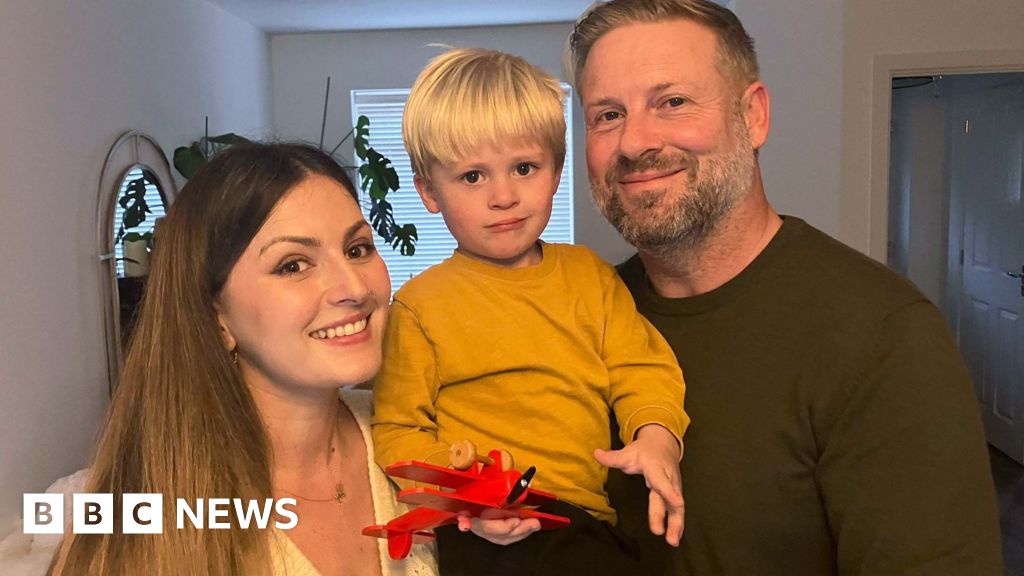
In modern society, the boundaries of privilege and cultural identity are being reshaped amid ongoing social introspection. Recent trends reveal a growing phenomenon: families across the socio-economic spectrum are increasingly investing in early childhood education—not just through conventional schooling but by actively shaping their children’s cultural and social outlooks from the earliest age. An illustrative example emerges from a controversial advert placed by a north London family, seeking an “extraordinary and experienced tutor” for their one-year-old child—offering a staggering £180,000 per year to nurture traits deemed essential for a ‘British gentleman.’

This move indicates not only a desire to instill specific values and accents from the cradle but also underscores a broader societal obsession with elitism and social stratification. Critics argue that such practices reinforce <an unrecognizable class divide—deepening the rift between those who can afford to buy into ‘Britishness’ and those who cannot. Sociologists like Michael Young have long warned about the dangers of educational privilege solidifying class structures, emphasizing that true societal cohesion relies on creating equal opportunities rather than perpetuating inherited status through material means.

The Cultural Market for ‘Britishness’

The growing demand for what some call a “market for buying Britishness” is reflected not only in private tutoring but also in businesses like Laura Windsor’s Etiquette Academy, which specializes in teaching manners, poise, and social etiquette to an international clientele eager to emulate traditional British refinement. Windsor asserts that the ‘restrained’ nature of British culture and the detailed nuances of politeness are highly desirable traits worldwide—traits she claims are best learned from infancy. However, critics perceive this trend as a superficial and, arguably, contrived effort to manufacture social superiority, raising questions about the sincerity of cultural transformation when it is driven by commerce.

Meanwhile, prominent voices like Peter Cui, a sociologist and former Cambridge student, express skepticism. Cui argues that cultural identity cannot be imposed from the outside—noting that the attempt to transplant characteristics such as ‘Britishness’ onto a child at one year old is both idealistic and unrealistic. Instead, Cui emphasizes that authentic cultural integration comes from lived experiences and personal choice, not engineered environments designed for social aspiration. This perspective echoes the idea that identity, whether cultural or social, should be fluid and self-determined rather than artificially manufactured.

Society Struggling With Its Own Identity

Amid such debates, the current British educational landscape faces profound criticism. Daniel, a parent described in recent reports, criticizes the rigid, exam-focused system, highlighting that institutions like Latymer Upper School favor project-based learning over traditional GCSEs. He advocates for high-caliber private tutors as a superior alternative, suggesting that the quality gap between public and private education is problematic. His remarks symbolize a societal shift towards personalized, bespoke education as a means of circumventing an increasingly dysfunctional system.

However, this obsession with bespoke learning raises concerns about accessibility and fairness. Critics argue that such practices effectively create a new ‘British straitjacket’—a societal cage where privilege determines success while the majority are left behind. The question remains: should society accept this bifurcation, or is there hope for a more inclusive, equitable future where education embodies equal opportunity rather than class reinforcement? History reminds us that societal transformation depends on addressing these underlying inequities rather than merely perpetuating existing advantages.

As society grapples with questions of identity, class, and opportunity, the ultimate challenge becomes clear: can a society built on the ideals of fairness and equality truly thrive if the very roots of social mobility are entangled with privilege? Or will these aspirations become nothing more than illusions, unless society chooses to reimagine its definition of success—one rooted in human potential rather than inherited wealth?

In the end, perhaps the future of society rests not on how early we begin shaping identities, but on whether we can embrace the complexity of human growth, allowing even those born into different circumstances to write their own stories. The hope for transformation lies in recognising that true societal wealth is found not in the privilege of birth, but in the dignity of opportunity and the willingness to foster genuine, inclusive community bonds.

Understanding Ofsted: What the New School Ratings Mean for Our Future Students

Society Challenges and Opportunities Amid Ofsted’s New School Inspection System

In a landscape of escalating societal pressures and shifting educational priorities, the recent overhaul of Ofsted’s school inspection grading system marks a pivotal moment. The Office for Standards in Education, Children’s Services and Skills has transitioned from a simplistic, often polarizing judgment model to a more nuanced, detailed approach. Gone are the days of single-word grades—such as outstanding or inadequate—replaced by a comprehensive report card highlighting multiple areas like curriculum quality, inclusion, student wellbeing, and leadership. This transformation aims to provide parents and communities with a clearer picture of a school’s strengths and weaknesses, theoretically fostering better-informed choices and heightened standards across the board.

However, critics warn that this new system, introduced amid emotional and social turmoil, continues to impose overwhelming pressure in an already strained education sector. The tragic death of Ruth Perry, a headteacher devastated by an adverse Ofsted report, propelled protests demanding change. Her story echoes the experiences of countless educators who feel caught between maintaining high standards and coping with an unforgiving inspection regime. Experts such as sociologist Dr. Emma Williams argue that the relentless focus on inspection outcomes can exacerbate social tensions, especially within vulnerable communities where educational inequality persists. With each inspection day, schools bear the weight of societal expectations, affecting not only teachers’ mental health but also the stability of the families they serve. As the new system introduces localized support teams and more frequent oversight, the fear remains that pressure will deepen rather than diminish, impacting families’ trust in educational institutions and community cohesion.

Furthermore, the controversy extends beyond the classroom. The reforms, while designed to foster fairer and clearer assessments, have prompted legal challenges from teacher unions and community groups who fret that the reforms may lead to premature closures or destabilize already struggling schools. With families in marginalized areas often relying heavily on Ofsted ratings to determine the best educational options, misinterpretations or misjudgments can have profound social consequences. The current debate underscores a broader concern—how do we balance accountability with human compassion in education? While proponents argue a more detailed report system will support targeted improvements, social commentators like historian David Wakefield warn that systemic oversight needs to prioritize the human element—children’s mental health, family stability, and community resilience.

The Road Ahead: Society’s Collective Responsibility

The challenge that remains is how to bridge the gap between high standards and social well-being. Education must serve as a foundation for community strength, not just a metric for bureaucratic evaluation. As society grapples with issues of inequality, mental health, and demographic shifts, the role of schools extends beyond academic achievement. They are the heartbeats of entire communities, shaping not only individual futures but also the ethical fabric of society itself. Sociologists like Anthony Giddens emphasize the importance of ensuring that reforms uphold *human dignity* and foster a sense of communal belonging and purpose.

Ultimately, society stands at a crossroads—whether to continue refining inspection systems that can inadvertently contribute to social fractures or to adopt a holistic approach that recognizes the human stories behind the grades. The hope lies in forging an educational future where standards are not just measures of performance but beacons guiding moral growth and community solidarity. As families, educators, and social leaders reflect on society’s collective journey, one truth remains: transformation is possible when rooted in empathy and shared responsibility. Society’s future depends on nurturing not only capable students but resilient communities where every child’s potential can flourish amid the enduring hope of societal renewal.

Palliative Care Crisis Reveals Society’s Failure to Protect Our Senior Citizens | Rachel Clarke

Society at a Crossroads: The Silent Crisis in End-of-Life Care

As society progresses, one of its most enduring challenges remains the reality of death—a natural yet often avoided topic that exposes the deep fissures in our social fabric. In Britain today, the state of end-of-life care serves as a stark mirror reflecting how social issues directly threaten families, education, and communities. Despite the nation’s reputation as a caring society, recent reports reveal a distressing decline in the provision of palliative services, exposing vulnerable populations to a grim reality where the quality of care depends heavily on local wealth and charitable goodwill. This systemic neglect not only affects individuals in their final days but also ripples through families, communities, and societal morals, forcing many to confront the uncomfortable truth about how we value human dignity in death.

Historically, death was once a familiar, family-centered affair. During Victorian England, most people died at home, often surrounded by loved ones, with community and familial bonds providing comfort and familiarity. Today, however, less than a third of deaths occur at home, with the majority happening within impersonal hospital or care home settings. The transition from intimate, domestic deaths to highly institutionalized farewells marks a profound cultural shift fueled by economic pressures, institutional constraints, and public discomfort with mortality. Sociologists like Philippe Ariès have pointed out that our societal denial of death results in a paradox: we are reluctant to prepare for or discuss our mortality, yet its inevitability remains a stark and inescapable reality that demands our moral attention and collective responsibility.

The Fundraising Gap: A Society That Outsources Its Humanity

Despite widespread claims of social decency, Britain’s healthcare system increasingly relies on charitable donations to fill gaps that government funding fails to cover. Hospices, which provide critical palliative and end-of-life care, now face a crisis of survival. The latest National Audit Office report reveals that two-thirds of adult hospices in England recorded a deficit in 2023-24, forcing them to slash staff, beds, and community services. This economic squeeze creates a dangerous postcode lottery of care; where you live can determine whether you receive compassionate palliative support or a hurried, institutional farewell. As Sarah Allen, CEO of Arthur Rank Hospice, lamented the closing of nine beds due to funding cuts, it becomes painfully clear that our societal values are at odds with the moral imperative to care for our most vulnerable in their final days.

The Moral Crisis of a Society in Denial

With **demand for palliative services projected to increase by over 25% by 2048**, the current trajectory suggests a society that is unprepared for its own mortality. Political responses tend to be superficial; the recent NHS 10-Year Plan scarcely mentions “palliative care,” signaling a misplaced focus that ignores the growing need. Simultaneously, debates surrounding assisted dying legislation underscore a society grappling with moral dilemmas—should we extend the option of assisted dying when the fundamental care infrastructure is failing? The alarming reality is that hundreds of thousands are unable to access proper pain management or comfort, leaving some to consider suicide as a sad, default solution. The moral failure here lies not only in neglect but in the societal refusal to confront death openly and compassionately, allowing suffering to persist in silence and shadows.

In grappling with these issues, society faces a profound moral question: are we capable of embracing death as a natural part of life, deserving of dignity and care? As social commentators like Robert Putnam suggest, vibrant communities are built on shared values and collective action. If families and communities are to be strengthened, we must challenge the cultural taboo surrounding mortality and foster a renewed ethic of compassion. The final chapter of our societal story is yet unwritten; it is a testament to our moral resolve—whether we will choose to extend our empathy and resources to the most vulnerable at their end, or let them fade silently into the shadows of neglect. Humanity’s greatest hope may lie in our willingness to face death not with fear, but with purpose, kindness, and unyielding dignity.

Gren Gaskell’s Legacy: A Reflection on Society’s Roots

In examining the social fabric of our society, the life story of Gren Gaskell, who recently passed away at the age of 89, exemplifies the profound impact that community, resilience, and personal growth can have on families and social institutions. Born into a working-class coalmining community in Nottinghamshire, Gren’s early life was marked by hardship, with the loss of his father in a pit accident and the struggle to make ends meet during his childhood. His experiences underscore the persistent challenges faced by families in marginalized communities, where economic insecurity and social inequalities often shape life trajectories. Yet, through education and community support, Gren was able to forge a path toward personal achievement and societal contribution.

His journey from miner to company manager illustrates the importance of opportunities for upward mobility, which are often hindered by systemic barriers. Sociologists like Charles Murray and others have highlighted how access to quality education and mentorships can serve as the linchpins for breaking cycles of poverty. Gren’s early encounter with Mrs. Gunn, who introduced him to Shakespeare and encouraged learning, exemplifies how dedicated educators and community figures can foster hope and ambition in disadvantaged youth. Today, the debate over equitable access to education remains a key social issue, directly affecting families and communities striving for a better future.

The social narrative of Gren’s life also speaks to the urgent need for support structures to sustain mental and physical health among aging populations. His later years, marked by engaging in literary pursuits and charitable circles such as the U3A, reflect how lifelong learning and community involvement can enhance well-being. However, the broader societal challenge lies in ensuring adequate healthcare and social services for fragile, older individuals—an issue that disproportionately affects families caring for aging relatives. The struggle faced by many families combating complex health conditions like Lewy body dementia reveals the moral imperative of expanding accessible care and fostering intergenerational solidarity.

Ultimately, Gren Gaskell’s inspiring story challenges us to consider how social institutions can better serve the diverse needs of society. His life demonstrates that resilience, community support, and a commitment to learning foster societal strength. As social commentators remind us, the true measure of cultural progress lies in how we uplift the least privileged among us, ensuring that the pathways to opportunity are open to all. By confronting systemic inequalities and nurturing the human spirit, society can move toward a future where stories like Gren’s are no longer exceptions but the rule—a society where families flourish, education empowers, and communities thrive. The challenge remains, however: will we heed this call for change or be content to watch our social fabric fray? The choice defines not only our present but the inheritance we leave behind for generations to come.

Weymouth eyes new dental university to boost local society and youth opportunities

Across the picturesque coastlines of Weymouth, a silent transformation is underway—an effort to redefine the very fabric of community life through ambitious development projects. While these initiatives aim to rejuvenate the town as a thriving coastal destination, they also reflect deeper social dynamics impacting families, education, and social cohesion. The proposed establishment of a new Allied Health Professional University, with a focus on dentistry, symbolizes a forward-looking strategy to retain local talent and create economic opportunities. Yet, beneath the glossy surface of regeneration lies a sobering reality: many communities struggling with social disparities and the erosion of traditional social bonds, which threaten the moral fabric of society itself.

The development plans, in collaboration with Health Sciences University (HSU) and local NHS partners, represent a beacon of hope for the younger generations. As sociologist Dr. Emily Carter points out, such initiatives can serve as catalysts for empowering youth, fostering local leadership, and boosting community resilience. Nevertheless, it is essential to recognize that social issues affecting families—such as economic instability, housing shortages, and accessibility to quality healthcare—often hinder the realization of these aspirations. The social tensions brewed from inequality can deepen divides, making it harder for communities to thrive collectively. The challenge remains: how to balance economic growth with social justice, ensuring that progress lifts all, rather than leaving the most vulnerable behind.

As policymakers and town planners look to boost Weymouth’s economy through projects like a hotel-led development on the Weymouth Peninsula and the creation of new homes and commercial spaces, they must also confront the social tensions brewing within the town’s social fabric. The proposed cultural hub, centered around The Rectory on St Thomas Street, aims to encourage community engagement and cultural expression. Yet, social commentators warn that without intentional efforts to bridge the gaps in education, healthcare, and housing, such projects risk becoming symbols of exclusivity rather than inclusion. Education expert Dr. Marcus Liu emphasizes that equitable access to quality education and social services is vital to fostering a society rooted in shared values and collective human dignity.

Ultimately, Weymouth’s story echoes the broader societal narrative—one where hope and hardship intertwine. The path toward a society where families can flourish, communities can unite, and youth can dream without barriers is fraught with challenges. Yet, it is a path worth pursuing. For within the quiet resilience of towns like Weymouth lies the potential for society’s transformation—an enduring reminder that the true wealth of a community resides in its social bonds, moral integrity, and the courage to confront its struggles head-on. As history reminds us, societal progress is rarely without sacrifice, but it is in those moments of collective effort that society finds its truest hope, and perhaps, its greatest renewal.

Wellingborough teacher loses license after reckless drinking and driving incident at school gates

Community Trust and the Fragility of Education Governance

Recent incidents at schools across communities reveal unsettling breaches of trust that threaten the integrity of our education system. Particularly, the case of Michelle Stant, a former teacher at Friars Academy, underscores how social issues such as substance abuse and misconduct can have devastating repercussions, not only for the individual involved but also for the families and students who rely on a safe, disciplined learning environment. The misconduct panel’s decision to impose an indefinite ban on Ms. Stant’s teaching license highlights the grave consequences that failure of moral judgment can inflict upon the fabric of our schools.

The ripple effects on families and the broader society

Recognized social theorists like Charles Murray have long emphasized the importance of stable social institutions—particularly families and schools—in shaping responsible citizens. When educators, entrusted with nurturing future generations, fall into misconduct, the societal fabric frays. The case of Ms. Stant, who acknowledged drinking on the job and even drove her vehicle into school property, illuminates how individual moral lapses can undermine the trust necessary for effective community functioning. Families are directly affected as their children’s safety becomes compromised, and the ripple effect can lead to increased societal disillusionment and a decline in communal cohesion.

Challenges and pathways toward accountability and renewal

  • Strengthening teacher support systems to detect burnout and mental health issues before misconduct occurs.
  • Implementing robust oversight procedures, including random alcohol testing and reflective assessments.
  • Fostering a culture of accountability within school institutions, supported by community engagement.
  • Encouraging moral and ethical training that emphasizes values-based education as a core element of professional development.

Academic voices like Dr. Christopher Lasch warn that societal decline often begins with the erosion of moral standards within key institutions. As the education sector faces these crises, the question remains: How can schools rebuild trust when trust has been eroded? The answer lies in comprehensive reforms that prioritize ethical integrity, community involvement, and transparent accountability. While social tensions persist, history teaches that such crises also offer opportunities for renewal and societal growth. Educators and communities must stay vigilant, embracing the challenge of restoring dignity to our schools, so that the next generation can learn not only from textbooks but also from the moral courage of their teachers.

A society’s hope lies beyond the horizon

As society navigates this complex landscape of moral lapses and social tensions, it is imperative to remember that the societal fabric is woven from the threads of individual virtue and collective responsibility. Addressing the challenges revealed by incidents such as Ms. Stant’s requires more than punitive measures; it demands a renewed grasp of shared values, moral renewal, and societal commitment to building resilient communities. Only then can we hope that our institutions—especially those tasked with shaping the minds and morals of future generations—will once again serve as bastions of integrity and hope.

Bristol Schools Disrupted as Support Staff Strike Over Pay—Youth Voice in Crisis

How Economic Disputes and Social Tensions Shape Families, Education, and Communities

In recent weeks, a wave of social unrest has swept through the educational landscape of Bristol and North Somerset, exposing a broader societal challenge rooted in systemic issues of inequality, fairness, and respect. Support staff at a dozen schools managed by the Cathedral Schools Trust initiated a two-day strike, highlighting a crisis that transcends individual workplaces and touches the very fabric of community stability. This protest was triggered by delayed pay raises—delays amounting to five months of withholding payments—and has left many employees, including teaching assistants, administrators, librarians, and caretakers, feeling *unvalued* and *disrespected*. The ripple effects of such disputes threaten not only the livelihood of individual families but also the quality of education and the cohesion of local communities, intensifying social tensions often ignored in broader policy debates.

According to social commentators and historians like Professor Margaret Mead, who emphasized the importance of social cohesion for societal health, disruptions like these illuminate the fragility of our social institutions. Families reliant on predictable income find themselves in stressful financial situations, with some losing hundreds of pounds annually, as vividly expressed by Steve Brice, a dedicated teaching assistant. He revealed that delays in pay have forced him into financial hardship, affecting his entire household. This scenario underscores an ongoing challenge: *when social actors are mistreated or neglected—particularly those in essential roles—families are destabilized, and the cycle of hardship and social discontent persists.* The values of *fairness* and *respect* are central to maintaining social harmony, yet too often, these principles are sacrificed in bureaucratic or institutional neglect, fueling social division rather than unity.

Educational institutions serve as the backbone of community development, shaping the moral and intellectual fabric of future generations. When support staff, who are critical to the day-to-day functioning of schools, feel *undervalued*, the entire learning environment suffers. Sheila Caffrey, a representative from the National Education Union, stressed that many staff members feel they are *not being adequately valued* by their employers—a sentiment echoed across various sectors in society. Such discontent can ripple through schools, disrupting learning and straining relationships between educators, students, and families. More disturbingly, the social tensions generated by these disputes threaten to erode the respect and trust necessary for a thriving, inclusive society. As sociologist Pierre Bourdieu pointed out, these conflicts are not merely about money but about *recognition* and *dignity*, those intangible social currencies that hold communities together or tear them apart.

Despite efforts by the trust to negotiate, the ongoing conflict reveals a critical truth: social issues today are interconnected with mental health, economic stability, and moral integrity. The response to this crisis must be multifaceted. Solutions should include transparent dialogue, fair compensation packages, and structural reforms that prioritize human dignity over bureaucratic expediency. Only then can we hope to rebuild the trust that sustains communities and sustains families. As social commentators warn, neglecting these issues risks not only a breakdown in societal cohesion but also a decline in the moral fabric that binds us. Yet, amid these struggles, there remains a quiet hope—a belief that societies are capable of transformation when rooted in fairness and respect. Indeed, the unfolding story of these support staff and their fight for justice echoes a broader call for societal renewal—reminding us all that the strength of a society is measured by how it treats its most vulnerable, and how it rises together in the face of adversity.

Lenzie School Fire: Serious Risk to Students’ Safety, Report Warns

The state of student safety and school infrastructure continues to be a pressing societal concern, especially as recent reports reveal alarming deficiencies within Lenzie Academy, a prominent secondary school serving over 1,300 pupils in East Dunbartonshire. An independent fire risk assessment, conducted by the council’s fire safety team, uncovered a series of dangerous conditions that not only threaten the physical safety of students and staff but also highlight broader issues of underinvestment, neglect, and systemic failure in local education infrastructure. These findings concern the community at large, shedding light on the direct impact social issues have on families, educational equality, and community resilience.

Among the most critical issues identified in the report are fire safety hazards—notably, fire exits that are not immediately operable, fire doors with damaged self-closers, and missing or broken glass panes. Such deficiencies reflect more than technical oversights; they embody a perceived prioritization of administrative neglect that jeopardizes lives during emergencies. The report’s 25 recommendations, including upgrading fire doors to ensure at least 30 minutes of fire resistance and properly storing combustible materials, underscore the urgency with which these risks need to be addressed. Sociologists like Dr. Lisa Miller argue that inadequate safety measures in schools directly undermine the moral fabric of our society by signaling a disregard for the safety of future generations, eroding trust in our public institutions.

This situation is compounded by the decades of underinvestment and systemic neglect pointed out by parents and teachers alike. A parent, speaking anonymously, accused local authorities of ‘years of neglect and underinvestment,’ emphasizing that Lenzie Academy has been left in a state of disrepair while other schools have received rebuilding efforts. Teachers’ union representatives describe conditions within the school as dangerous and unacceptable, citing not only fire hazards but also water leaks, missing ceiling tiles, and poor building security. This entrenched neglect reveals the societal challenge of ensuring equitable investment in educational infrastructure — a fundamental responsibility that affects families’ access to safe, quality education and the community’s sense of social cohesion.

While officials from East Dunbartonshire Council assert that safety remains a priority and that immediate remedial actions are underway, critics contend that these measures are merely reactive rather than systemic. The challenge remains: how can local governments foster a culture of proactive maintenance and accountability when budget constraints and bureaucratic inertia hinder progress? Social commentators warn that such neglect fosters distrust and disengagement among youth, threatening societal cohesion over time. However, there remains hope. By prioritizing community involvement, transparent accountability, and targeted funding, it is possible to turn these failing infrastructures into symbols of resilience and hope. As the social fabric is woven through each brick and beam we invest in, society’s true strength will be measured in how we repair what is broken and nurture what is fragile. Society’s challenge—and its potential—is etched into the walls of Lenzie Academy; the question now is whether we will choose to rebuild with purpose, ensuring that no child’s safety is compromised in the pursuit of austerity.

University of Nottingham pulls back on music and modern languages courses, impacting students’ futures

University of Nottingham’s Program Cuts Reflect Broader Social and Economic Strains

The recent decision by The University of Nottingham to suspend all modern language and music courses for incoming students signals more than an academic restructuring; it is emblematic of the deeper social, economic, and cultural challenges facing contemporary society. As universities grapple with falling revenue and shifting priorities, they are increasingly prioritizing short-term financial stability over the broader educational mission to cultivate well-rounded, culturally literate citizens. The suspension of these courses, which traditionally foster global awareness and cross-cultural communication, risks further entrenching demographic divides and narrowing the horizons of future generations.

At the heart of this debate lies a troubling trend: a societal move away from the values of cultural exchange and linguistic diversity. Sociologist Dr. Thomas F. Pettigrew has long argued that language is intertwined with identity and social cohesion. When educational institutions curtail these fields, they inadvertently diminish the cultural richness necessary for a vibrant, inclusive society. The potential loss of programs dedicated to languages and the arts not only affects students’ ability to engage in a globalized world but also effectively signals to families and communities that cultural literacy is secondary to economic expediency, thus widening existing social inequalities.

  • Institutions face financial pressures leading to the suspension of courses seen as less profitable.
  • Trade-offs are made that threaten the developmental foundations of student cultural competence.
  • The reduction in programs undercuts societal efforts to cultivate intercultural understanding.

Furthermore, The impact extends deeply into families and local communities. When educational opportunities shrink, especially in subject areas fundamental to societal cohesion, entire communities can experience a loss of cultural vitality. The university’s move to prioritize revenue at the expense of diverse academic offerings underscores a broader societal crisis—namely, the erosion of shared cultural values and the marginalization of less commercially lucrative disciplines. History reminds us that nations built on a rich tapestry of languages, arts, and cultural exchange tend to be more resilient. By undermining these disciplines, society risks impoverishing both current and future generations.

Despite these challenges, there remains a hope for societal renewal. Leaders, educators, and communities must rally to prioritize education as a tool for social cohesion, not merely economic transaction. As social commentator Dr. Jordan Peterson emphasizes, fostering individual responsibility and cultural literacy is vital to restoring societal integrity. The fight to preserve these essential programs is not merely about academic interests but about safeguarding the moral and human fabric that connects us all. Society’s greatest strength lies in its ability to adapt while holding onto core values—a hope that, in the face of economic hardship, can inspire a transformative journey toward a more inclusive, culturally rich future.

In this era of rapid change and economic uncertainty, the question remains: Will society choose the path of cultural preservation and renewal, or fade into the shadows of cynicism and division? The challenge before us is clear—our response will shape not only the future of education but the soul of society itself, as each generation inherits the moral weight of what we uphold and what we relinquish.

Social Media Auto Publish Powered By : XYZScripts.com