Matox News

Truth Over Trends, always!

Head teachers to be consulted on strike threat over Ofsted reforms

The Rising Tensions Behind England’s New School Inspection System

In a landscape where cultural shifts in education and societal pressures collide, the recent decision by Ofsted to implement a new, color-coded inspection framework has ignited fierce debates among educators, parents, and social commentators. The restructure aims to bring a more nuanced assessment of school environments, broadening the scope beyond traditional academic metrics to include areas such as wellbeing, inclusion, and safeguarding. Yet, beneath the surface of these well-intentioned reforms lies a complex web of social tensions that threaten to undermine the very fabric of our communities and the stability of families across the nation.

Critics, notably the National Association of Head Teachers (NAHT), have voiced concerns that this overhaul might inadvertently harm the mental health of school leaders and staff. Their challenge culminated in a legal battle that was recently dismissed, yet the underlying issues remain unresolved. The union argued that the new grading system, which categorizes schools into five distinct levels—urgent improvement, needs attention, expected standard, strong standard, and exceptional—could foster undue pressure and distort the true quality of education. It’s a debate that cuts deep into how society perceives educational success and whether the current focus on graded judgments aligns with the humanistic values that should underpin our approach to social development and community cohesion.

Adding to the controversy, the tragic case of Ruth Perry—a head teacher whose death was linked to the stresses induced by Ofsted’s inspection process—has cast a long shadow over the reforms. An inquest revealed that the inspection contributed to her untimely death, sparking widespread outrage and calls for re-evaluation of inspection practices. This stark reminder underscores how social issues in education extend beyond students; they profoundly impact families, community stability, and the moral fabric of our society. While Ofsted insists that wellbeing remains a priority and that their new framework seeks fairness and transparency, many voice concerns that the systemic pressure to meet certain standards risks reducing education to a series of numbers and grades, often at the expense of human dignity and mental health.

Historically, educational sociologists like Pierre Bourdieu have warned against the ossification of social hierarchies through metrics and judgments that fail to account for cultural and socio-economic contexts. As societal divisions deepen, so too does the risk of reinforcing demographic disparities within schools, which serve as microcosms of larger societal tensions. The fight over inspection standards exemplifies this struggle—balancing the need for accountability with the imperative to nurture inclusive, resilient communities. Moving forward, the challenge lies in developing a system that recognizes the multifaceted nature of education, one that safeguards not only students’ achievements but also their wellbeing, and by extension, the moral strength of their families and communities.

Ultimately, society stands at a crossroads where the priorities we choose today will determine the moral and cultural integrity of future generations. As the echoes of past social upheavals remind us, the true strength of a nation lies in its capacity to nurture holistic human development. As we grapple with these reforms, the enduring hope is that society will not lose sight of its core moral obligation: to foster communities where families can thrive, educators can find purpose, and each child can grow not just in knowledge but in resilience, compassion, and hope. The path forward is not predetermined; it is one we must continually forge with courage, clarity, and an unwavering commitment to the moral fabric that binds us all.”


Reform Council Pushes for Flag Removal to Brighten Up Christmas Lights in Kent

Controversy Over Flags and Christmas Lights in Harrietsham

Flags vs. Festive Cheer: The Cultural Clash in Harrietsham

The recent decision by Kent county council to mandate the removal of union and St George’s flags from streetlights before the village can proceed with its traditional Christmas decorations has sparked a fierce debate that reflects broader societal tensions. This incident, deemed “beyond ironic” by local leaders, underscores how cultural symbols and identity politics increasingly influence community life and social cohesion. As the council’s safety concerns dominate discussions, the decision highlights an underlying struggle over the societal role of national symbols amid a rapidly changing demographic landscape.

The controversy centers on the flags, which are often associated with national pride and patriotic expression. While the county council asserts that safety during light installation is paramount, critics argue that the decision is emblematic of a broader trend of government intervention in cultural expression. For many families and communities, such symbols are part of their identity, deeply intertwined with their history and sense of belonging. The actions of the council have ignited concerns among residents and local groups who see this as an erosion of freedom to display their heritage. Notably, the parish council emphasizes that the flags, which were put up without formal permission, do not belong to the council property and therefore cannot be removed without owner consent—highlighting issues of property rights, local autonomy, and the cultural significance of public symbols.

This conflict has implications beyond mere symbolism; it affects the social fabric of communities and the everyday experiences of families. When local authorities restrict expressions that unite or represent a community’s history, it can lead to alienation and social fragmentation. Sociologists like Dr. Lisa Greenfield warn that such restrictions risk marginalizing conservative and patriotic elements, which are vital voices in the ongoing conversation about national identity. The debate reveals a cultural shift where traditional symbols are being scrutinized under the guise of safety or political correctness, often at the expense of community cohesion and shared celebration. Furthermore, the controversy illustrates how social tensions around identity, patriotism, and multiculturalism influence local governance and public spaces.

Supporters of the council’s stance argue that safety remains the highest priority in public planning, emphasizing that flags can obstruct visibility or interfere with installation safety. Peter Osborne, Kent council’s cabinet member for highways and transport, asserts that the removal process can be done efficiently by contractors without significant costs. Yet, critics like Stuart Jeffrey, a Green councillor and leader of Maidstone borough council, suggest that the broader issue is symbolic — that the flags represent more than just personal or local pride, but the tensions between local tradition and the push for a homogenized national identity. They contend that “the flags serve as a reminder of the community’s history, and their removal signifies a form of cultural suppression.”

Ultimately, this conflict resonates as a microcosm of society’s ongoing struggle to balance tradition with progress. It raises essential questions about how communities can preserve their heritage and identity in an increasingly diverse society, without compromising safety or the rule of law. As we move forward, the challenge lies not only in resolving disagreements over symbols and regulations but in fostering a society where families, educators, and communities can find common ground amid the inevitable changes shaping modern Britain. Reflecting on this, one can hope that society’s greatest strength remains its capacity to adapt, unite, and honor its roots—transforming division into dialogue, and symbols of division into symbols of collective hope for a more inclusive future.

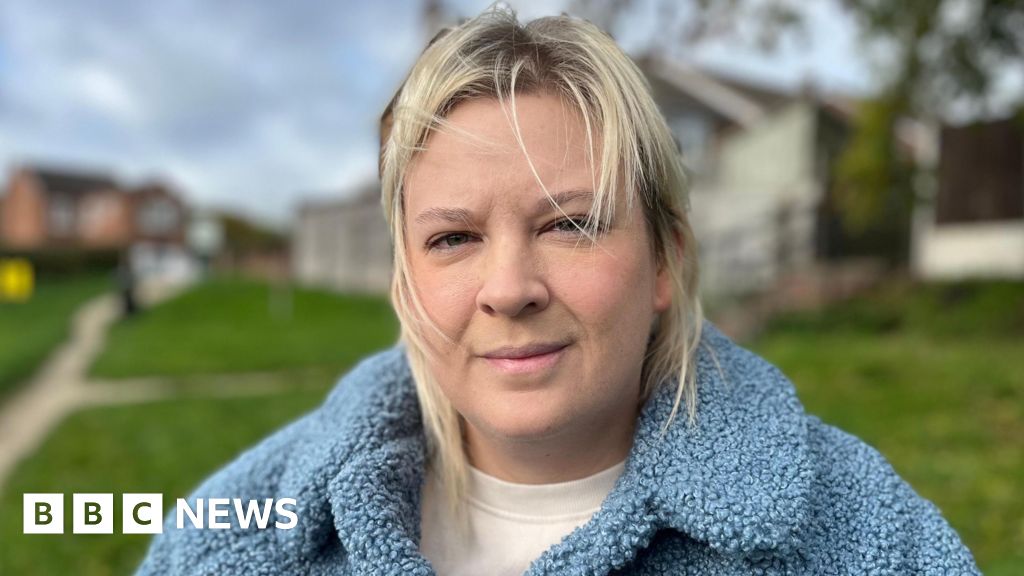
Jersey teen credits ADHD diagnosis with transforming her future

In recent years, shifts in social dynamics and demographic compositions have brought to light pressing issues affecting families, educational institutions, and communities. Mental health, in particular, has emerged as a compelling societal challenge that cuts across generations. Stories like that of Holly Harris, a 23-year-old from Jersey, illuminate how these issues unfold on a personal level, revealing how deeply intertwined social structures and individual well-being truly are. Harris’s experience epitomizes the profound impact diagnoses like ADHD (Attention Deficit Hyperactivity Disorder) have had on young people who, for years, suffered in silence, their struggles often masked by societal expectations or a lack of understanding.

Harris shared how her late diagnosis—at age 19—transformed her life. Struggling with anxiety, depression, and burnout, she explained that her journey to understanding her condition allowed her to manage her symptoms better through support from loved ones and medication. Her story resonates with many young individuals who find themselves overwhelmed by the demands of modern life, compounded by the increasing visibility of mental health issues among youth. Sociologists have noted that the current generation is experiencing a mental health crisis rooted in a complex web of social pressures, technological influences, and shifting cultural norms. Historians argue that societal expectations around productivity and success often exacerbate these struggles, especially when they remain undiagnosed or misunderstood.

This phenomenon extends beyond individual cases to broader societal trends, contributing to what some social commentators call a “growing tribe” of young people seeking validation and understanding. Harris emphasizes the importance of community and open dialogue, advocating for support systems that foster empathy and acceptance. As mental health awareness expands, it also highlights the need for reforms in educational systems, which must adapt to support diverse learners facing such challenges. The ripple effects inevitably impact families—many of whom grapple with their own feelings of helplessness while trying to support their children—underscoring the urgent necessity for a societal shift toward greater understanding and infrastructure that prioritizes mental well-being.

Furthermore, demographic changes—such as increased urbanization, cultural diversity, and technological reliance—are reshaping social fabric and introducing new tensions. These tensions often manifest as disparities in access to mental health care, cultural stigma, or generational gaps in understanding. Addressing these issues calls for multifaceted solutions: enhanced mental health education, better access to support services, and a reevaluation of community roles in fostering resilience. Ultimately, the story of societal transformation hinges on our collective ability to recognize and address these intertwined social issues. It is in the empathy we cultivate and the systemic reforms we pursue that society’s hope for a healthier, more inclusive future resides.

As society continues to grapple with these challenges, the words of social critics serve as a reminder that beneath statistics and headlines lie human lives—families trying to find stability, children yearning for understanding, and communities striving for cohesion. Society’s fabric is woven through these stories of struggle and resilience, calling us to reflect on our moral obligations and the potential for meaningful change. The journey forward is not merely about fixing systems but about fostering a moral renewal rooted in compassion and recognition of our shared human dignity. Perhaps, amid the shadows of current social tensions, there remains a flicker of hope—an ember that urges us to transform societal neglect into societal nurture, turning the tides toward a future where every voice is heard and every life valued.

Chipping Campden Students Back Initiative to Combat GCSE Stress

In recent years, the rising tide of social media influence and academic pressures has cast a long shadow over the mental health of young people across England. According to NHS figures released in 2024, more than 550 children each day are being referred to mental health services for anxiety—a stark indicator of the crisis impacting families, schools, and communities. This alarming trend underscores a fundamental societal challenge: how do we equip the next generation to navigate an increasingly complex social landscape without compromising their well-being? It is here that innovative programs, like Better Me, Better You, established by Army veteran Sam Coton, seek to address this urgent need by fostering resilience and self-belief among students.

In the midst of this mental health epidemic, educational institutions are struggling to find solutions that resonate with today’s youth. Coton’s workshops focus on teaching students about their subconscious minds, unlocking inner confidence, and providing practical strategies to manage stress during pivotal moments such as GCSEs. As sociologist Dr. Mark L. Waite notes, “The societal pressure to perform combined with online social judgments creates a perfect storm for mental exhaustion in adolescents.” For many, these pressures diminish their sense of self-worth and cast shadows over their familial relationships. As one student, Fraser, reflected, the course taught him how to keep calm during exams—an essential skill in a society where the relentless pursuit of achievement can often lead to mental burnout. Schools, parents, and social actors must recognize that addressing emotional health is crucial not just for individual success but for the stability of entire communities.

Yet, the challenge transcends individual programs. The societal fabric is witnessing a cultural shift where the emphasis on mental health and self-awareness is gradually taking center stage. However, critics argue that such shifts need to be accompanied by comprehensive policy reforms that embed mental health education into formal curricula and community initiatives. Historian Dr. Susan Jones emphasizes that “The social dynamics of youth have changed dramatically, and our approaches must adapt accordingly—mental health should be viewed as integral to education and societal participation,” aligning with Coton’s vision of integrating these principles into the core of learning environments. Meanwhile, community-based efforts, funded through grants and donations, demonstrate the power of grassroots movements to bolster these essential reforms, ensuring that no child is left behind in America’s or England’s societal evolution.

Ultimately, society stands at a crossroads: continue to overlook the silent struggles of its youth, or invest in the moral and emotional resilience necessary to forge a stronger future. As we reflect on the stories of Naomi, overwhelmed by GCSE pressures, and Kobi, recognizing the need for change, we are reminded that beneath every statistic lies a human story—families seeking stability, communities yearning for hope, and a generation eager to redefine what success means. It is through collective effort and unwavering commitment that society can transform its challenges into catalysts for genuine, lasting change—illuminating a path where hope is not an abstract ideal but a tangible reality built on understanding, support, and resilience.

Government blocks Derbyshire mum's push for fine-free school absences
Government blocks Derbyshire mum’s push for fine-free school absences

School Absence Policies Spark Debate on Impact to Families and Communities

In recent weeks, the discourse surrounding school attendance policies has intensified, revealing profound societal tensions about how education, family life, and social equity intertwine. The UK government’s firm stance against allowing students to miss up to 10 days of school without a legitimate reason has ignited a controversy that underscores the critical importance of balancing discipline with compassion. A petition launched by Natalie Elliott from Ripley, Derbyshire, gathering more than 180,000 signatures, has challenged the prevailing approach, which has led to minimum fines of £80, escalating to thousands of pounds or even custodial sentences for non-compliance. This debate highlights societal concerns about the effects of rigid attendance enforcement on families, especially those facing financial hardship or extraordinary circumstances.

Social commentators and educational sociologists argue that such policies, while intended to boost school standards, often fail to account for the complex realities faced by families. The current system, as described by Elliott, fosters an environment where parents may feel too afraid or stigmatized to call in legitimate absences. The result is a growing divide between state expectations and familial needs. For many families, especially those with children with special educational needs and disabilities (SEND), the rigid penalty framework compounds stress, depriving children of valuable de-stress time during family holidays—time that could be vital for mental health and familial bonding. Meanwhile, critics like Conservative MP Robbie Moore highlight how costly travel during school holidays exacerbates inequalities, making it difficult for low- and middle-income families to afford quality breaks without risking penalties, thus widening the social gap.

Experts warn that the emphasis on strict attendance compliance risks erosion of community trust and the moral fabric of educational institutions. In a society that values equity and resilience, policies must adapt to recognize the diversity of family circumstances. Some argue for more flexible systems, including appeals processes and family-friendly initiatives like fairer holiday pricing. Sociologist Annette Lareau has long emphasized how families’ socioeconomic resources influence educational engagement, and the current pandemic has only deepened these disparities. The debate calls into question whether the solution lies solely in punitive fines or in holistic community-based strategies, aimed at fostering cooperation rather than fear.

As society stands at a crossroads, the challenge lies in reconciling the need for educational standards with the necessity of human empathy. The societal promise, after all, is not merely to educate but to nurture resilient communities rooted in support, understanding, and compassion. While the government remains committed to reducing ‘absence epidemic’, as stated by Minister Georgia Gould, there is a burgeoning hope that society can evolve towards policies that prioritize the human experience. In the quiet hopes of every parent and teacher, there remains a conviction that society’s true strength lies in its ability to adapt—to recognize that behind every statistic is a family, a child, a future seeking the dignity of understanding over the fear of punishment. Society’s greatest challenge, and its profound hope, is to build a future where education serves not just as a system of discipline but as a pillar of community resilience and human kindness.

Australia’s Hate Crime Laws: Lacking Focus and Effectiveness

Australia’s Societal Divide Deepens as Hate Crimes and Social Tensions Rise

In an era marked by global conflict and cultural upheaval, Australia finds itself grappling with the complexities of hate crimes and social division. Recent debates around the effectiveness and consistency of hate crime legislation reveal a society torn between progress and inconsistency. The rise in reports of antisemitism, Islamophobia, and other forms of prejudice, especially in the wake of the war in Gaza, have put the spotlight on how the nation responds to such hate-fueled actions. While some communities experience targeted violence, others grapple with misunderstood or underreported incidents. As social cohesion hangs in the balance, experts emphasize the critical need for a unified, national approach to mitigate this mounting crisis.

The data available paints a picture of a society still struggling with how to handle hate crimes comprehensively. Since 2020, over 435 charges related to hate crimes have been documented across various jurisdictions, but the true scope remains elusive given inconsistent record-keeping. The divide in legislation across states—where some have specific hate crime laws while others consider such motivations as aggravating factors—further complicates enforcement. Communities face the harsh reality that the lack of a cohesive legal framework hampers justice. The disparity between jurisdictions raises critical questions about how social issues permeate education, family life, and community safety, often leaving vulnerable groups without adequate protection or recognition.”

Notably, only two police forces — NSW and Western Australia — have dedicated hate crime units, illustrating a broader systemic neglect. In NSW, the implementation of tougher laws in response to rising antisemitic incidents highlights an ongoing effort to curb intolerance, yet data suggests that prosecutions remain limited and often fraught with delays. Meanwhile, reports indicate that police statistics on hate crimes are incomplete or misclassified; in September, NSW police admitted to wrongly categorizing a significant number of incidents as antisemitic, including anti-Palestinian graffiti and protests. These gaps not only hinder justice but also undermine the moral fabric of a society that aspires to inclusivity. As social commentator and sociologist Dr. Jennifer Bowen notes, “Without consistent, comprehensive data and legislation, we awaken a society that is blind to its own fractures.”

Amidst these challenges, calls for a national hate crimes database and a unified legal definition grow louder. The 2024 Senate inquiry recommended establishing a comprehensive system, supported by experts who argue that consistent legislation across states and territories is critical to restoring social harmony. Yet, a debate persists over how best to accurately track and respond to prejudice, with concerns over the intrinsic difficulty of capturing all hate-motivated incidents. As Professor Nicole Asquith of the University of Tasmania emphasizes, “In our quest for social justice, clarity and consistency become the foundation for effectively safeguarding families and strengthening our societal bonds”. Society must confront the moral imperative to protect every community, fostering resilience in the face of adversity and ensuring that the social fabric does not unravel under the weight of prejudice.

Hope lies in the collective will to address these societal wounds. Awareness, education, and stronger legislation are vital, but so too is understanding the profound human impact behind these statistics. Each hate crime represents a family torn apart, a community divided, and a society grappling with its own identity. As the nation stands at this crossroad, perhaps it is society’s shared moral duty to forge a path toward justice, understanding, and unity. The challenge is formidable, yet within society’s resilience lies the potential to turn division into decisive action, and despair into hope—for Australia’s social fabric can yet be rewoven, stronger and more inclusive than before.

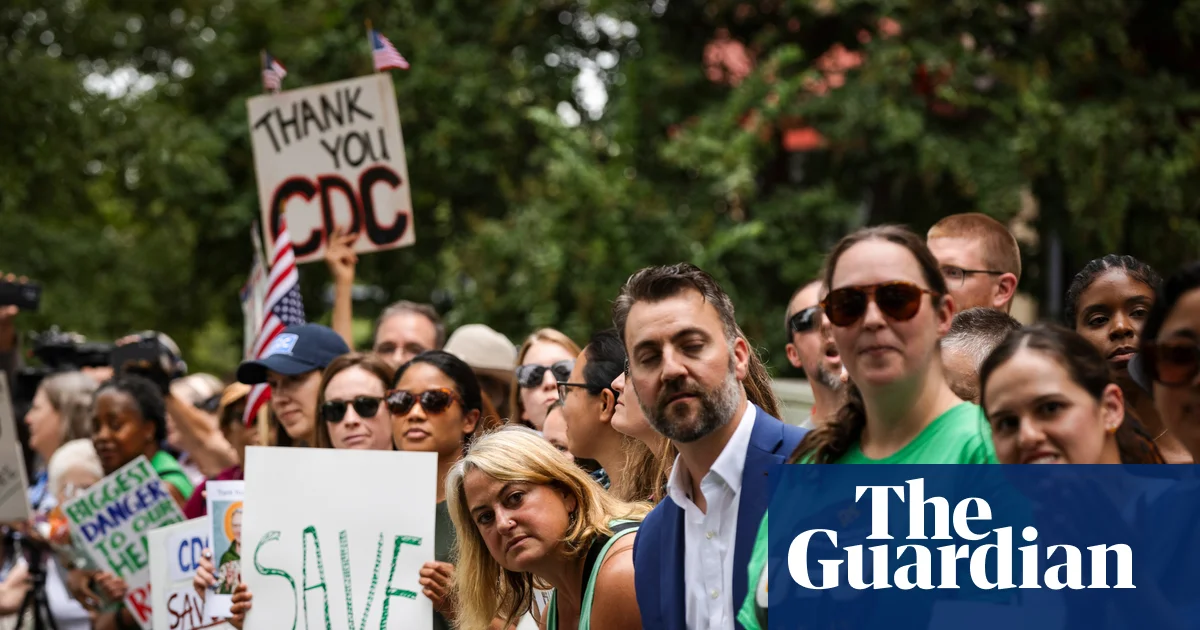
CDC Staff Confront ‘Limbo’ After Cycles of Firing and Rehiring Under Trump Era

The Fallout of CDC Layoffs: A Society in Turmoil and the Erosion of Public Trust

In recent months, the chaos surrounding layoffs at the Centers for Disease Control and Prevention (CDC) has unveiled deeper societal fractures that threaten the very fabric of community health and safety. As layoff notices flood federal offices, many families are witnessing firsthand how depopulation of critical health agencies diminishes America’s capacity to respond to public health crises. The involuntary attrition of over a quarter of the CDC workforce, including vital departments like the National Center for Chronic Disease Prevention and the Research Library, underscores a disturbing trend towards the dismantling of institutions meant to safeguard community well-being.

This wave of fiscal austerity and administrative chaos is not simply an issue of bureaucratic inefficiency; it narrows the pathways of trust and accountability that families rely on during health emergencies. The elimination of offices tasked with research and oversight—such as the ethics office and the Institutional Review Board (IRB)—raises profound questions about the moral responsibility of leadership. When crucial checks and balances are removed, families and communities are left vulnerable to unanticipated risks or ethical breaches that could have been prevented in better times. As social historian Dr. Lisa Greenberg notes, institutions like the CDC form the backbone of societal resilience, and their systematic undermining signals a dangerous slip away from accountability and expertise.

The implications extend beyond the realm of policy into everyday lives. Families, educators, and local communities are increasingly feeling the weight of a fractured health infrastructure. Arguments made by sociologists such as Dr. Samuel Torres suggest that the erosion of institutional integrity fosters a culture of skepticism and politicization that hampers collective efforts to address pressing issues like mental health, substance abuse, and preventative care. A community lacking coherent health guidance becomes a vulnerable arena for misinformation and fear, with many parents and teachers struggling to navigate an environment where evidence-based recommendations are disregarded or unavailable.

Amid this turmoil, the human impact manifests most painfully in instances like the tragic terrorist attack on CDC headquarters, where employees faced gunfire and trauma, or the targeted harassment and doxing that threaten the safety of public health champions. Such incidents expose a societal tension: when public health officials become targets of hostility or violence, it underscores a troubling decline in societal civility and respect for expertise. Former CDC officials warn that the decimation of the agency’s leadership impairs the nation’s ability to respond swiftly and effectively, leaving Americans increasingly exposed to health risks. This erosion of leadership, as historian Dr. James Navarro reflects, demonstrates a broader shift in societal values—from trust and collective responsibility to suspicion and individualism.

Ultimately, the story of the CDC layoffs is a mirror held up to society’s own vulnerabilities. As government resources dwindle and leadership becomes consumed with partisan battles, the hope for societal renewal lies in recognizing the importance of institutions rooted in expertise, ethics, and community service. The resilience of families and communities depends on their ability to advocate for a return to responsible governance—one that values human life over political optics. In the silence left by empty offices and forsaken research, society is called to reflect: can the communities built on shared values rebuild from the ruins, or will they fall further into disarray? The path forward demands more than policy shifts; it requires a renewed moral commitment to safeguard the health and dignity of every American, especially in an era where societal harmony and scientific integrity hang in delicate balance.

UKHSA Watches Closely as Brighton University Meningitis Cases Emerge

Rising Concerns Over Meningitis Among Students Highlight Societal Challenges

The recent diagnosis of two students at the University of Brighton with meningitis has reignited concerns over public health vulnerabilities and social awareness. The UK Health and Security Agency (UKHSA) has emphasized its vigilance, closely monitoring the situation as the community grapples with this potentially fatal yet often misunderstood disease. While the university reports that both students are recovering and that those who had close contact are receiving precautionary treatment, the incident underscores a broader societal issue: the lack of widespread awareness about early symptoms of serious illnesses and the social dynamics that may hinder prompt medical attention, especially among youth.

Social Tensions and Cultural Shifts in Health Vigilance

Health sociologists have pointed out that young adults often dismiss early warning signs of illnesses as mere inconveniences or minor ailments. Charlotte Flynn, a health protection consultant at UKHSA South East, notes that symptoms like fever, headache, and fatigue can be easily mistaken for more benign conditions such as hangovers or flu. This dangerous confusion is compounded by cultural shifts that prioritize resilience and independence, leading many students to ignore symptoms until medical intervention becomes urgent. Such delays not only threaten individual lives but also place strain on healthcare resources and community health programs.

Underlying this issue are social factors like patterns of communal living, peer influence, and a sometimes dismissive attitude towards health concerns. Historically, sociologists such as C. Wright Mills have highlighted how societal norms and power structures influence health behaviors. In the context of student communities, the social pressure to appear resilient or unaffected can discourage early reporting of symptoms, further complicating containment efforts. The university’s assertion that meningococcal bacteria do not spread easily—but only through prolonged, close contact—serves as a reminder that habits within these communities can either mitigate or exacerbate health risks.

Implications for Families, Education, and Society

  • Families face emotional stresses when a loved one falls ill, often feeling helpless amid the ambiguity of early symptoms. This distress can be compounded by imperfect knowledge or access to healthcare, particularly among socio-economically disadvantaged families.
  • Educational institutions bear the burden of balancing academic continuity with health vigilance, implementing measures that include information dissemination and contact tracing. As Brighton’s administration states, they have “gone above and beyond” in guiding students, yet the challenge remains to foster a culture of proactive health engagement.
  • Communities are tasked with fostering environments where health awareness is normalized and stigma surrounding illness is reduced. The incident raises questions about how to cultivate younger generations’ sense of personal responsibility while ensuring they do not feel overwhelmed by fears or misinformation.

As social commentators and sociologists like Zygmunt Bauman have argued, society’s capacity to adapt and respond to such challenges hinges on collective consciousness and moral commitments. The hope is that through improved education, community engagement, and responsible health practices, society can rebuild a culture that values early intervention and collective well-being. The tragic irony remains that, in a time of unparalleled technological and informational access, the very youth most vulnerable may be the least prepared to recognize the signs that could save their lives. Society stands at a crossroads—where understanding, vigilance, and compassion could turn today’s crisis into a catalyst for societal resilience and transformation.

Woman who skipped Italy trip loses child benefits, sparking debate on social spending

The recent episodes within Britain’s welfare and social security framework underscore a profound shift in how social issues are approached, driven by data inaccuracies and strict policy enforcement. In a society where family stability depends on reliably accessible benefits, the stories of families like Sally’s reveal the harsh repercussions of a system increasingly reliant on incomplete or flawed data. Despite the apparent intent to curb welfare fraud, the implementation has inadvertently targeted law-abiding citizens, exposing a societal tension that demands urgent reform.

During a routine holiday to Italy, Sally’s family encountered a bureaucratic nightmare when HMRC wrongly inferred her family had emigrated, leading to the abrupt stopping of child benefits for her three children. This was not a case of fraud but rather a consequence of disconnected and incomplete official records—a pattern that has affected over 23,500 families in recent weeks, as documented by reports. Sociologists such as Patrick Nolan highlight that these policies, which rely on data from the Home Office and airline booking systems, fail to account for the complex realities of modern families. The reality is that many families, like Sally’s, are victims of a ‘digital dragnet’ where administrative errors create devastating human impacts, especially for children directly affected by the loss of vital support.

This situation spotlights significant social fabric concerns—families, already strained by economic pressures, are now battling a system that treats their circumstances as mere data points. Children’s welfare hinges on benefits that, when unjustly cut, threaten their education, health, and stability. Ethical questions surround the moral responsibility of government institutions that must balance the need for fraud prevention with the humane treatment of their citizens. The stories of families like Alex’s, who had voluntarily opted out of benefits but faced threats otherwise, exemplify how misuse or misinterpretation of data can generate overreach and erode trust in social services. Experts like sociologist Alice Smith warn that such policies risk alienating communities, fostering a sense of mistrust that undermines social cohesion.

Critics argue that the current effort to save millions annually might come at an unsustainable moral cost. The psychological toll on families subjected to intrusive data demands—such as bank statements, insurance claims, and travel evidence—raises fundamental questions about privacy and individual rights. HMRC’s recent reevaluation and apology indicate a recognition of errors, yet the damage inflicted on families remains. As historian Dr. John Carter observes, history shows that overly bureaucratic systems tend to alienate citizens when they forget the human element. Going forward, a balanced approach that uses comprehensive data verification while safeguarding personal dignity is essential if society is to foster trust and resilience in its social safety net.

In the tangled web of policies and technological reliance, society faces a vital challenge: transforming a system that, in its current form, risks alienating the very people it aims to serve. Ensuring that families are protected, communities restored, and social justice upheld requires more than just algorithms and data—what is needed is a moral commitment rooted in understanding and respect for human dignity. As society strives to adapt to these evolving social issues, the hope remains that genuine reform—based on integrity, transparency, and compassion—can eventually illuminate a path toward a more equitable future where the safety net is not woven from flawed data but from unwavering human trust.

Exposing the Hidden Dangers of Illegal HMOs in Our Communities

Across communities in Britain today, a disturbing pattern emerges—one that reveals the deep-seated failures of our social and political systems. Within these neighborhoods, demographic shifts and increasing housing insecurity have paved the way for the proliferation of illegal houses in multiple occupation (HMOs), a practice that exposes families and individuals to deplorable living conditions. These properties, often hidden from view, are frequently managed by private landlords and housing associations with little regard for regulation, safety, or human dignity. As detailed in recent reports and firsthand accounts, such as those shared by residents and social commentators, the consequences extend far beyond individual discomfort, striking at the core of community stability and family well-being.

The plight of residents living alongside unchecked overcrowded HMOs underscores a broader societal issue: the failure of local authorities and government agencies to effectively regulate and enforce standards. As sociologist Dr. Mark Granovetter once argued, social networks and trust are vital for the cohesion of communities; yet, when residents face persistent neglect, broken infrastructure, and unhygienic conditions, that trust erodes. For many families, especially those with children, these environmental hazards—cockroaches, broken furniture, and urine-soaked mattresses—are no longer isolated incidents but symbols of neglected social responsibility. The impact on families includes not only physical health risks but also psychological stress, which impairs educational attainment and emotional development for children growing up in these neglected environments. The presence of these poor conditions often breeds a cycle of despair and social marginalization, undermining the very fabric of society.

Addressing this crisis demands strict enforcement of housing standards, a stance supported by experts and social commentators alike. One proposed solution involves the confiscation of properties that fail to meet minimum health and safety requirements, with the proceeds reinvested into community regeneration and affordable housing initiatives. Such measures would not only remove hazardous dwellings but also serve as a deterrent to unscrupulous landlords seeking to profit from neglect. Coupled with properly funded courts capable of expediting legal proceedings, this approach would restore accountability. At the same time, reforms such as allowing tenants to claim rent repayment orders for unlicensed HMOs serve as counterbalances, creating tangible disincentives against unregulated practices. These solutions are grounded in the pressing moral duty to protect the most vulnerable among us—those who find themselves trapped in a system that prioritizes profit over human dignity.

Yet, it is essential to recognize that the social issues surrounding housing are deeply intertwined with broader societal complacency. As historian Dr. David Starkey noted, the decline of our shared moral commitments and a focus on individual gain have led to a deterioration of community bonds. The decline of underfunded local authorities, overwhelmed judicial systems, and a political environment that treats housing as a commodity rather than a human right create a perfect storm—one where neglect becomes normalized. We must consider how, as a society, we uphold the values of equity and fairness, ensuring that every family has access to safe, dignified shelter. When society ignores these injustices, it does so at its peril—losing sight of the moral foundation that holds us together.”

Reflecting on these challenges, society is confronted with a poignant choice: continue to tolerate the squalor that taints our cities or commit to a future where dignity and fairness reclaim their place at society’s center. Like a battered but resilient tree, the hope lies in regeneration—if we dare to nurture and protect the roots of our communities. Out of these darkened streets and broken homes, the seeds of societal renewal may yet blossom—if only we prioritize justice over profit, compassion over indifference. The question remains whether enough of us will heed this call before the last vestiges of community integrity are lost, leaving behind an underclass alienated and forgotten, a silent testament to a society that chose neglect over nurture.

Social Media Auto Publish Powered By : XYZScripts.com